
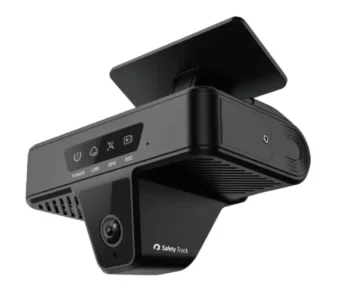
Dash Cam Features That Enhance Fleet Safety
Fleet Dash Cam Technology: Key Features That Enhance Fleet Safety and Driver Monitoring
In the realm of fleet management, the integration of dash cam technology has emerged as a pivotal element in enhancing safety and monitoring driver behavior. Dash cams serve as a powerful tool for accident prevention, providing real-time video evidence that can significantly reduce liability and improve operational efficiency. This article delves into the essential features of dash cams that contribute to fleet safety, including real-time monitoring, driver behavior analytics, and GPS integration. By understanding these features, fleet managers can make informed decisions that not only protect their assets but also promote a culture of accountability among drivers. We will explore best practices for installation and maintenance, as well as the evidence supporting the effectiveness of these technologies in reducing accidents and improving driver performance.
What Are the Essential Dash Cam Features for Improving Fleet Safety?
Dash cams are equipped with several key features that enhance fleet safety. These features include high-quality video recording, real-time monitoring, and driver-facing cameras.
- High-Quality Video Recording: High-definition video captures critical details during incidents, providing clear evidence for accident analysis.
- Real-Time Monitoring: This feature allows fleet managers to view live footage, enabling immediate response to incidents and enhancing overall safety.
- Driver-Facing Cameras: These cameras monitor driver behavior, helping to identify risky actions such as distracted driving or fatigue.
These features collectively contribute to a safer driving environment, making dash cams an invaluable asset for fleet management.
Indeed, advanced video-based fleet management tools further exemplify how dashcams provide comprehensive insights into fleet operations, driver behavior, and traffic risk.
Dashcams for Fleet Safety & Driver Behavior Analysis
MM-TrafficRisk is a video-based fleet management tool that enhances driver efficiency and safety through the use of dashcams. It provides fleet managers with comprehensive information about their fleet’s operations, including driver behavior analysis, nearmiss detection, and traffic risk prediction, prevention, and querying capabilities.
MM-TrafficRisk: a video-based fleet management application for traffic risk prediction, prevention, and querying, MS Dao, 2023
How Does Real-Time Video Monitoring Support Accident Prevention?
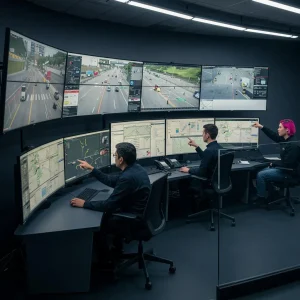
Real-time video monitoring plays a crucial role in accident prevention by providing immediate visibility into fleet operations. Fleet managers can observe driving behaviors and respond to incidents as they occur, which can deter unsafe practices. This proactive approach not only enhances safety but also fosters accountability among drivers in real-time fleet video telematics.
Moreover, the ability to review footage after an incident allows for thorough investigations, ensuring that appropriate measures are taken to prevent future occurrences. By leveraging real-time monitoring, fleets can significantly reduce the risk of accidents and improve overall safety outcomes.
What Role Does Driver Behavior Monitoring Play in Risk Management?
Monitoring driver behavior is essential for effective risk management within a fleet. By analyzing driving patterns, fleet managers can identify high-risk behaviors and implement targeted training programs.
- Real-Time Monitoring: This allows for immediate feedback on driving habits, enabling corrective actions to be taken swiftly.
- Event Data Recording: Dash cams can capture critical events, such as hard braking or rapid acceleration, providing insights into driver performance.
- Alerts for Risky Behavior: Automated alerts can notify managers of concerning driving behaviors, allowing for timely interventions.
By focusing on driver behavior, fleets can enhance safety and reduce liability, ultimately leading to a more responsible driving culture.
Further research emphasizes the critical role of integrated technologies like IoT, cameras, and GPS in actively monitoring and alerting drivers to risky behaviors, thereby significantly reducing road accidents.
IoT, Cameras & GPS for Fleet Safety & Driver Behavior Monitoring
Curbing road accidents have always been one of the utmost priority of nations worldwide. One of the significant causes of road accidents is the driver’s behaviors. To regulate drivers’ behavior by fleet operators is challenging. We have proposed an IoT scalability framework and its’ emerging technologies to monitor and alert driver’s behavioral and driving patterns to reduce road accidents. We implemented electronic devices such as cameras, a global positioning system module, to monitor and alert the driver’s behavior when the vehicle sways away from the lane, and to detect if the driver is feeling drowsy.
IoT-based vehicle monitoring and driver assistance system framework for safety and smart fleet management, B Rudrusamy, 2023
How Does Integration of Dash Cams with GPS Tracking Enhance Fleet Safety?
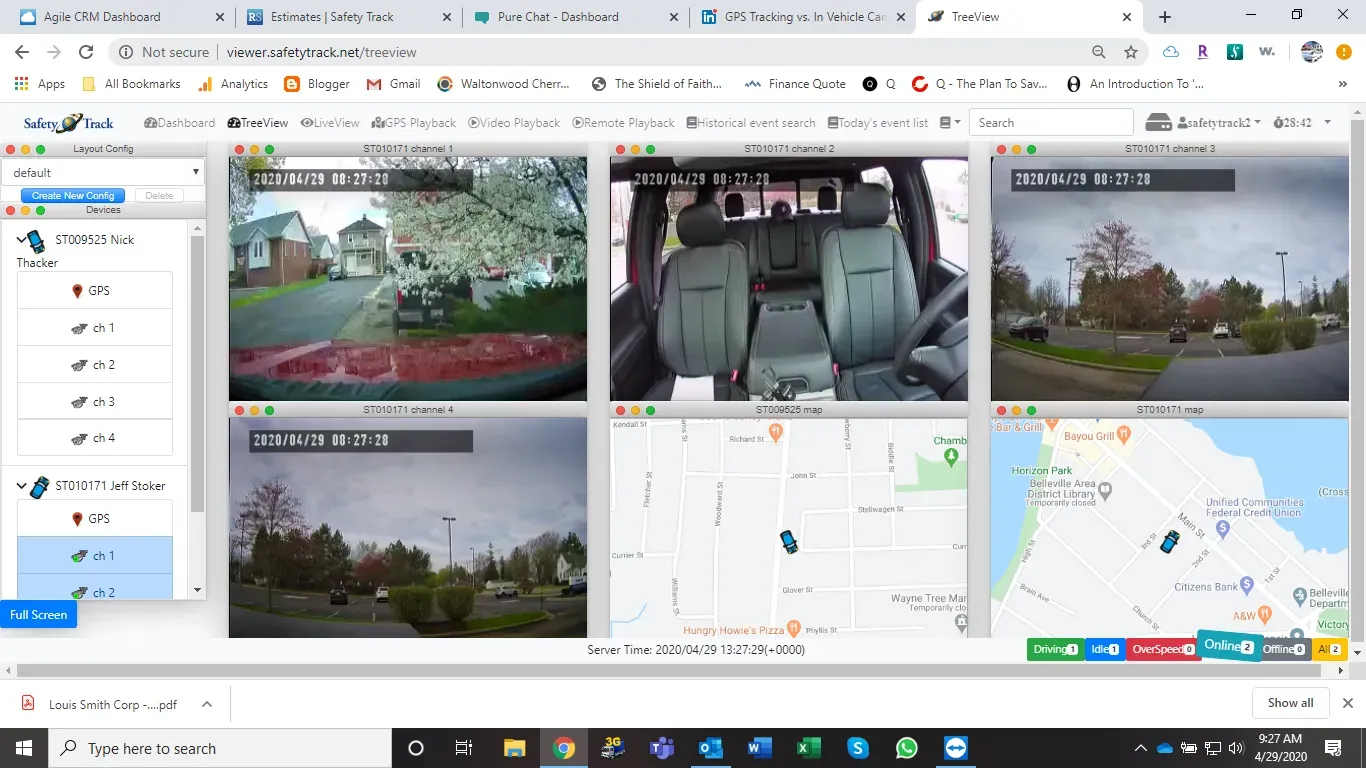
Integrating dash cams with GPS tracking systems offers numerous benefits that enhance fleet safety. This combination allows for comprehensive monitoring of vehicle locations and driving behaviors.
- Real-Time Monitoring and Evidence: GPS data combined with video footage provides a complete picture of incidents, aiding in accurate incident analysis.
- Enhanced Driver Accountability: Knowing that their actions are being recorded can motivate drivers to adhere to safe driving practices.
- Optimized Fleet Performance: GPS tracking helps in route optimization, reducing travel time and minimizing the risk of accidents.
This integration not only improves safety but also enhances operational efficiency, making it a vital component of modern fleet management.
What Are the Benefits of Combining Video Telematics and GPS Data?
Combining video telematics with GPS data offers significant advantages for fleet safety and management. This synergy allows for a more detailed analysis of driving behaviors and incident responses.
- Real-Time Monitoring and Evidence: The integration provides immediate access to both video and location data, facilitating quick decision-making during incidents.
- Enhanced Driver Accountability: Drivers are more likely to follow safety protocols when they know their actions are being monitored.
- Faster Incident Resolution: Access to comprehensive data allows for quicker investigations and resolutions, reducing downtime and associated costs.
The combination of these technologies creates a robust framework for improving fleet safety and operational efficiency.
Essential Dash Cam Features for Fleet Safety and Monitoring
To maximize the effectiveness of dash cams, it is essential to follow best practices for installation and maintenance. Proper positioning and regular upkeep ensure that these devices function optimally.
- Choosing the Right Equipment: Selecting high-quality dash cams with the necessary features is crucial for effective monitoring.
- Regular Inspections: Conducting routine checks on the cameras and their settings helps maintain functionality and reliability.
- Cleaning: Keeping the lenses clean ensures clear video footage, which is vital for accurate incident analysis.
By adhering to these best practices, fleet managers can ensure that their dash cam systems provide reliable and effective monitoring.
How Should Dash Cams Be Positioned for Optimal Coverage?
Positioning dash cams correctly is critical for achieving optimal coverage. Cameras should be installed to capture both the road ahead and the driver’s actions.
- Camera Placement: Dash cams should be mounted at an angle that provides a clear view of the road and the driver.
- Wiring and Power: Ensure that wiring is secure and does not obstruct the driver’s view, while also providing a reliable power source.
- Testing: Regularly test the camera angles and functionality to ensure they are capturing the necessary footage.
Proper positioning enhances the effectiveness of dash cams in monitoring and improving fleet safety.
However, ensuring optimal coverage also involves addressing practical challenges related to dashcam design and installation, as highlighted by studies on reliability and usability.
Enhancing Dashcam Reliability & Usability for Accident Proofs
Dashcam, which is considered essential parts of vehicles in Korea, are installed in most vehicles for proofs of accidents or threatened driving of other vehicles, and insurance premiums. Aftermarket dashcams have been developed with many improvements such as higher resolution camera and a LCD, however still have technical limitations in usability and durability. The first limitation is that the dashcam which mounted on windshield can be separated and injure at an accident due to a collision impact, and the device obstructs the driver’s vision.
Development of a Built-In Type Dashboard Camera with Reliability and Usability, 2022
What Maintenance Steps Ensure Reliable Fleet Safety Monitoring Devices?
Regular maintenance is essential for ensuring that dash cams remain reliable and effective. Implementing a maintenance schedule can help prevent issues before they arise.
- Regular Cleaning: Keeping the camera lenses clean is vital for clear video capture.
- Check Mounting and Placement: Regularly inspect the camera mounts to ensure they remain secure and correctly positioned.
- Review Camera Settings: Periodically check the settings to ensure they are optimized for the best performance.
By following these maintenance steps, fleet managers can ensure that their dash cam systems continue to provide valuable insights into driver behavior and fleet safety.
What Evidence Supports the Effectiveness of Dash Cam Features in Enhancing Fleet Safety?
The effectiveness of dash cam features in enhancing fleet safety is supported by various studies and statistics. These devices have been shown to significantly reduce accidents and improve driver behavior.
- Real-Time Monitoring: Studies indicate that fleets utilizing dash cams experience a reduction in accident rates, with some reports claiming reductions of about 30% to 50%.
- Video Evidence for Incident Analysis: Access to video footage allows for accurate assessments of incidents, leading to better training and prevention strategies.
- Driver Training and Coaching: Dash cam footage can be used as a training tool, helping drivers improve their skills and reduce risky behaviors.
The evidence clearly demonstrates that dash cams are a valuable investment for enhancing fleet safety.
What Do Recent Industry Statistics Reveal About Accident Reduction?
Recent industry statistics highlight the positive impact of dash cams on accident reduction. Fleets that have implemented these technologies report significant decreases in incidents.
- Reduction in Accidents: Fleets using dash cams have seen accident rates drop by noticeable margins, often around 20% to 50%.
- Insurance Cost Savings: Companies report lower insurance premiums due to reduced risk profiles.
- Case Studies: Numerous case studies illustrate the effectiveness of dash cams in preventing accidents and improving driver accountability.
These statistics underscore the importance of dash cam technology in modern fleet management.
How Have Case Studies Demonstrated Improvements in Driver Behavior and Liability Reduction?
Case studies provide compelling evidence of the improvements in driver behavior and liability reduction associated with dash cam usage.
- Behavioral Changes: Fleets that utilize dash cams report a marked improvement in safe driving practices among their drivers.
- Liability Reduction: Access to video evidence has led to a decrease in false claims and disputes, protecting companies from unnecessary liability.
- Operational Efficiency: Improved driver behavior contributes to overall operational efficiency, reducing costs associated with accidents and insurance.
These case studies illustrate the transformative impact of dash cam technology on fleet safety and management.
For more detailed insights on fleet safety technologies, consider exploring fleet safety solutions that integrate advanced monitoring systems.
Frequently Asked Questions
What types of dash cams are available for fleet management?
There are several types of dash cams available for fleet management, each designed to meet specific needs. Basic models typically offer front-facing video recording, while advanced options include dual-facing cameras that capture both the road and the driver. Some dash cams come equipped with features like night vision, cloud storage, and integrated GPS. Additionally, there are models that provide real-time alerts for risky driving behaviors, making them suitable for comprehensive fleet monitoring and safety enhancement.
How can dash cams improve driver training programs?
Dash cams can significantly enhance driver training programs by providing real-time feedback and recorded footage of driving behaviors. Fleet managers can use video evidence to identify areas where drivers may need improvement, such as speeding or harsh braking. This footage can serve as a valuable training tool, allowing for targeted coaching sessions that address specific issues. By analyzing incidents captured on camera, managers can develop more effective training strategies, ultimately leading to safer driving practices and reduced accident rates.
What are the legal implications of using dash cams in commercial vehicles?
The use of dash cams in commercial vehicles can have various legal implications, particularly concerning privacy and data protection. Fleet managers must ensure that they comply with local laws regarding video recording, which may require notifying drivers that they are being monitored. Additionally, the footage collected can be used as evidence in legal disputes, which can be beneficial for liability protection. It is essential to establish clear policies regarding the use and storage of dash cam footage to mitigate potential legal risks.
How do dash cams affect insurance premiums for fleets?
Dash cams can positively impact insurance premiums for fleets by demonstrating a commitment to safety and risk management. Insurance companies often offer discounts to fleets that utilize dash cam technology, as it reduces the likelihood of accidents and fraudulent claims. The video evidence provided by dash cams can also expedite the claims process, leading to quicker resolutions and potentially lower costs for insurers. As a result, fleets that implement dash cams may experience significant savings on their insurance premiums over time.
What challenges might fleets face when implementing dash cam technology?
Implementing dash cam technology in fleets can present several challenges. One common issue is the initial cost of purchasing and installing the equipment, which can be significant for larger fleets. Additionally, there may be resistance from drivers who feel uncomfortable being monitored. Ensuring proper training on how to use the technology effectively is also crucial. Furthermore, managing and storing the large amounts of data generated by dash cams can be complex, requiring robust data management systems to ensure compliance and accessibility.
Can dash cams be integrated with other fleet management technologies?
Yes, dash cams can be integrated with various fleet management technologies to enhance overall safety and efficiency. For instance, combining dash cams with GPS tracking systems allows for real-time monitoring of vehicle locations and driving behaviors. This integration can provide a comprehensive view of fleet operations, enabling better decision-making. Additionally, some dash cam systems can connect with telematics platforms, offering insights into vehicle performance and driver behavior, which can further improve fleet management strategies.
Conclusion
Integrating dash cam technology into fleet management significantly enhances safety and driver accountability through features like real-time monitoring and driver behavior analytics. These tools not only provide critical evidence for incident analysis but also foster a culture of responsible driving, ultimately reducing accident rates. By investing in high-quality dash cams, fleet managers can ensure optimal performance and operational efficiency. Discover our range of advanced dash cam solutions to elevate your fleet safety today.
Jeff Stoker is the CEO and founder of Safety Track, a company he established in 2002. With over two decades of leadership in fleet management solutions, Jeff has guided Safety Track from a pioneering vision to a trusted industry leader. His innovative mindset and commitment to excellence continue to drive the company’s growth and impact.