

How Telematics Enhances Fleet Safety and Efficiency
Telematics technology has revolutionized the way fleet management operates, significantly enhancing both safety and efficiency. By integrating GPS tracking, real-time monitoring, and data analytics, telematics systems provide fleet managers with critical insights into vehicle performance and driver behavior. This article will explore how telematics improves fleet safety and operational efficiency, addressing key benefits, technologies, and measurable outcomes. As businesses face increasing pressure to optimize their operations while ensuring safety, telematics offers a comprehensive solution to these challenges. We will delve into the core benefits of vehicle tracking systems, the role of real-time monitoring, and how predictive maintenance can minimize downtime, among other topics.
Vehicle Tracking Systems: Top Fleet Safety Benefits
Vehicle tracking systems are essential tools for enhancing fleet safety. They provide fleet managers with the ability to monitor vehicle locations and driver behaviors in real-time, leading to several key benefits: vehicle tracking solutions.
- Improved Monitoring of Driver Behavior: By tracking speed, braking patterns, and acceleration, fleet managers can identify unsafe driving habits and implement corrective measures.
- Reduced Accidents Through Feedback: Real-time feedback allows drivers to adjust their behavior, significantly lowering the risk of accidents.
- Enhanced Driver Accountability: Knowing that their actions are being monitored encourages drivers to adhere to safety protocols.
These benefits collectively contribute to a safer driving environment, reducing the likelihood of accidents and enhancing overall fleet safety.
How Does Real-Time Fleet Monitoring Improve Driver Safety?
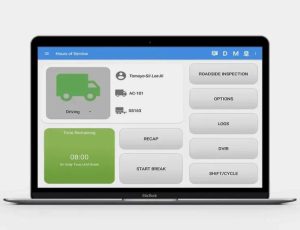
Real-time fleet monitoring is a critical component of telematics that enhances driver safety. By providing immediate insights into driver behavior, fleet managers can proactively address potential safety issues. This system allows for: real-time fleet video telematics.
- Immediate Insights into Driver Behavior: Fleet managers can receive alerts about unsafe driving practices, enabling timely interventions.
- Enhanced Accountability Through Monitoring: Drivers are more likely to follow safety protocols when they know their actions are being observed.
- Proactive Risk Management: By analyzing data trends, fleet managers can identify high-risk drivers and provide targeted training to improve safety.
The integration of real-time monitoring not only improves individual driver safety but also fosters a culture of safety within the entire fleet.
In What Ways Do Driver Safety Technologies Reduce Fleet Risks?
Driver safety technologies play a vital role in mitigating risks associated with fleet operations. These technologies include advanced driver assistance systems (ADAS) and driver behavior analytics, which contribute to:
- Real-Time Monitoring of Vehicle Performance: Continuous assessment of vehicle health helps prevent breakdowns and accidents.
- Driver Behavior Analytics for Targeted Training: Data collected on driving habits can be used to tailor training programs that address specific weaknesses.
- Proactive Alerts for Unsafe Behaviors: Systems that alert drivers to unsafe actions, such as harsh braking or rapid acceleration, can help prevent accidents before they occur.
By leveraging these technologies, fleets can significantly reduce their risk exposure and enhance overall safety.
How Does Fleet Management Software Optimize Operational Efficiency?
Fleet management software is integral to optimizing operational efficiency. It streamlines various processes, allowing for better resource allocation and management. Key features include:
- Real-Time Vehicle Tracking: This feature enables fleet managers to monitor vehicle locations and optimize routes for efficiency.
- Driver Behavior Monitoring: By analyzing driving patterns, managers can identify areas for improvement and reduce fuel consumption.
- Maintenance Alerts and Fuel Consumption Analysis: Automated alerts for maintenance needs help prevent costly repairs and downtime, while fuel consumption analysis aids in identifying inefficiencies.
These capabilities collectively enhance operational efficiency, leading to cost savings and improved service delivery.
What Role Does GPS Tracking Play in Fuel Efficiency and Maintenance?
GPS tracking is a cornerstone of telematics that significantly impacts fuel efficiency and maintenance. It provides valuable data that can be used to optimize fleet operations:
- Route Optimization for Fuel Savings: By analyzing traffic patterns and road conditions, GPS tracking helps in planning the most efficient routes, reducing fuel consumption.
- Monitoring Driving Behavior for Efficiency: Insights into driving habits allow for adjustments that can be made to improve fuel efficiency.
- Real-Time Vehicle Diagnostics: GPS systems can provide alerts for maintenance needs, ensuring that vehicles are serviced before issues escalate.
The integration of GPS tracking not only enhances fuel efficiency but also contributes to the longevity of fleet vehicles.
How Can Predictive Maintenance Features Minimize Downtime?

Predictive maintenance is a proactive approach that leverages telematics data to minimize vehicle downtime. This strategy involves:
- Real-Time Data Collection for Vehicle Health: Continuous monitoring of vehicle systems allows for early detection of potential issues.
- Automated Alerts for Maintenance Needs: Alerts can be set up to notify fleet managers when maintenance is required, preventing unexpected breakdowns.
- Scheduling Repairs During Off-Peak Times: By analyzing usage patterns, repairs can be scheduled during times that minimize disruption to operations.
Implementing predictive maintenance not only reduces downtime but also enhances the overall reliability of the fleet.
Which Compliance and Safety Metrics Are Enhanced by Telematics Systems?
Telematics systems significantly enhance various compliance and safety metrics, which are crucial for fleet operations. Key metrics include:
- Hours-of-Service Compliance: Telematics helps ensure that drivers adhere to legal driving limits, reducing the risk of fatigue-related incidents.
- Inspection Completion Accuracy: Automated systems can track and document vehicle inspections, ensuring compliance with regulations.
- Accident Frequency Monitoring: By analyzing accident data, fleets can identify trends and implement strategies to reduce incidents.
These metrics are essential for maintaining compliance and improving overall fleet safety.
How Do Telematics Solutions Support Regulatory Compliance?
Telematics solutions play a vital role in supporting regulatory compliance by automating various processes. They provide:
- Automated Compliance Tasks: Routine compliance tasks can be automated, reducing the administrative burden on fleet managers.
- Real-Time Visibility into Operations: Fleet managers can monitor compliance in real-time, ensuring that all regulations are being met.
- Documentation for Audits: Telematics systems can generate reports and documentation needed for audits, simplifying the compliance process.
By streamlining compliance efforts, telematics solutions help fleets avoid penalties and maintain operational integrity.
What Safety Analytics Drive Continuous Fleet Performance Improvement?
Safety analytics are crucial for driving continuous improvement in fleet performance. These analytics provide insights that can lead to:
- Real-Time Data Collection: Continuous data collection allows for ongoing assessment of safety performance.
- Key Safety Metrics Tracking: Monitoring specific safety metrics helps identify areas for improvement.
- Predictive Analytics for Safety Issues: Advanced analytics can predict potential safety issues before they arise, allowing for proactive measures.
Utilizing safety analytics ensures that fleets can continuously improve their safety performance and operational efficiency.
What Are the Measurable Outcomes of Implementing Telematics in Fleets?
Implementing telematics in fleets leads to several measurable outcomes that demonstrate its effectiveness. These outcomes include:
- Safety Improvements: Reduction in accident rates due to enhanced monitoring and driver feedback.
- Efficiency Gains: Improved route planning and fuel efficiency resulting in lower operational costs.
- Cost Reductions: Decreased maintenance costs and insurance premiums due to better vehicle management.
These outcomes highlight the significant impact that telematics can have on fleet operations.
How Do Telematics Systems Contribute to Accident Reduction?
Telematics systems are instrumental in reducing accidents through various mechanisms. They provide: fleet safety technology.
- Real-Time Monitoring of Driver Behavior: Continuous tracking allows for immediate feedback on unsafe driving practices.
- Driver Alerts for Unsafe Actions: Alerts can notify drivers of risky behaviors, prompting corrective actions.
- Personalized Coaching for Drivers: Data-driven insights enable tailored coaching programs that address specific driver weaknesses.
By focusing on these areas, telematics systems contribute to a safer driving environment and lower accident rates.
Further research highlights how advanced IoT telematics frameworks actively monitor driver behavior and patterns to significantly reduce road accidents.
IoT Telematics for Driver Safety & Smart Fleet Management
In our research, we have proposed the Internet of Things (IoT) scalability framework and its’ emerging technologies to monitor and alert driver’s behavioral and driving patterns to reduce road accidents. To prove this work, we have implemented a lane tracking, and iris detection algorithm, to monitor and alert the driver’s behavior when the vehicle sways away from the lane, and to detect if the driver is feeling drowsy. We implemented electronic devices such as cameras, a global positioning system module, a global system
IoT-based vehicle monitoring and driver assistance system framework for safety and smart fleet management, B Rudrusamy, 2023
What Operational Cost Savings Result from Advanced Fleet Monitoring?
Advanced fleet monitoring through telematics leads to significant operational cost savings. Key areas of savings include: fleet management.
- Fuel Efficiency Improvements: Optimized routes and driving behaviors lead to reduced fuel consumption.
- Maintenance Cost Reductions: Predictive maintenance helps avoid costly repairs and downtime.
- Insurance Premium Reductions: Improved safety records can lead to lower insurance premiums for fleets.
These savings underscore the financial benefits of implementing advanced fleet monitoring solutions.
Jeff Stoker is the CEO and founder of Safety Track, a company he established in 2002. With over two decades of leadership in fleet management solutions, Jeff has guided Safety Track from a pioneering vision to a trusted industry leader. His innovative mindset and commitment to excellence continue to drive the company’s growth and impact.