
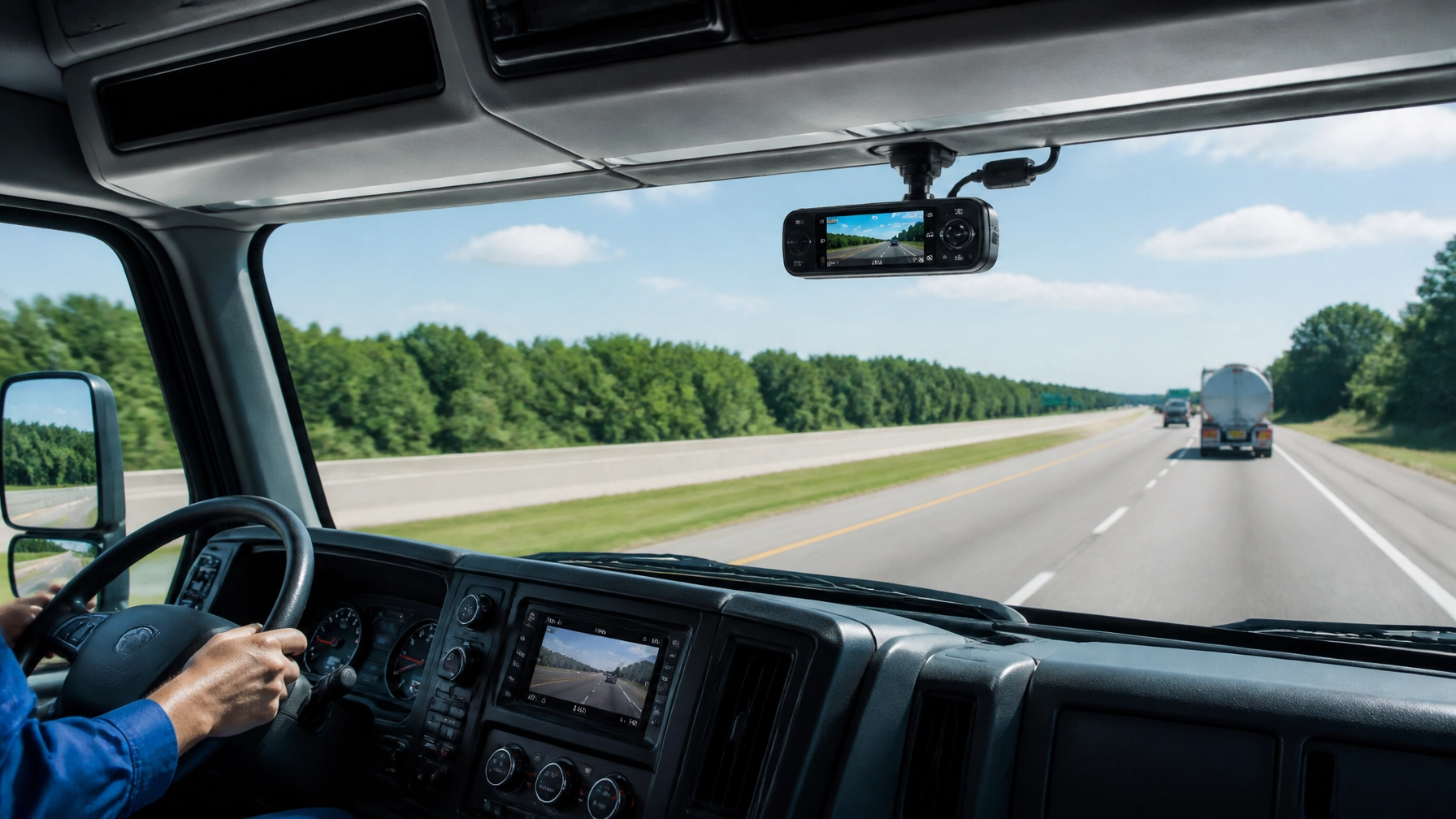
Mitigating the High Stakes: AI Dash Cams in Hazmat and Fuel Delivery
In the world of logistics, every load carries a degree of responsibility. However, for those in the fuel delivery and hazmat sectors, that responsibility is magnified exponentially. A single error on the road can transform a standard delivery into a catastrophic environmental and financial disaster. For fleet managers overseeing the transport of combustible or hazardous materials, the margin for error is effectively zero.
The stakes are high, but the technology to manage these risks has advanced rapidly. Modern AI fleet dash cameras are no longer just passive recording devices. They have evolved into proactive safety assistants that monitor, alert, and protect drivers in real-time. By integrating artificial intelligence into the cab, fuel delivery fleets can identify and mitigate the primary causes of accidents: fatigue and distraction: before they lead to a headline-making incident.
The Gravity of Hazmat Transport
Operating a fuel tanker requires a level of precision and focus that exceeds standard freight transport. These vehicles have high centers of gravity, fluid surges that affect braking, and a payload that is inherently dangerous. When a fuel truck is involved in a collision, the potential for “nuclear verdicts” and massive insurance payouts becomes a very real threat to the company’s survival.
Liability is a constant shadow for hazmat fleets. In the event of an accident, the legal burden often falls heavily on the carrier. Without objective evidence, a company is left to defend itself against eyewitness accounts and speculative claims. This is where fleet camera systems become an essential part of the business infrastructure. They provide the “silent witness” necessary to prove driver innocence and verify that safety protocols were followed.
How AI Dash Cameras Transform Fleet Safety
Traditional dash cameras provided video after the fact. While useful for accident reconstruction, they did little to prevent the accident from occurring in the first place. AI-enhanced systems changed this dynamic by adding a layer of intelligent analysis to the video feed.

These cameras use computer vision to analyze both the road ahead and the driver’s behavior inside the cab. They are programmed to recognize specific patterns that indicate risk. For example, if a driver’s eyes leave the road for an extended period or if they show signs of microsleep, the system can issue an immediate audible alert. This instant feedback loop allows the driver to correct their behavior in the moment, potentially saving lives.
At Safety Track, we emphasize that these solutions are not about surveillance; they are about protection. Our custom-tailored fleet solutions ensure that managers receive the data they need to coach drivers effectively while providing drivers with the tools they need to stay safe on long, demanding shifts.
Real-Time Fatigue Detection: A Critical Safeguard
Fatigue is a leading cause of accidents in the trucking industry, and it is particularly dangerous for fuel delivery drivers who often work irregular hours or early morning shifts. Drowsiness can impair a driver’s reaction time as much as alcohol consumption. In a hazmat scenario, even a one-second delay in braking can be the difference between a near-miss and a rollover.
Identifying the Signs of Drowsiness
AI dash cameras monitor several physical indicators of fatigue:
- Blink Rate and Duration: The system detects when a driver’s eyelids are staying closed for longer than normal intervals.
- Yawning Frequency: Repeated yawning can trigger a warning to the driver to consider a rest stop.
- Head Position: If a driver’s head begins to tilt or “nod” forward, the AI recognizes the onset of microsleep.
Moving from Reactive to Proactive
When the AI detects these symptoms, it doesn’t just record the event. It triggers an in-cab alert to wake or refocus the driver. Simultaneously, it can send a notification to the fleet manager. This allows the dispatcher to check in on the driver and determine if they need to be pulled off the road for a mandatory break. By addressing fatigue in real-time, fleets can significantly reduce the risk of lane departures and rear-end collisions.
Combating Distraction in the Cab
Distracted driving is a modern epidemic on the road. For a driver hauling 9,000 gallons of gasoline, a single glance at a mobile phone is an unacceptable risk. AI cameras are exceptionally effective at identifying and discouraging these behaviors.

A dual dash cam for fleets monitors both the road and the driver simultaneously. The AI can detect when a driver is:
- Using a handheld mobile device.
- Looking down at a lap-held device or paperwork.
- Eating or drinking while the vehicle is in motion.
- Smoking in restricted areas (critical for fuel haulers).
When the camera detects these actions, it creates a “coachable moment.” The video clip is saved and uploaded to the cloud, allowing safety managers to review the behavior with the driver later. Over time, this consistent feedback loop creates a culture of accountability. Drivers become more aware of their habits, leading to a measurable decrease in risky behaviors across the entire fleet.
Exoneration and Liability: The Financial Shield
The financial impact of a hazmat accident goes far beyond vehicle repair. It includes environmental cleanup, regulatory fines, and legal fees. Perhaps the most significant benefit of a robust camera system is its ability to reduce insurance costs and protect against false claims.
Protecting Against Nuclear Verdicts
The term “nuclear verdict” refers to jury awards that exceed $10 million. These are becoming increasingly common in cases involving commercial trucks. Often, these verdicts are fueled by a lack of evidence to counter a plaintiff’s narrative. When a fuel delivery fleet can produce high-definition video showing their driver was alert, following the speed limit, and reacting correctly to a situation caused by another motorist, the legal dynamic shifts instantly.
Faster Claims Settlements
Insurance companies favor fleets that use AI cameras because the data simplifies the claims process. Video evidence can exonerate a driver on the spot, preventing lengthy legal battles. In many cases, having this technology in place can lead to a 25% reduction in insurance costs because the insurer views the fleet as a lower risk.
Integrating AI into Your Fuel Delivery Operations
Implementing AI dash cameras is not a “one-size-fits-all” process. Each fuel delivery operation has unique challenges, from urban “tight-squeeze” deliveries to long-haul regional transport.

A successful implementation involves more than just mounting hardware. It requires a comprehensive approach to data management.
Real-Time Monitoring and Alerts
The most effective systems integrate with your existing telematics platform. This provides a unified view of vehicle location, speed, and safety events. Managers can set custom thresholds for alerts, ensuring they are only notified of the most critical incidents. This prevents “alert fatigue” and allows safety teams to focus their energy where it is needed most.
Asset and Maintenance Tracking
In the hazmat sector, the condition of the vehicle is just as important as the behavior of the driver. Combining AI cameras with maintenance tracking ensures that the trucks hauling dangerous payloads are always in peak operating condition. Tracking diagnostics helps prevent mechanical failures that could lead to accidents or leaks during transport.
Choosing the Right Partner for Hazmat Safety
When the stakes are this high, the reliability of your technology partner is paramount. Safety Track specializes in providing the specialized tools needed for high-consequence industries like fuel delivery and hazmat.

Our systems are designed to provide:
- AI-Enhanced Security: Continuous monitoring to ensure safety is always in sight.
- Custom Tailored Solutions: We understand that a fuel tanker fleet has different needs than a local delivery van.
- Significant Cost Reduction: By reducing accidents by up to 40% and fuel costs through better driving habits, our solutions pay for themselves.
The transition to AI-powered safety is a significant step forward for any fleet. It demonstrates a commitment to driver well-being, public safety, and the long-term viability of the business. In the hazmat world, being proactive isn’t just a strategy: it’s a necessity.
Securing the Future of Hazmat and Fuel Delivery Safety
The transport of fuel and hazardous materials will always carry inherent risks. However, the introduction of AI dash cameras has provided fleet managers with a powerful set of tools to manage those risks more effectively than ever before. By focusing on the root causes of accidents: fatigue and distraction: and providing the evidence needed for legal exoneration, these systems protect the driver, the payload, and the company’s bottom line.
If you are ready to elevate the safety standards of your fuel delivery fleet, now is the time to explore the benefits of AI-enhanced monitoring. The high stakes of your industry demand nothing less than the best protection available.

Tyler Schneider is the IT Director at Safety Track, overseeing the company’s technological infrastructure and innovations. With a strong background in information technology and systems management, Tyler ensures that Safety Track stays at the forefront of tech solutions in fleet management. His strategic expertise supports the seamless integration of technology across the company’s operations.