
AI Camera Data: The New Gold Standard for Fleet Management
For decades, Global Positioning System (GPS) technology has been the backbone of fleet management. It allowed managers to see where their trucks were, how fast they were going, and whether they were staying on schedule. It was a revolution in visibility. But as the legal and insurance landscapes have evolved, particularly with the rise of “nuclear verdicts” and sophisticated insurance fraud, GPS data has reached its functional limit.
In 2026, knowing where an accident happened is no longer enough. To protect your bottom line and your drivers, you need to know exactly how and why it happened. This shift in requirement has moved the gold standard of evidence from simple telematics to advanced video telematics solutions. While GPS provides the coordinates, AI-enhanced cameras provide the truth.
The “Word vs. Word” Dilemma: Why GPS Isn’t Enough
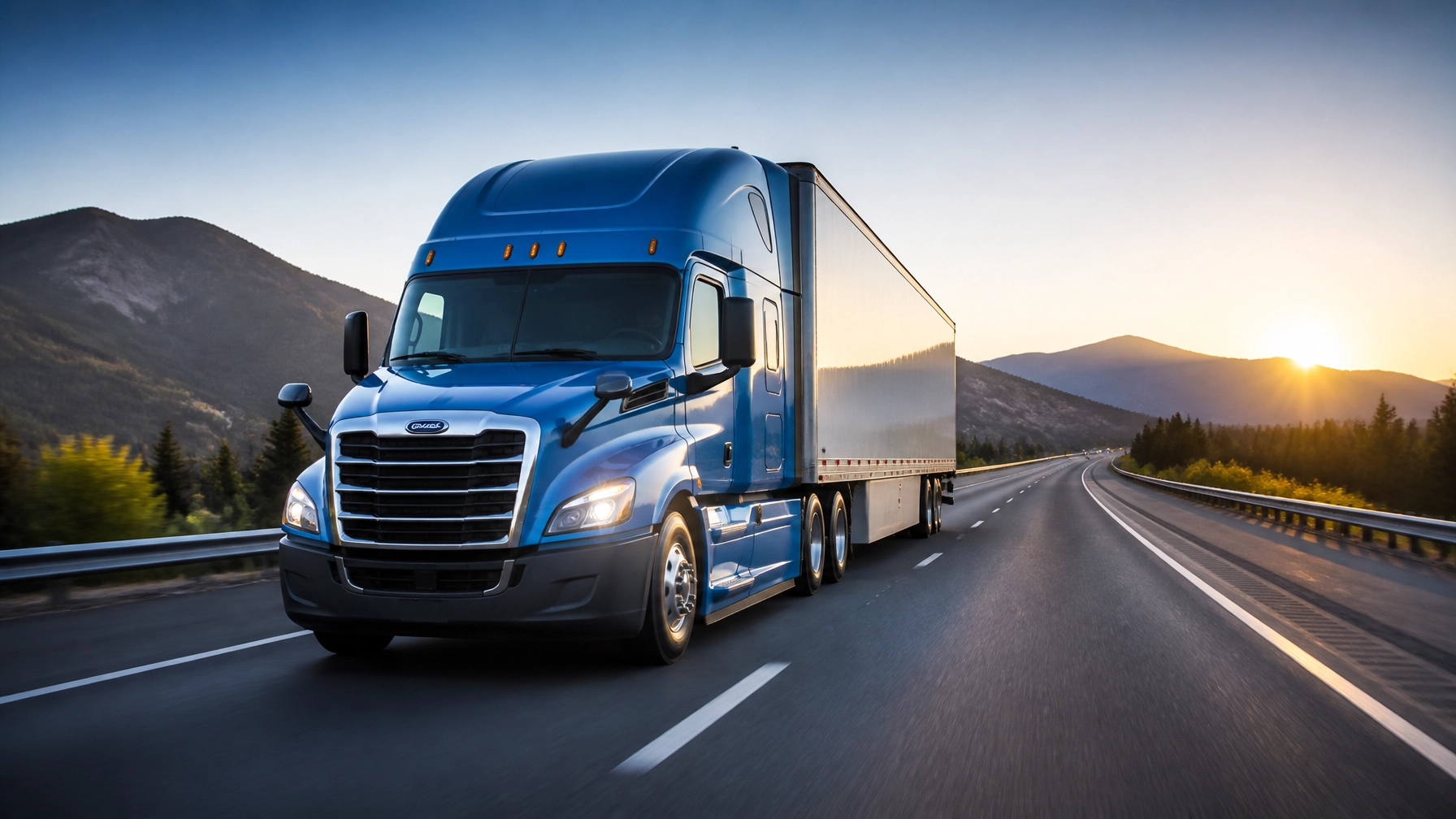
Imagine a scenario where one of your drivers is traveling down a multi-lane highway in a Freightliner Cascadia. A passenger vehicle suddenly swerves into the truck’s lane and slams on the brakes. Your driver reacts instantly, but the weight of the load makes a collision unavoidable.
When the police arrive, the other driver claims your employee was tailgating and distracted. Your GPS data confirms the location, the speed (which was within the limit), and a “harsh braking” event. However, it cannot show the passenger car’s erratic swerve. In the eyes of an insurance adjuster or a jury, the GPS data is neutral. It doesn’t exonerate your driver; it merely provides a digital breadcrumb trail.
Without visual proof, these situations often devolve into “word vs. word” disputes. In the trucking industry, the commercial vehicle is frequently presumed guilty until proven innocent. This lack of context leads to “he-said, she-said” settlements where fleets pay out thousands of dollars simply to avoid the even higher costs of prolonged litigation. This is why a basic dash cam for commercial trucks is no longer a luxury: it is a legal necessity.

How AI Dash Cameras Transform Evidence
The transition from traditional recording to an AI-powered commercial dash cam system changes the nature of fleet data. Standard cameras record footage, but they require a human to sift through hours of video to find a ten-second clip. AI-enhanced systems, like those offered by Safety Track, are proactive rather than reactive.
1. Instant Event Categorization
AI cameras use computer vision to analyze the road environment in real-time. They don’t just trigger during a crash; they identify risky behaviors such as tailgating, lane drifting, or rolling through stop signs. When an actual incident occurs, the AI instantly flags the footage, categorizes it, and uploads the relevant clip to the cloud. This allows fleet managers to access video telematics solutions that confirm crashes within minutes, not days.
2. Contextual Telematics
When video is synchronized with GPS and engine data, it creates a “black box” for the road. You can see the exact speed, braking pressure, and steering input overlaid on the video of what the driver saw. This integrated approach is the foundation of the ultimate guide to a truck camera system with GPS, ensuring that high-value assets are protected by more than just a dot on a map.
3. Driver Behavior Verification
False claims aren’t always about the accident itself; sometimes they are about the driver’s state. Allegations of phone use or drowsiness are common tactics used by plaintiff attorneys. AI cameras with inward-facing lenses (which can be configured for privacy) use edge computing to detect signs of fatigue or distraction. If your driver was focused on the road, the AI provides the irrefutable evidence needed to shut down claims of negligence immediately.

Protecting Drivers from Staged Accidents and Fraud
Insurance fraud is a multi-billion dollar drain on the transportation industry. Techniques like the “swoop and squat”: where two cars coordinate to force a truck into a rear-end collision: are designed specifically to exploit the lack of visibility around large commercial vehicles.
GPS data often supports the fraudster’s narrative in these cases, showing only that the truck struck the car from behind. However, an AI-powered commercial dash cam system captures the coordination of the vehicles involved. It sees the “swoop” car cutting off the “squat” car, proving the intent to cause an accident.
By providing this evidence to insurance providers early in the process, fleets can often stop fraudulent claims before they ever reach a courtroom. This proactive defense is a primary reason why AI fleet safety cameras are a game-changer for insurance renewals. Underwriters are increasingly rewarding fleets that can prove their commitment to safety with hard video data.
The Financial Impact: Lowering Premiums and Payouts
The ROI of a high-quality dash cam for commercial trucks is measured in more than just avoided settlements. It has a direct impact on the fixed costs of running a fleet.
- Reduced Insurance Costs: Safety Track clients often see up to a 25% reduction in insurance costs. Why? Because video evidence reduces the “reserve” funds insurers must set aside for open claims. When a claim can be closed in a week rather than a year, the savings are passed down to the fleet.
- Exoneration vs. Settlement: The cost of an average commercial truck accident can exceed $100,000, even without serious injuries. If video evidence can exonerate a driver in just one of these incidents, the system has paid for itself multiple times over across the entire fleet.
- Lower Accident Frequency: AI doesn’t just record accidents; it prevents them. By providing real-time alerts for following distance and lane departures, our systems help fleets achieve up to 40% fewer accidents. Fewer accidents mean fewer claims, lower premiums, and less downtime.

Real-World Scenarios: Video as the Ultimate Exoneration Tool
Consider the difference in these two outcomes for a fleet manager:
Scenario A: GPS Only
A third-party witness claims your truck clipped a parked car in a narrow delivery zone. Your GPS shows the truck was in that zone at that time. The driver denies hitting anything, but there is a scratch on the trailer. Without video, your insurance company settles the claim for $5,000 to avoid legal fees. Your premium goes up at the next renewal.
Scenario B: AI Video Telematics
The same claim is made. You log into your Safety Track portal and pull the “side-view” and “rear-view” AI footage from that specific timestamp. The video shows a different vehicle: a white delivery van: striking the parked car ten minutes before your truck arrived. You send the clip to the claimant and their insurance company. The claim is dropped instantly. Your driver’s record stays clean, and your premium remains stable.
This is the reality of modern fleet management. In the first scenario, you are a victim of circumstance. In the second, you are in total control of your liability. By avoiding common mistakes with AI fleet safety cameras, you ensure that your data is always working for you.
Integrating AI Cameras into Your Safety Culture
A common hurdle for many fleet owners is driver pushback. Drivers often view cameras as “Big Brother.” However, when framed correctly, video is the driver’s best friend. It is the only tool that can prove they were doing their job correctly when someone else makes a mistake.
Professional drivers take pride in their skills. Using video telematics solutions to highlight great saves and professional maneuvering builds a culture of accountability and recognition. At Safety Track, we emphasize that our solutions are custom-tailored to the client’s operations, ensuring that the technology supports the team rather than just monitoring them.

Conclusion: Moving Beyond the Dot on the Map
GPS was a great start, but in the modern era of high-stakes litigation and rising insurance premiums, it is no longer the gold standard. The ability to provide irrefutable video evidence is what separates profitable, protected fleets from those at risk of a single false claim causing financial ruin.
At Safety Track, we provide more than just hardware. We provide a complete fleet management solution, including AI-enhanced dash cameras, asset tracking, and real-time monitoring. Our mission is to help you reduce costs, protect your drivers, and keep your business moving forward with the most accurate data available.
Ready to protect your fleet with the new gold standard of evidence?
Contact Safety Track today to learn how our custom-tailored AI camera solutions can reduce your accidents by up to 40% and secure your bottom line.

Tyler Schneider is the IT Director at Safety Track, overseeing the company’s technological infrastructure and innovations. With a strong background in information technology and systems management, Tyler ensures that Safety Track stays at the forefront of tech solutions in fleet management. His strategic expertise supports the seamless integration of technology across the company’s operations.