

How Predictive Analytics Enhances Fleet Safety Measures
Preventing Fleet Accidents with Predictive Analytics
By Tyler Schneider, Safety Track
Predictive analytics has emerged as a transformative force in fleet safety management, leveraging real-time data to prevent accidents before they occur. With the increasing complexity of transportation operations, fleet managers face escalating safety challenges, often exacerbated by human error and vehicle maintenance issues. This article explores how predictive analytics harnesses data from various sources to enhance decision-making and improve safety outcomes. We’ll delve into the technologies involved in predictive analytics, examine its benefits for fleet management, and consider real-world applications across multiple industries.
Technologies Involved
Predictive analytics relies on a combination of technologies to process and analyze data effectively. Key components include telematics systems, which gather data from vehicles in real time, and machine learning algorithms that analyze this data to identify patterns related to risk. Artificial intelligence plays a crucial role in making sense of vast amounts of data, enabling predictive models to forecast potential accidents or safety violations. Furthermore, video telematics enhances driver monitoring by providing visual evidence that can be analyzed alongside other data points.
Benefits for Fleet Management

Implementing predictive analytics can significantly improve fleet safety and efficiency. Here are some of the robust advantages fleet operators can gain by integrating these technologies:
- Proactive Risk Management: Predictive analytics allows fleet managers to anticipate and mitigate risks before they result in accidents.
- Improved Driver Safety: By analyzing driving behavior, companies can offer targeted training and interventions to enhance driver performance.
- Predictive Maintenance Capabilities: Data insights can indicate when maintenance is due, helping to avoid breakdowns and accidents.
- Real-Time Monitoring Benefits: Fleet managers can receive instant updates on vehicle status and driver behavior, enabling swift responses to potential issues.
- Cost-Saving Implications: By preventing accidents and improving operational efficiencies, predictive analytics can result in substantial cost savings for fleet operators.
Fleet Management is greatly enhanced through the use of predictive analytics offerings by companies like Safety Track, which focuses on providing innovative solutions tailored to improve fleet safety outcomes.
Real-World Applications
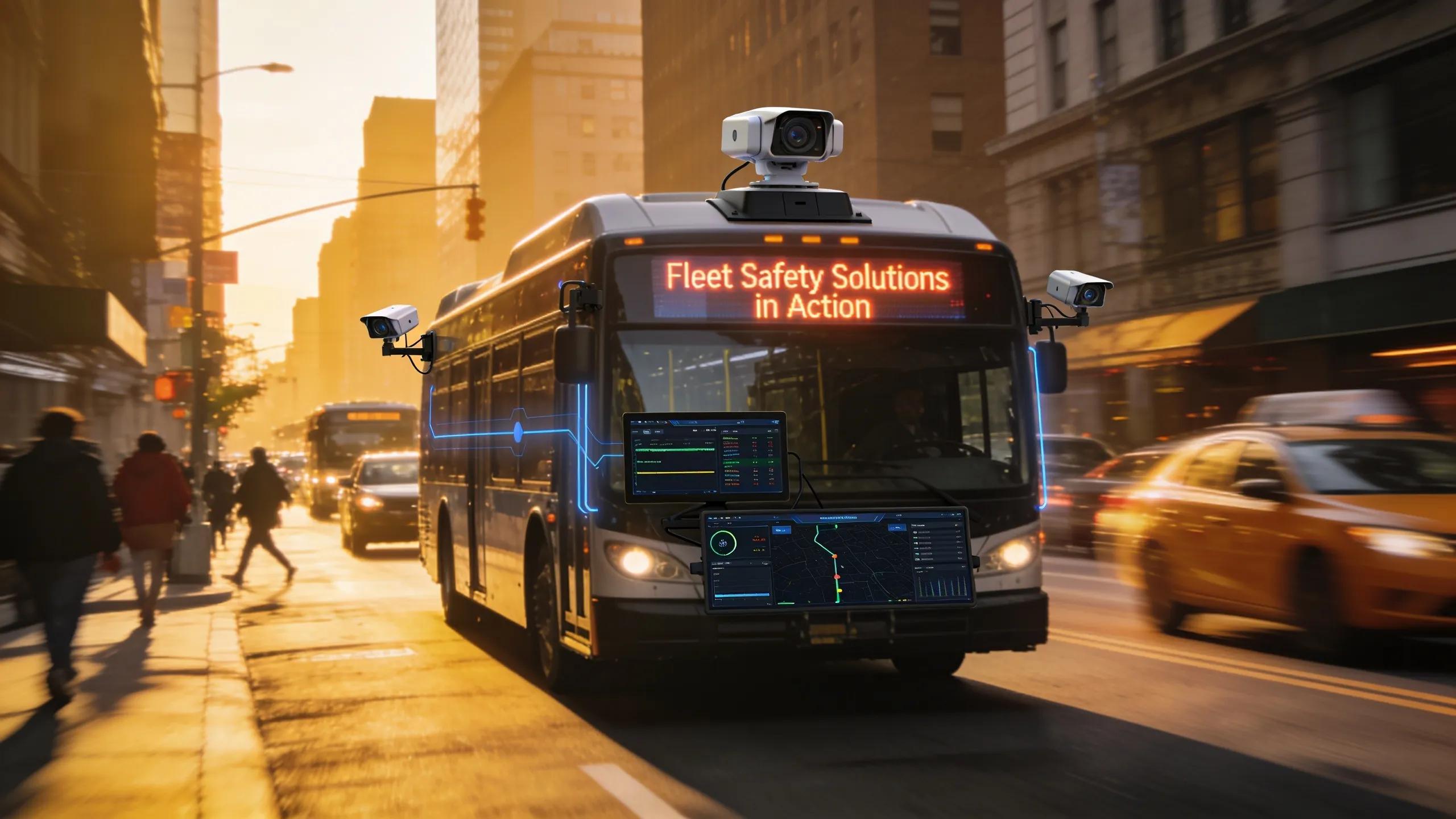
The implementation of predictive analytics in fleet safety is increasingly evident across various sectors, showcasing its versatility and effectiveness. Here are some notable applications:
- Public Transportation: Cities are integrating predictive analytics to monitor bus driver safety and optimize routes based on real-time traffic data.
- Logistics and Delivery Forecasting: Companies are employing predictive models to anticipate delivery delays or vehicular malfunctions to recalibrate logistics plans.
- Use in Construction Fleets: Predictive analytics is utilized to monitor heavy machinery operation, aiming to enhance safety and reduce downtime.
- Monitoring in Food Distribution: Fleet operators are leveraging analytics to ensure compliance with safety standards and improve the integrity of refrigerated transport.
By establishing predictive analytics as a foundational component of fleet management, companies can adapt their operations according to current trends and technological advances, improving overall safety standards.
What is Predictive Analytics in Fleet Safety and How Does It Work?
Predictive analytics plays a pivotal role in enhancing fleet safety by analyzing historical data to forecast future events. It uses various data points—such as driver behavior, vehicle performance, and environmental factors—to develop models that predict potential safety issues before they arise.
Definition and Key Components of Predictive Analytics
Predictive analytics in fleet safety refers to methods that leverage statistical models and machine learning techniques to analyze patterns in data and anticipate outcomes. Key components include data collection through telematics, behavioral analysis that focuses on driver performance, and real-time monitoring systems to capture live data feeds essential for timely intervention.
How Telematics Data Integrates into Risk Modeling
Telematics data is instrumental in shaping risk modeling for fleet management. By integrating data such as vehicle speed, braking patterns, and route information, fleet operators can establish a comprehensive risk profile that aids in making informed safety decisions. This integration not only enhances predictive accuracy but also enables tailored safety interventions that target specific risk factors.
How Does Driver Behavior Analytics Reduce Accident Risks?
Driver behavior analytics fundamentally alters safety strategies in fleet management by highlighting areas of concern. Key metrics tracked include speed violations, harsh braking, and acceleration patterns. Through detailed analysis, fleet managers can implement training programs that specifically address problematic driving habits, thus lowering accident risks significantly.
Understanding Driver Risk Scoring and Thresholds
Driver risk scoring quantifies the likelihood of an accident based on behavioral metrics. Each driver is assigned a score reflecting their performance history, which helps managers identify high-risk individuals. Understanding these thresholds enables proactive engagement, such as coaching or retraining sessions necessary to mitigate driving risks effectively.
What Are the Benefits of Real-Time Alerts for Fleet Managers?
Real-time alerts are an essential feature of predictive analytics, providing fleet managers with immediate notifications regarding potential safety violations or vehicle issues. Benefits include: real-time fleet video telematics.
- Incident Response Improvements: Managers can proactively respond to risky situations before they escalate.
- Driver Accountability Enhancement: Instant notification holds drivers more accountable for their actions behind the wheel.
- Compliance Benefits: Real-time monitoring ensures compliance with safety regulations and helps mitigate liability risks.
What Are the Measurable Impacts of Predictive Analytics on Fleet Safety?
The measurable impacts of predictive analytics on fleet safety are characterized by significant reductions in accident rates and associated costs. Numerous studies indicate that fleets utilizing predictive models experience a decrease in accidents by up to 10-20%. This not only translates to safer operations but also results in lower insurance premiums and better driver retention rates.
Case Studies Demonstrating Safety Track’s Predictive Solutions
Safety Track’s predictive solutions have demonstrated profound safety improvements in several field implementations. For instance, a case study revealed a fleet that adopted Safety Track’s analytics saw a 15-25% reduction in accidents over a year, providing a clear illustration of how proactive risk management can transform operational safety.
How Do Safety Track’s Predictive Analytics Integrate with Existing Fleet Management Software?
Safety Track’s predictive analytics easily integrate with existing fleet management software, allowing companies to enhance their operational frameworks without needing complete system overhauls. Integration facilitates improved data sharing, streamlined operations, and a unified approach to fleet safety management.
Compatibility with Fleet Telematics Safety Platforms
Safety Track’s systems are designed to be compatible with various fleet telematics platforms, ensuring seamless integration into existing setups. This compatibility enables the easy sharing of telematics data across platforms which enhances the overall efficiency of fleet operations.
Customizable Risk Scoring and Actionable Alerts Features
One of the distinguishing features of Safety Track’s predictive analytics is its customizable risk scoring. This adaptability allows fleet managers to define alert parameters that reflect unique operational needs, thereby enhancing the specificity and actionability of the insights generated.
What Industry Trends and Future Developments Are Shaping Predictive Fleet Safety?
The landscape of predictive analytics in fleet safety continues to evolve with emerging trends that promise to shape the industry further. Understanding these trends is critical for fleet managers aiming to stay ahead in safety innovations.
Advances in AI and Machine Learning for Fleet Accident Prevention
Recent advances in artificial intelligence (AI) and machine learning are revolutionizing fleet accident prevention strategies. These technologies facilitate more sophisticated predictive models that not only analyze historical data but also adapt in real time to changing conditions, thereby making predictions more accurate.
Regulatory Compliance and Growing Adoption in Logistics Operations
As regulatory frameworks surrounding fleet safety evolve, there is an increasing adoption of predictive analytics to ensure compliance. Fleet managers benefit from real-time insights that help navigate complex regulations and improve adherence to safety standards as they pertain to data-driven safety measures.
Frequently Asked Questions
1. How can predictive analytics enhance fleet maintenance schedules?
Predictive analytics enhances fleet maintenance schedules by utilizing data from telematics systems to predict potential vehicle failures before they occur. By analyzing patterns related to vehicle performance, such as engine temperature and wear indicators, fleet managers can schedule maintenance proactively rather than on a reactive basis. This not only prevents unexpected breakdowns but also optimizes maintenance costs by ensuring that repairs are conducted when necessary, ultimately increasing the longevity and reliability of fleet vehicles.
2. What types of data are most important for effective predictive analytics?
Effective predictive analytics relies on a variety of data sources, including telematics data (e.g., speed, braking patterns), driver behavior data (such as acceleration and cornering), vehicle maintenance history, and environmental conditions (like weather patterns). By combining these data points, predictive models can accurately forecast potential risks and safety violations. The integration of diverse data types enhances the precision of predictions, allowing fleet managers to respond proactively and implement tailored safety measures.
3. What are some common challenges in implementing predictive analytics in fleet management?
Despite its benefits, implementing predictive analytics can pose challenges, including data integration complexities, ensuring data accuracy, and the need for adequate training for staff. Fleet managers may struggle to unify disparate data sources and require effective software tools to analyze and interpret the data correctly. Additionally, fostering a culture that supports data-driven decision-making is essential to overcome resistance to change and ensure the effective utilization of predictive maintenance for safety improvements.
4. How does predictive analytics contribute to driver training programs?
Predictive analytics plays a crucial role in enhancing driver training programs by identifying specific areas of concern through data analysis. Metrics such as speeding infractions, hard braking, and unsafe lane changes can highlight problematic driving behaviors. Fleet managers can create targeted training sessions focused on these areas, significantly improving driver awareness and safety. As a result, personalized training can lead to better driving habits, reduced accident rates, and improved overall fleet safety performance.
5. Are there industry-specific benefits of predictive analytics beyond fleet safety?
Yes, there are numerous industry-specific benefits of predictive analytics beyond enhancing fleet safety. For instance, in logistics, it can aid in optimizing delivery routes based on real-time traffic data, improving efficiency and reducing delays. In construction, predictive analytics can monitor equipment usage to schedule maintenance and minimize downtime. These applications not only enhance operational efficiency but also contribute to cost savings and improved service delivery across various sectors.
6. How does technology adoption impact fleet safety practices?
Technology adoption significantly impacts fleet safety practices by enabling data-driven insights and real-time monitoring. As fleets increasingly rely on telematics and predictive analytics, they can make informed decisions to mitigate risks effectively. Enhanced technology allows for immediate notifications regarding unsafe driving behaviors and vehicle malfunctions, helping fleet managers intervene promptly. Consequently, the integration of advanced technology fosters a proactive safety culture within organizations, ultimately leading to lower accident rates.
7. What role do regulatory changes play in shaping predictive analytics in fleet safety?
Regulatory changes play a vital role in shaping the implementation of predictive analytics in fleet safety. As regulations evolve to emphasize data-driven accountability and safety standards, fleet managers are encouraged to adopt predictive technologies to maintain compliance. This shift leads to increased investment in technology that improves safety metrics and ensures adherence to legal obligations. Staying abreast of regulatory updates allows fleets to utilize predictive analytics effectively to navigate compliance while enhancing their safety protocols.
Conclusion
Predictive analytics is revolutionizing fleet safety by enabling proactive risk management, enhanced driver accountability, and significant cost savings. These technologies empower fleet managers to make data-driven decisions that optimize operations and improve safety outcomes effectively. To stay ahead in fleet management, integrating predictive analytics into your safety strategies is indispensable. Discover how our innovative solutions can transform your fleet operations today!
Jeff Stoker is the CEO and founder of Safety Track, a company he established in 2002. With over two decades of leadership in fleet management solutions, Jeff has guided Safety Track from a pioneering vision to a trusted industry leader. His innovative mindset and commitment to excellence continue to drive the company’s growth and impact.