
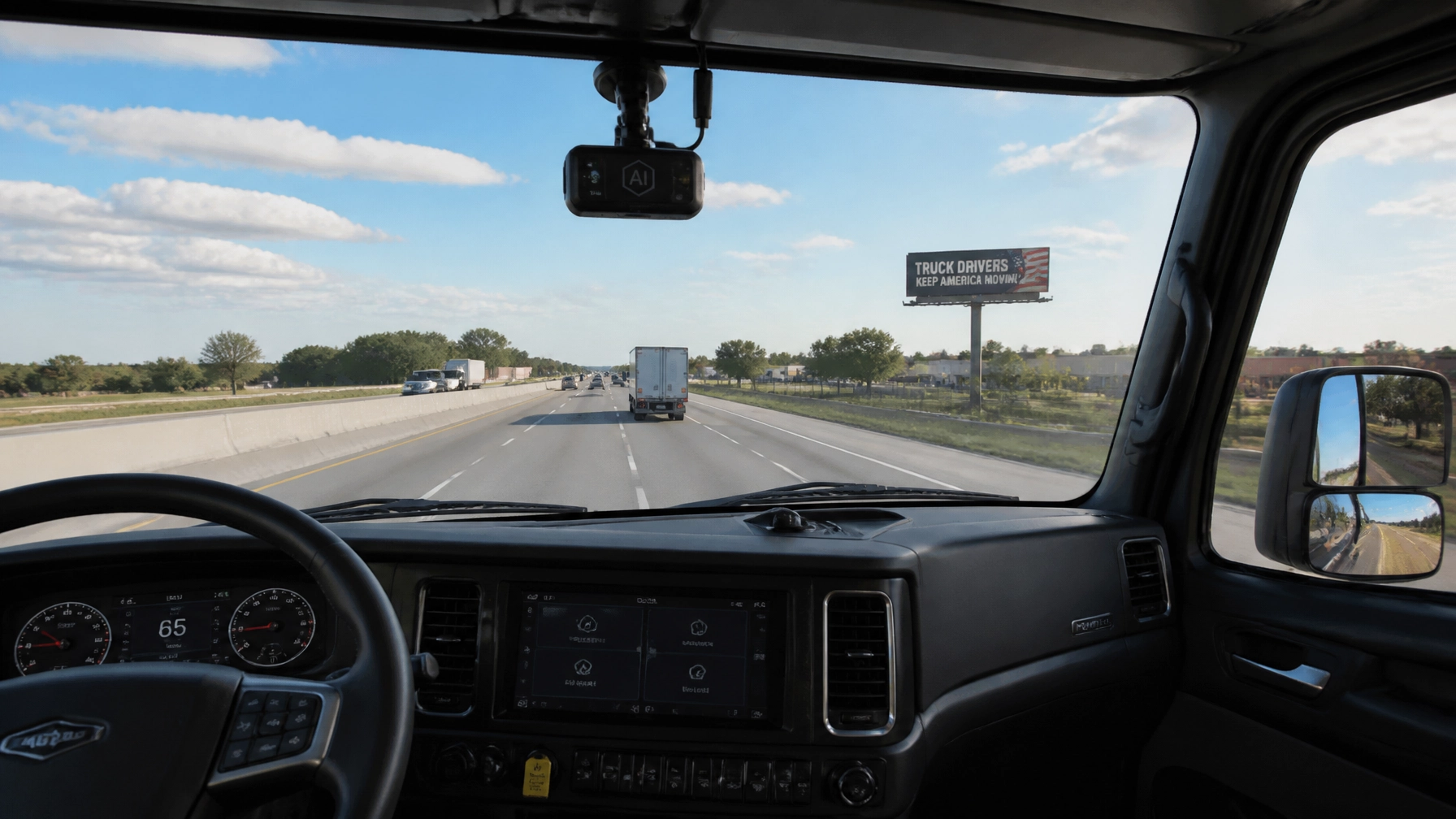
How to Get Your Drivers to Want Dash Cams: A Fleet Manager’s Playbook
Introducing new technology into a commercial fleet is rarely friction-free. When fleet managers announce the installation of dash cameras, the initial reaction from drivers is often immediate skepticism. Words like “surveillance,” “micromanagement,” and “Big Brother” quickly enter the conversation.
If approached purely as a monitoring tool, pushback is guaranteed. However, when framed correctly, dash cameras transform from a point of contention into a welcome asset. Professional drivers face aggressive motorists, staged accidents, and false liability claims every single day on the road.
Winning driver buy-in requires shifting the narrative entirely. Cameras are not installed to police drivers; they are installed to protect them.
1. Frame Dash Cams as Driver Protection, Not Punishment
The single most effective way to overcome driver resistance is to demonstrate how the technology directly benefits them. Commercial drivers take pride in their craft and clean driving records. Yet, when an incident occurs on a busy interstate or at a tight loading dock, word-of-mouth testimony often fails against a litigious plaintiff.
Advanced AI dash cameras for fleets act as an unblushing eyewitness that never blinks. When another motorist cuts off a semi-truck and slams on their brakes, video evidence immediately proves who was at fault.

Share real, anonymized exoneration clips during team meetings. Show drivers how video evidence prevents unwarranted citations, protects commercial driver’s licenses (CDLs), and saves jobs. When drivers realize that footage exonerates them from fraudulent claims within minutes instead of months, resistance turns into relief.
2. Communicate Early and Openly Before Installation
Surprise rollouts breed distrust. Announcing a camera installation program via a brief memo or email leaves too much room for speculation and anxiety.
Successful fleet managers hold open discussions or small-group sessions well before any hardware is mounted. Transparency sets the baseline for trust. Explain clearly what the system records, where the data goes, and under what specific conditions footage is reviewed.
Address privacy concerns head-on. Be explicit about policies:
- Access Control: Who is permitted to view recorded events?
- Trigger Events: What specific incidents (such as harsh collisions or emergency maneuvers) pull footage for review?
- Storage Limits: How long is video retained before it is automatically overwritten?
When drivers understand the rules of engagement and know that normal driving goes unmonitored, the fear of constant surveillance evaporates.
3. Launch a Pilot Program with Trusted Drivers
Change is easier to digest when championed by peers rather than mandated from a corporate office. Instead of outfitting the entire fleet overnight, begin with a structured 30-day pilot program.
Select a small group of respected, senior drivers and equip their vehicles first. Give them full visibility into how the system operates and invite their honest feedback. Often, these veteran drivers experience a near-miss or a disputed claim during the pilot phase.
When those pilot drivers return to the breakroom and explain how the system cleared their name, organic advocacy takes root. Coupled with reliable live streaming camera solutions, operations teams gain real-time visibility while drivers gain peace of mind knowing backup is always rolling.

4. Build a Coaching-First Culture
If drivers suspect that every minor harsh braking event or rolling stop results in a write-up, they will resent the technology. Technology should serve as a teacher, not a prosecutor.
Establish a clear, non-punitive coaching policy before turning on advanced alert features. Position video footage as a training resource designed to refine skills, reduce fatigue-related risks, and keep everyone coming home safe.
During one-on-one coaching sessions, review clips collaboratively:
- Focus on external hazards rather than driver fault.
- Ask the driver what they noticed and how they might handle the situation differently.
- Celebrate smart defensive driving moments captured on camera just as often as you discuss near-misses.
When managers use data to support driver development rather than enforce arbitrary discipline, engagement naturally rises.
5. Gamify Safety and Share the Financial Wins
Safety initiatives should yield tangible rewards for the people driving the revenue. Fleet operations achieve significant cost reductions through video telematics: including up to 40% fewer accidents and 25% lower insurance costs due to eliminated false claims.
Share these milestones with your team. When insurance savings improve the company’s bottom line, tie those financial wins back to driver performance through safety bonuses, gift cards, or preferred route selections.

Gamify safety scores with transparent leaderboards. Allow drivers to track their own progress, view their coaching improvements, and compete for monthly recognition. Transforming safety into a shared achievement turns the entire fleet into a cohesive, high-performing unit.
Empower Your Fleet with Safety Track
Getting drivers to embrace dash cameras requires shifting the focus from monitoring risk to empowering professionals. With the right tools, transparent policies, and a coaching-first mindset, your team will view technology not as an intruder in the cab, but as their greatest ally on the road.
At Safety Track, we provide custom tailored fleet management solutions designed to protect your drivers, lower your liability, and streamline your operations. Contact our team today to discover how our advanced camera systems can elevate your entire fleet.

Tyler Schneider is the IT Director at Safety Track, overseeing the company’s technological infrastructure and innovations. With a strong background in information technology and systems management, Tyler ensures that Safety Track stays at the forefront of tech solutions in fleet management. His strategic expertise supports the seamless integration of technology across the company’s operations.