
2027 Season Prep: Why AI Dash Cams Are No Longer Optional for Lawn Care Fleets
Lawn care businesses are already planning for the 2027 season. Fleet owners are reviewing equipment, hiring needs, service routes, insurance renewals, and growth targets. One decision deserves equal attention: whether every company vehicle should use an AI dash camera.
For lawn care fleets, AI dash cameras are no longer an optional add-on. Rising commercial auto insurance costs, driver shortages, equipment theft, customer demands for accountability, and false claims create too much risk for businesses operating without reliable video evidence.
A properly configured camera system gives owners and fleet managers visibility before, during, and after an incident. It also creates a stronger safety program that protects drivers, customers, vehicles, equipment, and profit margins.
Why 2027 Planning Must Include Fleet Visibility
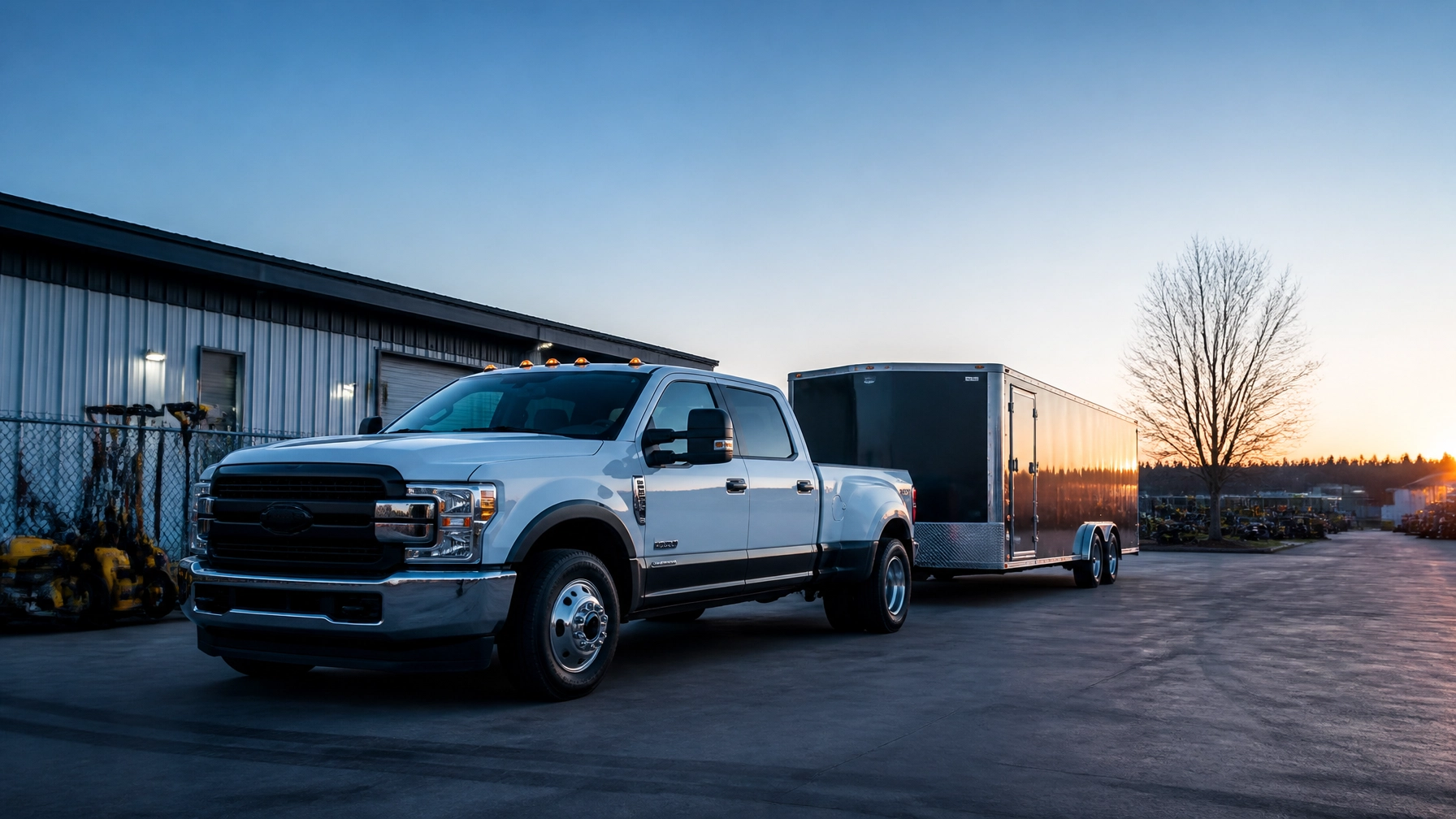
Lawn care vehicles operate in demanding conditions. Crews drive through residential neighborhoods, navigate tight driveways, tow enclosed trailers, and make frequent stops near pedestrians, parked vehicles, landscaping features, and customer property.
A single incident can create several costs:
- Vehicle repairs and downtime
- Trailer or equipment damage
- Workers’ compensation or liability concerns
- Higher insurance premiums
- Customer disputes
- Lost service revenue
- Damage to the company’s reputation
Traditional GPS tracking shows where a vehicle traveled. A standard camera records what happened in front of the vehicle. An AI dash camera adds another layer by identifying risky driving behaviors and helping managers respond before a minor issue becomes a major claim.
Lawn care owners preparing for 2027 should treat video telematics as part of the fleet’s core operating system, not as a device installed only after an accident.
1. Control Rising Insurance Costs With Better Evidence
Commercial auto insurance remains a major operating expense for lawn care businesses. Trucks and trailers spend long hours on the road, often in crowded neighborhoods and unfamiliar service areas. Frequent stops and towing activity also increase exposure to preventable incidents.
Insurance carriers and claims adjusters need clear documentation when an accident occurs. Without video, a claim can depend on conflicting statements. That uncertainty can delay resolution and increase legal and settlement costs.
An AI dash camera provides objective evidence of:
- Road conditions before an incident
- Driver actions and attention
- Sudden braking or acceleration
- Lane movement and following distance
- The actions of other vehicles
- The exact sequence of events
Safety Track’s AI dash cameras for fleets are designed to support real-time monitoring, event recording, and driver safety. With clear footage and related telematics data, fleet managers can provide insurers with facts instead of assumptions.
Video evidence does not eliminate every claim or guarantee a discount. It does, however, give a lawn care company a stronger position during claims reviews and insurance negotiations. Safety Track reports potential insurance savings of up to 25% for fleets using video evidence to reduce false claims and liability exposure.
2. Address the Driver Shortage With Active Coaching
Hiring and retaining qualified commercial drivers continues to challenge service businesses. Lawn care companies often rely on seasonal workers, newer drivers, and crews operating independently across multiple routes.
Managers cannot ride with every driver or review every trip manually. AI dash cameras help close that visibility gap.
Forward-facing AI cameras can identify events such as:
- Forward collision risks
- Lane departure
- Following too closely
- Harsh braking
- Rapid acceleration
- Distracted driving
- Phone use
- Driver fatigue
The system can issue in-cab alerts when appropriate. Managers can also use recorded events to conduct targeted coaching instead of delivering broad reminders to the entire team.
This approach improves the driver experience. Safe drivers receive objective support when they are involved in an incident. Drivers who need additional training receive specific examples and clear expectations.
A strong coaching process should follow three steps:
- Review the event without jumping to conclusions.
- Discuss the behavior with the driver promptly.
- Document the coaching and follow up on improvement.
The goal is not constant punishment. The goal is consistent safety habits across every crew and route. For businesses working with a smaller driver pool, helping each driver perform safely and efficiently is essential to maintaining capacity.

3. Protect Trucks, Trailers, and Lawn Care Equipment
Lawn care fleets carry valuable, portable equipment. Zero-turn mowers, trimmers, blowers, edgers, sprayers, and other tools can represent a significant investment. A stolen trailer or truck can also interrupt multiple customer routes at once.
AI dash cameras work best as part of a broader security plan. Combining cameras with GPS tracking and asset tracking gives managers a clearer view of where vehicles and equipment are located.
A 2027 theft-prevention plan should include:
- GPS trackers on trucks and trailers
- Asset tracking for high-value non-powered equipment
- Geofenced company yards and storage locations
- After-hours movement alerts
- Secure trailer locks and storage procedures
- Driver and crew equipment check-in and check-out
- Camera coverage for vehicle interiors and exterior blind spots
Safety Track’s fleet safety cameras include forward-facing, driver-monitoring, rear, side, and interior camera options. The 20-Series lineup includes weather-sealed expansion cameras for exterior coverage and infrared night vision for low-light recording.
A camera will not replace a lock, secure yard, or asset tracker. It strengthens those controls by showing what happened around a vehicle and helping managers respond faster when an unauthorized movement occurs.
4. Meet Customer Expectations for Accountability
Customers expect lawn care providers to be reliable, professional, and accountable. Commercial property managers, homeowners’ associations, municipalities, and high-value residential customers want confidence that crews will arrive on schedule and protect the property.
Disputes can arise over:
- Whether a crew arrived
- How long the crew remained on site
- Damage to a sprinkler head or hardscape
- Trailer contact with a fence or driveway
- Vehicle movement near a customer’s property
- Pre-existing property damage
- Missed or incomplete service
GPS tracking can verify arrival and departure times. Video can add context when a dispute involves vehicle movement or an alleged incident on the road.
Managers can also strengthen documentation by combining:
- GPS route history
- Dash camera footage
- Before-and-after property photos
- Digital service notes
- Crew assignments
- Time-stamped job completion records
This information helps resolve disputes professionally. It also demonstrates that the lawn care company has a repeatable process for protecting customer property.
For businesses competing for 2027 contracts, accountability can become a competitive advantage. A company that can demonstrate route visibility, driver safety, and incident documentation presents less risk to commercial clients.
5. Build a 2027 Fleet Safety Program Before the First Route
Installing cameras is only the first step. The technology creates the most value when it supports a documented safety program.
Before the 2027 season begins, lawn care owners should establish clear policies for:
- Camera placement and coverage
- Driver privacy and notification
- Video access and retention
- Event review procedures
- Coaching and corrective action
- Incident reporting
- Maintenance and camera inspections
- Data security and authorized users
Managers should explain why the system is being installed. Drivers need to understand that AI dash cameras protect them as well as the company. The system provides evidence when another driver causes a collision, supports fair investigations, and identifies hazards before they result in injury or damage.
It is also important to test each camera before peak operations begin. Confirm that:
- The camera is securely mounted
- The lens is clean and properly aimed
- GPS data is available
- In-cab alerts function correctly
- Night vision performs as expected
- Video uploads or storage work properly
- Drivers know how to report a system issue
A pre-season technology check prevents avoidable gaps during the busiest months.

A Practical 2027 Implementation Checklist
Lawn care businesses can use the following checklist during winter planning:
Review current risk
Identify the routes, vehicles, drivers, and equipment with the highest exposure to accidents, theft, or customer disputes.
Choose the right camera configuration
A small lawn care fleet may need a forward-facing and driver-monitoring camera in each truck. Larger fleets may benefit from rear, side, and interior coverage through a multi-channel system.
Connect video with GPS
A commercial dash cam system becomes more useful when managers can connect footage with vehicle location, route history, and incident data.
Create a coaching policy
Define which events require immediate review, how drivers receive feedback, and how positive performance is recognized.
Prepare insurance documentation
Maintain camera installation records, safety policies, coaching logs, maintenance records, and incident reports for insurance discussions.
Protect equipment beyond the truck
Use GPS fleet tracking and asset tracking for trailers and high-value equipment that can be separated from a vehicle.
Communicate the customer benefit
Explain that visibility helps the company verify service, respond to concerns, and protect customer property.
Prepare Now for a Safer, More Accountable 2027 Season
The 2027 lawn care season will demand more than dependable mowers and full route schedules. Business owners will need stronger control over insurance exposure, driver performance, equipment security, and customer communication.
AI dash cameras provide that control by turning fleet activity into clear, usable information. They help managers coach drivers, investigate incidents, defend against false claims, protect valuable equipment, and demonstrate professional accountability to customers.
At Safety Track, solutions are custom-tailored to each fleet’s needs. Whether a lawn care business operates a few pickup trucks or a larger fleet with trailers and multiple crews, the right combination of AI dash cameras, GPS tracking, real-time monitoring, and asset tracking creates a stronger foundation for growth.
Start preparing before the 2027 routes begin. Contact Safety Track to build a fleet camera and tracking solution designed for the way the business operates.

Tyler Schneider is the IT Director at Safety Track, overseeing the company’s technological infrastructure and innovations. With a strong background in information technology and systems management, Tyler ensures that Safety Track stays at the forefront of tech solutions in fleet management. His strategic expertise supports the seamless integration of technology across the company’s operations.