
How AI Dashcams Improve Fleet Safety and Operational Efficiency
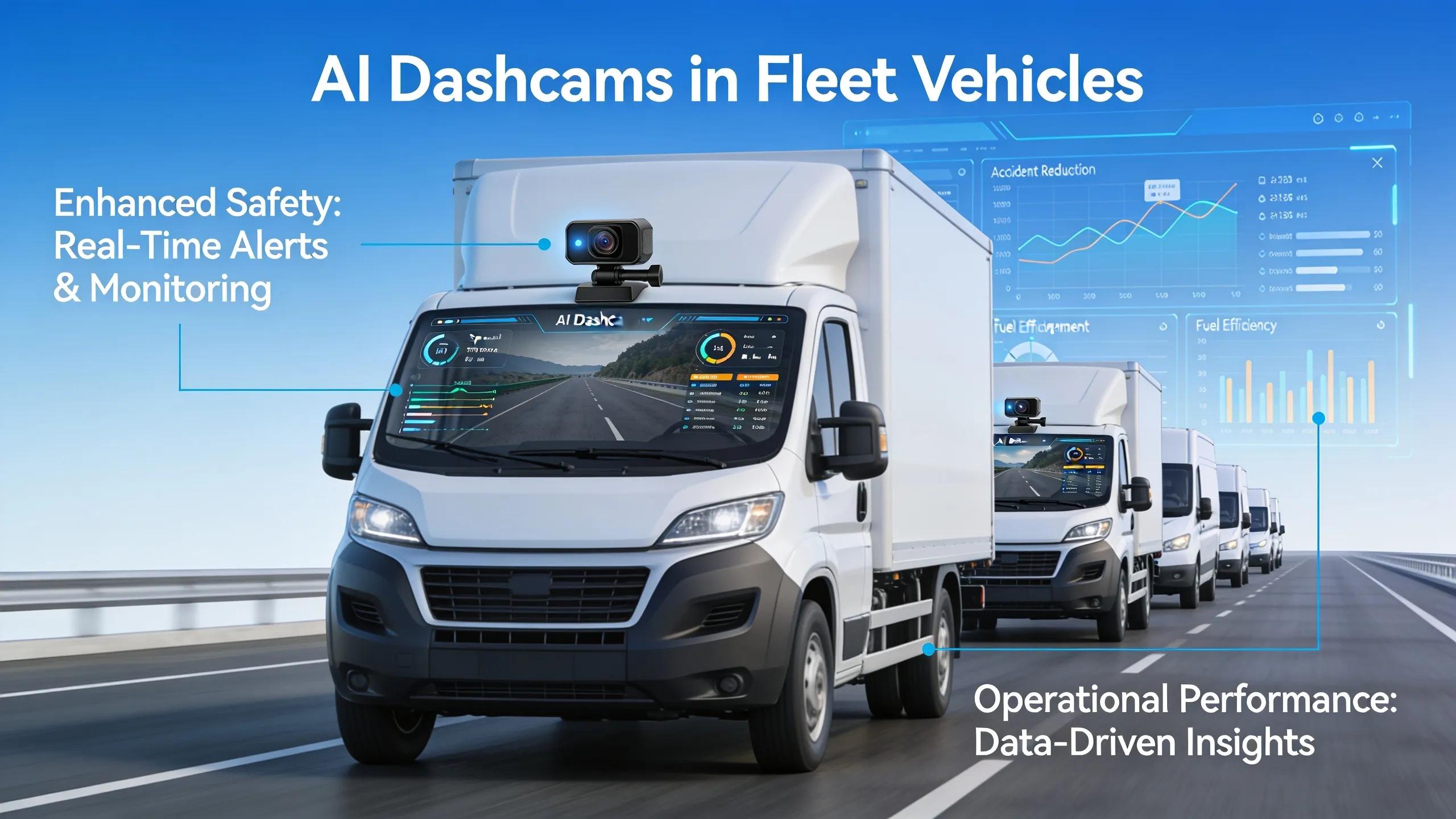
AI dashcams represent a groundbreaking technology that is reshaping the landscape of fleet management. These advanced devices leverage artificial intelligence to provide real-time monitoring and data analytics, significantly enhancing both operational performance and safety standards. In an era where efficiency and accountability are paramount, fleets adopting AI dashcam technology can proactively manage risks associated with driver behavior and ensure compliance with safety regulations. As a solution to the common challenges of fleet management, AI dashcams offer a dual promise: they enhance safety while simultaneously driving operational efficiency. This article will delve into the enhanced safety features provided by AI dashcams, the operational efficiencies they introduce, and the overall benefits they confer on businesses. Additionally, we will explore best practices for implementation and how to maximize return on investment (ROI) from these investments.
How AI Dashcams Improve Driver Safety and Reduce Risk
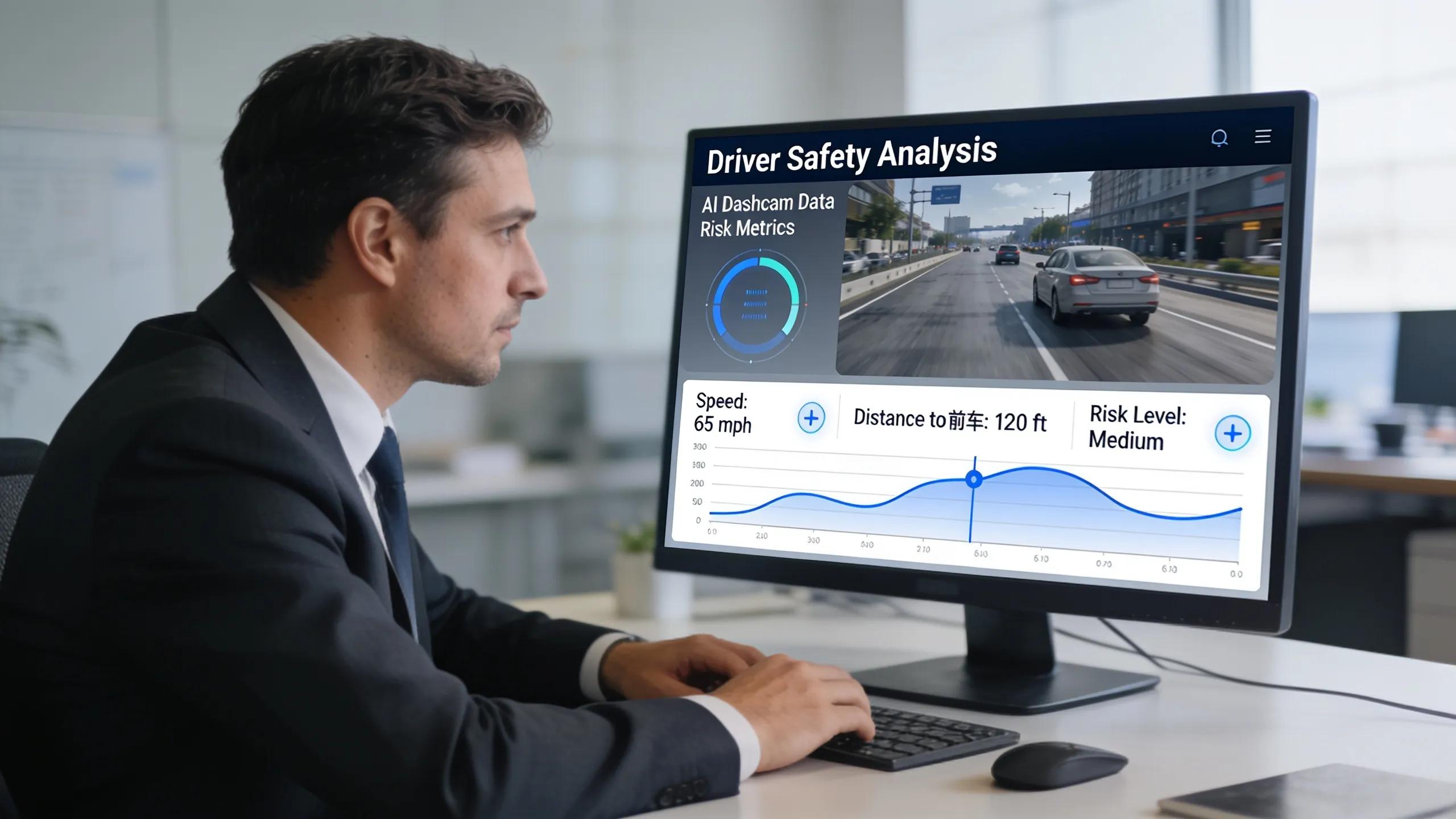
AI dashcams dramatically enhance safety within fleet operations by providing real-time video feeds and incident analysis. These systems employ advanced algorithms to monitor driver behavior, documenting critical events and identifying areas for improvement. The integration of AI dashcams allows for increased accountability among drivers, as real-time feedback can be delivered instantly based on their driving habits.
Furthermore, incident documentation can serve as a legal safeguard in case of disputes, providing clear evidence of events. Enhanced monitoring leads to safer road practices and enables fleet managers to conduct more effective driver training. For instance, data gathered can highlight patterns of harsh braking or rapid acceleration, empowering companies to address these behaviors proactively. This holistic approach to driver safety ensures that employers not only comply with regulatory standards but also foster a culture of safety throughout their fleet operations. For advanced solutions in this domain, consider exploring services that offer comprehensive fleet management technology.
After detailing these safety enhancements, it’s worth noting how Safety Track, a specialized fleet management technology provider, focuses on integrating such AI dashcam systems into their offerings. Their technology solutions can guide fleets toward improved safety outcomes through state-of-the-art monitoring solutions.
IoT and AI for Smart Fleet Management The Internet of Things (IoT) and Artificial Intelligence (AI) have driven a paradigm shift in fleet management providing organizations to monitor, manage and even optimize their vehicle operations. This article presents an IoT and AI enabled framework for Smart Fleet Management, wherein real-time data, predictive analytics and automation are used for efficient, safe and green fleets.Internet of things (IoT) and artificial intelligence (AI) enabled framework for smart fleet management, PR Potdar, 2025
Operational Performance
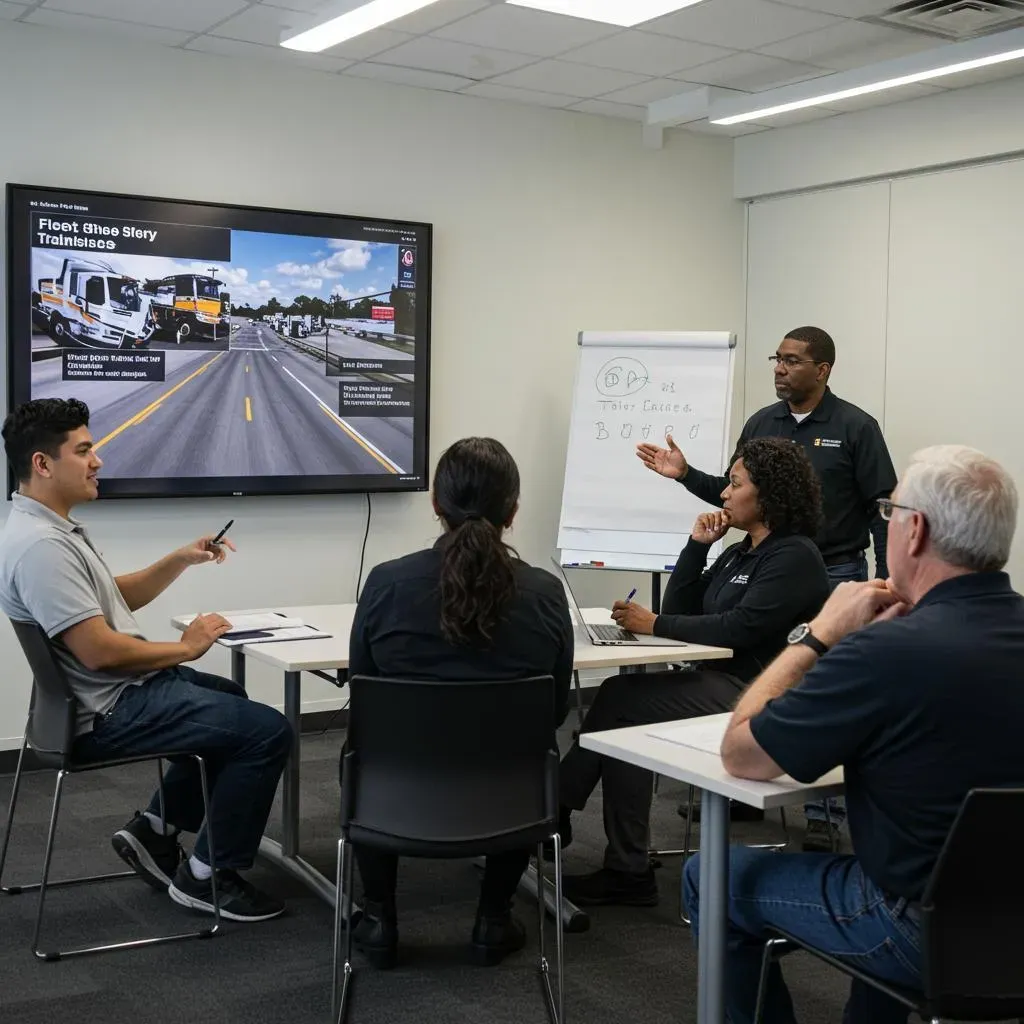
The operational performance of a fleet hinges on data-driven decision-making, and AI dashcams are pivotal to this process. These systems continuously capture and analyze driving data, route efficiency, fuel consumption patterns, and vehicle utilization, giving fleet managers a comprehensive view of day-to-day operations. By translating raw video and sensor data into actionable insights, AI dashcams help organizations identify inefficiencies that would otherwise go unnoticed, from excessive idling to suboptimal routing decisions.
Beyond safety monitoring, AI dashcams contribute directly to cost control. Reduced instances of harsh braking and rapid acceleration translate into lower fuel consumption and reduced wear on vehicle components, extending the lifespan of fleet assets. Insurance providers increasingly recognize the value of AI dashcam data, and fleets that adopt these systems often qualify for reduced premiums due to the demonstrable reduction in risk exposure. Additionally, automated incident reporting reduces the administrative burden on fleet managers, freeing up time to focus on strategic initiatives rather than manual review of driving logs.
AI dashcams also support regulatory compliance by maintaining accurate, time-stamped records of driver behavior and vehicle operation, which can be invaluable during audits or investigations following an incident. When paired with telematics platforms, these systems create a unified operational picture that allows fleet managers to benchmark performance across drivers, vehicles, and routes, informing better decisions around scheduling, maintenance, and resource allocation.
Evolution of AI in Fleet Management Systems Fleet management systems (FMS) have developed from simple tracking solutions into advanced digital environments that combine telematics, artificial intelligence (AI), analytics, and autonomous systems. As the level of innovation intensity in the industry rises, the relationship between technological intensity, implementation costs, and economic value has not been adequately investigated.Fleet management: application framework and business models, 2025
Implementation Best Practices and Maximizing ROI
Successfully deploying AI dashcams requires more than simply installing hardware in vehicles. Fleets that realize the greatest return on investment typically begin with a clear rollout plan, starting with a pilot program across a subset of vehicles before scaling fleet-wide. This phased approach allows managers to fine-tune camera placement, driver training, and alert thresholds based on real-world results before committing to a full deployment.
Driver buy-in is another critical factor. Communicating the purpose of AI dashcams as a tool for protection and improvement, rather than surveillance, helps build trust and reduces resistance. Transparent policies around how footage is used, combined with positive reinforcement for safe driving behaviors identified by the system, tend to produce better long-term compliance than punitive approaches alone.
To maximize ROI, fleet managers should integrate AI dashcam data with existing fleet management platforms, allowing safety metrics to inform broader operational decisions such as route planning, maintenance scheduling, and driver coaching programs. Regularly reviewing aggregated data, rather than only reacting to individual incidents, helps identify systemic trends that can be addressed through policy changes or targeted training. Fleets that treat AI dashcam data as an ongoing feedback loop, rather than a one-time installation, consistently see the strongest improvements in both safety outcomes and operational efficiency over time.
Cost savings from reduced accidents, lower insurance premiums, improved fuel efficiency, and decreased administrative overhead typically offset the initial investment within the first year of deployment for most commercial fleets. When combined with the reputational and liability protection that comes from having clear, objective incident records, the business case for AI dashcams extends well beyond simple cost recovery.
Frequently Asked Questions
What are AI dashcams and how do they differ from traditional dashcams?
AI dashcams use artificial intelligence and machine learning algorithms to actively analyze video footage in real time, detecting risky driving behaviors such as harsh braking, distracted driving, and following too closely. Traditional dashcams simply record footage for later review, while AI dashcams can trigger instant alerts and automatically flag critical events for fleet managers.
How do AI dashcams improve fleet safety?
AI dashcams provide continuous, real-time monitoring of driver behavior, delivering instant feedback and documenting incidents as they occur. This enables fleet managers to identify risky patterns, such as rapid acceleration or harsh braking, and address them through targeted coaching before they lead to accidents.
Can AI dashcam footage help reduce insurance costs?
Yes. Many insurance providers offer reduced premiums to fleets that adopt AI dashcam systems, since the objective data these systems provide demonstrates lower risk exposure and helps resolve liability disputes more efficiently following an incident.
How long does it take to see a return on investment from AI dashcams?
Most commercial fleets see cost savings from reduced accidents, lower insurance premiums, improved fuel efficiency, and reduced administrative overhead within the first year of deployment, particularly when the rollout includes proper driver training and integration with existing fleet management platforms.
What is the best way to introduce AI dashcams to drivers?
Fleets see the best long-term compliance when AI dashcams are introduced as a tool for driver protection and improvement rather than surveillance. Transparent policies about how footage is used, paired with positive reinforcement for safe driving, help build driver trust and support successful adoption.
Conclusion
AI dashcams have moved from a niche add-on to a core component of effective fleet management, delivering measurable improvements in both safety and operational performance. By providing real-time monitoring, objective incident documentation, and actionable data on driver behavior, these systems help fleets reduce accidents, control costs, and maintain regulatory compliance. The operational insights generated by AI dashcams extend well beyond safety, informing decisions around fuel efficiency, maintenance scheduling, and driver coaching that strengthen the bottom line.
Fleets that approach implementation thoughtfully, starting with a clear rollout plan, prioritizing driver buy-in, and integrating dashcam data into broader fleet management practices, are best positioned to realize the full return on their investment. As fleet operations continue to grow more complex, AI dashcams offer a practical, proven way for businesses to protect their drivers, their assets, and their reputation.
Jeff Stoker is the CEO and founder of Safety Track, a company he established in 2002. With over two decades of leadership in fleet management solutions, Jeff has guided Safety Track from a pioneering vision to a trusted industry leader. His innovative mindset and commitment to excellence continue to drive the company’s growth and impact.