
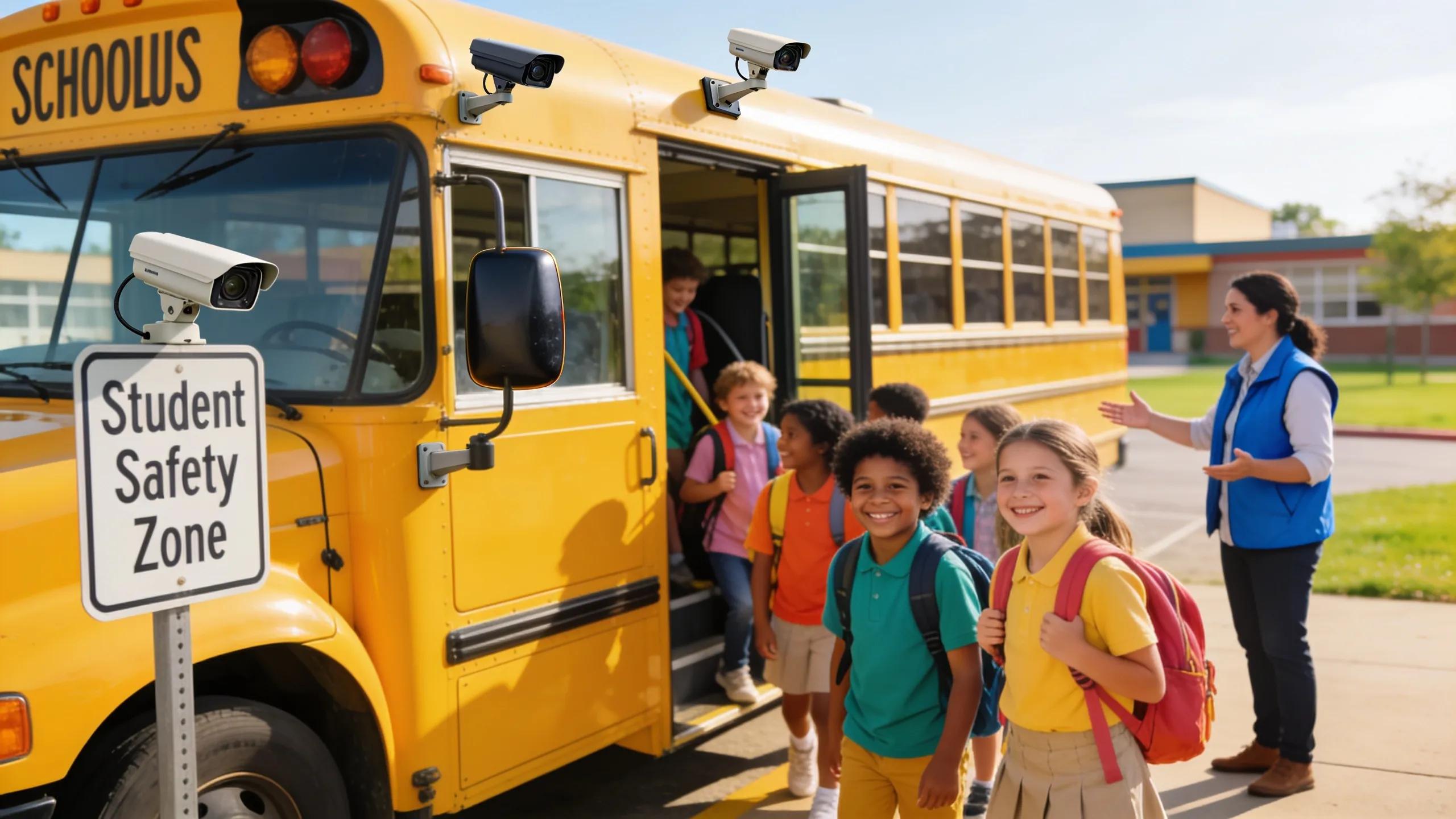
How School Bus Surveillance Systems Protect Students and Reduce District Liability with Safety Cameras
School bus surveillance systems play a crucial role in enhancing student safety and mitigating liability for school districts. These advanced technologies provide comprehensive monitoring of both student behavior and driver performance, creating a safer environment for children during transit. With the increasing concern over student safety on school buses, it has become essential for districts to implement measures that ensure both the protection of students and the accountability of drivers. This article explores the key benefits of school bus camera systems, highlighting how these safety cameras not only promote student safety but also significantly reduce the risk of liability claims against districts.
From tracking passenger behavior to monitoring the actions of drivers and other road users, school bus surveillance systems offer a range of advantages that contribute to safer transportation. Additionally, they help enforce policies by documenting incidents that can assist in conflict resolution and legal compliance. By understanding the mechanisms behind these benefits, stakeholders can make informed decisions regarding their implementation, ultimately improving overall transportation safety.
What Are the Key Benefits of School Bus Safety Cameras for Student Protection?
School bus safety cameras provide several critical benefits, fundamentally altering how districts approach student protection and fleet management. These systems serve as an essential tool for monitoring and enhancing safety, with clear implications for reducing bullying, enhancing driver accountability, and mitigating legal challenges. Below are the primary advantages of implementing these surveillance systems.
Tracking Passenger Behavior
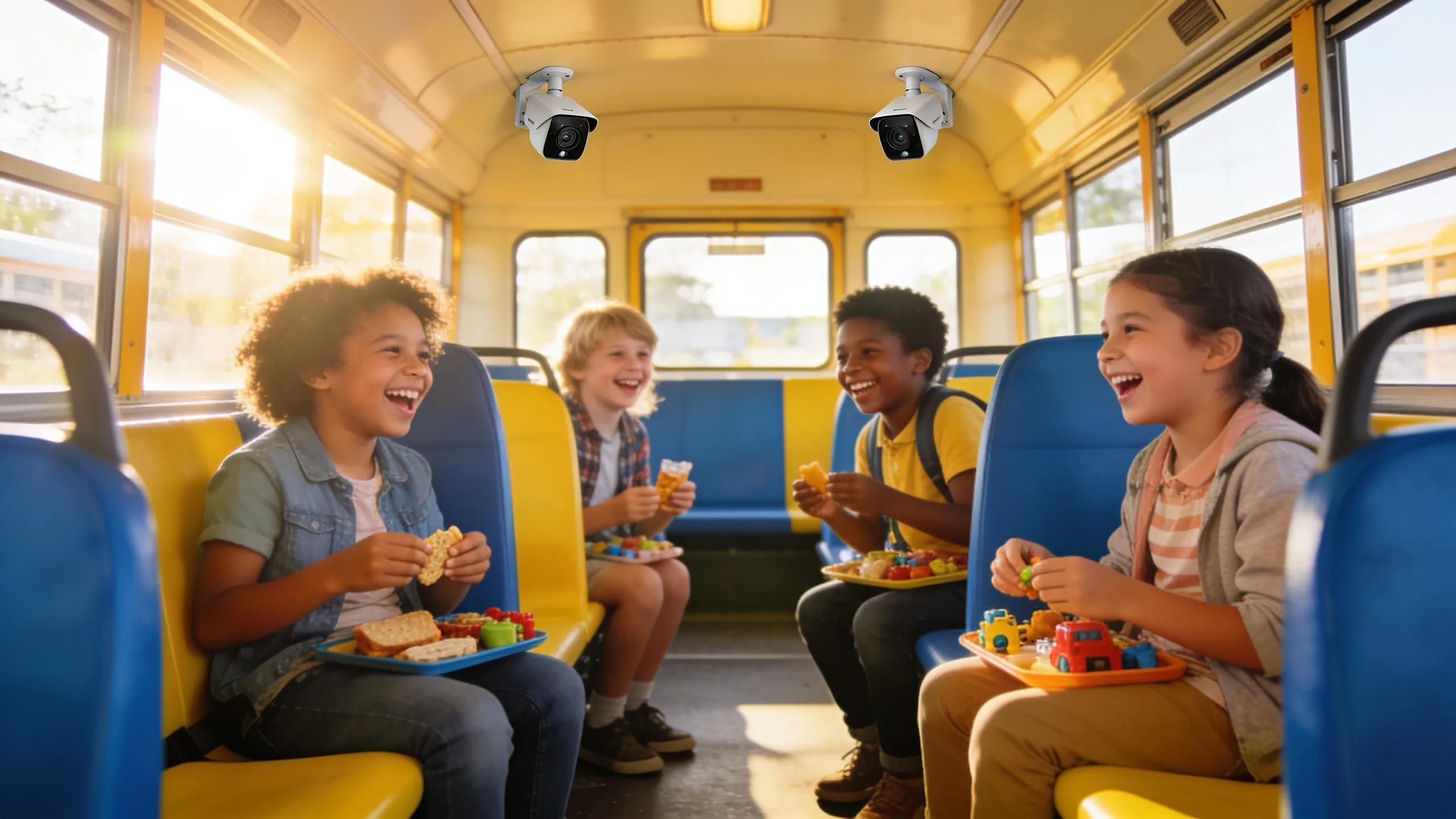
The installation of safety cameras on school buses significantly improves the ability to track passenger behavior, an essential element in maintaining a safe environment. By monitoring student interactions, districts can effectively reduce incidents of bullying and inappropriate behavior. Evidence captured on camera can serve as a pivotal point in resolving disputes and implementing disciplinary action. Reports indicate that the presence of surveillance systems can reduce bullying incidents, fostering a more positive atmosphere on school buses.
Monitoring Driver Actions
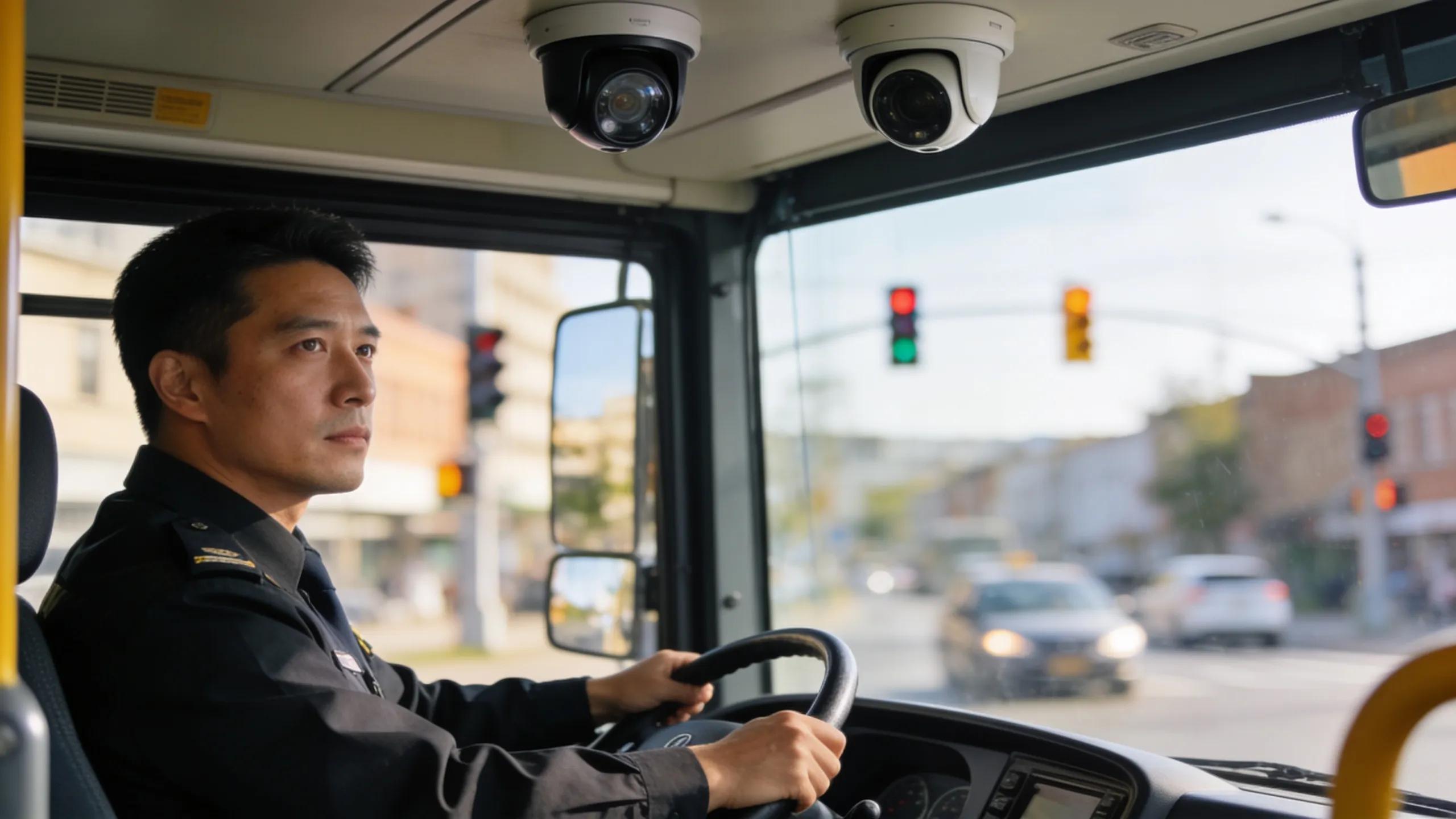
Monitoring driver actions through school bus surveillance systems enhances accountability among bus operators. These cameras provide crucial evidence in the event of traffic incidents or allegations of misconduct, clarifying the responsibilities of drivers involved in accidents. For instance, there are numerous documented cases where footage from safety cameras has corroborated drivers’ accounts, reinforcing the importance of driver training and adherence to safety protocols. This accountability can potentially improve the overall quality of driver behavior, ensuring they comply with traffic laws and district policies.
Monitoring Other Road Users
School bus safety cameras also play a critical role in monitoring the actions of other road users. They can capture traffic violations, such as vehicles illegally passing a stopped school bus, thus promoting road safety among students. This visual evidence can be instrumental in enforcing traffic laws, as it provides law enforcement with the necessary proof to act against offenders. Reports indicate that such surveillance can lead to a higher rate of law enforcement actions against violations, contributing to safer school zones.
Preventing Unauthorized Access
Unauthorized access to school buses poses a significant threat to student safety. Surveillance systems help deter unauthorized individuals from entering buses by providing a clear record of who accesses the vehicle and when. By establishing and enforcing clear boarding protocols, districts can further ensure the safety of students. The presence of safety cameras acts as a visual deterrent, discouraging potential threats and enhancing overall security for children during their commutes.
Real-Time Monitoring and Incident Response
Real-time monitoring through surveillance systems facilitates immediate responses to critical incidents. With the ability to transmit alerts regarding unusual activities, districts can swiftly address potential emergencies, thereby enhancing the safeguard of student passengers. Integration with emergency services can further streamline response times, ensuring that appropriate actions are taken before situations escalate. This proactive approach to incident management is instrumental in fostering a culture of safety within districts.
Mitigating Legal Liability
One of the most significant advantages of school bus safety cameras is their role in reducing school district liability. Surveillance footage provides objective evidence that can defend against unfounded claims. Districts equipped with these systems can demonstrate adherence to safety standards, potentially lowering legal costs associated with accidents or incidents. In many cases, this documentation can lead to the dismissal of claims that would otherwise result in costly litigation.
Improving Driver Accountability and Morale
By installing safety cameras, districts can strengthen school bus driver accountability, which significantly impacts morale. Knowing that their actions are being monitored encourages drivers to adhere strictly to safety protocols and operational procedures. This oversight can lead to better driving habits, ultimately resulting in fewer incidents and a better safety record. Drivers often report increased confidence in their own accountability, fostering a professional environment that emphasizes the importance of student safety.
For those interested in enhancing their fleet’s safety measures, implementing school bus surveillance systems can lead to numerous inquiries for demonstrations. These benefits collectively showcase how adopting such technologies can profoundly impact the safety of students and the liability faced by school districts.
The adoption of school bus safety cameras represents a significant step forward in the ongoing commitment to safeguarding students. Understanding these benefits empowers districts to make informed decisions regarding their transportation safety measures.
Jeff Stoker is the CEO and founder of Safety Track, a company he established in 2002. With over two decades of leadership in fleet management solutions, Jeff has guided Safety Track from a pioneering vision to a trusted industry leader. His innovative mindset and commitment to excellence continue to drive the company’s growth and impact.