
Your Insurance Adjuster Called: Can You Email the Video Before They Hang Up?
An insurance adjuster calls after a fleet incident. The first question is simple: “Do you have video?”
The answer should not be followed by a 10-day wait.
Fleet managers need to review footage, confirm what happened, and send clear evidence while the claim is still active. When video access depends on a vendor retrieval request, the process slows down. Adjusters wait. Drivers wait. The claim remains open while memories fade and costs continue to build.
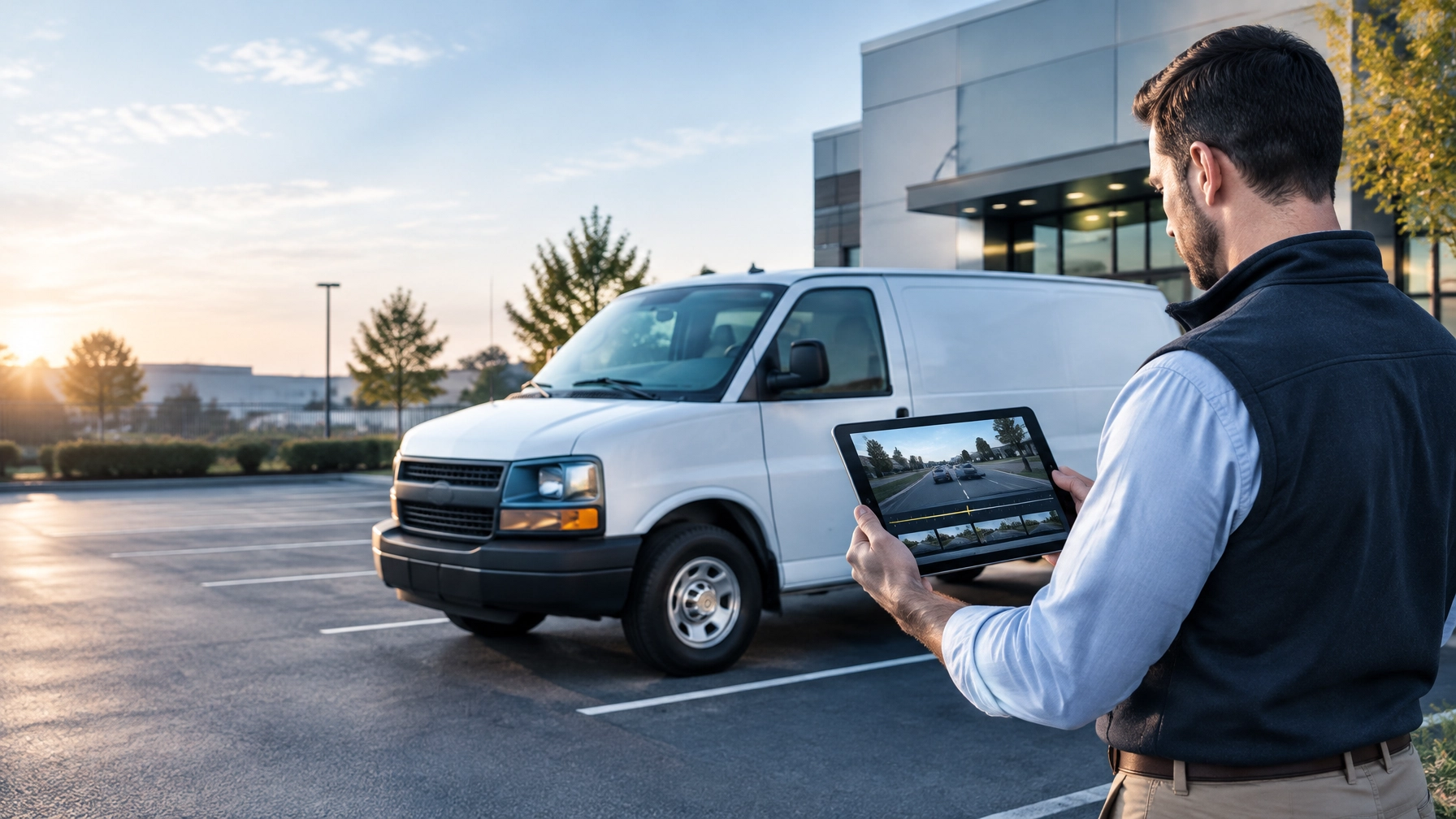
Instant video access changes the timeline. A fleet manager can open the footage, review the surrounding events, download the relevant clip, and email it to the adjuster before the conversation ends.
That speed can turn a prolonged claims process into a same-day review. When liability is clear, it can also support a faster and more favorable resolution.
Why Claims Slow Down Without Immediate Video Access
Insurance claims often begin with incomplete information. The driver provides an account. The other party provides a different account. The adjuster requests photographs, statements, police reports, and vehicle records.
Video can clarify the incident. However, the footage only helps when the fleet can access it quickly.
Many camera systems require a fleet manager to submit a retrieval request to the vendor. The vendor then locates the file, processes the request, and sends the footage back. That process can take days.
During the delay:
- The adjuster may continue investigating without the video.
- The other party may submit an unsupported version of events.
- The driver may remain under suspicion.
- The vehicle may stay out of service longer.
- The claim may move toward settlement before the facts are clear.
- Relevant footage may become harder to locate or preserve.
A 10-day claims dance can begin with one simple delay: the fleet does not control its own video.
A connected video telematics solution gives authorized fleet personnel direct access. Managers can review footage without waiting for a vendor to retrieve it.
When an Adjuster Calls, Speed Matters
Adjusters need reliable information to make liability decisions. They must determine what happened, who contributed to the incident, and how much the claim may cost.
Video gives the adjuster objective evidence. It can show:
- The road position of each vehicle
- Traffic signals and signs
- Following distance
- Speed and braking behavior
- Lane changes and turns
- Driver attention and behavior
- The events before and after impact
- Weather, traffic, and road conditions
A short incident clip may not tell the complete story. Managers should review the surrounding footage before sending evidence. This helps the adjuster understand the full sequence instead of seeing one isolated moment.
Immediate access also allows the fleet manager to confirm that the correct vehicle, date, and time are included. The manager can download the original relevant clip and preserve it for the claim file.
When the adjuster receives clear evidence early, the investigation becomes more focused. The adjuster spends less time reconciling conflicting statements and more time evaluating the facts.
That is why timing matters. The sooner the evidence reaches the claim file, the sooner the adjuster can act on it.

Why Adjusters Respond Faster to Early Video Evidence
Adjusters manage multiple claims at once. Every open claim requires documentation, communication, and follow-up. A clear video clip can reduce the amount of uncertainty in the file.
Early footage helps an adjuster:
- Confirm the basic facts.
The video can establish the vehicle’s location, direction, and actions at the time of the incident. - Evaluate liability.
The footage may show whether the fleet driver caused the collision, responded appropriately, or was struck by another party. - Identify false or exaggerated claims.
Video can challenge allegations that do not match the recorded event. - Estimate damages more accurately.
The footage may clarify the severity and circumstances of the incident. - Move the claim to the next step.
Clear evidence reduces unnecessary requests for additional statements and documentation.
An adjuster cannot close every claim the same day. Some incidents require medical records, inspections, witness interviews, or legal review.
However, clear video can support same-day resolution when the facts are straightforward. It can also prevent an insurer from accepting liability based only on incomplete statements.
The result is better control over the claim and a stronger position for the fleet.
Instant Access Protects Drivers From Unfair Liability
Professional drivers may become involved in incidents they did not cause. A commercial vehicle can attract immediate scrutiny, especially when the other party assumes the fleet has greater insurance coverage.
Without footage, the driver’s account may compete with another driver’s account. The insurance company must investigate both versions. That process creates uncertainty for the driver and the business.
Video provides an impartial record.
A fleet safety camera can capture the driver’s actions and the surrounding road conditions. It may show that the driver maintained a safe speed, followed traffic rules, or reacted defensively to another motorist.
That evidence can help:
- Defend a driver against a false allegation
- Reduce the risk of an unnecessary settlement
- Protect the fleet’s loss history
- Limit legal and administrative costs
- Support a more accurate liability decision
Fast access also improves communication with the driver. The fleet manager can review the facts quickly instead of asking the driver to wait for an answer.
Evidence does not replace a formal insurance investigation. It gives that investigation better information from the start.
A Camera System Should Not Put the Fleet in a Waiting Queue
A fleet manager should not have to ask a vendor for footage recorded by the fleet’s own vehicles.
Vendor retrieval requests create an avoidable dependency. The fleet must wait for another company to locate and deliver its evidence. Even when the vendor provides strong service, the process adds time to an already urgent situation.
Safety Track’s camera platform is designed to give authorized users direct control. Fleet managers can access live video, review historical footage, and download clips remotely.
This is the difference between owning a recording and controlling the evidence.
A capable system should allow managers to:
- Search footage by vehicle and time
- Review events remotely
- Compare video with vehicle location
- Download clips for an adjuster
- Preserve footage for internal records
- Revisit the evidence when new questions arise
The fleet manager can take action immediately. There is no need to wait for a support ticket before beginning the investigation.

AI Dash Cameras Add More Context to the Claim
Traditional cameras record video. Modern AI fleet safety cameras add analysis and event awareness.
AI-enhanced systems can identify driving events such as:
- Distracted driving
- Driver fatigue
- Lane departure
- Forward collision risk
- Sudden braking
- Unsafe following distance
- Other critical driving behaviors
This information helps fleet managers locate important footage faster. It also supports a broader safety program that addresses risk before a claim occurs.
Safety Track AI dash cameras can provide forward-facing and interior visibility, live streaming, GPS data, and remote playback. Managers can use these tools to investigate claims and coach drivers with specific examples.
The same system that helps defend a claim can also help reduce future incidents. That combination protects the fleet’s safety record and strengthens the company’s risk profile.
Unlimited Video Viewing and Downloads for $99.95 Per Vehicle, Per Month
Fleet managers often need more than one clip. A single month may include an insurance claim, a customer complaint, a driver coaching event, and several near-misses worth reviewing.
Per-clip limits discourage thorough review. They can force managers to decide which footage is important before the full situation is understood.
Safety Track’s $99.95 per vehicle, per month unlimited video plan includes:
- Unlimited video viewing
- Unlimited video downloads
- Direct access to fleet footage
- More flexibility during claims investigations
- More opportunities for driver coaching
- Easier evidence sharing with authorized parties
Unlimited viewing means managers can review the full context without worrying about reaching a usage limit. Unlimited downloads make it easier to provide clips to adjusters, brokers, legal teams, and internal leadership when appropriate.
The plan also supports consistency. Managers do not need to reserve video access only for major collisions. They can use the footage needed to operate a safer and more accountable fleet.
A Faster Claims Process Starts Before the Claim
Fleet managers can prepare a simple response process before an incident occurs.
When a claim arises, the team should:
- Confirm the vehicle, driver, date, and approximate incident time.
- Review footage before and after the event.
- Download the relevant unedited clips.
- Record the time and person who accessed the footage.
- Notify the insurer promptly.
- Send the evidence through the approved claims channel.
- Preserve the original file and related telematics data.
- Avoid posting footage publicly or sharing it without authorization.
This process gives the adjuster a complete starting point. It also creates a clear record of how the evidence was handled.
The fleet should follow its insurer’s instructions and consult legal counsel when a claim involves serious injury, litigation, or a formal evidence request.
Do Not Wait for the Adjuster to Ask Twice
When an adjuster calls, time and accuracy matter.
A fleet that can email video immediately has greater control over the claim. It can protect its driver, challenge false allegations, reduce unnecessary delays, and provide the adjuster with the facts needed to make a decision.
The right fleet safety cameras do more than record incidents. They give managers direct access to evidence when the business needs it most.
With Safety Track’s $99.95 per vehicle, per month unlimited video plan, fleets get unlimited viewing and unlimited downloads without waiting for a vendor retrieval request.
Your fleet recorded the video. Your team should be able to access it before the adjuster hangs up.
Contact Safety Track to learn how instant video access can support faster claims, stronger driver protection, and safer fleet operations.

Tyler Schneider is the IT Director at Safety Track, overseeing the company’s technological infrastructure and innovations. With a strong background in information technology and systems management, Tyler ensures that Safety Track stays at the forefront of tech solutions in fleet management. His strategic expertise supports the seamless integration of technology across the company’s operations.