
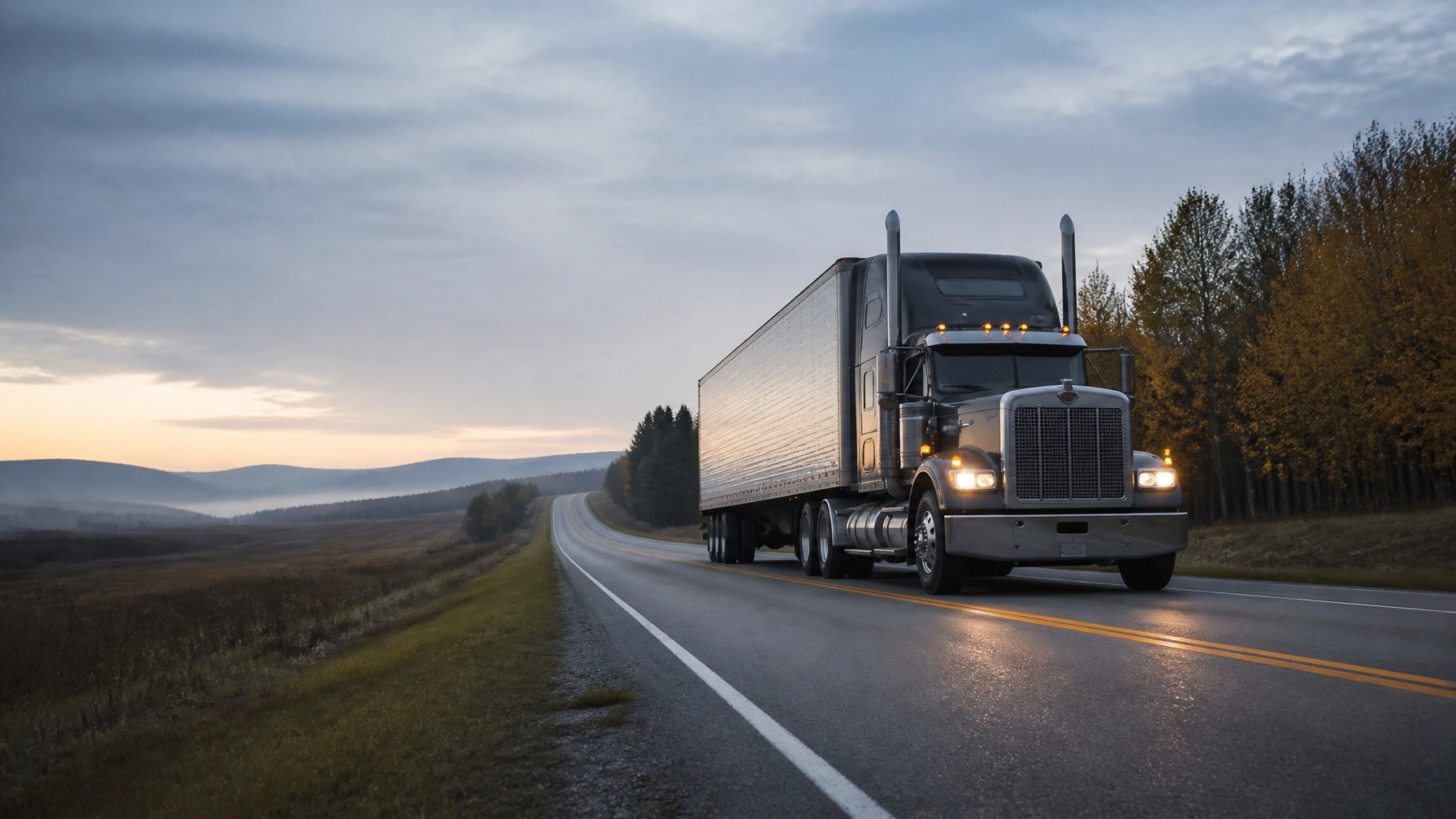
Driver Fatigue Returns with Fall Hours: Managing the Seasonal Shift
As daylight hours shrink, small business owners with service fleets face a familiar seasonal challenge. Techs stay out later to finish calls before dark, lawn crews try to fit in final cuts, and local delivery drivers spend more time working in twilight hours.
These conditions increase the risk of drowsy driving, slower reaction times, and brief lapses in attention. A technician or driver can appear alert while still showing heavy eyelids, repeated yawning, or a dangerous micro-sleep.
For a small business, one fatigue-related crash can disrupt the entire operation. The fall transition calls for a practical fatigue-management process that combines scheduling, communication, coaching, and real-time technology.
Why Fall Creates New Fatigue Risks for Small Service Fleets
Fatigue is influenced by sleep quality, time of day, time behind the wheel, and the body’s natural sleep-wake cycle. Fall can intensify several of these factors at once for small businesses that depend on a few vehicles and a small crew.
Shorter days mean more techs and drivers begin or finish jobs in low-light conditions. Early morning and evening driving also overlap with periods when the body naturally prepares for sleep. The National Highway Traffic Safety Administration identifies drowsy driving as a serious roadway safety issue, while CDC/NIOSH guidance emphasizes the connection between fatigue, work schedules, and insufficient rest.
Seasonal operations can add further pressure:
- More jobs packed into less daylight: Owners may try to squeeze in one more service call or delivery before dark.
- Earlier starts and later finishes: Crews may leave before sunrise or return after sunset to keep up with demand.
- End-of-season rush: HVAC, plumbing, electrical, lawn care, and local delivery businesses often face a push to complete more work before weather or seasonal slowdowns change demand.
- Longer time behind the wheel between stops: Techs may move from job to job all day, then drive home tired after physical work.
- More low-visibility driving: Darkness, glare, rain, and fallen leaves can demand greater concentration on local roads and in neighborhoods.
HVAC, plumbing, electrical, lawn care, and local delivery businesses are especially affected because every employee often wears multiple hats. One technician may handle several appointments, drive between sites, speak with customers, and still try to stay on schedule.
When schedule pressure combines with reduced sleep, fatigue becomes an operational risk that small business owners need to monitor closely.
Micro-Sleeps Turn Small Lapses into Expensive Incidents
A micro-sleep is a brief, involuntary period of sleep or inattention. It can last only a few seconds, but that is enough to create a serious hazard on local roads, in traffic, or in customer neighborhoods.
During a micro-sleep, a driver may:
- Drift within or across a lane
- Miss a traffic signal or stop sign
- Fail to see a pedestrian, cyclist, child, or parked vehicle
- React late to slowing traffic
- Roll through a turn too fast
- Make an abrupt correction that creates another hazard
Head dropping or repeated nodding is one of the clearest visible signs. Frequent yawning, heavy eyelids, prolonged blinking, and difficulty keeping the eyes open are also important warnings.
The Federal Motor Carrier Safety Administration advises commercial drivers to recognize signs such as frequent yawning, heavy eyes, and blurred vision. Drivers should not try to push through these symptoms with determination alone. The safe response is to stop, communicate, and rest.
For a small business owner, that policy matters because one fatigue-related accident can sideline a technician, damage a service vehicle, delay customer appointments, and create insurance headaches that affect the entire business.

Use AI Dash Cameras to Detect Fatigue Signs in Real Time
Traditional dash cameras record what happened after the fact. AI-enhanced systems add a proactive layer by analyzing driver behavior as events occur, which is especially valuable for small businesses that cannot afford preventable downtime.
A driver-monitoring system uses an in-cab camera to evaluate visible patterns associated with reduced alertness. Depending on the system and configured detection capabilities, AI analysis can identify indicators such as:
- Repeated or prolonged yawning
- Extended eyelid closure
- Heavy blinking or difficulty keeping the eyes open
- Head dropping or repeated nodding
- Changes in gaze direction and attention
- Slumped posture or other signs of reduced alertness
When the system recognizes a fatigue event, it can issue an in-cab audio alert in real time. That prompt gives the driver an immediate opportunity to refocus, pull over safely, or reset before the situation escalates.
Safety Track’s AI dash cameras for fleets include driver-monitoring options designed to detect fatigue and distraction in real time. The ST-26 DMS Driver-Monitoring AI Camera provides IR night vision and in-cab audio alerts, which are particularly valuable for darker fall mornings, evening service calls, and twilight delivery routes.
AI does not replace rest, good scheduling, or driver judgment. It gives small business owners another way to identify risk when they cannot be in every vehicle and when a single accident could affect the whole crew.
Build a Fall Fatigue-Management Process
Technology works best when it supports a clear operational procedure. Small business owners should establish what happens after a fatigue alert, how events are reviewed, and when a tech or driver must stop operating the vehicle.
A practical process includes five steps.
1. Review seasonal schedules
Compare fall schedules with summer schedules. Identify earlier start times, later returns, emergency calls, and routes that overlap with low-alertness periods.
Owners should also review overtime and end-of-season workload. Adding one more appointment to a full day can create fatigue risk that is easy to miss when the focus is on revenue and customer demand.
2. Set clear rest expectations
Drivers and technicians need explicit permission to report fatigue and stop safely. A policy should state that no service call, delivery window, or last-minute job takes priority over safe operation.
For small teams, this matters even more because employees may feel pressure not to let the crew down. Clear expectations remove that guesswork.
3. Train drivers on early warning signs
A short fall safety briefing should cover yawning, heavy eyelids, head nodding, trouble focusing, and memory gaps about the drive.
Drivers should understand that opening a window, turning up the radio, or drinking caffeine does not replace sleep. If fatigue continues, the vehicle should be parked in a safe location.
4. Define the alert response
Every employee should know what to do when an AI camera issues a fatigue alert. The response may include acknowledging the alert, contacting the owner or dispatcher, pulling over, taking a short break, or adjusting the remaining schedule.
Owners should apply the process consistently. A fatigue alert should be treated as a safety signal, not automatically as a disciplinary event.
5. Coach from objective data
Business owners can review fatigue alerts alongside GPS location, time of day, route duration, and workload. This creates a clearer picture of why events occur.
If alerts repeat during late-day calls or twilight delivery runs, the solution may involve schedule changes, additional breaks, or fewer stops at the end of the day. Video telematics turns a vague concern into a documented coaching opportunity.
Combine Driver Monitoring with Road-Facing Visibility
Fatigue rarely occurs in isolation. A tired tech or delivery driver may also follow too closely, miss a stop, brake late, or respond slowly to hazards on busy local roads.
A complete system combines driver-facing monitoring with forward-facing AI features. Safety Track’s AI fleet safety cameras include camera options for driver monitoring and forward road awareness. The ST-25 ADAS Forward AI Camera provides lane-departure and forward-collision warnings, while the ST-26 focuses on fatigue, distraction, phone use, and smoking detection.
This combination gives small business owners two views of the same risk:
- What is happening inside the vehicle
- What is developing on the road
The result is faster driver feedback and better incident context. With fleet safety cameras, owners can also access live video and recorded evidence for incident review, coaching, and insurance claims.
For small service fleets, that visibility supports both safety and customer service. A safer driver is more likely to arrive on time, avoid preventable incidents, and represent the company professionally in the community.

Protect Drivers Without Creating a Punitive Culture
Drivers may initially worry that camera systems are designed only to find fault. Small business owners can reduce that concern through transparency and consistent communication.
A strong implementation explains:
- What the camera detects
- When alerts occur
- Who can access footage
- How data supports coaching
- How fatigue reports are handled
- Why drivers can stop when they are not fit to continue
The goal is not to punish an employee for feeling tired. The goal is to prevent a fatigued driver from continuing into an unsafe situation that could hurt a team member, damage a vehicle, and disrupt the business.
Owners should recognize safe decisions, including a driver who reports fatigue early or pulls over before an alert escalates. Positive reinforcement encourages employees to treat the system as a safety resource.
Prepare Now for Shorter Days
Fall fatigue risk is manageable when small business owners prepare before schedules change. Review routes, assess workload, communicate rest expectations, and verify that camera systems are positioned and functioning correctly.
Owners should also check that driver-facing cameras perform in low-light conditions. The ST-26 includes IR night vision to support monitoring during early morning, evening, and nighttime operations.
The right fleet camera solution gives small operations greater control over risk. It helps identify fatigue signs, deliver real-time alerts, support productive coaching, and provide objective evidence when an incident occurs.
At Safety Track, we help businesses build custom-tailored fleet management solutions around their vehicles, routes, and safety priorities. With AI-enhanced dash cameras, GPS tracking, and real-time monitoring, small service fleets can protect drivers through the seasonal shift while reducing liability and improving operational visibility.
A safer fall begins with recognizing fatigue before it becomes an accident.

Tyler Schneider is the IT Director at Safety Track, overseeing the company’s technological infrastructure and innovations. With a strong background in information technology and systems management, Tyler ensures that Safety Track stays at the forefront of tech solutions in fleet management. His strategic expertise supports the seamless integration of technology across the company’s operations.