Insights and Resources on Fleet Management and Safety SolutionsBlog
geofence, internet, mobile app, global positioning system, insurance, data, android, information, smartphone, ios, bluetooth, airtag, sos, fleet management, smartwatch, app store, button, device, fleet tracking, cloudflare ray, geo fencing, devices, fleet, vehicle tracking, speed, lte, backpack, credit card, vehicle, technology, fee, panic button, transport, law, encryption, satellite, speed limit, fuel, law enforcement, laptop, traffic, safety tracking, tracker safe, gps tracker for safe, gps tracking device for safe, gun safe tracker, asset tracking, telematics, vehicle tracking system, road, productivity, geotab, fleet tracking blog, fleet management software, asset, dashcam, plumbing, fleet vehicle, software, tracking system, truck, maintenance, efficiency, regulatory compliance, customer satisfaction, regulation, advertising, fuel card, artificial intelligence, truck driver, return on investment, customer, logistics, cargo, electric vehicle, construction, behavior, fuel efficiency, risk, safety, resource allocation, camera, theft, field service management, data and analytics, fleet management gps, fleet tracking solutions, management software, enable, fleet managers, fleet tracking system, gps fleet tracking, tracking software, fleet gps tracking, verizon connect, gps tracking systems, fleet telematics, gps vehicle tracking, fleet tracking systems, gps fleet, fleet insurance, gps fleet management, fleet management technology, fleet management solutions, gps asset tracking, management fleet, customer service, trailer, supply chain, visibility, engine, expense, inspection, dispatch, agriculture, cost, tire, commercial vehicle, heavy equipment, asset management, analytics, automation, downtime, tool, tax, pest control, risk management, landscape, electronic logging device, wear and tear, sustainability, management, drowsy driving, wildfire, distracted driving, consumption, communication, health, operational efficiency, pressure, organization, predictive maintenance, usability, accounting, pallet, internet of things, investment, navigation, sim card, cellular network, computer, mobile phone, sensor, location data, vehicle tracking device, tracking systems, gps tracking software, gps tracking system, request a quote, vehicle tracking systems, tracking solution, machine, traceability, can bus, dashboard, innovation, cloud computing, acceleration, system, wear, warehouse, resource, telecommunications, telephone, plug and play, onboarding, server, emergency, cold chain, money, interface, signal
Frequently Asked Questions
What is the role of technology in safety tracking?
The role of technology in safety tracking is pivotal, enhancing real-time monitoring, data analysis, and communication to improve fleet security and operational efficiency. Advanced systems help in mitigating risks and ensuring compliance with safety regulations.
How does GPS tracking improve vehicle safety?
GPS tracking enhances vehicle safety by providing real-time location updates, allowing for quick recovery of stolen vehicles, and enabling drivers to avoid hazardous routes. This technology also promotes responsible driving behavior through monitoring.
What are the key features of a fleet tracking system?
The key features of a fleet tracking system include real-time GPS location monitoring, vehicle diagnostics, route optimization, driver behavior analysis, and alerts for maintenance needs. These features enhance safety, efficiency, and productivity for fleet operations.
How does real-time safety tracking enhance response time?
Real-time safety tracking enhances response time by providing immediate access to vehicle locations and status updates. This enables quicker decision-making and dispatching of assistance, ensuring that incidents are addressed promptly and efficiently.
What are common safety tracking software solutions?
Common safety tracking software solutions include GPS fleet tracking, driver behavior monitoring, and real-time alerts for incidents, all aimed at enhancing vehicle security, ensuring compliance, and improving overall fleet safety management.
What is the importance of vehicle tracking in fleet management?
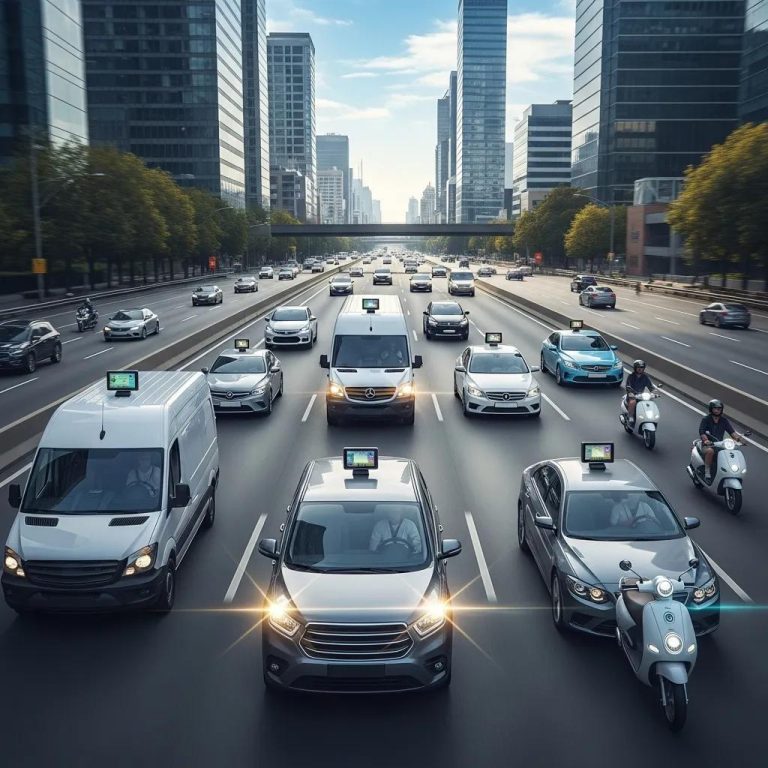
The importance of vehicle tracking in fleet management lies in its ability to enhance operational efficiency, improve safety, and reduce costs. By providing real-time data on vehicle location and performance, businesses can make informed decisions that optimize routes and monitor driver behavior.
How does fleet tracking improve customer satisfaction?
Fleet tracking improves customer satisfaction by providing real-time updates on delivery statuses and vehicle locations, ensuring timely arrivals and enhancing communication between businesses and customers. This transparency leads to increased trust and loyalty.
What advancements enhance safety tracking capabilities?
Advancements that enhance safety tracking capabilities include real-time GPS monitoring, advanced telematics systems, and AI-driven analytics. These technologies provide fleet managers with improved visibility, enabling timely responses to safety incidents and better overall risk management.
How does vehicle tracking reduce operational costs?
Vehicle tracking reduces operational costs by optimizing routes, minimizing fuel consumption, and improving vehicle maintenance. This leads to enhanced efficiency, decreased downtime, and reduced expenses, ultimately increasing overall profitability for fleet operations.
What data is essential for effective fleet tracking?
The essential data for effective fleet tracking includes real-time vehicle location, speed, fuel consumption, driver behavior, and maintenance records. This information enables fleet managers to optimize routes, improve safety, and enhance overall operational efficiency.
How can technology optimize fleet performance metrics?
Technology can optimize fleet performance metrics by providing real-time data analysis, enhancing route efficiency, and increasing vehicle utilization. Advanced tracking systems enable better decision-making, leading to improved fuel management and reduced operational costs.
What challenges arise in implementing safety tracking?
The challenges that arise in implementing safety tracking include resistance to change from employees, integration with existing systems, data privacy concerns, and the need for ongoing training to ensure proper use and understanding of the technology.
How does safety tracking affect fleet insurance rates?
Safety tracking significantly impacts fleet insurance rates by reducing risks associated with accidents and theft. Insurers often offer lower premiums to fleets that demonstrate enhanced safety measures, leading to potential savings for businesses.
What are trends in vehicle tracking technology?
Trends in vehicle tracking technology include the integration of AI and machine learning for enhanced analytics, the use of IoT devices for real-time monitoring, and the adoption of mobile apps for user-friendly access to tracking data.
How can fleet tracking streamline logistics processes?
Fleet tracking streamlines logistics processes by providing real-time visibility into vehicle locations, optimizing routes, reducing delays, and improving communication between drivers and dispatchers, ultimately enhancing efficiency and reducing operational costs.
What role does data analytics play in safety tracking?
Data analytics plays a crucial role in safety tracking by providing insights into vehicle performance, driver behavior, and potential safety risks. This data helps fleet managers make informed decisions to enhance safety measures and reduce incidents.
How do businesses benefit from advanced fleet tracking?
The benefits of advanced fleet tracking for businesses include improved operational efficiency, cost reduction through optimized routes, enhanced safety for drivers and vehicles, and real-time data for better decision-making. This technology ultimately leads to increased productivity and profitability.
What features enhance user experience in tracking software?
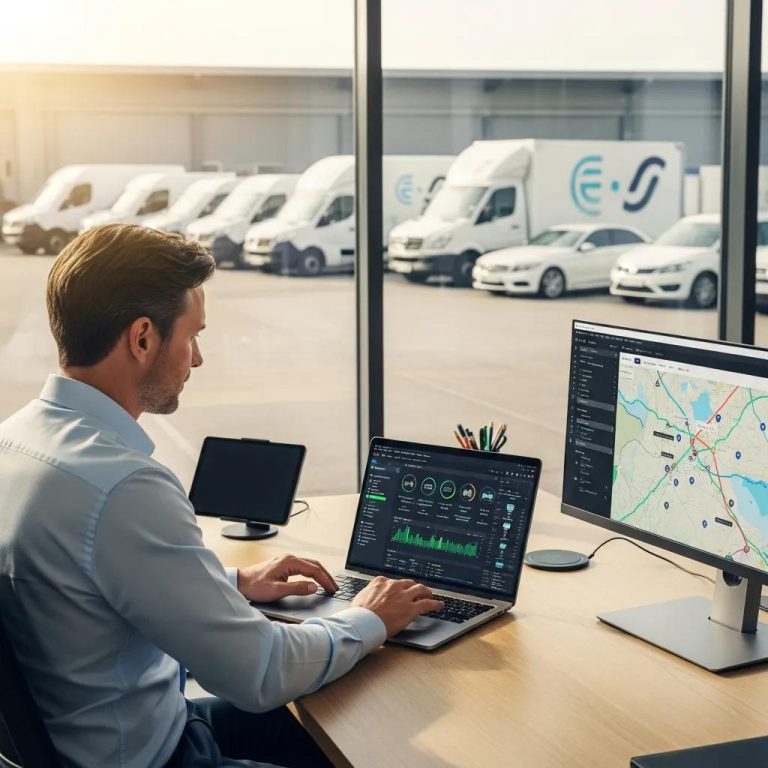
Features that enhance user experience in tracking software include intuitive interfaces, real-time tracking capabilities, customizable dashboards, alerts and notifications, and robust reporting options. These elements simplify navigation and improve efficiency for fleet management.
How does vehicle tracking support regulatory compliance?
Vehicle tracking supports regulatory compliance by providing real-time data on vehicle usage, maintenance schedules, and driver behavior, ensuring adherence to safety and environmental standards while simplifying reporting and audits for governmental regulations.
What integrations improve fleet management software functionality?
Integrations that enhance fleet management software functionality include GPS tracking for real-time vehicle location, telematics for performance data, fuel management systems, maintenance tracking tools, and driver safety applications. These integrations optimize operations and improve decision-making.
How do real-time insights impact fleet decision-making?
Real-time insights significantly enhance fleet decision-making by providing immediate data on vehicle performance, location, and driver behavior. This enables managers to make informed choices, optimize operations, and improve safety and efficiency in fleet management.
What are best practices for using safety tracking systems?
Best practices for using safety tracking systems include regular monitoring of vehicle data, integrating driver training programs, setting clear policy guidelines, and utilizing real-time alerts for incidents. This ensures enhanced safety and efficient fleet management.
How does safety tracking influence driver training programs?
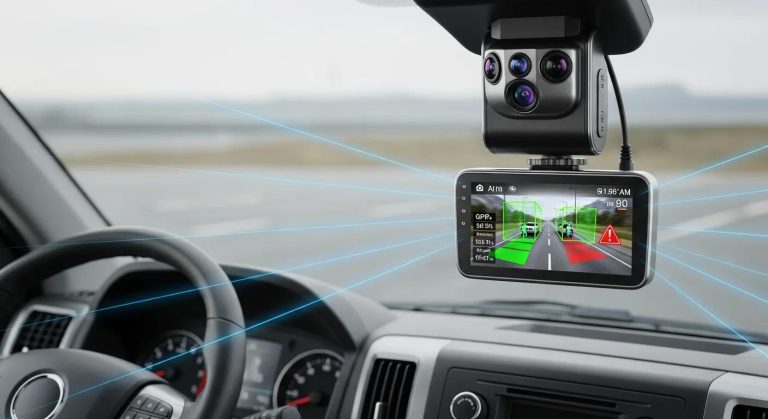
Safety tracking significantly influences driver training programs by providing real-time data on driver behavior, identifying areas for improvement, and enhancing the overall safety culture within the fleet. This targeted approach ensures more effective training and promotes safer driving practices.
What metrics are most important for fleet efficiency?
Key metrics for fleet efficiency include fuel consumption, vehicle utilization rate, maintenance costs, and driver performance. Monitoring these metrics helps optimize operations, reduce expenses, and enhance overall fleet productivity.
How does technology aid in fleet maintenance scheduling?
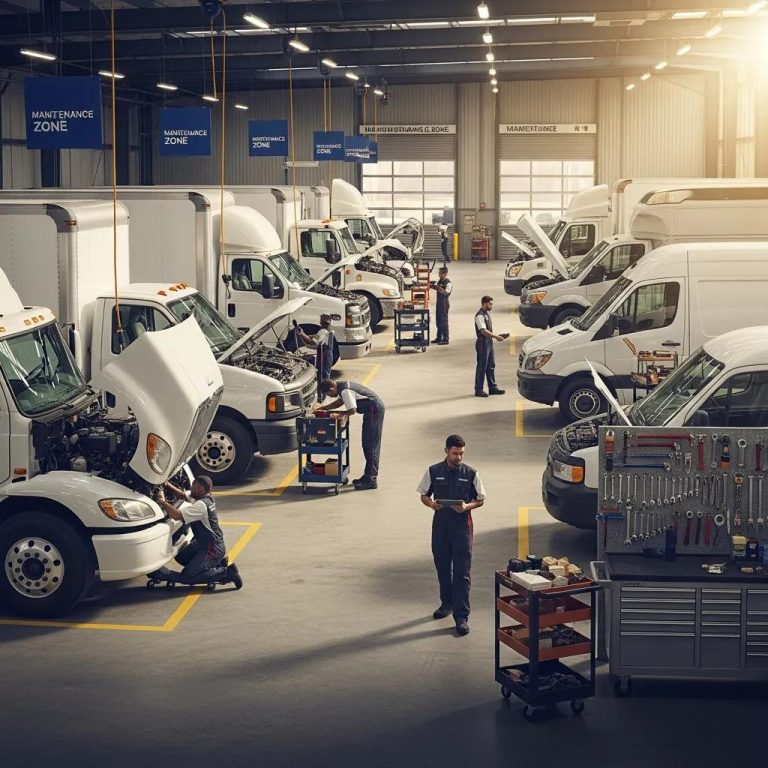
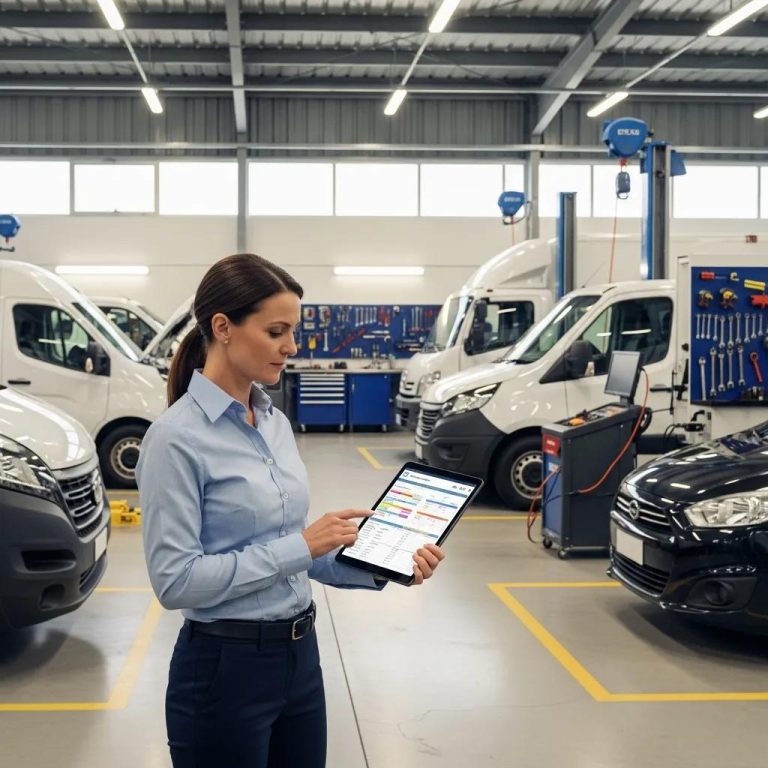
Technology aids in fleet maintenance scheduling by providing automated reminders, real-time tracking of vehicle conditions, and data analysis. This ensures timely maintenance, reduces downtime, and enhances overall fleet efficiency.
What are the privacy concerns with vehicle tracking?
The privacy concerns with vehicle tracking include unauthorized access to personal data, potential misuse of location information, and the risk of surveillance without consent. These factors raise significant questions about user privacy and data security in tracking systems.
How can GPS tracking assist in accident investigations?
GPS tracking assists in accident investigations by providing precise location data, speed information, and route history of vehicles involved, enabling authorities to analyze the circumstances surrounding the incident and establish accountability.
What is the future of technology in fleet management?
The future of technology in fleet management is characterized by advanced analytics, AI-driven decision making, and the integration of IoT devices, enhancing efficiency, safety, and sustainability in fleet operations.
How can fleet tracking enhance supply chain transparency?
Fleet tracking enhances supply chain transparency by providing real-time visibility into vehicle locations, delivery status, and route efficiency. This data allows businesses to monitor progress closely, optimize operations, and improve communication with suppliers and customers.
What training is needed for effective safety tracking use?
Effective safety tracking use requires training that encompasses system navigation, data interpretation, and best practices for monitoring fleet safety. Familiarity with safety tracking software and relevant safety protocols is essential for optimal operation.
safety track login, vehicle tracking blog, fleet tracking blog, fleet management blog
Understanding Fleet Management Technologies
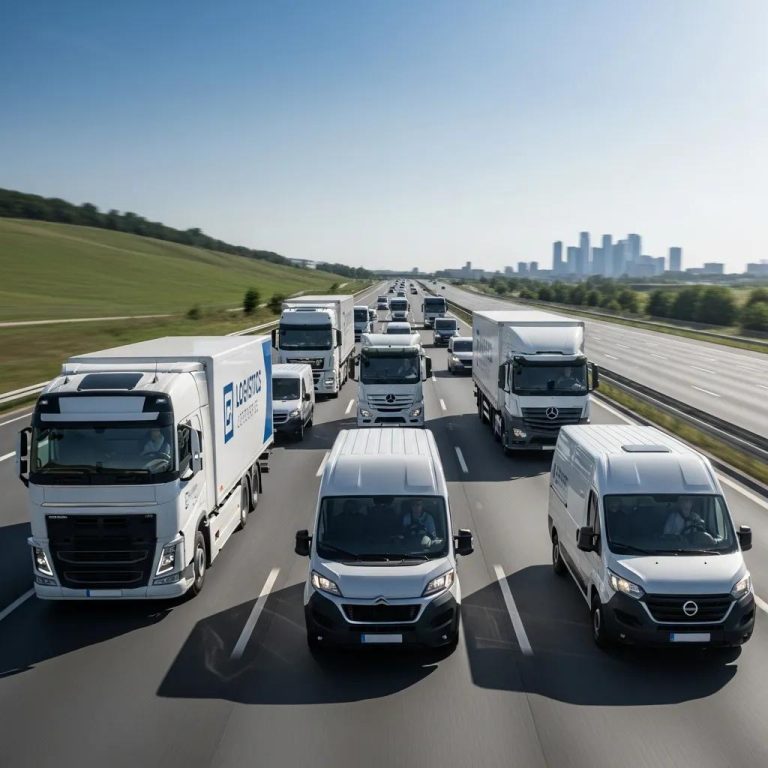
Fleet management technologies are essential tools that enable companies to optimize their vehicle operations. These technologies encompass GPS tracking, telematics, and advanced analytics, which work together to provide real-time insights into vehicle performance and driver behavior.
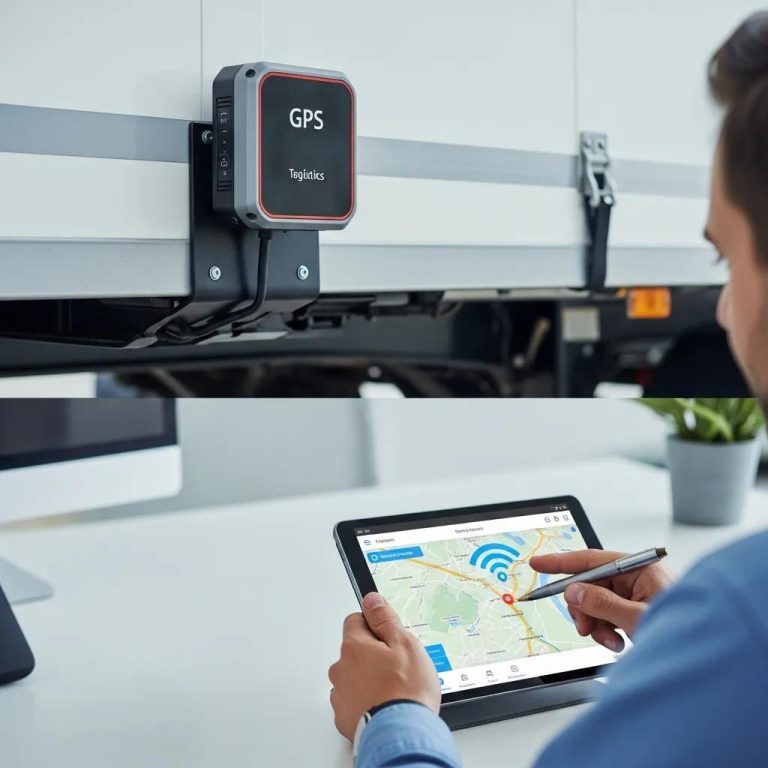
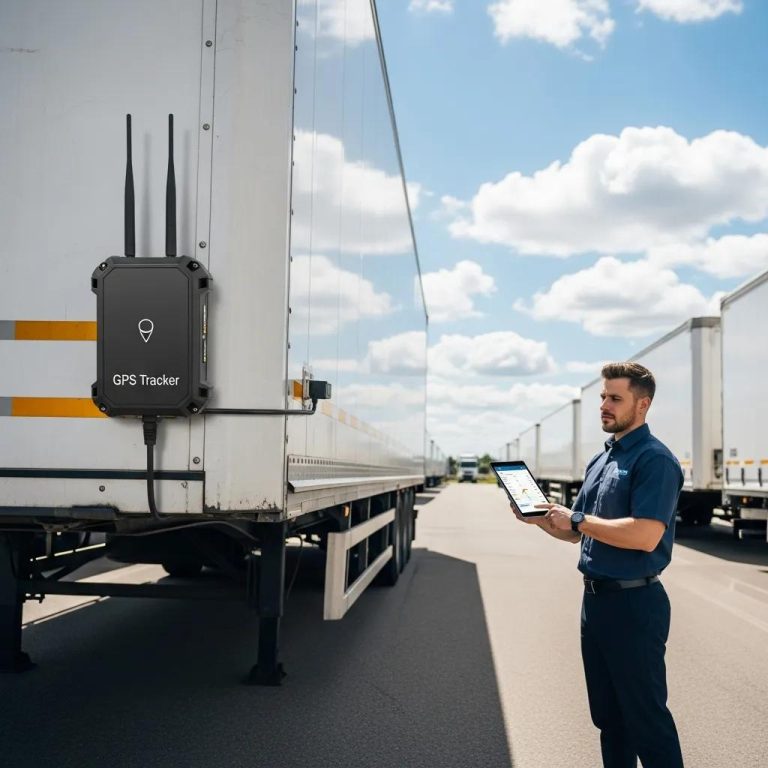
For instance, GPS tracking systems allow fleet managers to monitor the location and status of vehicles at all times, facilitating efficient route planning and timely deliveries. Telematics systems further enhance this capability by integrating data from various sensors, providing insights into fuel consumption, maintenance needs, and overall fleet efficiency.
Benefits of Implementing Fleet Telematics
Implementing fleet telematics offers numerous advantages for businesses looking to enhance their operational efficiency. By leveraging real-time data, companies can make informed decisions that lead to cost savings, improved safety, and better resource allocation.
For example, telematics can help identify inefficient driving patterns and reduce fuel consumption through route optimization. Additionally, it enhances vehicle maintenance by providing alerts for required servicing, ultimately prolonging the lifespan of the fleet and ensuring compliance with safety regulations.
Key Metrics for Evaluating Fleet Performance
Evaluating fleet performance requires a focus on key metrics that reflect operational efficiency and safety. Metrics such as fuel consumption, vehicle utilization rates, and maintenance costs provide valuable insights into how well a fleet is operating and where improvements can be made.
By regularly monitoring these metrics, fleet managers can identify trends and make data-driven decisions. For instance, tracking fuel consumption can reveal opportunities for reducing costs, while monitoring vehicle utilization can help optimize fleet size and reduce unnecessary expenses.
Future Trends in Fleet Management
The future of fleet management is being shaped by emerging technologies and trends that promise to revolutionize the industry. Innovations such as artificial intelligence, machine learning, and the Internet of Things (IoT) are paving the way for smarter, more efficient fleet operations.
For example, AI-driven analytics can predict maintenance needs before they become critical, reducing downtime and repair costs. Additionally, IoT devices enable real-time tracking and monitoring, enhancing visibility across the supply chain and improving overall operational efficiency.