
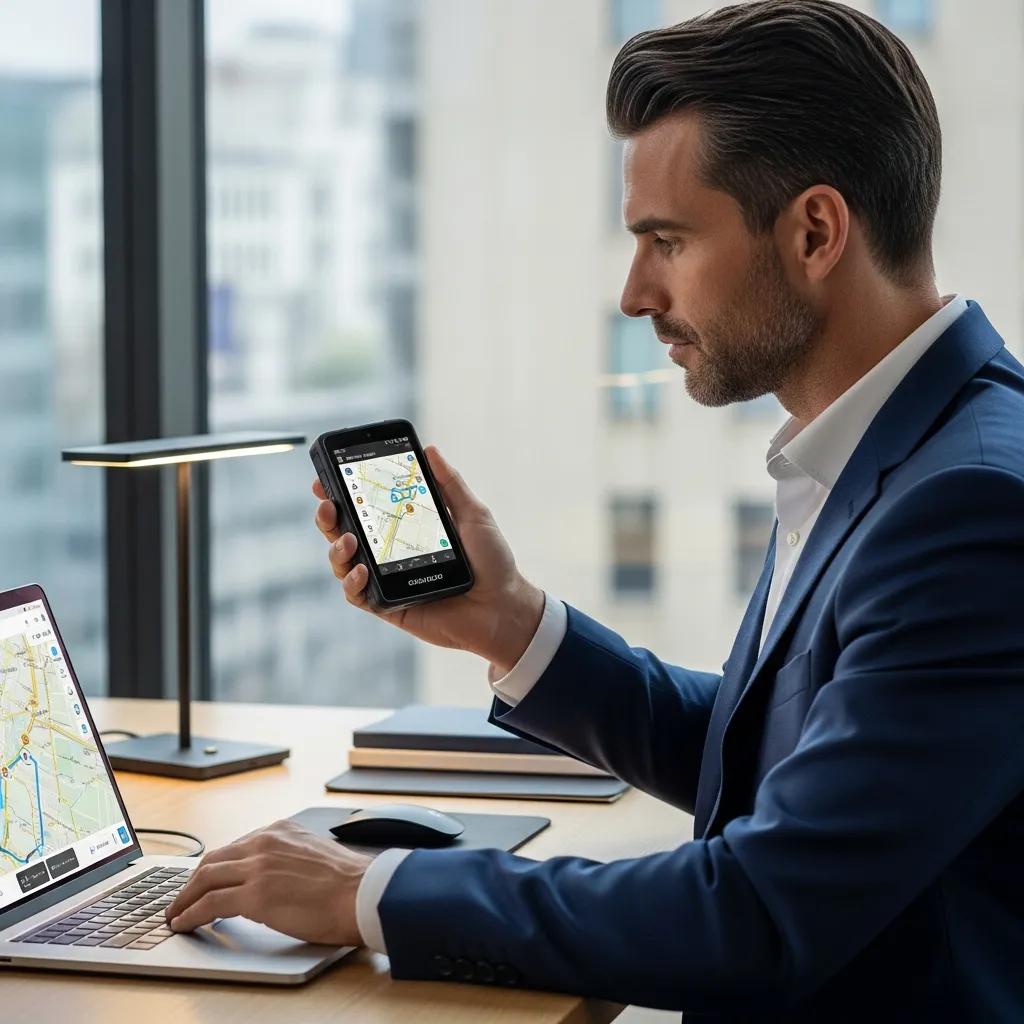
How Real-Time GPS Tracking Improves Resource Management
In an increasingly competitive landscape, businesses are constantly seeking innovative solutions to enhance operational efficiency. Real-time GPS tracking has emerged as a pivotal technology that not only improves resource management but also optimizes various operational processes. This article delves into the multifaceted benefits of real-time GPS tracking, exploring its role in fleet management, asset tracking, workforce management, and more. Readers will gain insights into how this technology can streamline operations, reduce costs, and enhance decision-making capabilities. As organizations face challenges in resource allocation and management, real-time GPS tracking offers a robust solution to these pressing issues. We will cover key aspects such as the definition of real-time GPS tracking, its impact on fleet management efficiency, asset utilization, workforce productivity, and the essential features to look for in GPS tracking software.
Indeed, effective management of GPS tracking systems is crucial for optimizing transportation and enhancing overall operational efficiency.
GPS Tracking Management for Transportation Efficiency
The management of GPS tracking systems plays a vital role in optimizing transportation systems and enhancing operational efficiency. GPS technology has revolutionized the way vehicles are tracked, monitored, and managed, enabling real-time visibility and effective decision-making. Effective management ensures accurate positioning and tracking of vehicles, efficient route planning, timely dispatching, and effective resource allocation. By adopting effective management practices, transportation systems can benefit from improved operational efficiency, reduced costs, enhanced safety, and better customer satisfaction.
Management of GPS tracking systems in transportation, R Verma, 2024
What Is Real-Time GPS Tracking and Its Role in Resource Management?
Real-time GPS tracking refers to the use of Global Positioning System technology to monitor the location and movement of assets, vehicles, or personnel in real-time. This technology operates through GPS devices that transmit location data to a centralized system, allowing businesses to access live information about their resources. The significance of real-time GPS tracking in resource management lies in its ability to provide accurate, timely data that enhances decision-making and operational efficiency. By leveraging this technology, organizations can optimize their resource allocation, reduce operational costs, and improve overall productivity.
How Does Real-Time GPS Tracking Provide Live Location Data?
Real-time GPS tracking provides live location data through a network of satellites that communicate with GPS devices installed on vehicles or assets. These devices continuously send location information to a central server, which processes and displays the data on a user-friendly interface. This technology enables businesses to monitor the exact location of their resources at any given moment, facilitating better planning and coordination. For instance, logistics companies can track delivery vehicles in real-time, allowing them to make informed decisions about route adjustments and estimated arrival times.
Why Is Resource Management Improved by Real-Time GPS Tracking?
The integration of real-time GPS tracking into resource management systems leads to significant improvements in efficiency and cost-effectiveness. By providing accurate location data, businesses can streamline their operations, reduce idle time, and enhance resource utilization. For example, companies can identify underutilized assets and reallocate them to areas where they are needed most. Additionally, real-time tracking allows for better communication and coordination among teams, leading to improved response times and customer satisfaction. Overall, the insights gained from GPS tracking empower organizations to make data-driven decisions that enhance their operational capabilities.
How Does Real-Time GPS Tracking Enhance Fleet Management Efficiency?
Fleet management is one of the primary areas where real-time GPS tracking demonstrates its value. By utilizing GPS technology, businesses can optimize their fleet operations, leading to reduced costs and improved service delivery. The ability to monitor vehicle locations in real-time allows for better route planning and scheduling, which can significantly decrease fuel consumption and travel time.
This approach is further supported by research highlighting how real-time data from various sources can lead to significant fleet optimization.
Real-Time GPS for Fleet Optimization
Simultaneous use of GIS, GPS, smartphones, traffic flow detectors, etc., makes it possible to collect real-time traffic data. In other words, in this paper, the vehicle routing problem is solved in real-time on a real road network, which leads to real-time fleet optimization.
Real-time fleet optimization in urban freight distribution using real traffic data, 2024
What Are the Benefits of Route Optimization Using GPS Data?
Route optimization using GPS data offers several key benefits for fleet management. Firstly, it reduces travel time by identifying the most efficient routes, which can lead to significant fuel savings. Secondly, optimized routes enhance delivery schedules, ensuring that goods arrive on time and improving customer satisfaction. Lastly, by minimizing unnecessary detours and stops, businesses can reduce wear and tear on vehicles, extending their lifespan and lowering maintenance costs.
How Does Driver Behavior Monitoring Improve Safety and Accountability?
Real-time GPS tracking also enables businesses to monitor driver behavior, which is crucial for enhancing safety and accountability. By analyzing data on speed, braking patterns, and route adherence, companies can identify risky driving behaviors and implement corrective measures. This not only helps in reducing accidents but also promotes a culture of safety within the organization. Furthermore, accountability is increased as drivers are aware that their performance is being monitored, leading to improved compliance with company policies and regulations.
In What Ways Does Real-Time GPS Tracking Optimize Asset Tracking and Utilization?
Asset tracking is another critical application of real-time GPS technology. By equipping valuable assets with GPS devices, businesses can monitor their location and usage patterns, leading to better asset management and utilization.
How Does GPS Tracking Prevent Asset Theft with Geofencing?
Geofencing is a powerful feature of GPS tracking that allows businesses to set virtual boundaries around specific areas. If an asset moves outside these predefined zones, alerts are triggered, enabling swift action to prevent theft or unauthorized use. This proactive approach significantly reduces the risk of asset loss and enhances security measures. For instance, construction companies can protect their equipment from theft by receiving immediate notifications if machinery is moved outside designated job sites. construction industry fleet tracking.
How Can Businesses Maximize Equipment Utilization Through GPS Data?
By analyzing GPS data, businesses can gain insights into equipment usage patterns, helping them identify underutilized assets. This information allows organizations to make informed decisions about resource allocation, ensuring that equipment is used efficiently. For example, companies can schedule maintenance during periods of low usage, minimizing downtime and maximizing productivity. Additionally, understanding usage trends can inform purchasing decisions, enabling businesses to invest in equipment that meets their operational needs.
Studies confirm that real-time equipment monitoring significantly boosts asset utilization and empowers managers with data for strategic decisions.
Real-Time GPS Asset Tracking & Decision Making
GPS tracking of physical assets is seen by many as the most effective way to monitor and manage them in real-time. This real-time equipment monitoring (RTEM) approach led to 30.8% increase in assets utilization. Generally, a benefit of RTEM is that it provides managers for effective decision-making at strategic levels.
Development of asset management model using real-time equipment monitoring (RTEM): case study of an industrial company, 2020
How Does Real-Time GPS Tracking Improve Workforce Management and Productivity?
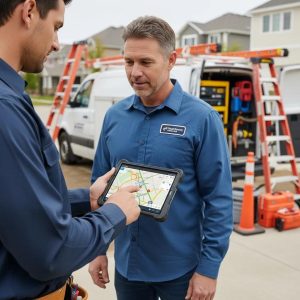
Real-time GPS tracking is not limited to vehicles and assets; it also plays a vital role in workforce management. By tracking employee locations and activities, businesses can enhance productivity and streamline operations.
What Are the Advantages of Real-Time Employee Location Tracking?
Real-time employee location tracking provides several advantages, including improved task assignment and enhanced response times. Managers can quickly identify the nearest available employee for a specific task, ensuring that resources are allocated efficiently. This capability is particularly beneficial in industries such as field service, where timely responses are critical to customer satisfaction. Furthermore, tracking employee locations can help organizations monitor attendance and ensure compliance with labor regulations.
How Does GPS Tracking Enhance Time Management and Worker Safety?
GPS tracking enhances time management by providing accurate data on employee movements and work hours. This information allows businesses to optimize schedules and reduce overtime costs. Additionally, GPS technology contributes to worker safety by enabling employers to monitor employee locations in real-time, ensuring that help can be dispatched quickly in case of emergencies. By prioritizing safety and efficiency, organizations can create a more productive work environment.
What Key Features Should You Look for in Real-Time GPS Tracking Software?
When selecting a real-time GPS tracking solution, businesses should consider several key features that enhance functionality and usability.
Which Functionalities Enable Effective Route Optimization and Reporting?
Effective GPS tracking software should include functionalities such as route optimization algorithms, real-time traffic updates, and comprehensive reporting tools. These features enable businesses to analyze performance metrics, identify areas for improvement, and make data-driven decisions. Additionally, user-friendly interfaces and mobile accessibility are essential for ensuring that teams can access critical information on the go.
How Does Integration with Business Systems Enhance Resource Management?
Integration capabilities with existing business systems, such as ERP or CRM platforms, are crucial for maximizing the benefits of GPS tracking. By connecting GPS data with other operational systems, businesses can gain a holistic view of their resources and streamline processes. This integration allows for better data analysis, improved forecasting, and enhanced decision-making, ultimately leading to more efficient resource management.
How Can Businesses Measure the ROI of Real-Time GPS Tracking?
Measuring the return on investment (ROI) of real-time GPS tracking is essential for justifying the implementation of this technology.
What KPIs Demonstrate Cost Reduction and Efficiency Gains?
Key performance indicators (KPIs) such as fuel savings, reduced travel time, and improved asset utilization can effectively demonstrate the ROI of GPS tracking. By tracking these metrics over time, businesses can quantify the financial benefits of implementing GPS technology. For instance, a logistics company may find that optimizing routes leads to a 10-15% reduction in fuel costs, translating to significant savings over the long term.
How Do Case Studies Illustrate Real-World Resource Management Improvements?
Case studies provide valuable insights into the practical applications of real-time GPS tracking and its impact on resource management. For example, a construction company that implemented GPS tracking reported a 20% increase in equipment utilization and a 25-30% reduction in theft incidents. These real-world examples highlight the tangible benefits of GPS technology and serve as a compelling argument for its adoption.
What Is the Future of Resource Management with GPS and AI Technologies?
The future of resource management is poised for transformation with the integration of GPS technology and artificial intelligence (AI).
How Will Predictive Analytics Transform Resource Allocation?
Predictive analytics, powered by AI, will enable businesses to forecast resource needs more accurately. By analyzing historical data and identifying patterns, organizations can optimize resource allocation and anticipate future demands. This proactive approach will lead to more efficient operations and reduced costs, as businesses can allocate resources where they are needed most.
What Emerging Technologies Will Impact Real-Time GPS Tracking?
Emerging technologies such as 5G connectivity and advanced sensor systems will further enhance the capabilities of real-time GPS tracking. With faster data transmission and improved accuracy, businesses will be able to leverage real-time insights to make informed decisions quickly. As these technologies continue to evolve, the potential applications of GPS tracking in resource management will expand, offering even greater benefits to organizations.
How Can Businesses Implement and Monitor Real-Time GPS Tracking Effectively?
Implementing real-time GPS tracking requires careful planning and ongoing monitoring to ensure success.
What Are Best Practices for Structured Data and Semantic SEO?
To maximize the effectiveness of GPS tracking, businesses should adopt best practices for structured data and semantic SEO. This includes ensuring that GPS data is accurately categorized and easily accessible for analysis. By implementing structured data protocols, organizations can enhance their ability to leverage GPS insights for decision-making and operational improvements.
How Should Companies Track Performance and Update Content Regularly?
Regular performance tracking and content updates are essential for maintaining the effectiveness of GPS tracking systems. Companies should establish key metrics to monitor and evaluate the performance of their GPS solutions continually. Additionally, updating content and training materials regularly ensures that employees are equipped with the latest information and best practices for utilizing GPS technology effectively.
The features outlined in the table above highlight the essential components of effective GPS tracking software. By focusing on these functionalities, businesses can ensure they select a solution that meets their operational needs and enhances resource management.
Real-time GPS tracking is a transformative technology that offers numerous benefits for resource management. By providing accurate location data, optimizing fleet operations, enhancing asset utilization, and improving workforce productivity, businesses can achieve significant cost savings and operational efficiencies. As organizations continue to embrace this technology, the future of resource management will undoubtedly be shaped by the advancements in GPS and AI technologies.

Hannah Lang is a Social Media Marketing Specialist at Safety Track. She has her bachelor’s degree in Advertising and Public Relations from Grand Valley State University. With her passion for research, Hannah possesses a wealth of knowledge expanding across multiple industries and disciplines. Her efforts won her a Scholastic Art and Writing regional Gold Key award.