

How Fleet Camera Systems Help Control Insurance Costs – Safety Track
How Safety Track Fleet Cameras Slash Insurance Premiums
Soaring commercial auto insurance premiums can seriously impact your fleet’s bottom line. To rein in those costs, you need sharp visibility and actionable insights. Fleet camera systems are your key to minimizing risk, providing irrefutable video evidence, and boosting driver performance—all of which lead to lower premiums and fewer claims expenses. This guide dives into how cameras and GPS solutions empower you to manage risk effectively, exploring:
- How cameras directly reduce commercial auto insurance premiums
- The significant impact of telematics and GPS tracking on insurance savings
- Leveraging AI-powered dash cams for superior risk detection
- Combating fraud and expediting claims with video evidence
- Essential strategies for selecting and deploying camera systems
- Calculating the true ROI of your insurance cost reduction efforts
- Ensuring compliance, legal defensibility, and industry-specific needs
- The latest trends and data shaping the fleet insurance market
By the time you finish reading, you’ll have a clear understanding of how fleet camera solutions can slash your insurance premiums and sharpen your risk management strategy.
How Do Fleet Camera Systems Slash Commercial Auto Insurance Premiums?
Fleet camera systems bring down commercial auto insurance premiums by delivering objective incident records, cultivating safer driving habits, deterring fraudulent claims, and fortifying your liability defenses. This powerful combination of evidence and behavioral improvement translates into consistent .
What’s the Role of Video Evidence in Lowering Insurance Premiums?
Video evidence captures accident details as they happen, definitively proving fault and clearing innocent drivers. By supplying clear, undeniable footage to your insurers, fleets drastically cut down on investigation time and dispute costs.
- Front- and driver-facing cameras capture collisions from multiple perspectives.
- Time-stamped video accelerates fault determination and the initial claim notification process.
- Unambiguous evidence effectively discourages staged accidents and “crash-for-cash” scams.
Crystal-clear footage can slash average claim resolution times by up to 40%, leading to lower loss ratios that insurers reward with reduced premiums. Fleet resolution
How Do Dash Cams Elevate Driver Behavior to Cut Insurance Costs?
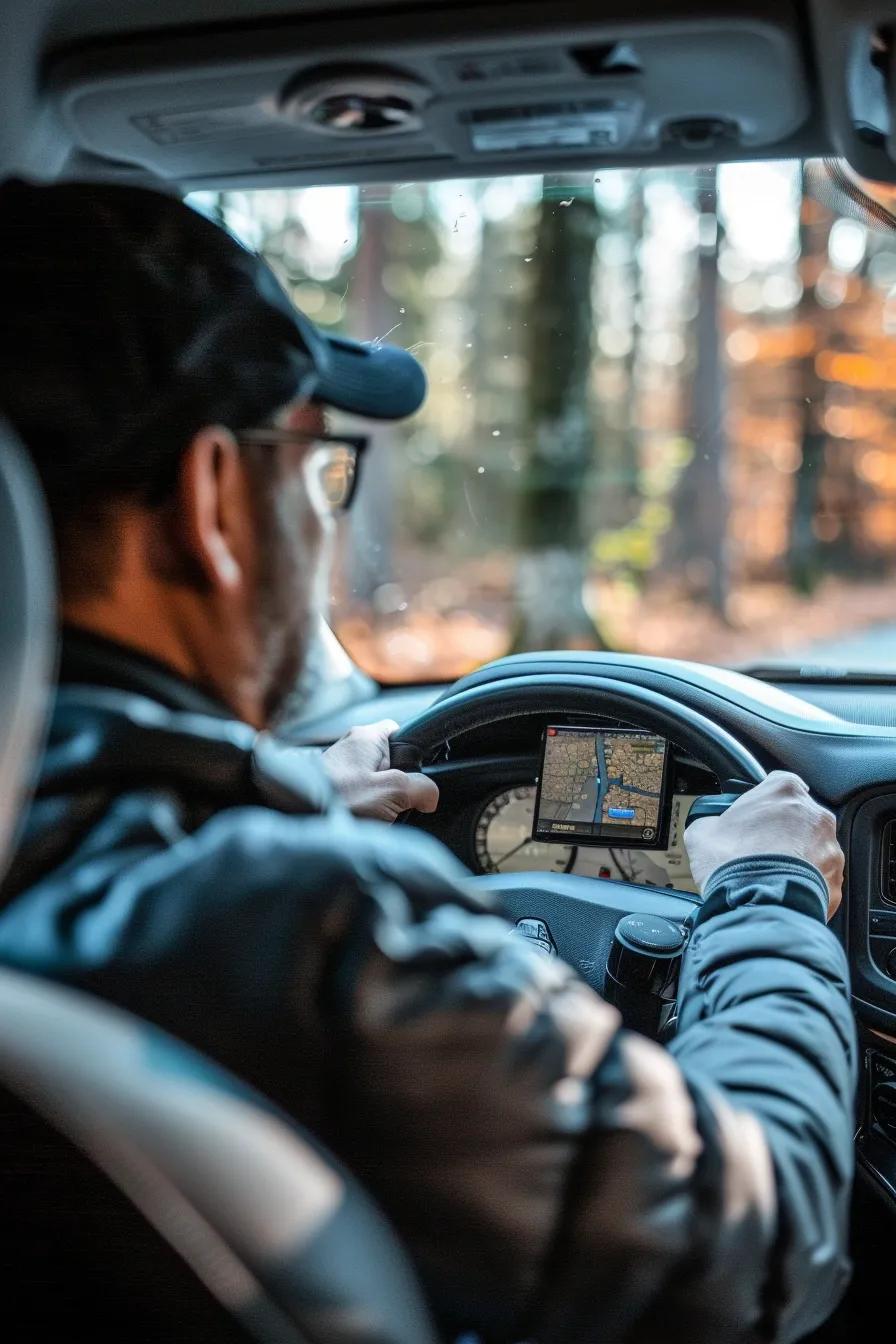
Dash cams actively improve driver behavior by monitoring and coaching on critical risk factors like speeding and harsh braking. This continuous feedback loop fosters safer driving habits, which insurers recognize with valuable discounts.
- Speed Monitoring – Provides immediate alerts to drivers when they exceed safe speeds in high-risk areas.
- Harsh Braking Detection – Flags abrupt stops, prompting coaching on smoother, more defensive driving techniques.
- Distracted Driving Warnings – Utilizes AI to identify and alert drivers to phone usage or other in-cab distractions.
Consistent driver coaching can reduce accident frequency by 20–30%, and insurers often grant 5–15% discounts to fleets demonstrating sustained safety improvements.
How Do Fleet Cameras Effectively Mitigate Legal Liability and Claims?
Fleet cameras significantly reduce legal liability by providing impartial records that bolster defense strategies, thereby lowering settlement payouts and legal expenses.
- Recorded footage meticulously documents events, minimizing reliance on subjective testimony.
- High-definition video streamlines litigation timelines by clarifying incident details.
- Driver-facing cameras act as a deterrent against reckless behavior, reducing overall liability exposure.
By decreasing average settlement amounts by as much as 25%, fleets can achieve up to 10% in premium savings through enhanced legal defensibility.
How Do Fleet Cameras Help Prevent Theft and Vandalism Claims?
Fleet camera systems act as a powerful deterrent against theft and vandalism by maintaining constant surveillance in yards and on the road, leading to fewer related insurance claims.
- Night-vision cameras provide vigilant monitoring of parked vehicles for break-in attempts.
- Mobile cameras stream live footage directly to security operations centers.
- Motion detection technology triggers immediate alerts for unauthorized entry or tampering.
The mere presence of visible cameras can reduce vehicle theft incidents by 40%, resulting in fewer comprehensive claims and lower premiums for this coverage.
What’s the Impact of Telematics and GPS Tracking on Fleet Insurance Savings?
Integrating telematics and GPS tracking with your camera systems provides insurers with detailed data on vehicle usage and driver behavior, paving the way for usage-based insurance models and targeted premium discounts.
Commercial auto insurance premiums have surged dramatically in recent years. Some reports indicate an increase of nearly 50% over the past decade, with a particularly sharp rise between 2018 and 2020. More recently, auto premiums have climbed by over 22% in the last year alone, and vehicle insurance costs rose by a staggering 37% in the two years leading up to December 2023. (Source: ) In response, are seeing widespread adoption. Over half of insured fleets (54%) now receive insurance discounts for their use, with telematics delivering average premium savings of 20.1% and accident-expense reductions of 19%. (Source: )
How Does GPS Tracking Influence Commercial Fleet Insurance Rates?
GPS tracking significantly influences insurance rates by providing precise data on location, mileage, and route adherence, allowing for more accurate risk underwriting.
- Mileage monitoring helps prevent excessive usage charges.
- Geofencing ensures vehicles operate strictly within authorized operational zones.
- Route analytics identify high-risk corridors, enabling targeted driver coaching.
Insurers commonly offer 3–8% discounts for fleets utilizing GPS-based telematics, reflecting a reduced exposure to off-route or unauthorized vehicle use.
How Is Driver Behavior Monitored Through Telematics for Insurance Discounts?
Telematics meticulously monitors driver behavior by collecting data on acceleration, cornering, and braking patterns, then assigning safety scores to drivers.
- Harsh Acceleration – Pinpoints instances of sudden throttle application.
- Sharp Cornering – Measures lateral G-forces to assess cornering risk.
- Idling Time – Tracks excessive idle periods that can impact operational efficiency and safety.
Usage-based insurance providers reward fleets with 5–20% premium reductions when their aggregate telematics scores consistently exceed established safety thresholds.
What Are Usage-Based Insurance Models and Their Benefits for Fleets?
Usage-based insurance (UBI) models harness telematics and camera data to customize premiums based on actual driving risk, moving beyond static classifications.
- Pay-How-You-Drive (PHYD) offers discounts for safe behavior metrics like speed compliance and smooth braking.
- Pay-Per-Mile (PPM) adjusts premiums based directly on the actual mileage driven.
- Pay-As-You-Use (PAYU) combines risk profiles related to time-of-day and specific routes.
UBI models can deliver premium savings of up to 25% for fleets that consistently demonstrate low-risk driving patterns. fleet safety technology
How Do AI-Powered Dash Cams Elevate Risk Detection and Insurance Savings?

AI-powered dash cams significantly enhance risk detection by employing machine learning and computer vision to identify unsafe behaviors and provide real-time driver alerts, thereby preventing accidents and reducing claims.
What AI Features Detect Risky Driving Behaviors in Fleet Cameras?
AI features integrated into dash cams excel at detecting risky driving behaviors such as distracted driving, tailgating, and lane departures through sophisticated algorithms.
- Computer Vision accurately identifies phone use, smoking, and signs of driver fatigue.
- Machine Learning models proactively predict collision risks based on observed movement patterns.
- Real-Time Alerts provide immediate warnings to drivers about imminent dangers, like potential forward collisions.
By catching risky behaviors early, AI dash cams can reduce preventable accidents by up to 30%, translating directly into premium credits from insurers.
Research consistently shows that AI-powered dashcams dramatically reduce accident rates and lead to substantial insurance premium savings for commercial fleets. Studies report accident rate reductions ranging from 22% to 27% through real-time driver behavior monitoring and coaching. Furthermore, fleets utilizing AI dashcams have reported insurance premium cuts of 12–22% within just 12 months, with some systems demonstrating remarkable results like 57% fewer accidents and 30% lower accident-related costs. (Source: )
How Does AI Video Telematics Prevent Accidents and Reduce Claims?
AI video telematics proactively prevents accidents by forecasting hazardous scenarios and prompting corrective actions before incidents can occur.
- Predictive analytics identify high-risk road segments and specific driver actions.
- Automated risk scoring prioritizes coaching interventions for critical behaviors.
- Continuous learning capabilities adapt to evolving driver and environmental conditions for ongoing improvement.
Fleets typically experience a 20% reduction in insurance claims within the first year of deploying AI telematics, prompting insurers to offer significant premium rebates.
Which Insurance Providers Offer Discounts for AI-Enabled Fleet Cameras?
A growing number of insurers are incentivizing the adoption of AI-enabled fleet cameras by offering structured discounts and valuable safety program benefits.
How Can Fleet Camera Systems Prevent Insurance Fraud and Expedite Claims?
Fleet camera systems are instrumental in preventing insurance fraud and accelerating claims processing by serving as impartial witnesses and streamlining evidence collection, thereby reducing administrative burdens.
Video telematics solutions are exceptionally effective in combating insurance fraud and speeding up claims processing. They provide unbiased video footage crucial for determining fault in accidents, challenging traffic citations, and identifying fraudulent claims like “crash-for-cash” schemes. A survey by the American Transportation Research Institute (ATRI) revealed that road-facing telematics camera data exonerates commercial motor vehicle drivers in approximately 63% of cases, significantly reducing liability and expediting claim resolutions. (Source: fleet safety telematics)
How Do Cameras Help Combat “Crash-for-Cash” and False Claims?
Cameras effectively combat staged accidents by capturing pre-impact behavior, ensuring insurers can accurately distinguish genuine collisions from orchestrated scams.
- Pre-event footage clearly shows vehicle speed and trajectory leading up to an incident.
- Post-event recordings confirm the severity of the collision and the point of impact.
- Independent video logs serve as a powerful deterrent against opportunistic fraudsters targeting fleet vehicles.
This robust fraud prevention capability can reduce disputed claims by over 50%, leading insurers to lower overall fleet rates.
In What Ways Does Video Evidence Speed Up Claims Processing?
Video evidence dramatically accelerates claims processing by providing immediate, unambiguous documentation that underwriters and adjusters can review without lengthy investigations.
- First Notification of Loss (FNOL) enriched with video footage significantly shortens response times.
- Evidence packages are automatically compiled from secure cloud storage.
- Digital claim files seamlessly integrate video with telematics data for comprehensive incident reports.
Faster claims resolution cuts administrative costs by up to 30% and builds strong insurer confidence, contributing to premium stability.
What Are the Best Practices for Choosing and Implementing Fleet Camera Systems?
Selecting and implementing the right fleet camera system involves a careful evaluation of core features, ensuring seamless integration with existing operations, and providing thorough staff training to maximize insurance benefits.
Which Features Should You Look for in Fleet Cameras to Maximize Insurance Savings?
When selecting fleet cameras, prioritize capabilities that enhance risk management, enable effective behavior monitoring, and ensure the highest quality of evidence.
How Do You Integrate Fleet Cameras with Existing Fleet Management Systems?
Integrating cameras with your fleet management systems consolidates data streams, enabling unified risk assessment and streamlined reporting.
- Utilize open APIs to seamlessly connect camera feeds with existing telematics dashboards.
- Implement unified, single-pane operator interfaces for efficient real-time monitoring.
- Align alert thresholds across camera and GPS modules to ensure consistent driver coaching protocols.
A cohesive, integrated platform facilitates faster decision-making and enhances transparency for insurance underwriting.
What Are the Steps to Successfully Adopt Fleet Cameras for Insurance Benefits?
Successful adoption requires meticulous planning, strategic deployment, and continuous optimization to fully realize insurance savings.
- Needs Assessment – Thoroughly identify high-risk routes and prevalent behavior trends within your fleet.
- Pilot Program – Deploy cameras on a select subset of vehicles to validate benefits and gather initial feedback.
- Driver Training – Educate drivers comprehensively on new safety protocols and effective technology usage.
- Full Rollout – Expand camera installation fleet-wide, diligently monitoring key performance metrics.
- Review & Optimize – Analyze claims data and telematics trends to drive ongoing operational improvements.
Adhering to these steps ensures fleets can achieve maximum premium reductions within 6–12 months of implementation.
What Is the Return on Investment (ROI) of Fleet Camera Systems for Insurance Cost Reduction?
Calculating the ROI for fleet camera systems involves quantifying accident cost savings, premium discounts achieved, and operational efficiencies gained, weighed against the initial system investment.
What Real-World Case Studies Demonstrate Insurance Savings from Fleet Cameras?
Numerous fleets have documented substantial insurance cost reductions following the installation of camera systems:
- A logistics provider reported a 30% decrease in accident-related claims, resulting in annual savings of $150,000.
- A delivery company successfully secured a 20% premium rebate from insurers within their first year of implementation.
- A service fleet reduced legal settlements by 25%, cutting annual liability costs by $80,000.
These compelling examples clearly illustrate how camera systems drive tangible improvements in insurance expenses.
How Do You Calculate Potential Insurance Savings with Fleet Cameras?
Estimating potential savings requires a comparison of pre- and post-deployment claims data, projected premium change percentages, and the total cost of the system investment.
- Savings = (Annual Claims Cost Before – Annual Claims Cost After) + (Annual Premium Before × Discount Rate)
- ROI (%) = (Savings – System Investment) ÷ System Investment × 100
Using conservative estimates of a 15% claims reduction and a 10% premium discount, fleets typically achieve a full ROI within 12–18 months.
How Do Fleet Camera Systems Support Compliance and Legal Defensibility?
Fleet camera systems are crucial for meeting regulatory requirements and strengthening legal positions by maintaining accurate incident records and comprehensive driver logs.
How Do Cameras Help Meet DOT and Industry Compliance Requirements?
Cameras actively support Department of Transportation (DOT) compliance by capturing hours-of-service events, in-cab observations, and critical safety audit data.
- Automated event recording meticulously documents any violations or near-miss incidents.
- Video logs serve as readily available evidence for audit requests and incident investigations.
- Integrated telematics data aligns seamlessly with electronic logging device (ELD) records.
This comprehensive documentation streamlines regulatory reporting processes and significantly reduces the risk of non-compliance fines.
In What Ways Does Video Evidence Reduce Legal Liability in Accidents?
Video evidence minimizes legal liability by providing a clear, factual account of the exact sequence of events and driver actions, thereby reducing unwarranted fault assignments. For more information, check out can be beneficial.
- Clear, objective footage effectively discounts subjective eyewitness accounts.
- Timestamped video data correlates precisely with telematics speed and location information.
- Driver commentary recordings offer valuable context for unexpected hazards encountered on the road.
These irrefutable records can lower settlement demands by up to 25%, reinforcing insurer confidence in long-term premium stability.
How Do Fleet Camera Systems Address Specific Industry Needs for Insurance Savings?
Different fleet sectors face unique risk profiles and insurance challenges, which tailored camera solutions are specifically designed to address.
What Are the Insurance Challenges and Camera Benefits for Logistics Fleets?
Logistics fleets commonly deal with long-haul operations, diverse road conditions, and demanding delivery schedules—factors that contribute to higher insurance rates.
- Continuous on-road monitoring significantly reduces highway accident frequency.
- Route replay functions enable detailed post-trip analysis for targeted driver training.
- Load-securement cameras verify proper cargo handling and prevent damage claims.
By effectively addressing these specific risks, logistics operators can secure 10–15% premium reductions through specialized carrier programs.
How Do Construction and Public Transit Fleets Benefit from Camera Systems?
Construction and public transit fleets require robust site safety monitoring and passenger protection features to effectively control insurance exposure.
- Site-facing cameras meticulously document loading and unloading operations, reducing site-related incidents.
- In-cab and passenger-area cameras capture safety incidents within transit vehicles, enhancing accountability.
- Noise and proximity alerts help mitigate collision risks in busy construction sites and urban environments.
These industry-specific applications lead to targeted discounts on liability and passenger insurance coverages.
What Are the Latest Industry Trends and Statistics on Fleet Cameras and Insurance?
Emerging trends in fleet safety technology and evolving insurer programs highlight expanding opportunities for premium reductions and enhanced risk mitigation.
How Have Insurance Costs Changed and How Do Cameras Impact These Trends?
Commercial auto insurance costs saw a significant increase of 22.8% between 2021 and 2023, driven by escalating accident severity and rising repair expenses. Fleets actively utilizing camera and telematics solutions reported average accident cost decreases of 15%, effectively counteracting the upward trend in premiums. (Source: )
What Do Recent Studies Reveal About Accident Reduction and Insurance Discounts?
Recent research indicates that fleets leveraging AI video telematics experience accident reduction rates of up to 30% and insurers are increasingly offering 5–20% premium incentives for documented safety programs. Usage-based insurance participation has surged by 40% among commercial fleets over the past two years. (Source: )
By seamlessly integrating , camera systems, and AI-driven insights, fleets can transform their risk management approach into measurable insurance savings—securing a significant competitive advantage and enhancing operational resilience.

Hannah Lang is a Social Media Marketing Specialist at Safety Track. She has her bachelor’s degree in Advertising and Public Relations from Grand Valley State University. With her passion for research, Hannah possesses a wealth of knowledge expanding across multiple industries and disciplines. Her efforts won her a Scholastic Art and Writing regional Gold Key award.