

How AI Fleet Optimization Tools Transform Your Operations
How AI Fleet Optimization Tools Transform Your Operations
The integration of AI fleet optimization tools is revolutionizing the logistics and transportation industry, offering unprecedented efficiency and cost savings. These advanced technologies leverage data analytics and machine learning to enhance fleet management, ensuring that operations run smoothly and effectively. In this article, we will explore how AI-powered fleet management software can transform your operations, focusing on key benefits, features, and best practices for implementation. As businesses face increasing pressure to reduce costs and improve service delivery, understanding the capabilities of AI tools becomes essential. We will delve into the mechanisms behind vehicle routing optimization, predictive maintenance, and real-time tracking, providing insights into how these innovations can enhance operational efficiency and safety.
Further research underscores the comprehensive impact of AI-driven predictive analytics on fleet management, highlighting its role in optimizing route planning, vehicle allocation, and predictive maintenance.
AI Predictive Analytics for Fleet Optimization
The realm of logistics and transportation is undergoing a transformative shift due to advancements in artificial intelligence (AI) and machine learning (ML) technologies. This research paper investigates the application of AI-driven predictive analytics for optimizing fleet management, focusing on three critical aspects: route planning, vehicle allocation, and predictive maintenance. The study is driven by the imperative to reduce operational costs, enhance delivery efficiency, and improve vehicle utilization through sophisticated AI models.
AI-Driven Predictive Analytics for Fleet Management Optimization in Logistics and Transportation: Leveraging Machine Learning for Route Planning, Vehicle …, VK Dunka, 2022
What Are the Key Benefits of AI-Powered Fleet Management Software?
AI-powered fleet management software offers several significant advantages that can transform operations. These benefits include:
- Enhanced Driving Experience: AI tools provide drivers with real-time feedback and route optimization, leading to smoother journeys and improved job satisfaction.
- Efficiency and Sustainability: By optimizing routes and reducing idle time, AI helps lower fuel consumption and emissions, contributing to more sustainable operations.
- Proactive Safety Measures: AI systems can predict potential issues before they arise, allowing for timely interventions that enhance driver and vehicle safety.
For companies looking to implement these tools, Safety Track specializes in AI-driven optimization solutions that can significantly improve fleet performance.
How Does AI Improve Vehicle Routing Optimization for Efficiency?
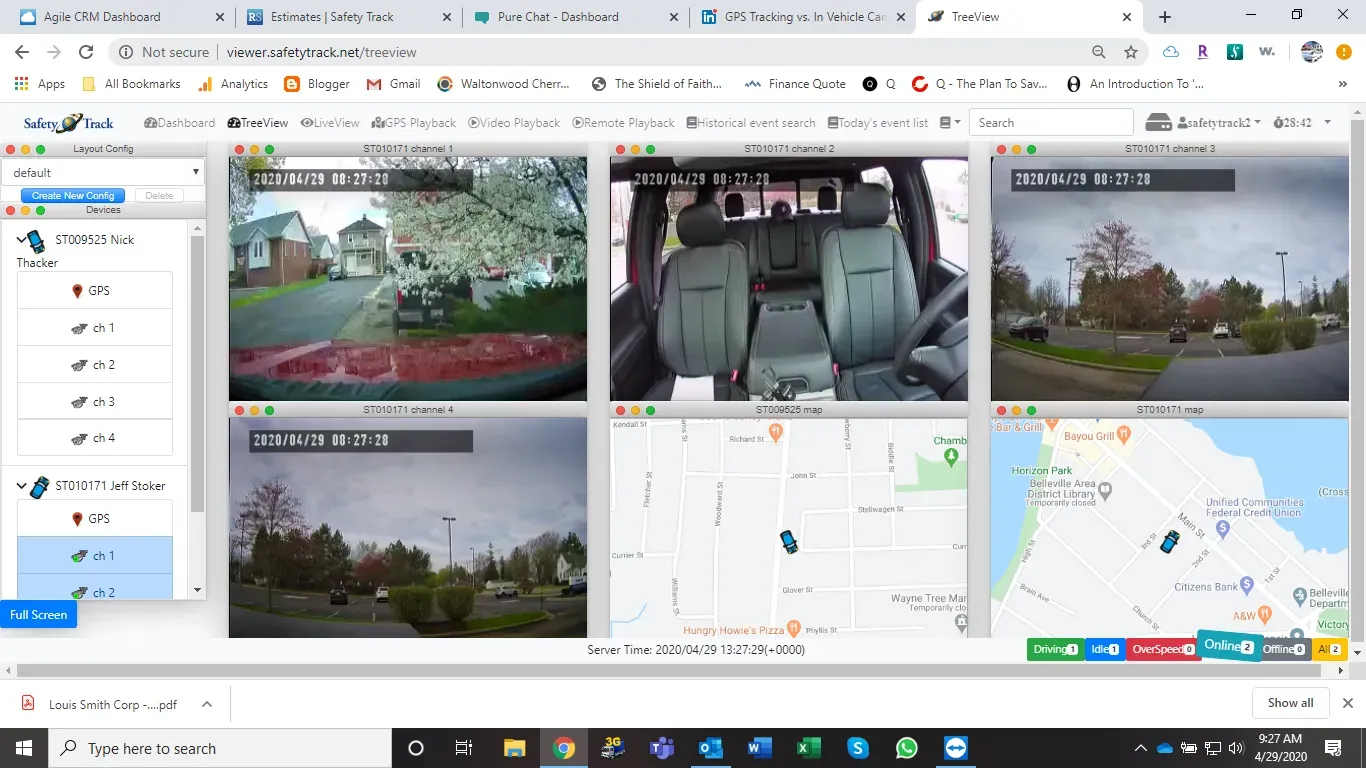
AI enhances vehicle routing optimization by utilizing real-time data analysis and predictive algorithms. These technologies analyze traffic patterns, weather conditions, and historical data to determine the most efficient routes for each vehicle. By continuously updating routes based on current conditions, AI ensures that deliveries are made on time while minimizing fuel consumption. This dynamic approach not only reduces operational costs but also improves customer satisfaction by providing accurate delivery estimates.
A study on intelligent fleet and delivery management further elaborates on how AI applications, particularly real-time routing and adaptive scheduling, significantly enhance operational performance and reduce delivery delays.
AI for Real-Time Fleet & Delivery Management
This study examined the impact of artificial intelligence (AI) applications on intelligent fleet and delivery management, focusing specifically on real-time routing, adaptive scheduling, and performance control systems. The research aimed to determine how these AI-driven technologies influenced fleet operational performance in terms of efficiency, reliability, cost reduction, and asset utilization. The findings revealed that AI-based real-time routing significantly enhanced route optimization and reduced delivery delays. Adaptive scheduling systems improved responsiveness to fluctuating demand and resource allocation challenges.
Intelligent Fleet and Delivery Management: AI Applications for Real-Time Routing, Scheduling, and Performance Control, 2026
Real-Time Data Analysis
Real-time data analysis allows AI systems to adapt to changing conditions, such as traffic jams or road closures. This capability ensures that drivers are always on the most efficient path, reducing delays and improving overall fleet efficiency.
Predictive Algorithms
Predictive algorithms assess various factors, including vehicle performance and driver behavior, to optimize routes further. By anticipating potential delays or issues, these algorithms help fleet managers make informed decisions that enhance operational efficiency.
In What Ways Does AI Reduce Transportation Costs and Enhance Safety?
AI significantly reduces transportation costs through various mechanisms, including:
- Fuel Cost Reduction: By optimizing routes and minimizing idle time, AI helps lower fuel expenses, which are a major component of transportation costs.
- Lower Maintenance Expenses: Predictive maintenance powered by AI can identify potential vehicle issues before they lead to costly repairs, ensuring that vehicles remain in optimal condition.
- Improved Driver Behavior: AI systems can monitor driver performance, providing feedback that encourages safer driving practices and reduces accident rates.
These cost-saving measures not only enhance profitability but also contribute to a safer working environment for drivers.
Which Features Define Leading AI Fleet Optimization Tools?
Leading AI fleet optimization tools are characterized by several key features that enhance their effectiveness:
- Predictive Maintenance: This feature uses AI algorithms to analyze vehicle data and predict when maintenance is needed, reducing downtime and repair costs.
- Route Optimization: AI tools continuously analyze traffic and weather data to provide the most efficient routes, saving time and fuel.
- Real-Time Tracking: Fleet managers can monitor vehicle locations in real-time, allowing for better resource allocation and improved customer service.
These features collectively contribute to a more efficient and responsive fleet management system.
How Do Fleet Telematics Systems Integrate with AI Algorithms?
Fleet telematics systems play a crucial role in the integration of AI algorithms by providing the necessary data for analysis. These systems collect information from various sources, including GPS devices, onboard diagnostics, and driver behavior monitoring systems. The data collected is then processed by AI algorithms to generate insights that inform decision-making.
The synergy between the Internet of Things (IoT) and AI is further explored in research, demonstrating how an integrated framework enables smart fleet management through real-time data, predictive analytics, and automation for efficient, safe, and environmentally friendly operations.
IoT & AI for Smart Fleet Management
The Internet of Things (IoT) and Artificial Intelligence (AI) have driven a paradigm shift in fleet management providing organizations to monitor, manage and even optimize their vehicle operations. This article presents an IoT and AI enabled framework for Smart Fleet Management, wherein real-time data, predictive analytics and automation are used for efficient, safe and green fleets. The IoT devices based in automobiles sense and collect data on the consumption of (fuel), engine diagnostics, the environmental conditions at which the automobile is being driven, senvironmental conditions of the automobile driving behavior, and send this to a central virtual platform for analysis. Such AI systems analyze data and pick up the pattern which helps for predictive maintenance, which is a core part of this architecture that helps minimize vehicle downtime and reduces maintenance costs by doing proper identification of potential faults at the right time. The AI also routes better, ensuring vehicles travel down the most efficient roads, have lower emissions and use less fuel, while still ensuring timely deliveries.
Internet of things (IoT) and artificial intelligence (AI) enabled framework for smart fleet management, PR Potdar, 2025
Data Collection
Telematics systems gather vast amounts of data, including vehicle speed, location, fuel consumption, and maintenance needs. This data is essential for AI algorithms to function effectively.
Real-Time Analytics
AI algorithms analyze the collected data in real-time, enabling fleet managers to make informed decisions quickly. This capability enhances operational efficiency and allows for immediate responses to any issues that may arise.
What Role Does Predictive Maintenance Play in Fleet Operations?

Predictive maintenance is a critical component of AI fleet optimization, as it helps ensure that vehicles remain in optimal condition. By analyzing data from telematics systems, AI can predict when maintenance is required, allowing fleet managers to address issues before they lead to breakdowns. Predictive maintenance benefits can greatly enhance operational efficiency.
Proactive Vehicle Care
Proactive vehicle care involves regular monitoring of vehicle health through AI analysis. This approach minimizes unexpected breakdowns and extends the lifespan of fleet vehicles.
Minimizing Unexpected Breakdowns
By predicting potential failures, predictive maintenance reduces the likelihood of unexpected breakdowns, which can disrupt operations and lead to costly delays.
Optimizing AI-Powered Logistics with Dynamic Route Planning
Dynamic route planning algorithms are essential for optimizing logistics operations. These algorithms adjust routes in real-time based on current conditions, ensuring that deliveries are made efficiently. Optimizing Routes with Real-Time
Real-Time Adjustments
Dynamic algorithms can modify routes on the fly, taking into account factors such as traffic congestion and weather changes. This flexibility allows for timely deliveries and improved customer satisfaction.
Improved Delivery Rates
By optimizing routes dynamically, logistics companies can enhance their delivery rates, ensuring that goods arrive at their destinations on time.
What Are the Advantages of Real-Time Fleet Tracking and Monitoring?
Real-time fleet tracking and monitoring provide several advantages that enhance fleet management:
- Improved Fleet Management: Fleet managers can monitor vehicle locations and performance in real-time, allowing for better resource allocation.
- Cost Reduction: By optimizing routes and reducing idle time, real-time tracking helps lower operational costs.
- Enhanced Safety: Monitoring driver behavior in real-time allows for immediate feedback and interventions, improving overall safety.
These advantages contribute to a more efficient and responsive fleet management system.
How Do AI-Driven Route Optimization Algorithms Adapt to Operational Changes?
AI-driven route optimization algorithms are designed to adapt to operational changes seamlessly. These algorithms utilize real-time data to adjust routes based on current conditions, ensuring that deliveries remain efficient.
Real-Time Analytics
Real-time analytics enable AI algorithms to respond quickly to changes in traffic, weather, and other factors that may impact delivery schedules. This adaptability is crucial for maintaining operational efficiency.
Improved On-Time Performance
By continuously optimizing routes, AI-driven algorithms help improve on-time performance, ensuring that deliveries are made as scheduled.
What Are Best Practices for Implementing AI Fleet Optimization Tools?
Implementing AI fleet optimization tools requires careful planning and execution. Here are some best practices to consider:
- Data Integration: Ensure that all relevant data sources are integrated into the AI system for comprehensive analysis.
- Predictive Maintenance: Utilize predictive maintenance features to minimize downtime and reduce repair costs.
- Driver Behavior Monitoring: Implement systems to monitor and improve driver behavior, enhancing safety and efficiency.
These best practices can help organizations maximize the benefits of AI fleet optimization tools.
How to Integrate AI Solutions with Existing Fleet Management Systems?
Integrating AI solutions with existing fleet management systems involves several key steps:
- Identify Problem Areas: Assess current operations to identify areas where AI can provide the most value.
- Choose an AI Solution: Select an AI solution that aligns with your operational needs and goals.
- Train Your Team: Provide comprehensive training to ensure that your team can effectively utilize the new AI tools.
By following these steps, organizations can successfully integrate AI solutions into their fleet management systems.
What Steps Ensure Successful Adoption and User Training?
Successful adoption of AI fleet optimization tools requires a structured approach. Key steps include:
- Comprehensive Training: Provide thorough training for all users to ensure they understand how to use the new tools effectively.
- Phased Rollout Approach: Implement the AI tools in phases to allow for adjustments and improvements based on user feedback.
- Focus on Key Metrics: Establish key performance indicators (KPIs) to measure the success of the AI implementation.
These steps can help organizations achieve a smooth transition to AI-powered fleet management.
Which Case Studies Demonstrate the Impact of AI Fleet Optimization?
Several case studies illustrate the significant impact of AI fleet optimization on operational efficiency and cost savings. For example, companies that have implemented AI-driven route optimization have reported reductions in fuel costs by up to 20% and improvements in on-time delivery rates.
Real-World Examples
- Company A: Implemented AI tools and achieved a 15% reduction in transportation costs within six months.
- Company B: Utilized predictive maintenance and reduced vehicle downtime by 30%, leading to increased productivity.
- Company C: Adopted real-time tracking and improved customer satisfaction scores by 25% due to timely deliveries.
These examples highlight the transformative potential of AI in fleet management.
How Have Companies Achieved Transportation Cost Reduction Using AI?
Companies have successfully reduced transportation costs through various AI-driven strategies, including:
- Route Optimization: AI algorithms analyze traffic patterns to determine the most efficient routes, saving fuel and time.
- Predictive Maintenance: By anticipating maintenance needs, companies can avoid costly repairs and downtime.
- Driver Behavior Monitoring: AI systems provide feedback to drivers, encouraging safer driving practices that reduce accident rates and associated costs.
These strategies collectively contribute to significant cost savings for organizations.
What Measurable Improvements in Delivery Times and Safety Have Been Reported?
Organizations utilizing AI fleet optimization tools have reported measurable improvements in both delivery times and safety. Key findings include:
- Improvement in Delivery Times: Companies have experienced a reduction in average delivery times due to optimized routing.
- Enhanced Safety Outcomes: AI-driven monitoring has led to a decrease in accident rates, improving overall safety for drivers and vehicles.
These improvements underscore the effectiveness of AI in enhancing fleet operations.
What Are Emerging Trends and Future Innovations in AI Fleet Optimization?
The field of AI fleet optimization is rapidly evolving, with several emerging trends and innovations on the horizon. Key trends include:
- Telematics Advancements: Enhanced telematics systems are providing more detailed data for AI analysis, improving decision-making.
- AI Integration: The integration of AI with other technologies, such as IoT and blockchain, is expected to enhance operational efficiency further.
- Autonomous Vehicles: The development of autonomous vehicles is set to revolutionize fleet management, reducing the need for human drivers.
These trends indicate a promising future for AI in fleet optimization.
How Is Machine Learning Enhancing Driver Behavior and Safety Analytics?
Machine learning is playing a crucial role in enhancing driver behavior and safety analytics. By analyzing vast amounts of data, machine learning algorithms can identify patterns and trends that inform safety initiatives.
Real-Time Data Analysis
Machine learning systems analyze real-time data from telematics devices to provide insights into driver behavior. This analysis allows fleet managers to implement targeted training programs that improve driver behavior.
Personalized Feedback
Machine learning algorithms can deliver personalized feedback to drivers, helping them understand their performance and make necessary adjustments. This approach fosters a culture of safety and accountability within the fleet.
What Advances Are Expected in Fleet Telematics and Predictive Analytics?
Advancements in fleet telematics and predictive analytics are expected to enhance fleet management capabilities significantly. Key expected advances include:
- AI-Driven Models: The development of more sophisticated AI models will improve predictive accuracy and decision-making.
- Automated Shop Scheduling: Enhanced telematics will enable automated scheduling of maintenance and repairs, reducing downtime.
- Enhanced Sensor Technology: Advances in sensor technology will provide more detailed data for analysis, improving overall fleet performance.
These advancements will further solidify the role of AI in fleet optimization.
How Does Structured Data Enhance AI Fleet Optimization Content Visibility?
Structured data plays a vital role in enhancing the visibility of AI fleet optimization content. By organizing information in a way that search engines can easily understand, structured data improves content discoverability.
Improved Search Visibility
Implementing structured data helps search engines index content more effectively, leading to improved search visibility for fleet management solutions.
Enhanced Content Understanding
Structured data provides context to search engines, allowing them to better understand the relevance of content to user queries. This understanding can lead to higher rankings in search results.
What Schema.org Markup Types Support Fleet Management Software SEO?
Several Schema.org markup types can enhance the SEO of fleet management software content. Key markup types include:
- Organization Schema: This markup provides information about the company, improving brand visibility.
- Product Schema: This markup highlights specific products and services, enhancing their discoverability.
- FAQ Schema: This markup allows for the inclusion of frequently asked questions, improving user engagement and search visibility.
Utilizing these markup types can significantly enhance the online presence of fleet management solutions.
How Can FAQ and HowTo Schema Improve Search Engine Results?
Implementing FAQ and HowTo schema can improve search engine results by providing structured information that enhances user experience. These schema types allow for:
- Enhanced Visibility: Content marked with FAQ and HowTo schema is more likely to appear in rich snippets, increasing click-through rates.
- Authority Building: Providing clear, structured answers to common questions establishes authority in the field, improving trust with potential customers.
These benefits underscore the importance of structured data in modern SEO strategies.
How to Monitor and Measure the Success of AI Fleet Optimization Tools?
Monitoring and measuring the success of AI fleet optimization tools involves tracking key performance indicators (KPIs) that reflect operational efficiency. Important KPIs include:
- Key Performance Indicators: Metrics such as fuel efficiency, delivery times, and accident rates provide insights into fleet performance.
- Real-Time Data Analysis: Continuous analysis of operational data allows for timely adjustments and improvements.
- Continuous Improvement: Establishing a culture of continuous improvement ensures that AI tools are utilized to their fullest potential.
By focusing on these KPIs, organizations can effectively measure the impact of AI fleet optimization tools.
Which KPIs Best Reflect Operational Efficiency and Cost Savings?
Identifying the right KPIs is crucial for assessing operational efficiency and cost savings. Key KPIs to consider include:
- Accident Rates: Monitoring accident rates helps assess the effectiveness of safety initiatives.
- Fuel Efficiency: Tracking fuel consumption provides insights into cost-saving opportunities.
- Driver Compliance: Evaluating driver compliance with safety protocols ensures that best practices are followed.
These KPIs collectively provide a comprehensive view of fleet performance and areas for improvement.
What Tools Support Ongoing Semantic SEO and Competitor Analysis?
Several tools can support ongoing semantic SEO and competitor analysis in the fleet management sector. Key tools include:
- SEO Tools: Tools like SEMrush and Ahrefs provide insights into keyword performance and competitor strategies.
- Competitor Analysis Tools: Tools such as SimilarWeb and SpyFu help organizations understand competitor positioning and market trends.
Utilizing these tools can enhance SEO strategies and improve overall online visibility.
Conclusion
AI fleet optimization tools offer significant benefits, including enhanced efficiency, reduced costs, and improved safety for logistics operations. By leveraging real-time data and predictive analytics, businesses can streamline their fleet management processes and achieve measurable results. To explore how these innovative solutions can transform your operations, consider integrating AI tools into your fleet management strategy. Discover our range of AI-powered solutions today.
Jeff Stoker is the CEO and founder of Safety Track, a company he established in 2002. With over two decades of leadership in fleet management solutions, Jeff has guided Safety Track from a pioneering vision to a trusted industry leader. His innovative mindset and commitment to excellence continue to drive the company’s growth and impact.