
How AI Fleet Solutions Cut Operational Costs
How AI Fleet Solutions Cut Operational Costs
How AI Fleet Solutions Cut Operational Costs
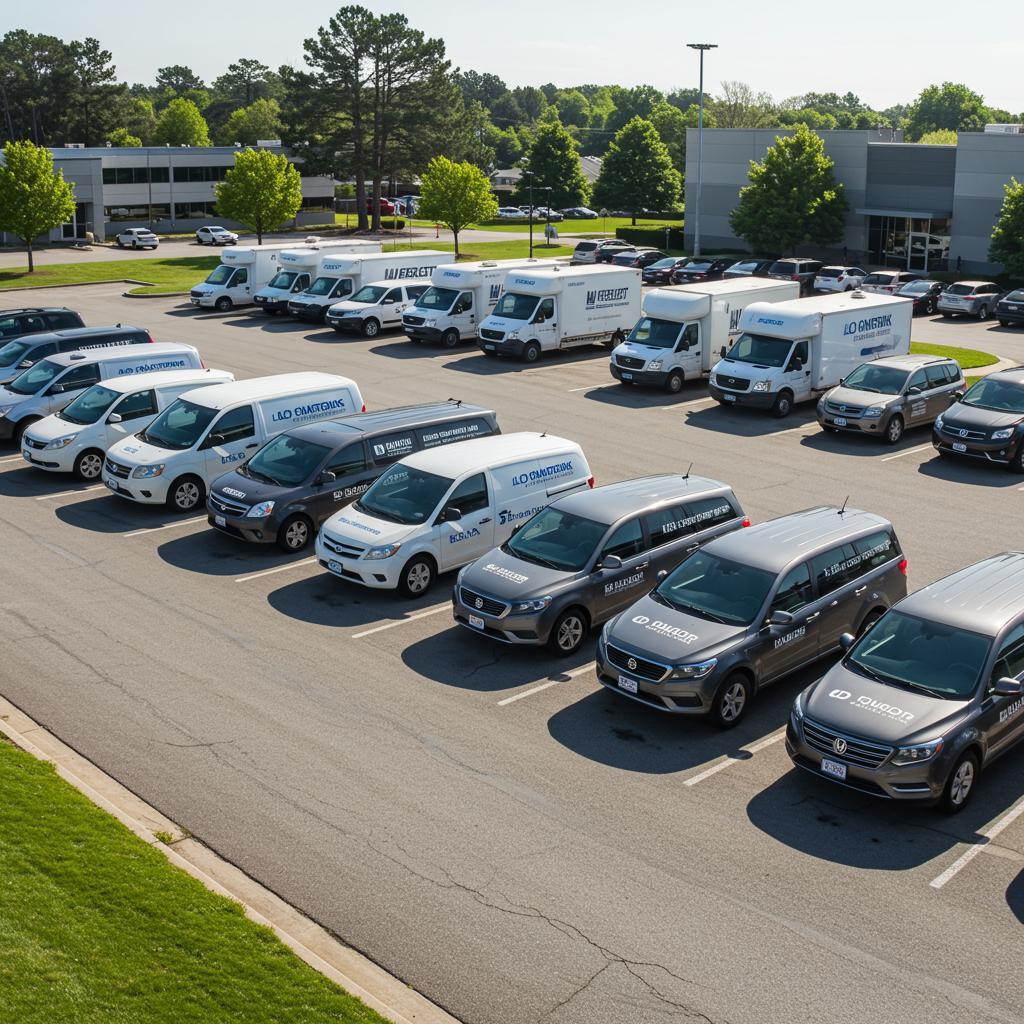
In the rapidly evolving landscape of fleet management, the integration of artificial intelligence (AI) has emerged as a game-changer for reducing operational costs. Fleet managers are increasingly turning to AI-driven solutions to enhance efficiency, streamline operations, and ultimately save money. This article delves into the various ways AI fleet solutions can cut costs, focusing on predictive maintenance, route optimization, and driver behavior monitoring. By understanding these technologies, fleet managers can make informed decisions that lead to significant financial benefits.
The challenges of managing a fleet are multifaceted, often involving high maintenance costs, fuel inefficiencies, and the need for improved safety measures. AI offers innovative solutions to these problems, providing tools that not only predict maintenance needs but also optimize routes and monitor driver behavior. This article will explore the key benefits of AI-powered predictive maintenance, the impact of route optimization on fuel efficiency, and how driver behavior monitoring can enhance safety and reduce costs.
Further emphasizing the comprehensive nature of AI in fleet operations, research highlights an integrated framework for smart fleet management.
IoT & AI Framework for Smart Fleet Management & Cost Savings
The Internet of Things (IoT) and Artificial Intelligence (AI) have driven a paradigm shift in fleet management providing organizations to monitor, manage and even optimize their vehicle operations. This article presents an IoT and AI enabled framework for Smart Fleet Management, wherein real-time data, predictive analytics and automation are used for efficient, safe and green fleets. Such AI systems analyze data and pick up the pattern which helps for predictive maintenance, which is a core part of this architecture that helps minimize vehicle downtime and reduces maintenance costs by doing proper identification of potential faults at the right time. The AI also routes better, ensuring vehicles travel down the most efficient roads, have lower emissions and use less fuel, while still ensuring timely deliveries. The proposed architecture also gives the safety of its Advanced Driver Assistance Systems (ADAS) by detecting dangerous driving actions and reactions.
Internet of things (IoT) and artificial intelligence (AI) enabled framework for smart fleet management, PR Potdar, 2025
What Are the Key Benefits of AI-Powered Predictive Maintenance in Fleet Management?
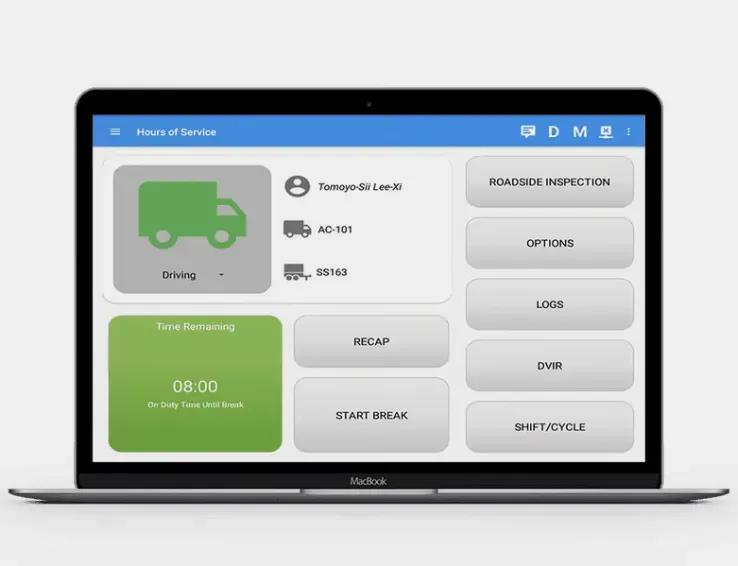
AI-powered predictive maintenance is revolutionizing fleet management by minimizing downtime and reducing repair costs. This approach leverages advanced algorithms to analyze vehicle performance data, allowing fleet managers to anticipate maintenance needs before they become critical issues. The benefits of implementing predictive maintenance include:
- Minimized Downtime: By predicting when maintenance is needed, fleets can schedule repairs during off-peak hours, ensuring vehicles remain operational.
- Lower Repair Costs: Early detection of potential issues prevents costly repairs and extends the lifespan of vehicles.
- Enhanced Driver Safety: Regular maintenance ensures that vehicles are in optimal condition, reducing the risk of accidents caused by mechanical failures.
These advantages contribute to overall operational efficiency, making predictive maintenance a vital component of modern fleet management strategies.
Academic research further supports the transformative potential of AI-driven predictive analytics in optimizing fleet operations and reducing costs.
AI Predictive Analytics for Fleet Optimization & Cost Reduction
The realm of logistics and transportation is undergoing a transformative shift due to advancements in artificial intelligence (AI) and machine learning (ML) technologies. This research paper investigates the application of AI-driven predictive analytics for optimizing fleet management, focusing on three critical aspects: route planning, vehicle allocation, and predictive maintenance. The study is driven by the imperative to reduce operational costs, enhance delivery efficiency, and improve vehicle utilization through sophisticated AI models.
AI-Driven Predictive Analytics for Fleet Management Optimization in Logistics and Transportation: Leveraging Machine Learning for Route Planning, Vehicle …, VK Dunka, 2022
How Does Predictive Maintenance Prevent Vehicle Breakdowns and Reduce Expenses?
Predictive maintenance works by utilizing data analytics to monitor vehicle health continuously. This proactive approach helps in:
- Minimizing Unexpected Downtime: By addressing issues before they escalate, fleets can avoid unplanned breakdowns that disrupt operations.
- Reducing Maintenance Costs: Scheduled maintenance based on actual vehicle condition is often less expensive than reactive repairs.
- Improving Safety: Well-maintained vehicles are less likely to experience failures that could lead to accidents, thereby enhancing overall safety.
The implementation of predictive maintenance not only saves money but also fosters a culture of safety and reliability within fleet operations.
What Cost Savings Can Be Achieved Through AI-Driven Maintenance Scheduling?
AI-driven maintenance scheduling optimizes the timing and frequency of vehicle maintenance, leading to substantial cost savings. Key aspects include:
- Reducing Unexpected Downtime: By scheduling maintenance based on predictive analytics, fleets can ensure that vehicles are serviced at the right time, minimizing disruptions.
- Lowering Maintenance Costs: Efficient scheduling reduces the frequency of emergency repairs, which are typically more expensive.
- Extending Vehicle Lifespan: Regular maintenance helps in prolonging the life of vehicles, leading to lower replacement costs over time.
These factors collectively contribute to a more cost-effective fleet management strategy.
How Does AI Route Optimization Enhance Fuel Efficiency and Lower Operational Costs?
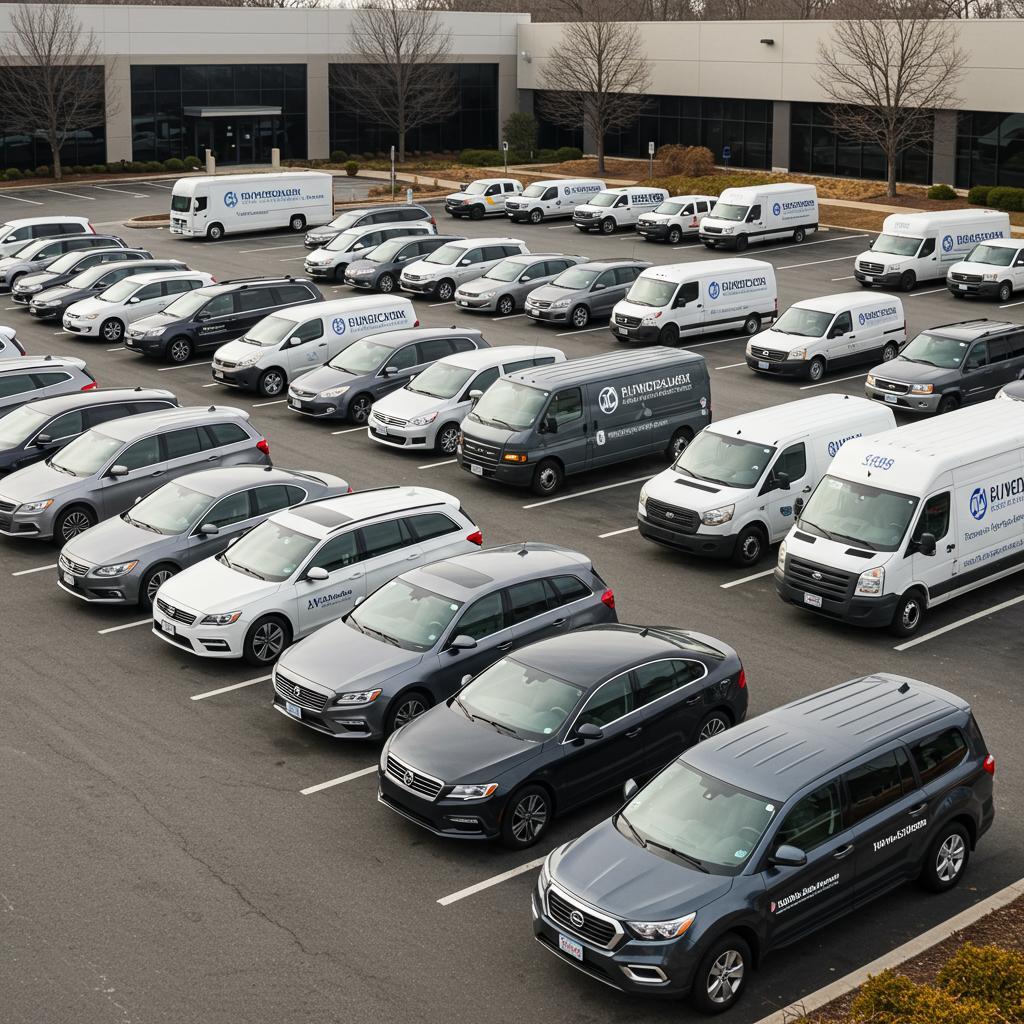
AI route optimization utilizes real-time data to determine the most efficient routes for fleet vehicles. This technology significantly impacts fuel efficiency and operational costs by: driver behavior monitoring.
- Dynamic Analysis of Real-Time Data: AI systems analyze traffic patterns, weather conditions, and road closures to suggest optimal routes.
- Minimizing Travel Distances: Shorter, more efficient routes reduce fuel consumption and wear on vehicles.
- Enhancing Driver Behavior: By providing drivers with the best routes, AI helps them avoid unnecessary idling and aggressive driving, further improving fuel efficiency.
The integration of AI in route planning not only saves money but also contributes to a more sustainable approach to fleet management.
What Role Does Automated Scheduling Play in Reducing Fleet Fuel Consumption?
Automated scheduling plays a crucial role in optimizing fleet operations and reducing fuel consumption. Key benefits include:
- Optimizing Maintenance Processes: Automated systems ensure that maintenance is performed at the most convenient times, reducing vehicle downtime.
- Minimizing Vehicle Downtime: Efficient scheduling allows for better resource allocation, ensuring that vehicles are available when needed.
- Improving Fuel Efficiency: By scheduling routes and maintenance effectively, fleets can reduce unnecessary fuel consumption.
These efficiencies lead to significant cost savings and improved operational performance.
How Do AI Algorithms Improve Delivery Times and Resource Utilization?
AI algorithms enhance delivery times and resource utilization through advanced data analysis. This technology enables: advanced data analysis.
- Route Optimization: AI identifies the fastest routes, ensuring timely deliveries.
- Predictive Analytics: By forecasting demand and resource needs, fleets can allocate resources more effectively.
- Real-Time Data Analysis: Continuous monitoring allows for adjustments to be made on the fly, improving overall efficiency.
The result is a more responsive and efficient fleet that can adapt to changing conditions and customer demands.
In What Ways Does Driver Behavior Monitoring Using AI Improve Fleet Safety and Cost Efficiency?
AI-driven driver behavior monitoring provides valuable insights into driving patterns, which can lead to improved safety and cost efficiency. Key benefits include:
- Real-Time Alerts: AI systems can alert drivers to unsafe behaviors, allowing for immediate corrective action.
- Data-Driven Coaching: Fleet managers can use data to coach drivers on safe driving practices, reducing the likelihood of accidents.
- Cost Reduction: Improved driving behavior leads to lower fuel consumption and reduced accident-related costs.
By focusing on driver behavior, fleets can enhance safety while simultaneously cutting costs.
An advanced AI-powered system specifically designed for driver monitoring further underscores the impact of technology on enhancing road safety and fleet efficiency.
AI Driver Monitoring for Enhanced Fleet Safety & Efficiency
The rapid evolution of intelligent transportation systems has made drivers’ attentiveness and adherence to safety protocols more critical than ever. Traditional monitoring solutions often lack the adaptability to detect subtle behavioral changes in real time. This paper presents an advanced AI-powered Driver Monitoring System designed to continuously assess driver behavior, fatigue, distractions, and emotional state across various driving conditions. By providing real-time alerts and insights to vehicle owners, fleet operators, and safety personnel, the system significantly enhances road safety.
AI-Powered Intelligent Cognitive Lens for Driver Monitoring for Safe Transportation and Increased Fleet Efficiency Abstract, 2026
How Can AI Analytics Identify Risky Driving Patterns to Minimize Accidents?
AI analytics play a vital role in identifying risky driving patterns that could lead to accidents. This technology enables:AI fleet dash cameras
- Real-Time Monitoring: Continuous tracking of driver behavior allows for immediate intervention when unsafe practices are detected.
- Predictive Analytics: By analyzing historical data, AI can identify trends and patterns that indicate potential risks.
- Driver Alerts: AI systems can provide feedback to drivers in real-time, helping them adjust their behavior to avoid accidents.
These capabilities not only enhance safety but also contribute to lower insurance premiums and reduced liability costs.
What Are the Operational Cost Benefits of Enhanced Driver Safety Scores?
Enhanced driver safety scores have significant operational cost benefits, including: enhancing driver safety.
- Reduced Claim Payouts: Safer driving leads to fewer accidents, resulting in lower insurance claims.
- Lower Insurance Premiums: Insurance companies often offer discounts for fleets with high safety ratings.
- Decreased Repair and Legal Costs: Fewer accidents mean reduced repair costs and lower legal liabilities.
Investing in driver safety not only protects employees but also contributes to the bottom line.
How Does Real-Time AI Vehicle Tracking Optimize Fleet Asset Utilization and Reduce Costs?
Real-time AI vehicle tracking is essential for optimizing fleet asset utilization. This technology provides: real-time vehicle tracking solutions.
- Route Optimization: Continuous tracking allows for adjustments to be made in real-time, ensuring that vehicles are used efficiently.
- Improved Operational Efficiency: Fleet managers can monitor vehicle performance and make data-driven decisions to enhance productivity.
- Predictive Maintenance: Tracking systems can alert managers to potential issues before they become costly problems.
The result is a more efficient fleet that maximizes asset utilization while minimizing costs.
What Insights Do AI-Powered Telematics Provide for Efficient Fleet Management?
AI-powered telematics offer valuable insights that enhance fleet management efficiency. Key insights include:
- Predictive Maintenance: Telematics data can indicate when maintenance is needed, preventing breakdowns.
- Driver Behavior Analysis: Insights into driving patterns help identify areas for improvement.
- Route Optimization: Telemetry data can inform better route planning, reducing fuel consumption.
These insights empower fleet managers to make informed decisions that lead to cost savings and improved operational performance.
How Does Continuous Monitoring Support Compliance and Prevent Unauthorized Usage?
Continuous monitoring through AI technologies supports compliance and prevents unauthorized vehicle usage by: AI monitoring.
- Role-Based Permissions: Ensuring that only authorized personnel can access vehicles.
- Real-Time GPS Tracking: Monitoring vehicle locations to prevent theft and unauthorized use.
- Proactive Monitoring: Alerts can be set up to notify managers of any suspicious activity.
This level of oversight not only enhances security but also ensures compliance with regulatory requirements.
What Are the Financial Advantages of Integrating Automated Fleet Scheduling Solutions?
Integrating automated fleet scheduling solutions offers several financial advantages, including:
- Fuel Savings: Efficient scheduling reduces unnecessary trips and fuel consumption.
- Maintenance Costs: Automated systems can optimize maintenance schedules, reducing costs associated with repairs.
- Improved Productivity: Better scheduling leads to more efficient use of resources, enhancing overall productivity.
These financial benefits make automated scheduling a worthwhile investment for fleet managers.
How Does Automation Streamline Operations and Lower Labor Costs?
Automation streamlines fleet operations and lowers labor costs by:
- Automating Administrative Tasks: Reducing the need for manual input and oversight.
- Time Savings: Automation allows for quicker decision-making and response times.
- Improved Asset Utilization: Efficient operations lead to better use of resources, reducing the need for additional labor.
The result is a more efficient operation that can achieve more with fewer resources.
What Impact Does Scheduling Optimization Have on Overall Fleet Productivity?
Scheduling optimization has a profound impact on overall fleet productivity by:
- Minimizing Vehicle Downtime: Efficient scheduling ensures that vehicles are available when needed.
- Enhancing Operational Efficiency: Better scheduling leads to more effective use of resources.
- Proactive Repairs: Regular maintenance scheduling prevents unexpected breakdowns, keeping the fleet operational.
These factors contribute to a more productive fleet tracking that can meet customer demands effectively.
Which Industry Case Studies Demonstrate Quantifiable Cost Reductions from AI Fleet Solutions?
Several industry case studies illustrate the cost reductions achievable through AI fleet solutions. For example:
- Trucking Companies: Many have reported significant savings through AI predictive maintenance, reducing vehicle downtime and repair costs.
- Construction Fleets: Companies have benefited from AI route optimization, leading to lower fuel expenses and improved project timelines.
- Logistics Providers: Enhanced driver behavior monitoring has resulted in fewer accidents and lower insurance costs.
These case studies highlight the tangible benefits of adopting AI technologies in fleet management.
What Savings Have Trucking Companies Achieved Using AI Predictive Maintenance?
Trucking companies utilizing AI predictive maintenance have achieved substantial savings, including:
- Reducing Vehicle Downtime: Predictive maintenance has led to a significant decrease in unplanned breakdowns.
- Lowering Repair Costs: Early detection of issues has resulted in reduced repair expenses.
- Enhancing Driver Safety: Improved vehicle reliability has contributed to safer driving conditions.
These savings underscore the value of integrating AI into fleet management practices.
How Have Construction Fleets Benefited from AI Route and Driver Behavior Optimization?
Construction fleets have seen numerous benefits from AI route and driver behavior optimization, such as:
- Improved Efficiency: AI has enabled more efficient routing, reducing travel times and fuel consumption.
- Cost Savings: Enhanced driver behavior monitoring has led to fewer accidents and lower insurance premiums.
- Enhanced Safety: Safer driving practices have resulted in a reduction in workplace accidents.
These benefits illustrate the transformative impact of AI on construction fleet operations.
How Do Recent Industry Statistics Reflect AI Adoption and Cost Reduction Benchmarks?
Recent statistics indicate a growing trend in AI adoption among fleet operators, with many reporting notable cost reductions. Key findings include:
- Increased Adoption Rates: A substantial percentage of fleets are now utilizing AI technologies for predictive maintenance and route optimization.
- Cost Reduction Benchmarks: Companies that have adopted AI report average savings of 15-20% in operational costs.
- Enhanced Efficiency: AI-driven fleets are achieving higher levels of productivity and resource utilization.
These statistics highlight the importance of AI in modern fleet management.
What Are the Current AI Fleet Management Adoption Rates Across Key Sectors?
AI fleet management adoption rates are increasing across various sectors, including:
- Transportation: Many logistics companies are integrating AI for route optimization and predictive maintenance.
- Construction: Construction fleets are leveraging AI to enhance safety and efficiency.
- Public Services: Municipal fleets are adopting AI technologies to improve service delivery and reduce costs.
These trends indicate a broader acceptance of AI solutions in fleet management.
How Do Cost Savings Metrics Compare Among Leading AI Fleet Solution Providers?
Cost savings metrics vary among leading AI fleet solution providers, with some key comparisons including:
- Predictive Maintenance Solutions: Providers offering advanced analytics report higher savings due to reduced downtime.
- Route Optimization Tools: Companies utilizing AI for route planning see significant fuel savings compared to traditional methods.
- Driver Behavior Monitoring Systems: Providers with comprehensive monitoring solutions report lower accident rates and insurance costs.
These comparisons underscore the importance of selecting the right AI solutions for maximizing cost savings.
What Are Best Practices for Implementing and Monitoring AI Fleet Solutions to Maximize Cost Savings?
To maximize cost savings from AI fleet solutions, consider the following best practices:
- Establish Clear Objectives: Define specific goals for AI implementation to measure success effectively.
- Select the Right Technology: Choose AI solutions that align with your fleet’s unique needs and challenges.
- Monitor Key Performance Indicators: Regularly track performance metrics to assess the effectiveness of AI solutions.
Implementing these best practices can lead to significant improvements in fleet efficiency and cost management.
How Should Fleet Managers Use KPIs to Track AI Solution Performance?
Fleet managers should utilize key performance indicators (KPIs) to track the performance of AI solutions effectively. Important KPIs include:
- Maintenance Costs: Monitoring changes in maintenance expenses can indicate the effectiveness of predictive maintenance.
- Fuel Efficiency: Tracking fuel consumption helps assess the impact of route optimization.
- Accident Rates: Analyzing accident data can provide insights into the effectiveness of driver behavior monitoring.
By focusing on these KPIs, fleet managers can make data-driven decisions that enhance operational efficiency and reduce costs.
Jeff Stoker is the CEO and founder of Safety Track, a company he established in 2002. With over two decades of leadership in fleet management solutions, Jeff has guided Safety Track from a pioneering vision to a trusted industry leader. His innovative mindset and commitment to excellence continue to drive the company’s growth and impact.