
How Fleet Analytics Transforms Data into Cost-Saving Insights
In today’s fast-paced logistics world, fleet managers face constant pressure to cut costs and improve performance. Fleet analytics gives them the power to make data-driven decisions that lead to real savings. By gathering and analyzing data from vehicles, drivers, and routes, managers uncover patterns and opportunities for improvement. These insights can lead to smarter routing, safer driving, and overall better fleet efficiency.
This blog explores how fleet analytics transforms raw data into valuable insights that reduce costs. We’ll also show how it helps companies find coaching opportunities, reduce idle time, lower insurance premiums, and enhance fleet performance. Whether you manage a few trucks or a nationwide fleet, fleet analytics can offer powerful advantages.
What Is Fleet Analytics?
Fleet analytics refers to the collection and analysis of data from vehicles, drivers, and systems to improve operations. Data comes from GPS trackers, dash cams, fleet telematics devices, and vehicle sensors. Software platforms then turn this data into visual reports and trends.
Instead of guessing what’s causing delays or high fuel costs, managers get real answers. Fleet analytics tracks metrics like fuel use, speed, idle time, driver behavior, and maintenance needs. When combined, these insights lead to better decisions and significant savings.
Turning Data Into Actionable Insights
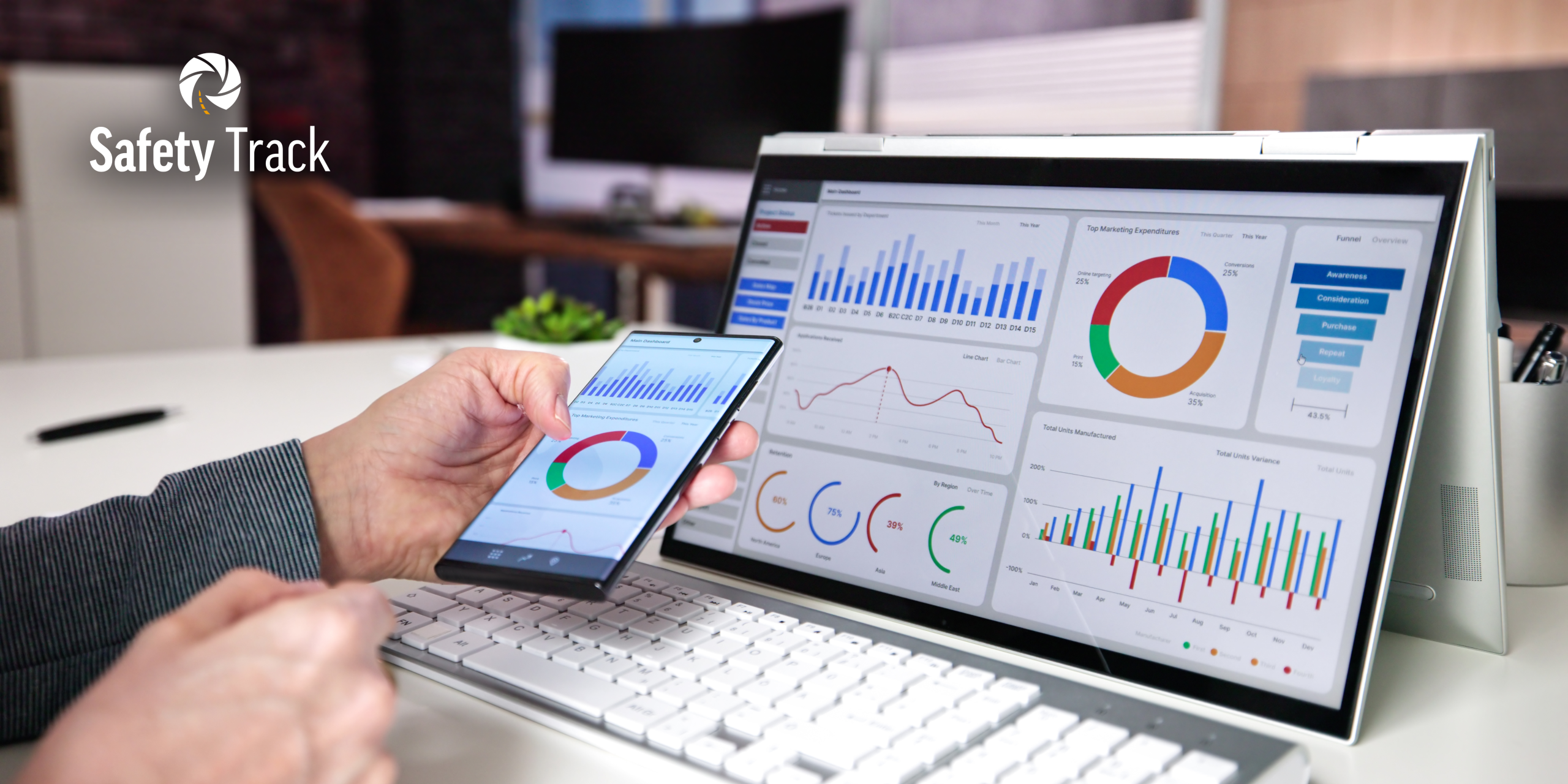
Modern fleets generate massive amounts of data daily. But without analytics, this information means little. Fleet analytics processes and organizes this data into dashboards, graphs, and alerts.
For example, if drivers in one region idle longer than others, managers can dig deeper. Maybe they’re waiting too long at warehouses. Or perhaps their routes contain frequent traffic delays. Once identified, these problems can be fixed with coaching or route changes.
Through constant monitoring, managers also spot trends that help prevent breakdowns. If one truck shows frequent engine faults, it can be serviced before failure. This proactive approach reduces downtime and repair costs.
Coaching Opportunities for Safer Driving
One of the most powerful benefits of fleet analytics is identifying coaching opportunities. Unsafe driving behaviors, like speeding or harsh braking, raise fuel use and accident risk. With analytics, fleet managers can spot risky patterns and coach drivers individually.
For example, if a driver regularly brakes hard, the system flags it. The manager can review footage or telematics data, then offer specific advice. Over time, this improves safety and builds a culture of accountability.
Analytics also helps reward safe drivers. Some systems generate safety scores based on driving behavior. Managers can use these scores for bonuses or incentives. That keeps drivers motivated and focused on safety.
How Fleet Analytics Helps Reduce Idle Time
Idling wastes fuel and adds unnecessary wear to engines. Even five minutes of idling per day per vehicle adds up quickly. Fleet Analytics helps reduce idle time by tracking how long each vehicle sits without moving.
If one driver idles more than others, managers can address it directly. Sometimes, a simple reminder solves the issue. In other cases, analytics may reveal that idling happens during loading or at certain stops. Route adjustments or better scheduling can fix this.
Reducing idle time leads to lower fuel costs, less engine wear, and fewer emissions. That’s good for the budget and the environment.
Lower Insurance Premiums with Safer Data
Insurance companies offer discounts to fleets with safe driving records and monitoring tools. Fleet analytics provides the data needed to prove those safe habits.
Dash cams, telematics devices, and driver behavior reports show insurers that your fleet operates responsibly. Many insurers offer lower premiums to fleets that actively monitor and coach drivers.
In accident cases, video and data from analytics systems protect drivers by showing what really happened. This can prevent false claims and reduce liability. Over time, these protections lower overall insurance costs.
Improving Fleet Efficiency with Smarter Routing
Route optimization is another key area where fleet analytics shines. Data on travel times, fuel use, and traffic patterns helps managers select the best routes.
Shorter, more efficient routes save fuel, reduce wear on vehicles, and get drivers back faster. That improves productivity without increasing labor hours.
With real-time data, managers can reroute drivers during traffic jams or weather delays. Fleet telematics devices provide updates as conditions change, giving dispatchers the tools they need to respond fast.
More efficient routing also helps with customer service. On-time arrivals improve satisfaction and repeat business.
Predictive Maintenance and Cost Reduction
Vehicle downtime hurts productivity. Fleet analytics helps prevent breakdowns through predictive maintenance. It monitors engine data, mileage, and diagnostic codes.
If a sensor shows rising engine temperature or low oil pressure, the system alerts the manager. Instead of waiting for a breakdown, maintenance teams can fix the issue during scheduled service.
This saves on emergency repairs, tows, and lost delivery time. Predictive maintenance also extends vehicle life, which reduces replacement costs. In the long run, fleets get more value out of every vehicle.
Real-Time Monitoring and Accountability
Fleet Analytics provides live tracking of every vehicle. Managers can see where trucks are, how fast they’re moving, and whether they’re on schedule.
This real-time visibility builds accountability. Drivers know their performance is monitored, which encourages responsible behavior. Managers can also react quickly to unexpected events like breakdowns or traffic delays.
Live updates help with customer communication. If a delivery runs late, dispatch can inform clients and adjust schedules. Transparency builds trust and avoids frustration.
Combining Analytics with Fleet Telematics Devices
Fleet Analytics works best when paired with modern fleet telematics devices. These tools gather location, speed, engine diagnostics, and driving behavior. The more data the system receives, the more accurate and useful the insights become.
Telematics devices are often plug-and-play, making setup easy. They connect with GPS trackers, dash cameras, and sensors already in the vehicle. This makes it possible to track everything from fuel levels to tire pressure.
With connected systems, managers don’t just react—they plan ahead. They set thresholds for idle time, create safety benchmarks, and get alerts when limits are passed.
Building a Data-Driven Culture
To get the most from Fleet Analytics, companies need to embrace a data-driven culture. That means using analytics in everyday decisions—not just during reports.
Fleet managers should meet regularly with drivers to discuss metrics and share progress. When drivers see how their habits affect performance, they’re more likely to improve. This fosters a team mindset focused on goals and safety.
Training and communication also matter. Drivers must understand how the system works and why it benefits them. Clear policies and fair feedback build trust and support.
The Future of Fleet Analytics
Technology continues to evolve, and Fleet Analytics is becoming more powerful. AI and machine learning now help detect patterns faster and suggest solutions.
For example, AI can group drivers by risk level and recommend specific coaching steps. It can also forecast maintenance needs based on usage trends.
Cloud-based systems make analytics accessible from any device. This gives managers more flexibility and real-time access. As more fleets adopt analytics, benchmarks will improve and competition will increase.
Companies that invest early in analytics gain an edge in performance and cost savings.
Is Fleet Analytics Right for Your Business?
If your company operates vehicles daily, the answer is yes. Whether you run a small plumbing fleet or a national logistics firm, fleet analytics helps control costs and improve safety.
Start by identifying your goals. Do you want to reduce idle time, improve safety, or lower insurance premiums? From there, choose a platform that fits your needs and integrates with your current telematics devices.
Safety Track offers complete fleet management solutions that combine GPS tracking, dash cameras, ELDs, and analytics. We help companies unlock insights and achieve measurable results.
Final Thoughts
Fleet Analytics is no longer a luxury—it’s a necessity for modern fleet operations. It turns ordinary data into powerful insights that cut costs, improve safety, and drive efficiency. By identifying coaching opportunities, reducing idle time, and optimizing maintenance, analytics helps fleets stay competitive.
When paired with reliable telematics devices, the benefits only grow. As technology advances, those who embrace analytics early will lead the industry in performance and savings.
If you’re ready to take control of your fleet’s data, Safety Track is here to help. Contact us to learn more about how our analytics solutions can transform your operations.

Hannah Lang is a Social Media Marketing Specialist at Safety Track. She has her bachelor’s degree in Advertising and Public Relations from Grand Valley State University. With her passion for research, Hannah possesses a wealth of knowledge expanding across multiple industries and disciplines. Her efforts won her a Scholastic Art and Writing regional Gold Key award.