
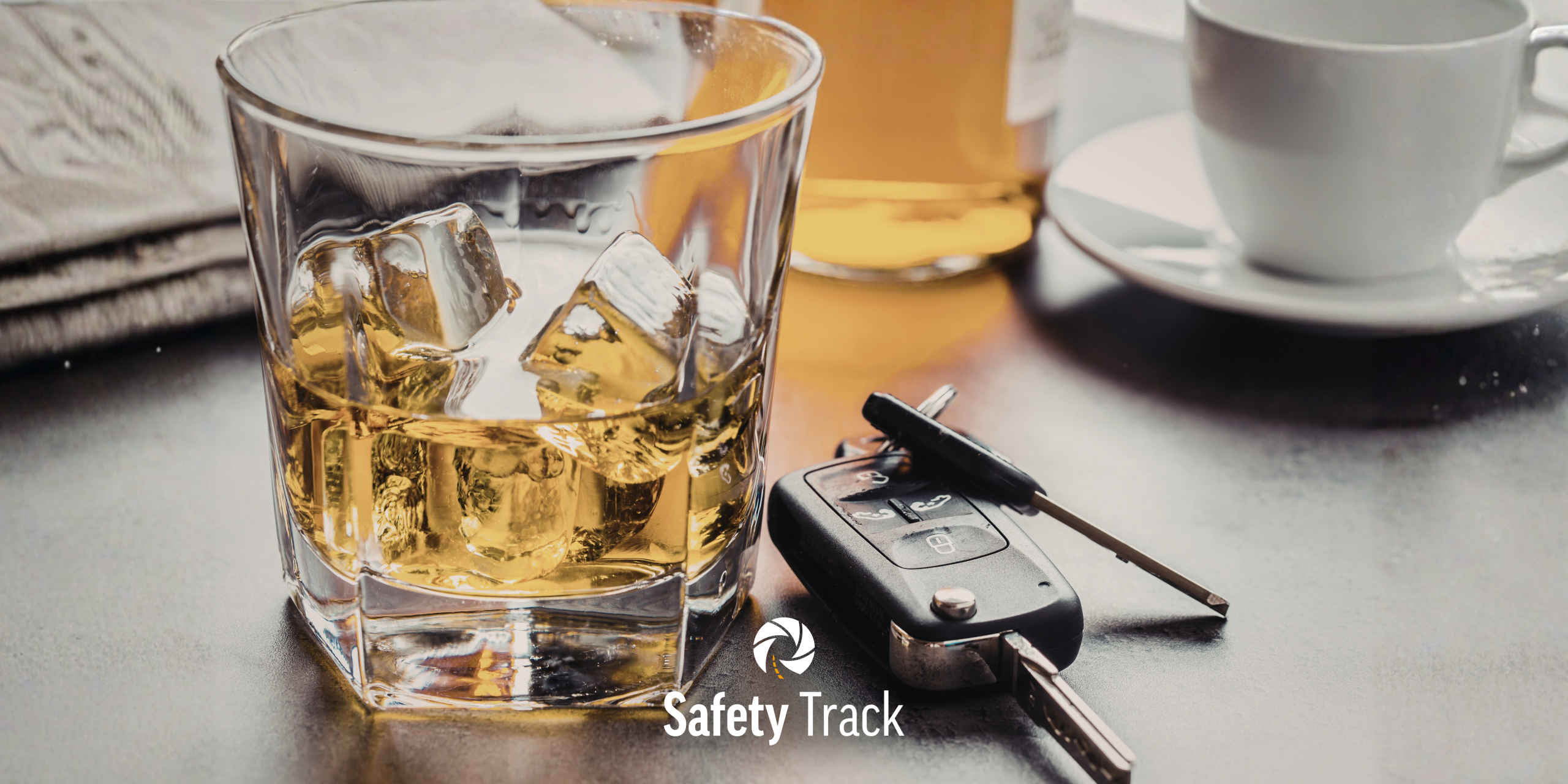
National Impaired Driving Prevention Month: Safe Holiday Driving Tips
National Impaired Driving Prevention Month arrives every December and brings a powerful reminder: safe and sober driving saves lives. As the holidays approach, millions of people travel to visit friends and family, attend celebrations, and enjoy seasonal traditions. However, these joyful moments bring a troubling increase in impaired driving. Alcohol and drug-related crashes surge during December, creating tragic and preventable outcomes for thousands of families across the country.
In this extensive guide, we explore why National Impaired Driving Prevention Month matters, what recent data reveals about impaired driving trends, how alcohol and drugs affect the body, and what steps people can take to keep themselves and others safe during this high-risk season. With the right awareness, planning, and choices, everyone can contribute to safer roads this December.
Why National Impaired Driving Prevention Month Matters
Every year, impaired driving destroys lives. National Impaired Driving Prevention Month brings national attention to a problem that intensifies during the holidays. Celebrations often include alcohol, and increased stress, fatigue, travel, and changing routines can influence decision-making. Many people underestimate their impairment or believe they can drive safely after drinking or using drugs. The data clearly shows otherwise.
December consistently ranks as one of the most dangerous months for impaired driving. Communities need stronger awareness, honest conversations, and responsible choices. National Impaired Driving Prevention Month encourages individuals, families, and local groups to share safety messages, support responsible celebrations, and protect each other. When everyone understands the risks, the likelihood of impaired driving decreases.
The Scope of the Problem: What the Data Shows
Reliable data helps communities understand the severity of impaired driving. NHTSA’s latest findings highlight significant trends that make National Impaired Driving Prevention Month more important than ever.
A Sharp Increase in December Drunk Driving Deaths
Recent numbers reveal a disturbing pattern. In December 2023, drunk driving crashes killed 1,038 people. That number marks one of the highest December totals in the last fifteen years. These tragedies devastate families, and the emotional impact lasts far beyond the holiday season. From 2019 through 2023, more than 4,931 people died in December drunk driving crashes.
These crashes impact more than drivers. Passengers, pedestrians, cyclists, friends, and families face lifelong consequences. Each incident represents a preventable tragedy, which is why National Impaired Driving Prevention Month emphasizes education and accountability during this time.
Drug-Impaired Driving Also Creates Severe Risks
Alcohol remains a leading cause of impaired crashes, but drug impairment also contributes to serious injuries and deaths. NHTSA conducted a multi-year study from 2019 to 2021 at trauma centers and medical examiner offices across the country. Among drivers who suffered serious injuries, about one in four had active THC, the psychoactive compound in marijuana, in their system.
Marijuana slows reaction time, affects coordination, and changes perception. Some people mistakenly believe that marijuana does not impair driving, but the research proves otherwise. Drug-impaired driving threatens everyone on the road, just like alcohol-impaired driving.
Understanding the Impact of Alcohol on Driving
Knowledge helps people make safer choices. During National Impaired Driving Prevention Month, it helps to understand how alcohol affects the human body and why even small amounts interfere with safe driving.
How Alcohol Impairs Judgment
Alcohol affects the brain’s decision-making centers. It lowers inhibitions, encourages risk-taking, and reduces a person’s ability to evaluate situations clearly. People often feel confident after drinking, yet their judgment suffers.
Slower Reaction Time
Safe driving depends on quick reactions. Alcohol slows response time, making it harder to brake, steer, or avoid sudden hazards. Even one drink can delay reaction time enough to create danger.
Poor Coordination
Driving requires precise coordination, including steering, accelerating, braking, and checking mirrors. Alcohol disrupts balance, fine motor skills, and physical control.
Reduced Vision
Alcohol affects how the eyes track movement. It narrows peripheral vision, blurs details, and reduces night vision. Since December brings darker days and earlier sunsets, these effects become even more dangerous.
Understanding these impacts helps explain why alcohol and driving never mix, even when a person feels confident that they are “okay to drive.”
How Drugs Impair Safe Driving
During National Impaired Driving Prevention Month, conversations must include drugs as well as alcohol. While cannabis receives most of the attention, other drugs also impair driving.
Cannabis (THC)
THC affects reaction time, attention, depth perception, and spatial awareness. These effects create major problems when navigating traffic, judging distance, or responding to unexpected situations.
Prescription Medications
Some prescribed drugs cause drowsiness, dizziness, confusion, or slowed reaction time. Pain medications, anxiety treatments, sleep aids, and certain antidepressants can impair safe driving even when taken as directed.
Over-the-Counter Medications
Cold medicines, cough syrups, antihistamines, and allergy pills often cause drowsiness. December cold and flu season increases the use of these medications, sometimes without people realizing their impact.
Illegal Substances
Substances like cocaine, methamphetamine, opioids, and hallucinogens dramatically impair cognitive and physical abilities. These drugs create unpredictable behavior and increase crash risk significantly.
National Impaired Driving Prevention Month encourages everyone to read medication labels, follow medical advice, and avoid driving when impaired in any way.
Holiday Stress and Emotional Impairment
The holidays create emotional challenges that can influence driving behavior. Stress, grief, loneliness, and pressure can impair judgment in subtle ways. People may drink or use substances to cope with these feelings. National Impaired Driving Prevention Month helps communities acknowledge these emotional factors and offer support.
Emotional impairment appears when a person drives while distracted by overwhelming feelings. While not the same as substance impairment, strong emotions can still affect decision-making. A person who feels angry, anxious, or distressed often struggles to focus on the road.
Building healthy coping strategies helps reduce this risk. Talking to friends, taking breaks, practicing mindfulness, or seeking support can make a major difference.
The Role of Public Safety Campaigns
Two major NHTSA campaigns support National Impaired Driving Prevention Month every year:
-
Drive Sober or Get Pulled Over
-
If You Feel Different, You Drive Different – Drive High Get a DUI
These campaigns run from December 12 through January 1. Law enforcement increases patrols across the country and focuses on identifying impaired drivers before they cause harm. The campaigns raise awareness, share facts, and promote responsible behavior.
When these messages reach communities, they create powerful reminders during a time of year when people need them most.
Who Is Most at Risk?
While impaired driving affects every demographic, certain groups face higher risk.
Young Adults
Drivers between 21 and 34 face greater risk because this age group attends more social events that include alcohol and may take more driving-related risks.
Nighttime Drivers
Most impaired driving crashes occur late at night, especially between midnight and 3 a.m., when celebrations end and people head home.
Holiday Travelers
People traveling long distances may drink during celebrations and then attempt to drive unfamiliar routes.
People Who Drink Regularly
Frequent drinkers sometimes underestimate their impairment because they feel “accustomed” to drinking. However, tolerance does not reduce impairment behind the wheel.
National Impaired Driving Prevention Month encourages everyone to recognize their personal risk factors and make plans that support safe behavior.
Warning Signs of Impairment
Recognizing impairment helps prevent dangerous situations. Before someone decides to drive, friends and family should look for signs such as:
-
Difficulty standing or balancing
-
Slurred or slow speech
-
Red or glassy eyes
-
Confusion or delayed responses
-
Aggressive or unpredictable behavior
-
Impaired coordination
-
Unsteady walking
If a person displays these signs, they should not drive. National Impaired Driving Prevention Month empowers people to speak up and protect their loved ones.
How to Prevent Impaired Driving
Prevention saves lives. During National Impaired Driving Prevention Month, communities can take the following steps to promote safer choices.
Plan Ahead Before Drinking
Planning prevents bad decisions later. People should decide on a sober ride home before drinking begins. A simple plan reduces pressure and prevents risk.
Use Rideshare, Taxis, or Public Transit
Modern transportation options make it easier than ever to get home safely. A short ride prevents life-changing consequences.
Designate a Driver Who Will Not Drink
Groups should choose a sober driver before events begin. The designated driver must commit to staying sober.
Hold Friends Accountable
Friends should check on each other during gatherings. One conversation can prevent tragedy.
Secure Keys from Impaired Individuals
If someone tries to drive impaired, another person should take their keys and help them find a safe alternative. Protecting a life matters more than avoiding discomfort.
Know Medication Side Effects
People must read labels and understand how medications affect alertness. If a medication causes drowsiness or delayed reactions, they should not drive.
Support Sobriety and Mental Health
Encouraging healthy coping strategies reduces reliance on alcohol and drugs during stressful times.
Hosting Holiday Gatherings Responsibly
Hosts play a major role in keeping guests safe during holiday celebrations.
Offer Plenty of Food and Non-Alcoholic Drinks
Food slows alcohol absorption, and non-alcoholic options help guests pace themselves.
Stop Serving Alcohol Early
Hosts can shift to water, soda, coffee, or dessert as the evening winds down.
Check In on Guests
Hosts should watch for signs of impairment and offer help before guests make unsafe choices.
Arrange Transportation for Those Who Need It
Calling a rideshare or offering a spare bedroom shows care and responsibility.
National Impaired Driving Prevention Month encourages hosts to protect their guests and take action when needed.
How Communities Can Get Involved
Communities play a major role in preventing impaired driving. Schools, churches, volunteer groups, neighborhood associations, and local organizations can help by:
-
Sharing safety messages on social media
-
Hosting educational events
-
Partnering with local police for awareness campaigns
-
Encouraging young people to lead sober-driving initiatives
-
Offering free or discounted ride programs
-
Supporting memorial events for victims
When entire communities participate, National Impaired Driving Prevention Month becomes more powerful and effective.
Stories Behind the Statistics
Behind every impaired driving statistic lies a human story. Families lose loved ones. Survivors face long-term injuries. Holidays become painful reminders of what they lost. National Impaired Driving Prevention Month honors these individuals and encourages others to make choices that prevent more tragedies.
Many organizations share stories from survivors and families who lost loved ones. These stories remind people that impaired driving affects real lives. Reading personal experiences often encourages individuals to think twice before driving after drinking or using drugs.
How Parents Can Educate Teens
Teens watch how adults behave. National Impaired Driving Prevention Month offers an ideal opportunity for parents to start open conversations about alcohol, drugs, and responsible decision-making.
Parents can:
-
Set clear expectations
-
Model sober driving
-
Discuss the dangers without judgment
-
Review how to handle pressure at parties
-
Encourage teens to call if they need a ride
Teens who feel safe reaching out to parents make better choices when situations become risky.
How to Talk to Loved Ones About Impairment
Conversations about impaired driving sometimes feel uncomfortable, but they save lives. National Impaired Driving Prevention Month encourages honest discussions.
Consider these tips:
-
Speak from concern, not criticism
-
Use real examples and facts
-
Offer support and alternatives
-
Stay calm and patient
-
Reinforce that caring drives the conversation
People respond better when they feel supported instead of judged.
Why Personal Responsibility Matters
Even with awareness campaigns, stricter laws, and more transportation options, the responsibility ultimately falls on each person. Driving sober requires discipline, planning, and integrity. Choosing safety protects not only the driver but everyone around them.
National Impaired Driving Prevention Month exists because individual choices matter. One person’s decision to avoid impaired driving can save countless lives.
The Bigger Picture: Safer Roads for Everyone
Impaired driving affects more than the person behind the wheel. It impacts pedestrians crossing the street, cyclists navigating traffic, families driving home from gatherings, and children riding in the backseat. Safer roads benefit everyone.
When people take National Impaired Driving Prevention Month seriously, they build safer communities, protect their neighbors, and reduce preventable tragedies. Every responsible choice creates a ripple effect.
A Stronger Future Starts With Awareness
National Impaired Driving Prevention Month aims to create lasting change. While December brings heightened awareness, the goal extends far beyond one month. With consistent education, stronger support systems, and community involvement, society can reduce impaired driving year-round.
People can continue practicing safe habits, supporting loved ones, and encouraging sober driving long after the holidays end. The more people discuss these issues openly, the more normalized responsible behavior becomes.
A Call to Action for Everyone
As National Impaired Driving Prevention Month continues, everyone has a role. Whether you drive, host, celebrate, or support someone during the holidays, you can help reduce impaired driving. Plan ahead. Speak up when needed. Offer help. Make choices that protect lives.
Safe driving reflects compassion. It shows commitment to your family, your friends, and your community. This December, choose to drive sober. Choose to protect others. Choose to honor those lost by preventing future tragedies.
One choice can save a life.

Hannah Lang is a Social Media Marketing Specialist at Safety Track. She has her bachelor’s degree in Advertising and Public Relations from Grand Valley State University. With her passion for research, Hannah possesses a wealth of knowledge expanding across multiple industries and disciplines. Her efforts won her a Scholastic Art and Writing regional Gold Key award.