
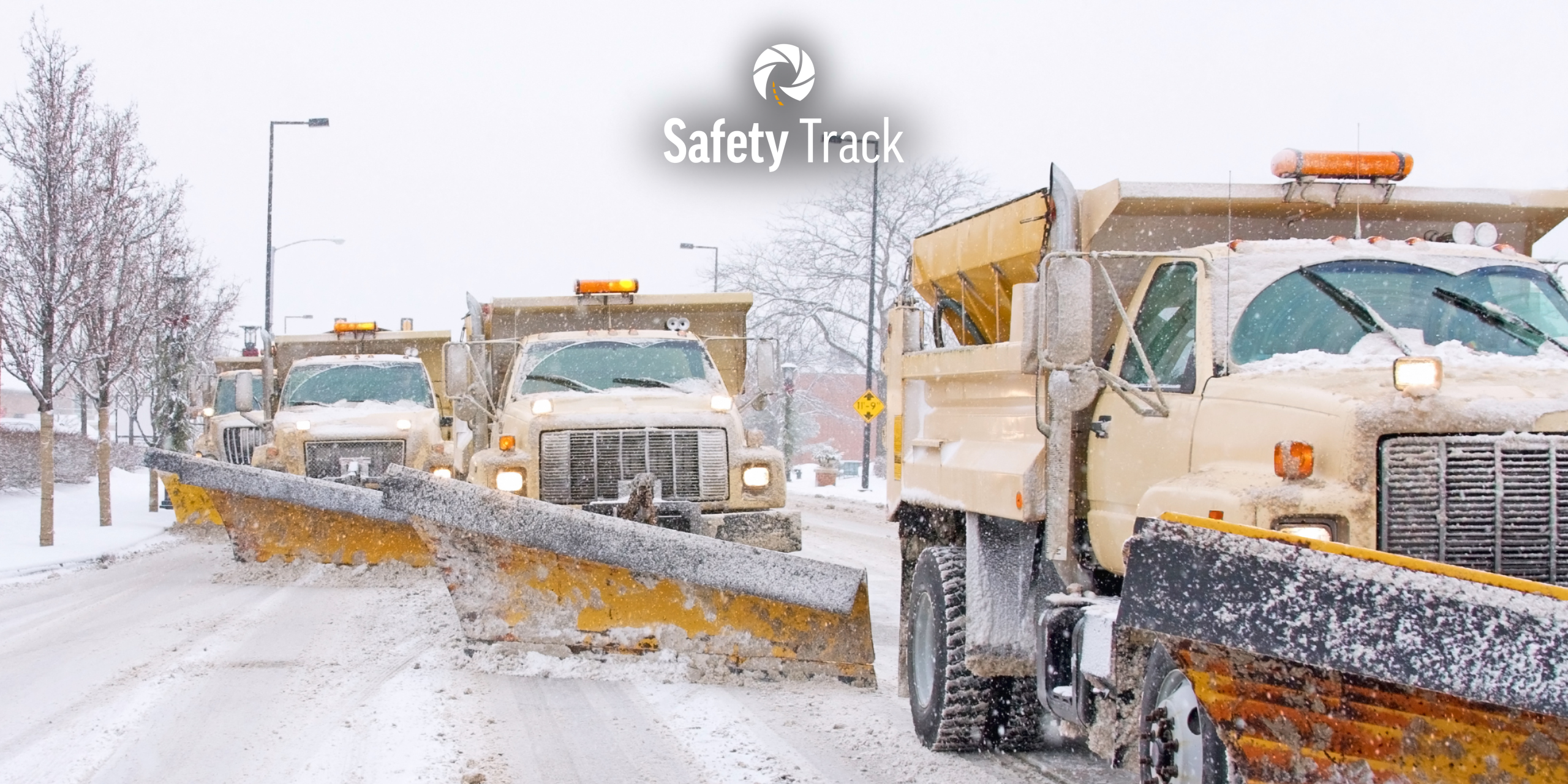
Snow Removal Compliance: What Fleet Managers Need to Know This Winter
As fall wanes and winter approaches, fleet managers must shift gears from maintenance mode to readiness mode. Preparation now can mean the difference between smooth snow fleet operations and costly penalties, safety incidents, or regulatory headaches. At the core of that readiness lies snow removal compliance — the set of rules, best practices, and technologies that ensure your fleet operates legally, safely, and efficiently during winter.
In this blog, we’ll walk through what fleet managers need to know about snow removal compliance: key municipal regulations, road safety compliance concerns, operational practices for snow fleets, and how tools like fleet cameras and GPS tracking systems support both compliance and performance. Because although it’s not quite winter yet, starting your cold weather preparation early gives you a critical head start.
Why Snow Removal Compliance Matters
Before diving into rules and tactics, let’s clarify why snow removal compliance deserves your full attention.
Legal and financial risk
Municipalities and states often impose fines, citations, or liability exposure when fleets fail to clear snow or ice properly. In some jurisdictions, failure to remove rooftop snow from trucks or trailers can lead to fines of hundreds or even over a thousand dollars. Moreover, noncompliance can lead to legal suits if falling snow or ice causes damage or accidents.Public safety and reputation
Improper snow removal practices — such as letting snow or ice slide off moving vehicles — constitute a road safety hazard. When your fleet becomes a danger to others, you risk reputational harm, negative press, and citizen complaints. Road safety compliance is not just regulatory—it’s mission-critical.Operational efficiency and accountability
Good snow removal compliance protocols, reinforced by technology, help ensure that snow fleet operations run consistently, reliably, and auditable. You reduce guesswork, enforce accountability, and ensure you meet service level expectations set by municipalities or other contracting entities.Insurance and liability mitigation
Using documented compliance practices, supported by telematics, dash cams, and GPS systems, can help mitigate liability and provide evidence in case of disputes. Insurers may favor fleets that proactively deploy compliance tools.
With that in mind, let’s explore what you must know in 2025–2026.
Understanding Municipal Regulations and Legal Mandates
Snow removal compliance begins at the regulatory level. These are the laws you must know, adhere to, and (ideally) exceed.
State and municipal snow removal laws
Snow removal laws vary widely across states, counties, and municipalities. For instance:
Some states create specific statutes requiring snow and ice removal from vehicle roofs, windshields, and light assemblies.
In Michigan, MCL 257.709 requires drivers to remove snow and ice from windshields and windows before driving.
Another Michigan law, MCL 257.677a(2)–(4), makes it illegal for snow or ice to fall off a moving vehicle in a way that obstructs other drivers’ visibility.
Some states impose fines or even criminal charges if a falling chunk of snow causes a crash or injury.
Municipal ordinances may require permit conditions or local rules about snow routes, storage, removal timing, and clearance.
To enforce snow removal compliance, you should inventory all jurisdictions your fleet travels through, pull up their current snow removal ordinances, and track any upcoming proposed amendments.
Route-specific municipal requirements
Many municipalities designate snow routes — specific roads that must be cleared first during a snow event (for example, emergency routes, major arterials, rosters for school bus or hospital access). Noncompliance with snow route obligations may lead to penalties or breach-of-contract issues.
You must ensure your snow fleet operations reflect those designations. Route adherence, timely service, and route documentation become key components of compliance.
Load security and weight laws
Snow removal compliance intersects with laws about load security and vehicle weight. For example:
Snow accumulation on roofs counts as extra weight. A few inches of wet snow on a trailer can add thousands of pounds, potentially putting you over legal GVWR (gross vehicle weight rating) limits. via Scraper Systems
Federal and state laws regarding unsecured loads may apply if snow or ice falls from your vehicle and damages property or injures someone. Even if a state lacks a dedicated snow shedding law, general load and vehicle safety statutes might be enforceable.
Thus, part of compliance is establishing protocols to remove snow (especially from high surfaces) before your vehicle hits the road.
Best Practices for Road Safety Compliance and Snow Fleet Operations
Knowing the laws is one thing. Executing consistent, safe snow fleet operations in compliance with those laws is quite another. Here are best practices you should adopt and enforce.
Develop a comprehensive snow removal compliance policy
Your fleet should have a formal, written policy covering all compliance-related expectations:
Procedures for clearing snow and ice from vehicle surfaces before departure
Inspection checklists (e.g. lights, cameras, sensors, mirrors)
Safety rules for blade width, overhangs, spreader settings
Criteria for permitted over-width plows (if applicable)
Incident reporting and video documentation protocols
Accountability and enforcement measures (e.g. disciplinary steps)
A schedule for training, audits, and refresher drills
This policy becomes your baseline for operations, training, and audits.
Pre-trip inspections and cold weather preparation
Before winter fully sets in, you should:
Inspect all plows, wings, spreaders, hydraulic systems, and sensors
Calibrate plow and spreader controls so that your logs of blade position and material application are accurate (a tip recommended in winter operations guides)
Test lighting systems and ensure headlamps, taillights, and signals remain unobstructed even in snow conditions
Fit proper tires (e.g. winter or all-weather rated), check air pressure, chains if applicable
Ensure that defrost, heater, windshield wipers, and fluid reservoirs are winter-ready
Run mock or dry runs to verify drivers, routing, and equipment function under stress
Verify that your GPS tracking systems, onboard sensors, and fleet cameras function well in freezing or low-light conditions (some hardware struggle in cold)
By doing such cold weather preparation early, you minimize surprises when storms hit.
Driver training and accountability
Your drivers must understand both the why and how of snow removal compliance:
Train drivers to remove snow from high surfaces (roofs, hoods, trunks) and inspect lights and mirrors before joining traffic
Emphasize defensive driving techniques in snow and ice conditions, and educate about the risks of snow shedding
Teach how to use plow and spreader controls properly and how to monitor spread rates
Require drivers to capture video or photo evidence (using fleet cameras) before and after runs, especially on critical routes
Use incentive or accountability programs to reward compliance and penalize violations
As a fleet manager, you should regularly review logs, video footage, and route adherence to enforce behavior changes.
Route planning and priority management
Route design plays a central role in snow removal compliance:
Prioritize emergency routes, arterial roads, and critical infrastructure early
Use digital routing tools or optimization systems to assign plow routes dynamically
Monitor route completion status via GPS tracking systems to verify compliance with designated snow routes
Reassign or re-route trucks dynamically during storms based on real-time conditions, rather than sticking inflexibly to plan
Document route coverage and timing for auditing and contractual compliance
Using smart route planning and GPS systems helps you demonstrate compliance and optimize resource use.
Spreaders, materials, and optimization
Snow removal compliance includes proper use of deicing materials and spreader calibration:
Use precision spreader controls to adjust salt, brine, or granular rates depending on road conditions (some systems allow real-time modulation) via dicaninc.com
Maintain logs of material use, route coverage, and cross-reference with weather and temperature data
Monitor for compliance with environmental or municipal limitations on salt usage or runoff
By optimizing materials use while still achieving safe pavement conditions, you meet both operational and regulatory obligations.
Leveraging Fleet Cameras and GPS Tracking Systems for Compliance
Modern enforcement of snow removal compliance increasingly relies on technology. Two categories stand out: fleet cameras and GPS tracking systems / telematics. When used together, they create a powerful compliance ecosystem.
Fleet cameras: visual proof and accountability
Fleet cameras play a direct role in compliance:
Dash cams and roof-mounted or side cameras can record whether operators cleared snow, whether snow sheds during motion, or whether lighting and visibility remain intact
Cameras help monitor driver behavior—e.g. unsafe maneuvers, sudden braking in icy conditions, or noncompliance with routes
When incidents or complaints arise, video footage offers valuable proof that due diligence occurred
Over time, you can analyze video data to identify common compliance issues (e.g. certain drivers or routes that tend to have snow shedding events) and intervene with retraining
If you already offer such hardware (as Safety Track does), integrating their output into your compliance audits is a compelling value-add.
GPS tracking systems and telematics: route and performance metrics
GPS tracking systems support snow removal compliance in these ways:
They log exact route data: where a plow traveled, when it arrived, how long it spent on a segment — useful for verifying snow route adherence
Many telematics systems integrate with plow sensors or spreader modules, enabling correlation of location + blade position + spread rate
Analytics engines can automatically flag deviations (e.g. route unfinished, spreader idling, off-route detours)
Some systems automate work-order logs and segment-level “completion marks” based on GPS data, reducing paperwork and errors. A recent study showed that telematics data can automate work orders and tracking of snow plows, reducing manual workload and increasing accuracy.
Real-time dashboards allow you to monitor live operations, detecting delays or missed routes while crews still operate
When your GPS systems are properly integrated with blade/sensor data, they become compliance guardians, not just tracking tools.
Integration and audit trail
To maximize benefits:
Integrate fleet cameras and GPS data into a single operations platform or dashboard
Automate compliance alerts (e.g. camera sees snow shedding, but route data says the vehicle is on moving)
Store logs and video in a tamper-proof archive to support audits
Run periodic reports (daily, weekly, storm-by-storm) to check compliance performance
Use trend data to refine training, route design, and equipment usage
When your technology stack itself enforces snow removal compliance, you gain both efficiency and defensibility.
Cold Weather Preparation That Supports Compliance
Because snow removal compliance depends on consistent and reliable operations, your cold weather preparation must aim to fortify compliance, not just equipment durability. Here are steps to take before the first snowflakes fall.
Hardware validation and cold stress testing
Validate that all GPS trackers, sensors, and cameras remain functional in freezing temperatures (test under cold, low-light conditions)
Use a stress test period to confirm your telemetry, camera signals, and data links still function under snow, ice, salt spray, and cold
Replace or upgrade components that fail under low temperatures
Apply winter-rated lubricants, ensure connector seals, and maintain battery health
If components fail mid-season, that jeopardizes your ability to demonstrate compliance.
Seasonal calibration and system checks
Calibrate all plow, wing, and spreader sensors before winter begins — miscalibration leads to false readings or unexecuted commands during storms
Update route maps, GIS layers, and snow route definitions in your route-planning software
Verify that your telematics software has updated firmware and correct mapping layers
Build or refine automated compliance alert frameworks (e.g. threshold alerts for off-route, spreader inactivity, sudden stops) ahead of storms
Mock exercises and driver readiness
Run simulated storm drills to test routes, timing, communications, and traffic disruptions
Use these drills to stress test compliance systems (cameras logging, route-alert triggers, telematics warnings)
Engage your drivers and supervisors in debriefs to surface compliance issues or blind spots
Use the off-season to deliver refresher training on snow removal compliance policies
Inventory and resource staging
Stock and stage deicing materials, spare sensors, cameras, wiring, and parts for rapid replacement
Ensure staging yards or depots have snow-clearing capacity and clear ingress/egress paths
Preposition vehicles in strategic locations so that compliance on snow routes is faster and more consistent
By investing in cold weather readiness now, you reduce the chances of compliance failure when winter gangbusters hit.
Key Challenges and How to Overcome Them
Even with the best intentions, fleet managers can face obstacles in enforcing snow removal compliance. Here’s what to watch out for and how to overcome them.
Hardware and data failures
Issue: GPS trackers, cameras, or sensor modules may fail in cold conditions, resulting in gaps in compliance logs.
Solution: Build redundancy (e.g. dual cameras, backup sensors), schedule regular health checks, and swap out failing units proactively.
Jurisdictional complexity
Issue: Your fleet may travel through multiple municipalities or states, each with different snow removal regulations and enforcement styles.
Solution: Maintain a regulatory matrix keyed by route, jurisdiction, and season. Use route-based compliance logic to apply the right rules in the right place. Audit regularly to catch any surprises.
Driver resistance or noncompliance
Issue: Some drivers may view compliance protocols (e.g. extra snow-clearing steps, video checks) as bureaucratic overhead.
Solution: Incentivize compliance (bonuses, recognition), run regular training sessions, and enforce violations when necessary. Use data to provide feedback and coaching.
Weather extremities and resource strain
Issue: Intense storms, low temperatures, and limited resources may cause crews to cut corners or skip steps.
Solution: Build buffer capacity (extra trucks, manpower), use real-time monitoring to detect skipped routes, and implement escalation protocols that redirect resources as needed.
Data overload and analysis lag
Issue: Fleets may collect copious camera and GPS data but lack resources or systems to analyze it in real time.
Solution: Develop dashboards and alerts that automate compliance checks rather than relying on manual review. Prioritize actionable alerts (e.g. route deviation, video evidence of snow shedding) over raw data dumps.
By anticipating these challenges and embedding countermeasures, you can keep snow removal compliance robust all winter.
Example Compliance Checklist for Snow Events
Below is a sample operational checklist you can adapt for your own snow removal compliance regime:
Pre-event (before snow starts):
Verify all fleet cameras, GPS systems, sensors in working order
Calibrate plow, wing, spreader components
Update and test route maps, snow route definitions
Stage deicing materials, spare parts, backup units
Conduct driver briefings emphasizing compliance rules
Run mock route drills and test compliance alerts
Confirm all inspection and compliance protocols are in place
Daily during snow event:
Before departure, drivers must document (via camera/photos) that all surfaces, lights, mirrors are cleared
Monitor real-time route completion status and flag route deviations
Correlate spreader logs with plow positions and GPS paths
Use camera footage to detect snow shedding or noncompliance events
Dispatch backup units if route segments fall behind
Log and archive all compliance-related data (video, route logs, sensor data)
Hold mid-event briefings to adjust routes or tactics based on conditions
Post-event review:
Audit route logs vs. planned coverage
Review camera footage for noncompliance or near-misses
Tabulate deicing material usage and compare against spread logs
Generate compliance reports for municipal or contract stakeholders
Conduct driver debriefs and identify training gaps
Update policies, alert rules, and route plans based on lessons learned
Repair or replace failing hardware uncovered during the event
This checklist helps you institutionalize snow removal compliance into your operations.
How Safety Track Solutions Can Support Compliance
As you build your compliance infrastructure, Safety Track can play a pivotal role. Here’s how your offerings (e.g. fleet cameras, dash cams, telemetry devices) align with snow removal compliance:
Fleet cameras / dash cams
Provide video evidence that drivers cleared snow and maintained visibility
Capture events of snow or ice shedding in motion
Monitor driver behavior (speed, braking, lane swerves) in snowy roads
GPS tracking systems / telematics
Log route paths, time stamps, and stops for compliance verification
Integrate with sensors and plow controls to link location, blade position, and spreading activity
Trigger automated compliance alerts (e.g. off-route, non-spreading, idle times)
Compliance dashboard and audit tools
Provide centralized views of route adherence, compliance exceptions, and camera incidents
Store video and sensor archives in tamper-evident form
Generate compliance reports for municipal clients or internal audits
Support for cold weather readiness
Offer diagnostics tools to monitor sensor health, camera connectivity, and uptime
Supply firmware updates and winter-ready hardware
Assist with training and best-practice frameworks for snow removal operations
By embedding your products within your clients’ snow removal compliance strategy, you shift from a hardware vendor to a compliance partner.
Putting It All Together: Roadmap for Fleet Managers
Here’s a recommended timeline and roadmap to ensure you head into the winter season fully compliant:
Fall (now through early winter)
Audit and catalog all jurisdictions and municipal regulations relevant to your routes
Develop your snow removal compliance policy and checklist
Inspect all equipment (plows, sensors, cameras, GPS) and replace or repair weak units
Calibrate all systems and test under near-winter conditions
Train drivers on compliance expectations, video documentation, and defensive winter driving
Run mock storms and route drills to validate systems and workflows
Set up dashboards, alerts, and data pipelines for compliance tracking
Stage backup assets, spare parts, and deicing material in key locations
Early winter (first snowfalls)
Roll out compliance protocols during moderate snow to test and refine mechanisms
Monitor route completion, compliance alerts, and camera evidence in near-real time
Identify and correct gaps or failures early
Provide real-time coaching and feedback to drivers
Peak winter (heavy storms)
Rely on your technology stack (cameras, GPS, alerts) to enforce snow removal compliance
Ensure mid-event monitoring, dispatch adjustments, and backup deployment
Maintain rigorous documentation for all route segments, incidents, and exceptions
Use daily debriefs to update route strategies and compliance tactics
Post-winter (event reviews)
Audit performance across storms, highlighting compliance successes and failures
Generate detailed reports for stakeholders—municipalities, insurers, internal leadership
Debrief drivers and supervisors, identify training needs or policy updates
Update systems, replace failed hardware, and capture lessons for next season
By following that roadmap, you’ll turn snow removal compliance from a risk into a differentiator.
Summary and Key Takeaways
Implementing robust snow removal compliance is not optional — it’s a necessity for legal, safety, and operational resilience. As a fleet manager, you must:
Understand and catalog municipal regulations governing snow removal and route obligations
Develop a rigorous compliance policy and enforce it with checklists, accountability, and training
Prepare equipment, drivers, and technology ahead of winter through thorough cold weather preparation
Leverage fleet cameras and GPS tracking systems to monitor, enforce, and document compliance
Use smart route planning, spreader calibration, and real-time analytics to ensure route coverage and proper treatment
Anticipate common challenges (hardware failure, multi-jurisdiction rules, data overload) and build mitigation strategies
Maintain audit trails, post-shift debriefs, and continuous improvement loops
Because snow is inevitable, but compliance failures should not be.

Hannah Lang is a Social Media Marketing Specialist at Safety Track. She has her bachelor’s degree in Advertising and Public Relations from Grand Valley State University. With her passion for research, Hannah possesses a wealth of knowledge expanding across multiple industries and disciplines. Her efforts won her a Scholastic Art and Writing regional Gold Key award.