As a proud business rooted in the heart of the Great Lakes State, we combine the warm, reliable customer service that comes with being local with innovative technology that meets the evolving needs of your industry. Whether you’re managing a fleet across Michigan or beyond, our expert team and top-tier products ensure you stay ahead of the curve, all while enjoying the personal touch of a homegrown Michigan company. Experience the perfect blend of technology and customer care that only Safety Track can offer.
At Safety Track, we pride ourselves on delivering exceptional service backed by cutting-edge technology, all with the personal touch of a Michigan-based company. Our local presence allows us to offer faster support, a deeper understanding of your needs, and tailored solutions that fit your industry. With Safety Track, you’re not just getting top-tier fleet management tools—you’re partnering with a team that’s dedicated to your success, right here in your own backyard. Ready to experience the difference? Fill out the contact form below, and let’s start working together.
Looking Forward
Your needs are unique, one solution can not fit everyone’s needs, that’s why all of our Fleet Management Solutions are custom tailored to your operations. Chat with us and explore your possibilities.
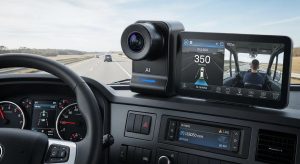
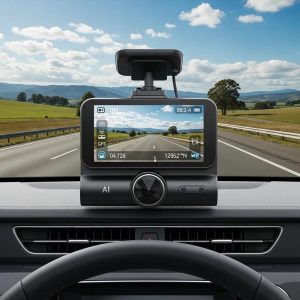
Our HD dash cams offer real-time visibility, AI-powered incident detection, and cloud storage to enhance fleet safety. With options like front-facing, dual-view, and 360-degree coverage, you’ll always have peace of mind on the road.
Our AI-powered fleet cameras provide real-time insights and advanced video analytics to monitor your vehicles. With multi-camera setups, instant alerts, and cloud storage, they ensure enhanced safety, accountability, and efficiency for your fleet.
Our fleet cameras deliver comprehensive monitoring with multi-camera setups and cloud storage. They provide real-time footage and alerts to boost safety, accountability, and operational efficiency across your fleet.
Our vehicle tracking solutions offer real-time GPS monitoring, detailed reporting, and route optimization. Stay informed on your fleet’s location, improve efficiency, and ensure your vehicles are always on the right path.
Our asset tracking solutions provide real-time GPS monitoring and detailed reporting for equipment and cargo. Keep track of valuable assets, reduce loss, and improve operational efficiency with our easy-to-use system.
What features should a food fleet tracking system have?
The essential features of a food fleet tracking system include real-time GPS tracking, temperature monitoring for perishable goods, route optimization, automated reporting, and communication tools for efficient driver management. These elements ensure safety and efficiency in food delivery operations.
Can fleet tracking reduce food waste in transportation?
Fleet tracking can significantly reduce food waste in transportation by optimizing routing, monitoring vehicle conditions, and ensuring timely deliveries. This efficiency helps maintain the freshness of food products and minimizes spoilage during transit.
How does GPS tracking improve food delivery fleet efficiency?
GPS tracking significantly enhances food delivery fleet efficiency by optimizing route planning, reducing fuel costs, and enabling real-time monitoring of delivery times, ultimately leading to improved customer satisfaction and timely deliveries.
What is the purpose of fleet tracking in food logistics?
The purpose of fleet tracking in food logistics is to enhance operational efficiency, ensure timely deliveries, maintain product quality, and improve overall safety by providing real-time visibility into vehicle location and performance.
How does fleet tracking enhance customer experience in food delivery?
Fleet tracking enhances customer experience in food delivery by providing real-time updates on order status and estimated delivery times, ensuring timely deliveries and increasing transparency, which ultimately boosts customer satisfaction.
How does real-time tracking benefit food and beverage fleets?
Real-time tracking benefits food and beverage fleets by enhancing delivery efficiency, maintaining temperature control, and reducing operational costs. This technology allows for timely response to issues, ensuring product quality and customer satisfaction.
What data can improve fleet tracking accuracy?
Data that can improve fleet tracking accuracy includes real-time GPS location, vehicle sensor metrics, maintenance history, and driver behavior analysis. This information helps optimize routing, enhance safety, and increase operational efficiency.
How can tracking enhance delivery time efficiency?
Tracking can significantly enhance delivery time efficiency by providing real-time data on vehicle locations and routes. This visibility allows for quicker decision-making, optimizing routes, and reducing delays, ultimately ensuring timely deliveries.
What technology aids in fleet waste reduction?
Technologies that aid in fleet waste reduction include advanced telematics systems for real-time tracking, AI-powered fleet cameras for monitoring driver behavior, and fuel management software. These tools enhance route optimization, reduce fuel consumption, and improve overall operational efficiency.
How does tracking impact food safety compliance?
Tracking enhances food safety compliance by monitoring temperature, location, and delivery conditions in real-time, ensuring that perishable goods are stored and transported under optimal conditions, thus minimizing risks of contamination and spoilage.
What metrics indicate fleet delivery efficiency?
Metrics that indicate fleet delivery efficiency include on-time delivery rates, average delivery time, fuel consumption per route, vehicle utilization rates, and the number of successful deliveries versus failed attempts. These measures help assess and optimize fleet performance.
How can fleet tracking optimize route planning?
Fleet tracking optimizes route planning by providing real-time data on vehicle locations, traffic conditions, and driver behavior. This allows fleet managers to make informed decisions, enabling more efficient routes, reduced fuel costs, and improved delivery times.
What challenges arise in food fleet management?
The challenges in food fleet management include maintaining temperature control for perishables, ensuring timely deliveries, managing compliance with food safety regulations, and optimizing routes to reduce costs and enhance efficiency.
How does GPS improve order accuracy in delivery?
GPS technology enhances order accuracy in delivery by providing real-time tracking and precise location data. This allows for optimized routing, timely updates on delivery status, and better coordination between drivers and dispatchers, reducing errors and ensuring that orders reach customers as intended.
What role does real-time data play in logistics?
Real-time data plays a crucial role in logistics by enhancing decision-making, improving route efficiency, and increasing transparency in supply chain operations. This timely information allows companies to respond swiftly to changes, ultimately boosting productivity and customer satisfaction.
How can tracking enhance fleet visibility for managers?
Tracking enhances fleet visibility for managers by providing real-time data on vehicle locations, improving route planning, and enabling proactive decision-making to ensure safety and efficiency throughout the fleet's operations.
What integration challenges exist with fleet tracking systems?
Integration challenges with fleet tracking systems often include compatibility issues with existing software, data synchronization difficulties, and varying hardware standards. These can hinder seamless communication and data flow between devices and platforms, impacting operational efficiency.
How do customer expectations affect food logistics tracking?
Customer expectations significantly influence food logistics tracking by demanding greater transparency, timely deliveries, and real-time updates. Meeting these expectations enhances customer satisfaction and builds trust in the logistics process.
What innovations improve fleet safety for food delivery?
Innovations that improve fleet safety for food delivery include advanced vehicle tracking systems, AI-powered dash cameras, and real-time analytics that monitor driver behavior, enhancing decision-making and reducing risks on the road.
How does weather affect fleet tracking effectiveness?
Weather significantly impacts fleet tracking effectiveness by affecting GPS signal quality, vehicle performance, and driver behavior. Poor weather conditions like rain, snow, or fog can lead to delays in tracking accuracy and hinder real-time monitoring.
What are the costs associated with fleet tracking systems?
The costs associated with fleet tracking systems include hardware purchase, installation fees, monthly subscription charges, and potential maintenance expenses. Pricing varies based on the features and size of the fleet, so it’s essential to evaluate your specific needs.
How can fleet tracking reduce operational costs?
Fleet tracking can significantly reduce operational costs by optimizing route planning, minimizing fuel consumption, and decreasing vehicle maintenance expenses through real-time data analysis and efficient resource allocation.
What are the advantages of automated fleet monitoring?
The advantages of automated fleet monitoring include enhanced safety through real-time vehicle tracking, improved efficiency via optimized route planning, reduced operational costs, and streamlined compliance with regulations, ultimately leading to better overall fleet management.
How can tracking enhance inventory management practices?
Tracking enhances inventory management practices by providing real-time visibility into stock levels and movement. This improves accuracy, reduces losses, and ensures timely restocking, ultimately leading to more efficient operations and better decision-making.
What features increase fleet tracking user satisfaction?
The features that increase fleet tracking user satisfaction include real-time location tracking, customizable alerts, user-friendly interfaces, comprehensive reporting, and responsive customer support. These elements create a more efficient and effective fleet management experience.
How can fleet tracking address delivery delays?
Fleet tracking can significantly reduce delivery delays by providing real-time visibility into vehicle locations and optimizing routes based on current traffic conditions. This helps ensure timely deliveries and enhances overall fleet efficiency.
What strategies maximize fleet tracking ROI?
Strategies to maximize fleet tracking ROI include utilizing real-time data analytics for optimized route planning, implementing regular maintenance schedules to reduce downtime, and ensuring comprehensive driver training to improve safety and efficiency.
How can feedback improve fleet management systems?
Feedback can significantly improve fleet management systems by identifying areas for enhancement, leading to better operational efficiency, optimized routes, and increased safety measures based on real-time data and user insights.
What software features support food delivery tracking?
The software features that support food delivery tracking include real-time GPS tracking, delivery route optimization, order status notifications, and customer communication tools. These features ensure timely deliveries and enhance overall efficiency in managing food delivery services.
How does data analysis drive fleet performance improvements?
Data analysis drives fleet performance improvements by identifying patterns and trends in vehicle operations, enabling real-time decision-making, optimizing routes, and enhancing maintenance schedules. This results in increased efficiency, reduced costs, and enhanced overall safety for fleet management.