
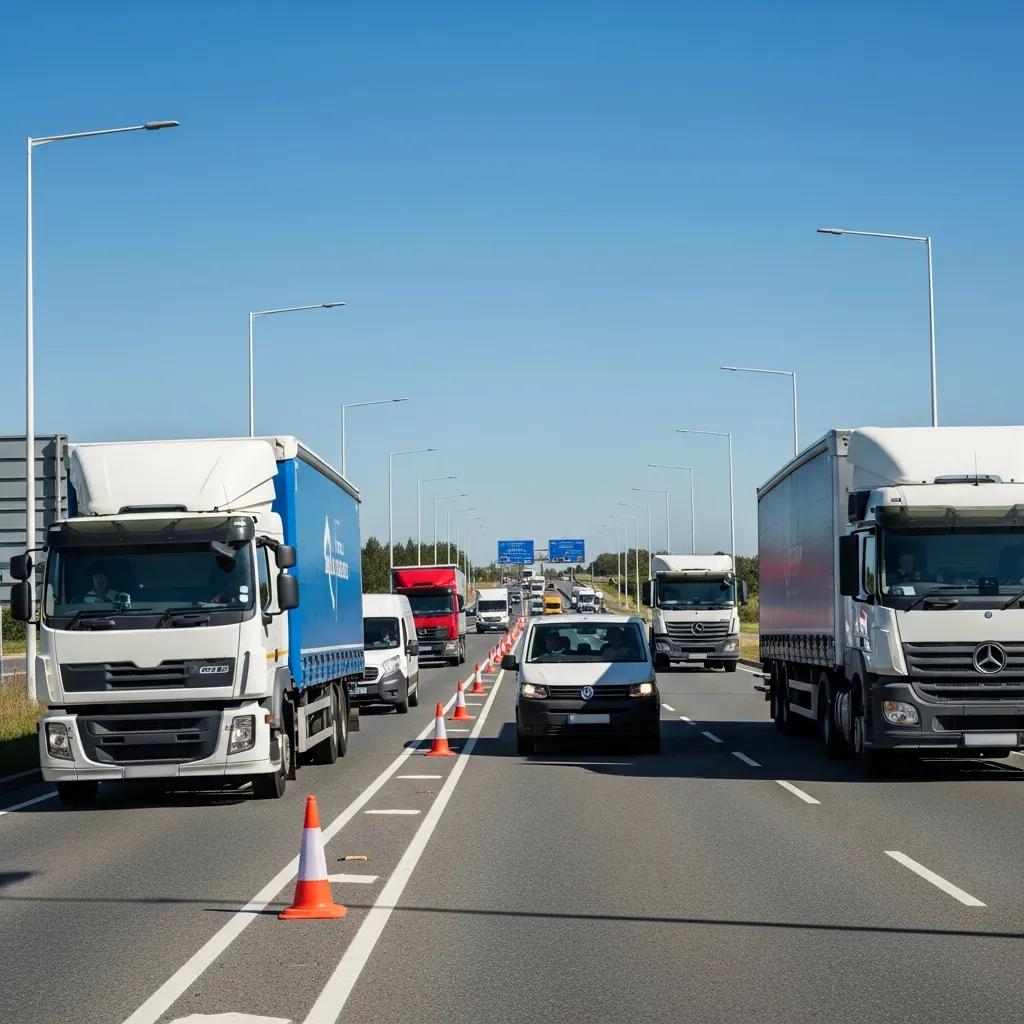
Best Practices for Enhancing Fleet Driver Safety
Best Practices for Enhancing Fleet Driver Safety: Comprehensive Tips and Training for Fleet Managers
Fleet driver safety is a critical concern for businesses that rely on transportation and logistics. With the increasing number of vehicles on the road, understanding the best practices for enhancing fleet driver safety is essential for fleet managers, logistics operations managers, and business owners. This article will explore key risks and causes of fleet driver accidents, effective monitoring technologies, and training programs that can significantly improve safety outcomes. By addressing these areas, fleet managers can implement strategies that not only reduce accidents but also enhance overall operational safety.
In this comprehensive guide, we will delve into the various factors contributing to fleet driver safety, including driver behavior, technology integration, and regulatory compliance. We will also discuss how leveraging telematics and artificial intelligence can enhance fleet safety technology. Finally, we will examine effective risk management strategies and performance measurement techniques that can help fleet managers maintain high safety standards.
What Are the Key Risks and Causes of Fleet Driver Accidents?
Understanding the key risks and causes of fleet driver accidents is vital for implementing effective safety measures. Fleet drivers face numerous challenges on the road, including distractions, fatigue, and adverse weather conditions. By identifying these risks, fleet managers can develop targeted strategies to mitigate them.
Which Driver Behaviors Most Increase Accident Risk?
Certain driver behaviors significantly increase the likelihood of accidents. Distracted driving, such as using mobile devices while driving, is a leading cause of accidents. Speeding also contributes to a higher risk of collisions, as it reduces the driver’s ability to react to sudden changes in traffic conditions. Additionally, aggressive driving behaviors, such as tailgating and frequent lane changes, can lead to dangerous situations on the road. By addressing these behaviors through training and monitoring, fleet managers can enhance overall safety.
How Does Driver Fatigue Affect Fleet Safety?
Driver fatigue is another critical factor affecting fleet safety. Studies show that fatigue-related accidents account for a significant percentage of all road incidents, with estimates often ranging from 10% to 20% of crashes involving fatigue or sleepiness. When drivers are fatigued, their reaction times slow, and their decision-making abilities diminish. Recommendations for managing fatigue include implementing regular breaks, monitoring driving hours, and promoting a healthy work-life balance. By prioritizing driver well-being, fleet managers can reduce the risk of fatigue-related accidents.
How Can Driver Behavior Monitoring Technologies Improve Fleet Safety?
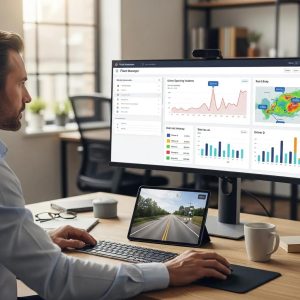
Driver behavior monitoring technologies play a crucial role in enhancing fleet safety. These technologies provide real-time insights into driver performance, allowing fleet managers to identify risky behaviors and implement corrective measures.
What Are the Benefits of Real-Time Driver Safety Insights?
Real-time driver safety insights offer several benefits, including immediate feedback for drivers and data-driven decision-making for fleet managers. By utilizing telematics systems, fleet managers can monitor speed, braking patterns, and acceleration in real-time. This information enables them to provide targeted coaching to drivers, ultimately leading to safer driving practices and reduced accident rates.
How Does Telematics Integration Support Driver Behavior Tracking?
Telematics integration supports driver behavior tracking by collecting and analyzing data from various sources, including GPS and onboard diagnostics. This data can be used to assess driver performance and identify areas for improvement. By integrating telematics with safety programs, fleet managers can create a comprehensive approach to driver safety that combines technology with training and support.
What Are Effective Driver Safety Training Programs for Fleet Drivers?

Implementing effective driver safety training programs is essential for reducing accidents and improving overall fleet safety. These programs should be tailored to address the specific needs of the fleet and its drivers.
Which Training Methods Increase Compliance and Reduce Accidents?
Interactive training methods, such as simulations and hands-on exercises, have been shown to increase compliance and reduce accidents. Regular assessments and refresher courses can also help reinforce safe driving practices. By engaging drivers in the learning process, fleet managers can foster a culture of safety within their organizations.
How Can Customizable Training Modules Enhance Driver Performance?
Customizable training modules allow fleet managers to tailor training content to the unique challenges faced by their drivers. This approach ensures that training is relevant and effective, leading to improved driver performance. By focusing on specific areas of concern, such as defensive driving techniques or vehicle maintenance, fleet managers can enhance the overall safety of their fleet.
How Does Leveraging Telematics and AI Enhance Fleet Vehicle Safety Technology?
Leveraging telematics and artificial intelligence (AI) can significantly enhance fleet safety technology. These advancements provide fleet managers with powerful tools to monitor and improve driver behavior and vehicle performance.
What Emerging AI Technologies Are Used in Fleet Safety?
Emerging AI technologies, such as predictive analytics and machine learning, are being utilized to enhance fleet safety. These technologies can analyze vast amounts of data to identify patterns and predict potential safety issues before they occur. By implementing AI-driven solutions, fleet managers can proactively address safety concerns and improve overall fleet performance.
How Do Telematics Devices Monitor and Report Driver Behavior?
Telematics devices monitor and report driver behavior by collecting data on various metrics, including speed, braking, and acceleration. This data is transmitted to fleet management systems, where it can be analyzed to identify trends and areas for improvement. By utilizing telematics devices, fleet managers can gain valuable insights into driver performance and implement targeted interventions to enhance safety.
What Are the Commercial Driver Safety Standards and Regulatory Compliance Requirements?
Understanding commercial driver safety standards and regulatory compliance requirements is essential for fleet managers. Compliance with these regulations not only ensures the safety of drivers but also protects the organization from legal liabilities.
Which FMCSA and OSHA Guidelines Must Fleet Managers Follow?
Fleet managers must adhere to guidelines set forth by the Federal Motor Carrier Safety Administration (FMCSA) and the Occupational Safety and Health Administration (OSHA). These guidelines cover various aspects of fleet operations, including driver qualifications, vehicle maintenance, and safety training. By staying informed about these regulations, fleet managers can ensure compliance and promote a culture of safety within their organizations.
How Can Compliance Tracking Reduce Legal and Safety Risks?
Compliance tracking is a critical component of effective fleet management. By implementing systems to monitor compliance with safety regulations, fleet managers can identify potential issues before they escalate. This proactive approach not only reduces legal risks but also enhances overall safety by ensuring that drivers are following established protocols.
What Fleet Risk Management Strategies Effectively Prevent Accidents?
Implementing effective fleet risk management strategies is essential for preventing accidents and ensuring the safety of drivers. These strategies should be comprehensive and address various aspects of fleet operations.
How Do Safety Analytics Inform Risk Reduction Plans?
Safety analytics play a crucial role in informing risk reduction plans. By analyzing data on past incidents and near misses, fleet managers can identify trends and develop targeted strategies to mitigate risks. This data-driven approach allows for more effective decision-making and resource allocation, ultimately leading to safer fleet operations.
What Role Do Vehicle Maintenance and Safety Checks Play?
Regular vehicle maintenance and safety checks are vital for ensuring the safety of fleet vehicles. By implementing a proactive maintenance schedule, fleet managers can identify and address potential issues before they lead to accidents. This approach not only enhances safety but also extends the lifespan of vehicles and reduces overall operating costs.
How Can Fleet Safety Performance Be Measured and Improved?
Measuring and improving fleet safety performance is essential for maintaining high safety standards. Fleet managers should utilize various metrics and reporting tools to assess safety performance and identify areas for improvement.
Which Safety Metrics and Reporting Tools Are Most Useful?
Key safety metrics, such as accident rates, near misses, and driver performance scores, provide valuable insights into fleet safety. Reporting tools that aggregate and analyze this data can help fleet managers track progress and identify trends over time. By utilizing these metrics, fleet managers can make informed decisions to enhance safety.
How Do Case Studies Demonstrate Safety Improvement Outcomes?
Case studies showcasing safety improvement outcomes can provide valuable insights into effective strategies for enhancing fleet safety. By examining real-world examples of successful safety initiatives, fleet managers can learn from the experiences of others and implement similar strategies within their organizations. These case studies highlight the importance of a proactive approach to safety and the positive impact it can have on overall fleet performance.
Jeff Stoker is the CEO and founder of Safety Track, a company he established in 2002. With over two decades of leadership in fleet management solutions, Jeff has guided Safety Track from a pioneering vision to a trusted industry leader. His innovative mindset and commitment to excellence continue to drive the company’s growth and impact.