
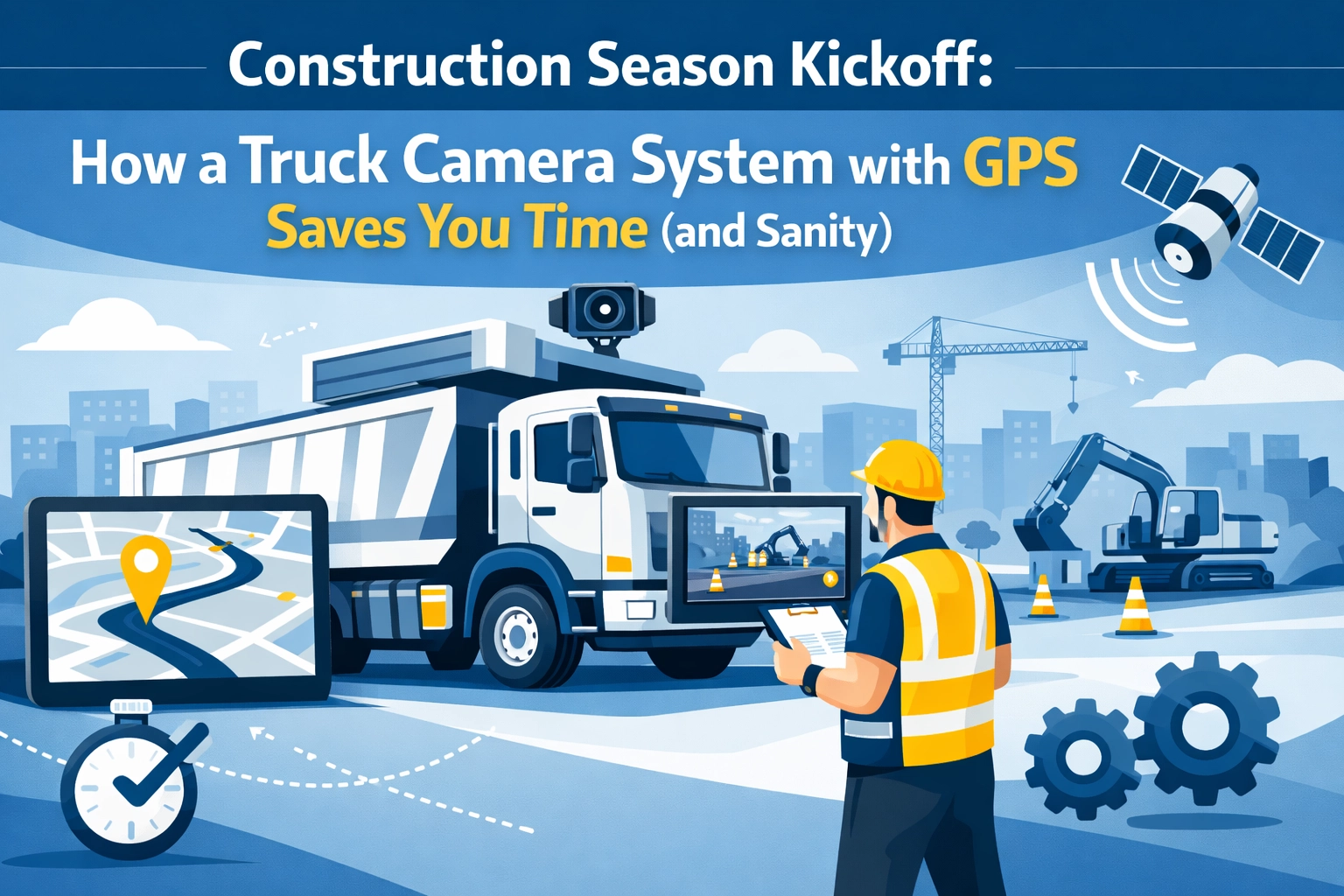
Optimizing Fleet Safety: Truck Camera Systems for Construction Season
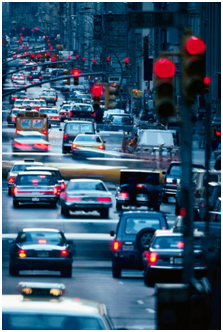
As the winter snow retreats and the ground begins to thaw, a familiar sight returns to the highways and city streets: the orange barrel. While spring signals growth and renewal for many, for fleet managers and construction companies, it marks the beginning of “Orange Cone Season.” This period brings a unique set of challenges, from unpredictable road closures and heavy traffic congestion to the increased risk of accidents in tight work zones.
Navigating these challenges requires more than just a skilled driver; it requires a sophisticated technological backbone. Implementing a truck camera system with gps is no longer a luxury: it is a critical tool for maintaining operational efficiency and driver safety during the busiest months of the year. By combining real-time location data with visual evidence, fleets can bypass the headaches of construction and keep their projects on schedule.
The Logistical Nightmare of Roadwork Delays
Construction season is synonymous with delays. A route that took 45 minutes in February can easily stretch into two hours in April as lanes are restricted and detours are implemented. For a fleet-based business, these delays translate directly into lost revenue, increased fuel consumption, and frustrated customers.
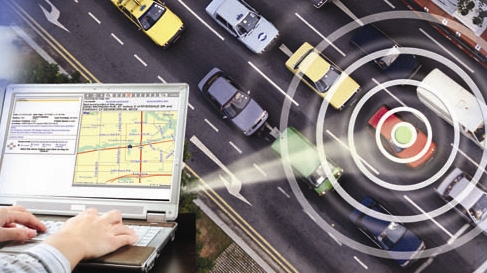
Traditional GPS apps are often sufficient for passenger vehicles, but commercial fleets require specialized routing that accounts for vehicle size, weight restrictions, and real-time commercial traffic data. When your fleet uses a truck camera system with GPS, dispatchers gain a bird’s-eye view of the entire operation. They can see exactly where a vehicle is idling in traffic and proactively suggest alternative routes before the driver gets stuck in a bottleneck.
This level of real-time visibility allows managers to adjust schedules on the fly. If a major highway is shut down due to an overnight paving project that ran long, the office can reroute the rest of the fleet immediately, saving hours of collective downtime and hundreds of dollars in wasted fuel.
Enhancing Driver Awareness with Fleet Safety Cameras
Construction zones are inherently dangerous environments. Lanes are often narrowed, concrete barriers are placed inches from the vehicle’s side, and workers are frequently positioned just feet away from moving traffic. In these high-pressure scenarios, drivers are at an increased risk of side-swipe accidents or collisions caused by other motorists who are distracted by the construction activity.
Fleet safety cameras act as an extra set of eyes for the driver and an unbiased witness for the company. Modern AI-enhanced cameras can alert drivers to potential hazards, such as tailgating or lane departures, which are common in the shifting patterns of a work zone. This proactive coaching helps maintain a high standard of safety even when the road conditions are far from ideal.
Furthermore, if an incident does occur, having a video record is invaluable. Construction zones are often sites of “he-said, she-said” disputes. A truck camera system with GPS records not only the video footage of the event but also the exact speed, braking force, and location of the vehicle. This data protects your company from wrongful liability and helps expedite insurance claims, which is essential for enhancing safety and efficiency.
Precision Asset Management and Geofencing
Construction season doesn’t just mean more driving; it means more equipment movement. Assets like graders, loaders, and trailers are constantly being shuffled between various job sites. Keeping track of these high-value assets manually is a recipe for disaster and lost equipment.
GPS-enabled tracking allows managers to set up “geofences” around specific job sites. A geofence is a virtual perimeter that triggers an alert the moment a piece of equipment enters or leaves the designated area. During the height of construction season, this feature provides several key benefits:
- Theft Prevention: If a piece of equipment moves outside of working hours or leaves a site without authorization, managers receive an instant notification, allowing for rapid recovery.
- Unauthorized Use: Ensure that equipment is only being used for company projects and not for “side jobs” during off-hours.
- Arrival and Departure Accuracy: Automatically log when a truck arrives at a site to drop off materials, eliminating the need for manual check-ins and reducing paperwork.
By utilizing essential insights on GPS tracking, companies can ensure that their most valuable tools are always where they are supposed to be, reducing the sanity-draining search for “lost” trailers or machinery.
Streamlining Billing and Payroll Accuracy
One of the most overlooked benefits of a truck camera system with GPS is its impact on the back office. During the busy season, manual time tracking is prone to errors. Drivers may forget to log their arrival times, or site managers may dispute how many hours a truck was actually present on-site.
Because GPS systems provide a digital breadcrumb trail, there is no ambiguity. You can generate reports that show exactly when a vehicle arrived at a construction site and when it left. This data integrates seamlessly into payroll and invoicing systems, ensuring that you are billing customers accurately for labor and machine hours.
Accurate data also eliminates disputes with subcontractors and clients. When you can provide a timestamped, GPS-verified report of a vehicle’s location, the “sanity” of the billing department is preserved, and the company’s professional reputation is upheld.
Proactive Maintenance to Avoid Peak-Season Breakdowns
The increased workload of the spring and summer months puts a significant strain on fleet vehicles. Constant idling in construction traffic and heavy hauling to job sites can accelerate wear and tear. The last thing any manager wants is a truck breaking down in the middle of a one-lane construction zone, causing a massive traffic jam and a total loss of productivity for that day.
Advanced telematics systems monitor engine diagnostics in real-time. They can flag issues such as rising engine temperatures, battery health, or “check engine” codes before they lead to a catastrophic failure. By scheduling maintenance based on actual vehicle usage and diagnostic data, you can understand the impact of vehicle downtime and prevent it before it happens.
This proactive approach ensures that your fleet stays on the road when demand is highest, rather than sitting in the shop for avoidable repairs.
Choosing the Right System for the Season
Not all camera and GPS systems are created equal. When selecting a solution to carry your fleet through the construction season, it is important to look for integrated platforms. Having separate apps for video and GPS creates “data silos” that are difficult to manage.
The best AI dashcams for fleet safety are those that offer a unified dashboard. This allows a fleet manager to see a vehicle’s location on a map and, with a single click, view the live or recorded video feed from that specific truck. This integration is what truly saves time, as it allows for immediate context during a delay or an incident.
Final Thoughts: Staying Ahead of the Orange Barrels
Construction season is an inevitable part of the industry, but the stress that comes with it doesn’t have to be. By investing in a truck camera system with gps, you are giving your team the tools they need to navigate the chaos with precision.
From finding the most efficient routes around roadwork to protecting your drivers with fleet safety cameras, the right technology transforms a logistical nightmare into a manageable, profitable season. As the orange barrels start to appear on your route, make sure your fleet is equipped to see through the dust and keep moving forward.
Ready to prepare your fleet for the busiest season of the year? Explore how Safety Track’s integrated solutions can streamline your operations and protect your bottom line.

Tyler Schneider is the IT Director at Safety Track, overseeing the company’s technological infrastructure and innovations. With a strong background in information technology and systems management, Tyler ensures that Safety Track stays at the forefront of tech solutions in fleet management. His strategic expertise supports the seamless integration of technology across the company’s operations.