
Effective Driver Training Programs for Fleet Safety
Effective Driver Training Programs for Fleet Safety
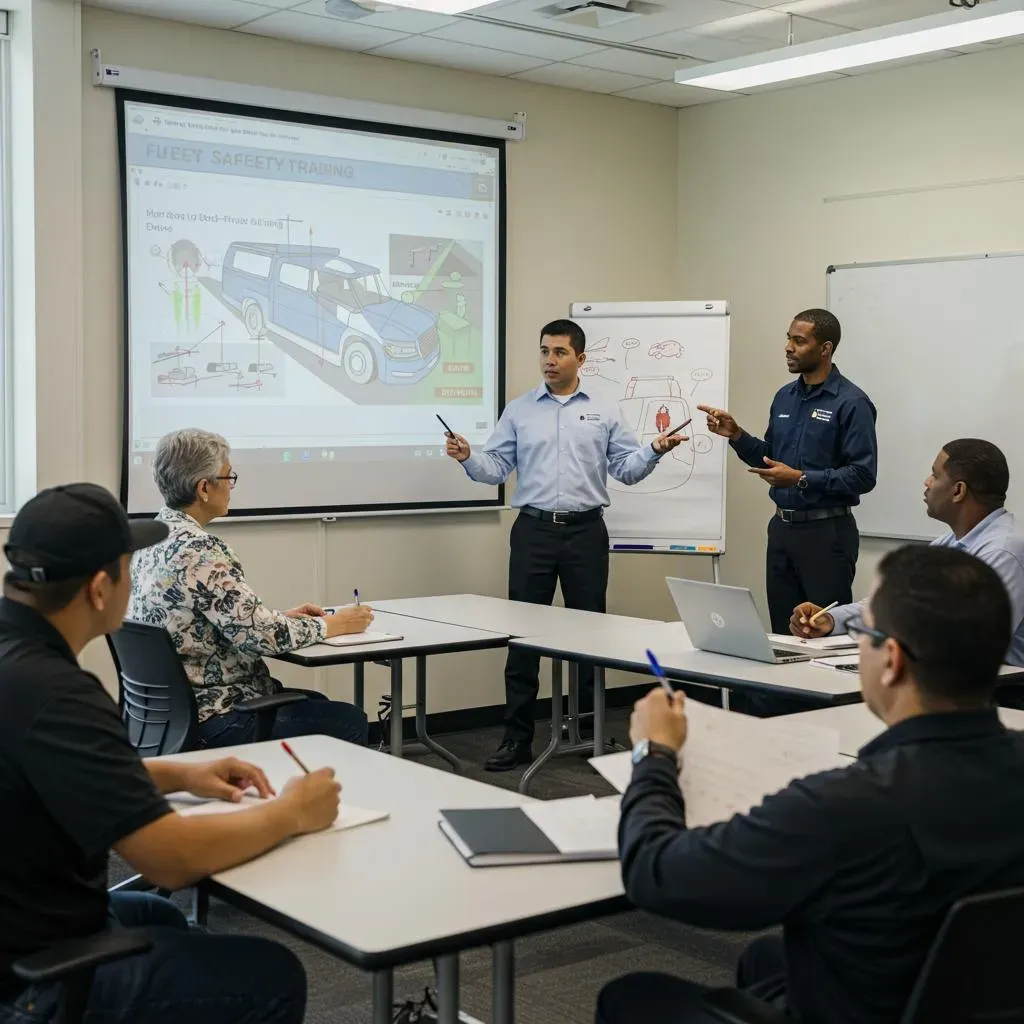
Effective driver training programs are essential for enhancing fleet safety and reducing accidents in commercial vehicle operations. These programs equip drivers with the necessary skills and knowledge to navigate various driving conditions safely. By focusing on defensive driving techniques, risk management, and compliance with safety regulations, organizations can significantly improve their fleet’s overall safety performance. This article will explore the key types of fleet driver safety courses, the role of driver safety certification programs, and the technologies that support driver performance monitoring. Additionally, we will discuss how driver training and risk management techniques can further enhance safety outcomes.
What Are the Key Types of Fleet Driver Safety Courses?
Fleet driver safety courses are designed to address various aspects of safe driving. The primary types include: driver training.
- Defensive Driving Courses: These courses teach drivers how to anticipate and respond to potential hazards on the road, reducing the likelihood of accidents.
- Specialized Fleet Driver Training: Tailored to specific vehicle types or industries, this training ensures drivers are well-versed in the unique challenges they may face.
- Simulation Training: Utilizing advanced technology, simulation training provides a safe environment for drivers to practice their skills and decision-making in various scenarios.
Safety Track offers a range of effective driver training programs designed to reduce accidents and improve compliance for commercial vehicle fleets.
How Defensive Driving and Risk Management Training Boost Fleet Safety
Defensive driving and risk management training play a crucial role in enhancing fleet safety. Defensive driving teaches drivers to be proactive rather than reactive, helping them to identify potential hazards and avoid accidents. This training emphasizes techniques such as maintaining safe following distances, proper use of mirrors, and anticipating the actions of other road users.
Risk management training complements defensive driving by focusing on identifying and mitigating risks associated with driving. By understanding the factors that contribute to accidents, drivers can make informed decisions that enhance their safety and that of others on the road. Together, these training programs lead to accident prevention, cost reduction, and improved driver behavior.
What Role Do Driver Safety Certification Programs Play in Compliance?
Driver safety certification programs are vital for ensuring compliance with safety regulations. These programs provide drivers with the necessary training and qualifications to operate commercial vehicles safely. Regular training sessions help reinforce safety protocols and keep drivers updated on the latest regulations and best practices.
Certification programs also serve as a benchmark for assessing driver competency. By requiring drivers to complete these programs, fleet managers can ensure that their teams are well-prepared to handle the challenges of the road, ultimately fostering a culture of safety within the organization.
How Does Driver Training for Commercial Fleets Enhance Compliance and Certification?
Driver training for commercial fleets enhances compliance and certification by educating drivers on safety regulations and industry guidelines. This training fosters a culture of safety, encouraging drivers to prioritize safe practices in their daily operations. By maintaining adherence to these standards, organizations can reduce the risk of accidents and ensure that their drivers are well-equipped to meet regulatory requirements.
Moreover, ongoing training helps to reinforce the importance of compliance, ensuring that drivers remain aware of their responsibilities and the potential consequences of non-compliance. This proactive approach not only enhances safety but also protects the organization from legal liabilities.
Which Compliance Standards Must Commercial Drivers Meet?
Commercial drivers must adhere to several compliance standards to ensure safety on the road. Key standards include:
- Driver Qualification Standards: These standards ensure that drivers possess the necessary skills and knowledge to operate commercial vehicles safely.
- Hours of Service Regulations: These regulations govern the amount of time drivers can spend on the road, helping to prevent fatigue-related accidents.
- Vehicle Maintenance and Inspection: Regular maintenance and inspection of vehicles are essential to ensure they are safe for operation.
By understanding and complying with these standards, drivers can significantly reduce the risk of accidents and enhance overall fleet safety.
How Are Driver Safety Certifications Integrated into Training Programs?
Driver safety certifications are integrated into training programs through a structured approach that combines technology and hands-on training. This integration ensures that drivers receive comprehensive education on safety regulations and best practices.
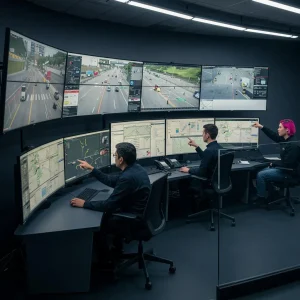
Monitoring driver behavior is a critical component of this integration. By utilizing telematics technology, fleet managers can track driver performance and provide real-time feedback. This data-driven approach allows for personalized coaching, helping drivers to improve their skills and maintain compliance with safety regulations.
What Technologies Support Fleet Driver Performance Monitoring and Training?
Several technologies support fleet driver training performance monitoring and training, enhancing the effectiveness of driver training programs. Key technologies include:
- GPS Tracking: This technology allows fleet managers to monitor vehicle locations and driver behavior in real-time, providing valuable insights into performance.
- Video Surveillance: Dash cameras can capture driving incidents, enabling fleet managers to review and analyze driver behavior for training purposes.
- AI-Powered Monitoring: Advanced analytics can identify patterns in driver behavior, helping to pinpoint areas for improvement and tailor training programs accordingly.
These technologies not only support driver training but also contribute to a safer driving environment by providing fleet managers with the tools they need to monitor and improve driver performance.
How Does Telematics Technology Enable Driver Behavior Analytics?
Telematics technology plays a crucial role in enabling driver behavior analytics by collecting real-time data on various driving metrics. This data includes speed, acceleration, braking patterns, and more, allowing fleet managers to analyze driving habits comprehensively. driver behavior monitoring
By analyzing this data, organizations can identify trends and areas for improvement, leading to targeted training initiatives. For instance, if a driver consistently exhibits harsh braking behavior, targeted coaching can be provided to address this issue. This proactive approach not only enhances driver safety but also contributes to overall fleet efficiency.
This emphasis on data-driven insights is further supported by research highlighting the comprehensive role of data analytics in understanding and improving driver behavior for enhanced fleet safety.
Data Analytics for Driver Behavior Monitoring & Fleet Safety
Driver behavior plays a critical role in road safety, vehicle efficiency, and traffic management. With the rise of connected vehicles and IoT devices, large volumes of real-time driving data are being collected. Data analytics is increasingly used to interpret this data, offering insights into driver habits, predicting risky behaviors, and improving vehicle performance. This paper explores the role of data analytics in monitoring driver behavior, including techniques like machine learning, sensor data fusion, and predictive modeling. Applications range from insurance telematics and fleet management to smart city planning.
Data Analytics in Monitoring Driver Behavior, 2025
What Are the Benefits of Real-Time Driver Performance Monitoring?

Real-time driver performance monitoring offers several benefits that contribute to enhanced fleet safety:
- Improved Driver Accountability: Drivers are more likely to adhere to safe driving practices when they know their performance is being monitored.
- Reduced Downtime and Theft Risk: Monitoring vehicle locations and performance can help prevent unauthorized use and theft.
- Accurate Verification of Events: In the event of an accident, real-time data can provide accurate information about the circumstances, aiding in investigations and claims.
These benefits highlight the importance of implementing real-time monitoring systems within fleet operations to enhance safety and efficiency.
How Can Fleet Driver Risk Management Techniques Reduce Accidents?
Fleet driver risk management techniques are essential for reducing accidents and enhancing overall safety. Key techniques include:
- Proactive Awareness: Encouraging drivers to remain vigilant and aware of their surroundings can help prevent accidents before they occur.
- Regular Vehicle Maintenance: Ensuring that vehicles are well-maintained reduces the likelihood of mechanical failures that can lead to accidents.
- Driver Behavior Monitoring: Utilizing telematics and GPS tracking to monitor driver behavior allows for timely interventions and coaching.
By implementing these techniques, organizations can create a safer driving environment and significantly reduce the risk of accidents.
What Strategies Are Effective for Identifying and Mitigating Driver Risks?
Identifying and mitigating driver risks is crucial for maintaining fleet safety. Effective strategies include: driver training.
- Utilizing Telematics and GPS Tracking: These tools provide valuable insights into driver behavior and vehicle performance, allowing for targeted interventions.
- Regular Safety Audits: Conducting safety audits helps identify potential risks and areas for improvement within the fleet.
- Promoting a Safety-First Culture: Encouraging a culture of safety within the organization fosters accountability and prioritizes safe driving practices.
These strategies not only help in identifying risks but also empower organizations to take proactive measures to mitigate them.
How Does Data-Driven Coaching Improve Driver Safety Outcomes?
Data-driven coaching significantly improves driver safety outcomes by providing personalized feedback based on real-time performance data. This approach allows fleet managers to identify specific areas where drivers may need improvement and tailor coaching sessions accordingly.
For example, if data indicates that a driver frequently exceeds speed limits, targeted coaching can address this behavior and emphasize the importance of adhering to speed regulations. This personalized approach fosters a culture of continuous improvement, ultimately leading to safer driving practices and reduced accident rates.
How Is the Effectiveness of Driver Training Programs Measured?
Measuring the effectiveness of driver training programs is essential for ensuring continuous improvement. Key methods include:
- Driver Scorecards: These scorecards provide a comprehensive overview of driver performance, highlighting areas of strength and opportunities for improvement.
- Key Performance Indicators (KPIs): KPIs such as accident rates, compliance with regulations, and driver feedback can help assess the impact of training programs.
- Performance Comparisons: Comparing performance data before and after training can provide insights into the effectiveness of the program.
By utilizing these measurement methods, organizations can ensure that their driver training programs are effective and continuously evolving to meet safety needs.
What Metrics and KPIs Indicate Improved Fleet Safety?
Several metrics and KPIs can indicate improved fleet safety, including:
- Accident Rate per Million Miles: This metric provides a clear picture of the safety performance of the fleet.
- Insurance Claim Frequency: A decrease in claims can indicate improved safety practices and reduced accidents.
- Driver Safety Score: This score reflects individual driver performance and adherence to safety protocols.
Monitoring these metrics allows organizations to assess the effectiveness of their safety initiatives and make data-driven decisions to enhance fleet safety.
How Do Case Studies Demonstrate Training Impact on Accident Reduction?
Case studies provide valuable insights into the impact of driver training programs on accident reduction. For instance, organizations that implemented comprehensive training programs often report measurable safety improvements, such as a significant decrease in accident rates and insurance claims.
programs on accident reduction.
These real-world examples highlight the effectiveness of targeted training initiatives and underscore the importance of investing in driver training. By analyzing the outcomes of these case studies, organizations can better understand the value of driver training in enhancing fleet safety.
What Are the Latest Industry Trends and Statistics in Fleet Safety Training?
The landscape of fleet safety training is continually evolving, with several key trends emerging:
- Emerging Technologies: The integration of advanced technologies such as AI and machine learning is transforming how driver training is delivered and monitored.
- Recent Statistics: Current research indicates that organizations investing in comprehensive driver training programs experience a reduction in accident rates.
- Industry Standards: As safety regulations become more stringent, organizations must adapt their training programs to meet these evolving standards.
Staying informed about these trends and statistics is crucial for fleet managers seeking to enhance their safety training initiatives.
How Should Fleet Managers Implement and Monitor Driver Training Programs?
Implementing and monitoring driver training programs requires a strategic approach. Key best practices include: driver training.
- Identify Training Needs: Assess the specific training needs of drivers based on performance data and safety audits.
- Utilize Technology: Leverage telematics and other technologies to monitor driver performance and provide real-time feedback.
- Ongoing Education: Ensure that training programs are regularly updated to reflect changes in regulations and industry best practices.
By following these best practices, fleet managers can effectively implement and monitor driver training programs, ultimately enhancing fleet safety and compliance.
Jeff Stoker is the CEO and founder of Safety Track, a company he established in 2002. With over two decades of leadership in fleet management solutions, Jeff has guided Safety Track from a pioneering vision to a trusted industry leader. His innovative mindset and commitment to excellence continue to drive the company’s growth and impact.