
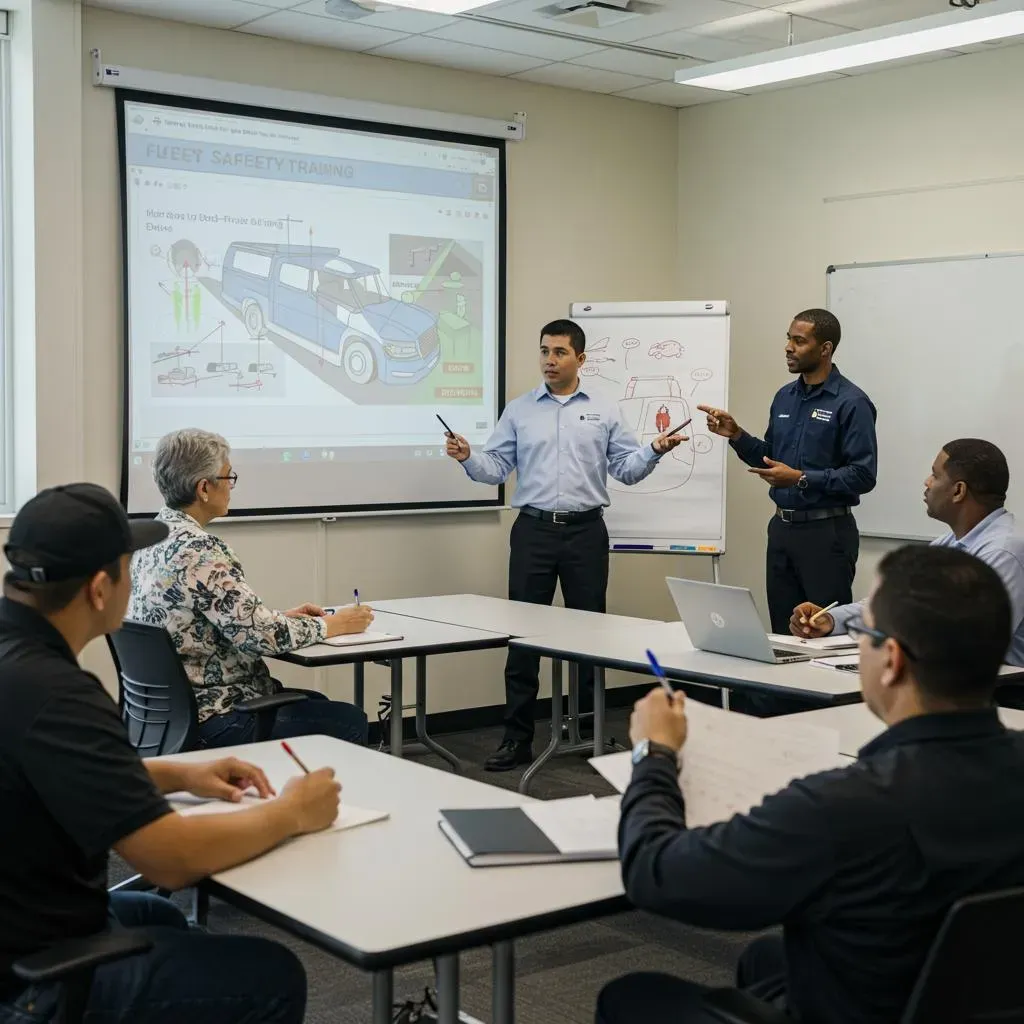
How Effective Is Your Fleet Safety Training
How Effective Is Your Fleet Safety Training
Fleet safety training is a critical component in managing and mitigating risks associated with commercial vehicle operations. Effective training programs not only enhance driver safety but also contribute to overall fleet efficiency and compliance with regulatory standards. This article delves into the various metrics that determine the effectiveness of fleet safety training, the role of technology in enhancing training outcomes, and the importance of monitoring driver behavior. By understanding these elements, fleet managers can implement strategies that significantly reduce incidents and improve safety performance.
In this comprehensive guide, we will explore key metrics for evaluating fleet driver safety programs, methods for measuring safety performance accurately, and the impact of technology on training effectiveness. Additionally, we will discuss compliance training requirements, the benefits of real-time risk alerts, and best practices for maximizing the return on investment (ROI) from safety training programs.
Key Metrics to Evaluate Fleet Safety Training Effectiveness
To evaluate the effectiveness of fleet driver safety programs, several key metrics should be considered. These metrics provide insights into how well the training is performing and where improvements can be made.
- Accident Rates: Tracking the number of accidents before and after training can indicate the program’s impact on driver behavior and safety.
- Driver Performance Metrics: Monitoring metrics such as speeding incidents, harsh braking, and acceleration can help assess how well drivers are applying what they learned during training.
- Compliance Rates: Ensuring that drivers adhere to safety regulations and company policies is crucial for evaluating the effectiveness of training programs.
These metrics serve as a foundation for understanding the overall impact of safety training on fleet operations. By analyzing these data points, fleet managers can identify areas for improvement and adjust their training programs accordingly.
How to Measure Fleet Safety Performance Metrics Accurately

Accurate measurement of fleet safety performance metrics is essential for assessing the effectiveness of training programs. Here are some methods to achieve this: driver training programs.
- Utilize Telematics Systems: Implementing telematics systems allows for real-time data collection on driver behavior, vehicle performance, and incident reporting. This data can be analyzed to identify trends and areas needing improvement.
- Implement Key Performance Indicators (KPIs): Establishing KPIs related to safety performance, such as accident frequency and compliance rates, provides measurable goals for training effectiveness.
- Use Safety Management Software: Safety management software can streamline the process of tracking and analyzing safety metrics, making it easier to identify patterns and implement corrective actions.
By employing these methods, fleet managers can gain a clearer picture of their safety performance and make informed decisions to enhance training programs.
Which Incident Reduction Rates Reflect Successful Training Outcomes?
Successful fleet safety training should lead to a measurable reduction in incidents. Key indicators of success include: fleet safety technology
- Reduced Incident Rates: A significant decrease in accidents and near-misses post-training indicates that drivers are applying their knowledge effectively.
- Improved Compliance: Higher compliance rates with safety regulations suggest that training has successfully instilled a culture of safety among drivers.
- Increased Driver Accountability: When drivers take ownership of their safety performance, it reflects the effectiveness of the training in fostering responsible behavior.
These outcomes not only enhance safety but also contribute to lower operational costs and improved fleet reputation.
How Does Technology Improve Commercial Vehicle Safety Training?
Technology plays a pivotal role in enhancing the effectiveness of commercial vehicle safety training. Here are some ways it contributes:
- Real-Time Feedback: Advanced telematics systems provide immediate feedback to drivers about their performance, allowing for quick adjustments and learning opportunities.
- Data Analysis: Technology enables the collection and analysis of vast amounts of data, helping identify trends and areas for improvement in driver behavior.
- Personalized Coaching: With the help of technology, training can be tailored to individual driver needs, focusing on specific areas where improvement is needed.
By leveraging technology, fleet managers can create a more dynamic and responsive training environment that adapts to the needs of their drivers.
What Role Does Driver Behavior Monitoring Play in Training Effectiveness?
Driver behavior monitoring is crucial for assessing the effectiveness of safety training programs. It provides insights into how well drivers are applying their training in real-world scenarios. Key aspects include: driver behavior monitoring.
- Real-Time Data: Continuous monitoring allows for the collection of real-time data on driver behavior, enabling immediate feedback and coaching.
- Targeted Coaching: By identifying specific behaviors that need improvement, fleet managers can provide targeted coaching to help drivers enhance their skills.
- Performance Comparisons: Monitoring allows for comparisons between drivers, helping to identify best practices and areas where additional training may be necessary.
This proactive approach to driver behavior monitoring ensures that training remains relevant and effective.
How Do Telematics Devices Enhance Real-Time Driver Feedback?
Telematics devices are instrumental in providing real-time feedback to drivers, which is essential for improving safety performance. Here’s how they enhance training:
- Real-Time Alerts: Telematics systems can send instant alerts to drivers about unsafe behaviors, such as speeding or harsh braking, allowing for immediate correction.
- Video Playback for Coaching: Many telematics systems include video capabilities that allow fleet managers to review incidents and provide visual feedback to drivers.
- Personalized Training Programs: Data collected from telematics devices can be used to create personalized training programs that address specific driver needs and performance gaps.
By utilizing telematics devices, fleets can foster a culture of continuous improvement and accountability among drivers.
Studies confirm that real-time telematics feedback is a powerful tool for improving driver behavior and enhancing overall fleet safety.
Real-time Telematics Feedback for Driver Behavior Improvement
ABSTRACT: Mobile and internet-of-things (IoT) devices increasingly enable tracking of user behavior and they often provide real-time feedback to the consumers in an effort to improve their conduct. Growing adoption of such technologies leads to an important question, “Does real-time feedback provided to users improve their behavior?” We study real-time feedback in the context of automotive telematics that has been recognized as the most disruptive technology in the automotive insurance industry. Academic/Practical relevance: While telematics devices are already providing complex real-time feedback to drivers, we still poorly understand implications of such feedback on user behavior. Given that effect of feedback is sometimes ambiguous and has thriving adoption in practice, it is important to study real-time feedback and identify the effect it has on human behavior, especially in such important applications as automotive.
Does Real-time Feedback Make You Try Less Hard?:
A Study of Automotive Telematics, V Choudhary, 2018
What Are the Compliance and Regulatory Standards for Fleet Safety Training?
Compliance with regulatory standards is a critical aspect of fleet safety training. Key standards include:
- FMCSA Regulations: The Federal Motor Carrier Safety Administration (FMCSA) sets forth regulations that govern commercial vehicle operations, including driver training requirements.
- State-Specific Laws: Different states may have additional laws and regulations that fleets must adhere to, making it essential to stay informed about local requirements.
- Ongoing Training and Certification: Regular training and certification ensure that drivers remain compliant with evolving regulations and best practices.
Understanding and adhering to these standards is vital for maintaining a safe and compliant fleet.
Which Driver Safety Compliance Training Requirements Must Fleets Meet?
Fleets must meet several compliance training requirements to ensure safety and regulatory adherence:
- Mandatory Driver Qualification Standards: These standards require that all drivers meet specific qualifications before operating commercial vehicles.
- Ongoing Training and Certification: Regular training sessions are necessary to keep drivers updated on safety practices and regulatory changes.
- Regular Training Sessions: Scheduling consistent training sessions helps reinforce safety protocols and ensures that drivers remain compliant.
By fulfilling these requirements, fleets can enhance their safety culture and reduce the risk of incidents.
How Does Compliance Training Ensure Regulatory Adherence and Risk Management?
Compliance training is essential for ensuring that fleets adhere to regulatory standards and effectively manage risks. Key benefits include:
- Compliance with Regulations: Training ensures that drivers are aware of and understand the regulations governing their operations, reducing the likelihood of violations.
- Real-Time Monitoring: Ongoing monitoring of driver performance helps identify potential compliance issues before they escalate.
- Data Collection and Analysis: Collecting data on compliance metrics allows fleets to analyze trends and make informed decisions about training needs.
By prioritizing compliance training, fleets can mitigate risks and enhance overall safety.
How Can Fleet Risk Management Solutions Maximize Training ROI?
Fleet risk management solutions can significantly enhance the return on investment (ROI) from safety training programs. Here’s how:
- Data-Driven Insights: Utilizing data analytics helps identify the most effective training methods and areas for improvement, ensuring that resources are allocated efficiently.
- Accident Reduction: Effective risk management strategies lead to fewer accidents, which translates to lower insurance premiums and operational costs.
- Cost Savings: By reducing incidents and improving compliance, fleets can achieve substantial cost savings over time.
Implementing robust risk management solutions is essential for maximizing the benefits of safety training.
What Are the Cost Benefits of Effective Fleet Safety Training Programs?
Investing in effective fleet safety training programs yields several cost benefits, including:
- Reduced Accident Rates: Comprehensive training leads to fewer accidents, which directly lowers costs associated with vehicle repairs and insurance claims.
- Lower Insurance Premiums: A proven track record of safety can result in reduced insurance premiums, providing significant savings for fleets.
- Decreased Maintenance Costs: Well-trained drivers are less likely to engage in behaviors that lead to vehicle wear and tear, resulting in lower maintenance costs.
These financial advantages underscore the importance of prioritizing safety training within fleet operations.
How to Use Safety Analytics to Demonstrate Training Return on Investment?
Safety analytics can be a powerful tool for demonstrating the return on investment (ROI) from training programs. Here are some methods to effectively utilize analytics:
- Data Collection: Gather data on key performance indicators (KPIs) related to safety, such as accident rates and compliance metrics.
- Performance Metrics: Analyze performance metrics before and after training to quantify improvements and demonstrate the effectiveness of the program.
- Cost Savings: Calculate cost savings resulting from reduced incidents and improved compliance to provide a clear picture of ROI.
By leveraging safety analytics, fleet managers can effectively communicate the value of their training programs to stakeholders.
What Best Practices Enhance the Impact of Fleet Driver Safety Programs?
Implementing best practices can significantly enhance the impact of fleet driver safety programs. Key practices include:
- Comprehensive Training: Providing thorough training that covers all aspects of safety ensures that drivers are well-prepared for their roles.
- Assessment Tools: Utilizing assessment tools to evaluate driver performance helps identify areas for improvement and tailor training accordingly.
- Technology Integration: Incorporating technology into training programs can enhance engagement and provide real-time feedback to drivers.
These best practices contribute to a more effective safety training program and foster a culture of safety within the fleet.
Which Training Modules Are Most Effective for Driver Behavior Improvement?
Certain training modules have proven particularly effective in improving driver behavior. These include:
- Live Viewing Cameras: These systems provide real-time feedback and coaching opportunities, helping drivers correct unsafe behaviors immediately.
- GPS-Based Driver Training: Utilizing GPS data allows for targeted training based on specific driving patterns and behaviors.
- Behavior Monitoring Tools: Tools that track driver behavior can help identify trends and areas needing improvement, allowing for focused training efforts.
By implementing these effective training modules, fleets can enhance driver performance and safety outcomes.
How to Customize Fleet Safety Training for Diverse Logistics Operations?
Customizing fleet safety training to meet the unique needs of diverse logistics operations is essential for effectiveness. Strategies include:
- Tailored Training Content: Developing training materials that address the specific challenges faced by different types of logistics operations ensures relevance.
- Hands-On Exercises: Incorporating hands-on exercises allows drivers to practice skills in real-world scenarios, enhancing retention and application.
- Integration of Technology: Utilizing technology to deliver training can provide flexibility and accessibility for drivers across various locations.
By customizing training programs, fleets can ensure that all drivers receive the support they need to succeed.
How Do Case Studies Illustrate the Success of Fleet Safety Training Solutions?
Case studies provide valuable insights into the effectiveness of fleet safety training solutions. They illustrate how specific programs have led to measurable improvements in safety performance. Key elements include:
- Significant Improvements: Many case studies highlight substantial reductions in accident rates and improvements in compliance following the implementation of targeted training programs.
- Operational Metrics: Analyzing operational metrics before and after training can demonstrate the tangible benefits of safety initiatives.
- Tangible Benefits: Real-world examples of cost savings and enhanced driver performance underscore the value of investing in safety training.
These case studies serve as powerful testimonials to the effectiveness of fleet safety training solutions.
What Measurable Improvements Have Clients Achieved Using Safety Track Training?
Clients utilizing Safety Track training solutions have reported several measurable improvements, including:
- Reduced Accidents: Many clients have experienced a significant decrease in accident rates, leading to safer operations.
- Increased Efficiency: Enhanced driver performance has resulted in improved operational efficiency and productivity.
- Cost Savings: Clients have noted substantial cost savings associated with lower insurance premiums and reduced maintenance expenses.
These improvements highlight the effectiveness of Safety Track’s training programs in enhancing fleet safety.
How Do Real-World Examples Support Fleet Safety Program Adoption?
Real-world examples play a crucial role in supporting the adoption of fleet safety programs. They provide evidence of the benefits that can be achieved through effective training. Key points include:
- Reduced Accident Rates: Many fleets have successfully reduced accident rates through the implementation of comprehensive safety training programs.
- Lower Insurance Premiums: Fleets that prioritize safety often see a decrease in insurance premiums, providing financial incentives for program adoption.
- Enhanced Driver Behavior: Improved driver behavior resulting from training leads to a safer work environment and increased accountability.
These examples demonstrate the tangible benefits of adopting fleet safety programs.
What Emerging Trends Will Shape the Future of Fleet Safety Training?
The future of fleet safety training is likely to be shaped by several emerging trends, including:
- Innovations in Driver Training: New training methodologies and technologies are continually being developed to enhance the effectiveness of safety training.
- AI and Personalized Coaching: The integration of artificial intelligence into training programs allows for personalized coaching based on individual driver performance.
- Integration of Electric and Autonomous Vehicles: As the industry evolves, training programs will need to adapt to the unique challenges presented by electric and autonomous vehicles.
These trends indicate a shift towards more advanced and tailored approaches to fleet safety training.
How Is AI-Driven Driver Coaching Transforming Training Effectiveness?
AI-driven driver coaching is revolutionizing the way fleets approach safety training. Key benefits include:
- Personalized Insights: AI can analyze driver behavior and provide tailored feedback, helping drivers improve their performance.
- Real-Time Alerts: AI systems can send instant alerts to drivers about unsafe behaviors, allowing for immediate correction.
- Positive Safety Culture: By fostering a culture of continuous improvement, AI-driven coaching encourages drivers to take ownership of their safety performance.
This transformative approach to training enhances overall effectiveness and promotes a safer driving environment.
Further research emphasizes the importance of optimizing coaching methodologies, including personalized and technology-integrated approaches, to enhance driver performance and overall fleet safety.
Fleet Safety Coaching: Optimizing Driver Performance & Technology Integration
ABSTRACT: This report critically evaluates coaching methodologies for enhancing fleet driver safety, engagement, and overall organizational performance. Drawing on empirical research across education, behavioral science, and fleet management, this analysis identifies key dimensions of effective commercial driver coaching, highlights significant limitations of current practices, and outlines strategic recommendations focused explicitly on differentiation and optimization. The findings emphasize the superior effectiveness of personalized, manager-led coaching methods, yet also show how manager-led coaching alone is challenging to implement at scale given the scarce availability of expert coaches. On the other hand, this report shows that in-cabin automated warning systems and self-coaching offer strengths in scalability and flexible learning. However, without integration with more personalized and interactive feedback, these approaches alone do not achieve the same long-term safety outcomes as whe
Evaluating and Optimizing Coaching Methodologies for Fleet Safety and Performance: An Evidence-Based Analysis of Differentiation and Optimization Opportunities, N Weibel, 2025
What Are the Benefits of Real-Time Risk Alerts in Fleet Safety Management?
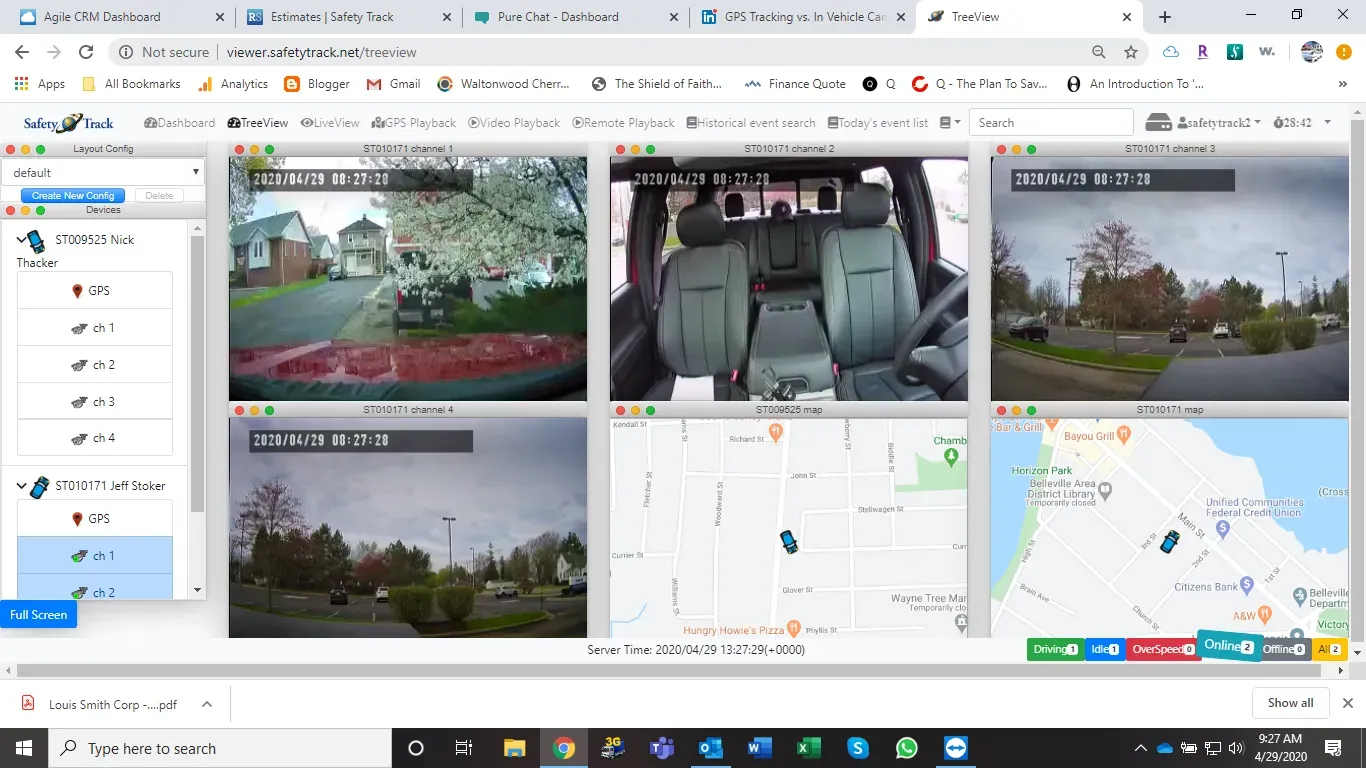
Real-time risk alerts are a vital component of effective fleet safety management. The benefits include:
- Instant Incident Response: Real-time alerts enable fleet managers to respond quickly to potential safety issues, minimizing risks.
- Enhanced Driver Accountability: Alerts encourage drivers to remain vigilant and accountable for their actions on the road.
- Improved Safety Compliance: By providing immediate feedback, real-time alerts help ensure that drivers adhere to safety regulations and best practices.
These benefits underscore the importance of integrating real-time risk alerts into fleet safety management strategies.
The broader application of IoT for vehicle monitoring and driver assistance systems further supports the goal of reducing road accidents by actively tracking and alerting on driver behavior.
IoT Vehicle Monitoring for Driver Safety & Fleet Management
ABSTRACT: Curbing road accidents have always been one of the utmost priority of nations worldwide. In Malaysia, the Traffic Investigation and Enforcement Department reported that Malaysia’s total number of road accidents have increased from 373,071 to 533,875 in the last decade. One of the significant causes of road accidents is the driver’s behaviors. However, to regulate drivers’ behavior by the enforcement team or fleet operators is challenging, especially for heavy vehicles. In our research, we have proposed the Internet of Things (IoT) scalability framework and its’ emerging technologies to monitor and alert driver’s behavioral and driving patterns to reduce road accidents. To prove this work, we have implemented a lane tracking, and iris detection algorithm, to monitor and alert the driver’s behavior when the vehicle sways away from the lane, and to detect if the driver is feeling drowsy.
IoT-based vehicle monitoring and driver assistance system framework for safety and smart fleet management, B Rudrusamy, 2023
Jeff Stoker is the CEO and founder of Safety Track, a company he established in 2002. With over two decades of leadership in fleet management solutions, Jeff has guided Safety Track from a pioneering vision to a trusted industry leader. His innovative mindset and commitment to excellence continue to drive the company’s growth and impact.