
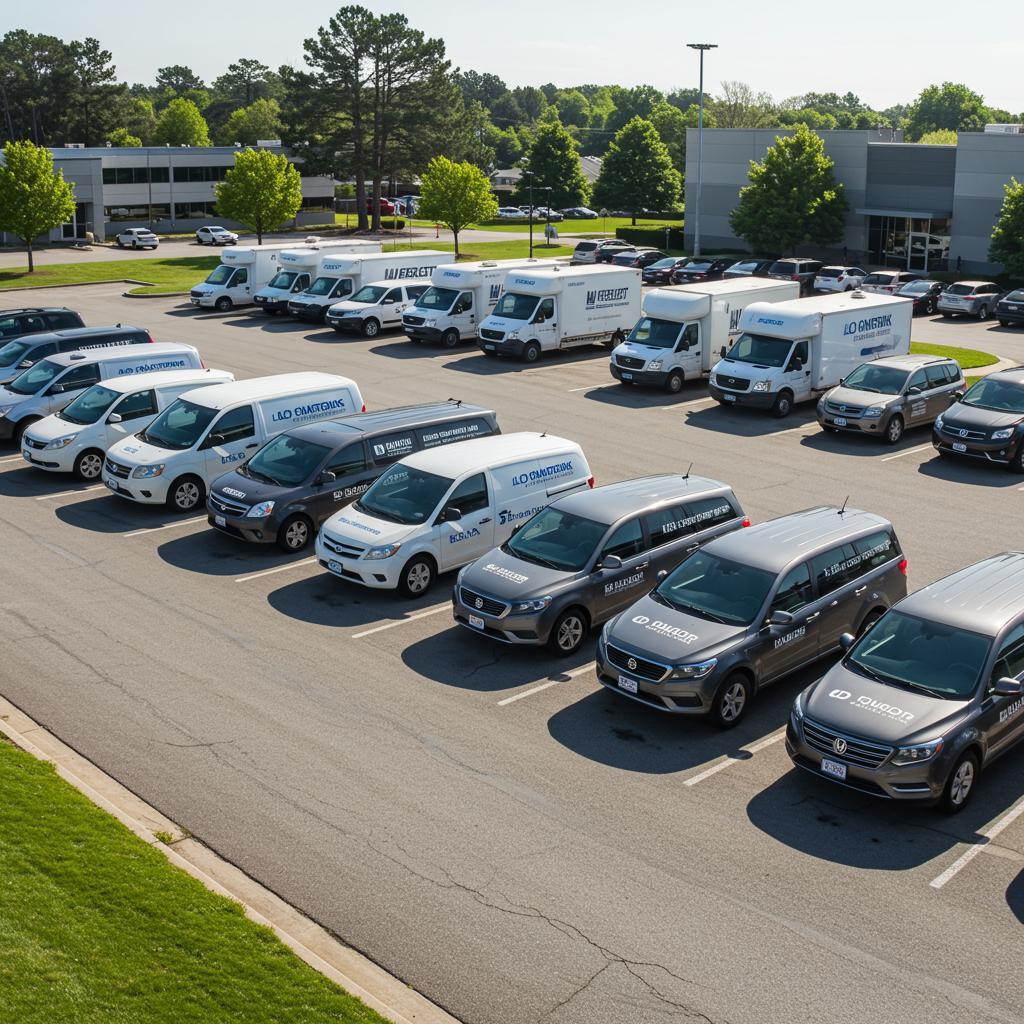
Future Insights Into Safety Tracking Technology
Future Trends in Fleet Safety Tracking with AI & IoT
The landscape of fleet management is rapidly evolving, driven by advancements in safety tracking technology. As businesses increasingly prioritize driver safety and operational efficiency, understanding the future of these technologies becomes essential. This article delves into the emerging trends, the role of artificial intelligence (AI), and the impact of the Internet of Things (IoT) on fleet safety. Readers will gain insights into how these innovations can enhance safety measures and improve overall fleet management. With the rise of real-time monitoring solutions, companies can now leverage data to make informed decisions that reduce risks and enhance compliance. We will explore the benefits of these technologies, the latest developments in fleet safety technology, and how businesses can effectively integrate safety tracking technology for improved return on investment (ROI).
Emerging Trends in Fleet Safety Technology
The future of fleet safety technology is characterized by several key trends that are reshaping how companies manage their vehicles and drivers. One significant trend is the integration of AI and IoT, which allows for real-time data collection and analysis. This integration enhances predictive maintenance capabilities, enabling fleets to address potential issues before they escalate into costly repairs or accidents. Additionally, the importance of GPS tracking continues to grow, providing fleet managers with precise location data and insights into driver behavior.
Further emphasizing this synergy, research highlights how the integration of IoT and AI creates a robust framework for smart fleet management, enabling real-time monitoring and predictive safety measures.
IoT & AI for Smart Fleet Management: Real-time Safety & Efficiency
The Internet of Things (IoT) and Artificial Intelligence (AI) have driven a paradigm shift in fleet management providing organizations to monitor, manage and even optimize their vehicle operations. This article presents an IoT and AI enabled framework for Smart Fleet Management, wherein real-time data, predictive analytics and automation are used for efficient, safe and green fleets. The proposed architecture also gives the safety of its Advanced Driver Assistance Systems (ADAS) by detecting dangerous driving actions and reactions. This holistic approach through the synergy of IoT’s data collection capabilities and AI’s intelligent decision-making processes can turn traditional fleet management into a more proactive data-driven and sustainable business.
Internet of things (IoT) and artificial intelligence (AI) enabled framework for smart fleet management, PR Potdar, 2025
Role of AI in Enhancing Vehicle Tracking Systems
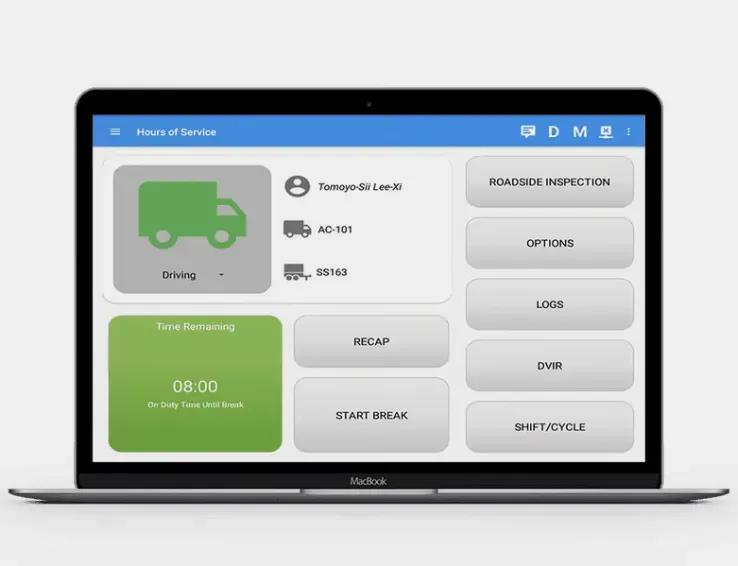
AI plays a crucial role in enhancing vehicle tracking systems by providing advanced analytics and real-time monitoring capabilities. Through machine learning algorithms, AI can analyze vast amounts of data to identify patterns in driver behavior, enabling companies to implement targeted training programs. This proactive approach not only improves driver safety but also reduces the likelihood of accidents. Furthermore, AI-driven predictive analytics can forecast maintenance needs, ensuring that vehicles remain in optimal condition. driver safety with AI-enabled dash cams.
Impact of IoT Sensors in Fleet Management
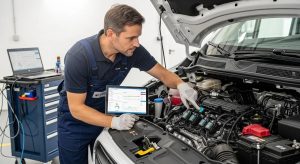
IoT sensors are revolutionizing fleet management by enabling real-time data collection on vehicle conditions and driver performance. These sensors monitor various parameters, such as fuel consumption, engine health, and tire pressure, providing fleet managers with valuable insights. By enhancing operational visibility, IoT sensors facilitate timely interventions that can prevent accidents and improve overall fleet efficiency. The integration of these sensors into fleet management systems is essential for maintaining a competitive edge in the industry.
Benefits of Real-Time Fleet Monitoring Solutions for Driver Safety
Real-time fleet monitoring solutions offer numerous benefits that significantly enhance driver safety. These solutions provide immediate insights into driver behavior, allowing for timely interventions when risky behaviors are detected. Key advantages include: ai fleet monitoring solutions.
- Immediate Insights: Real-time data allows fleet managers to monitor driver performance continuously.
- Timely Interventions: Alerts can be sent to drivers when unsafe behaviors are detected, promoting safer driving practices.
- Reduction in Accident Likelihood: By addressing risky behaviors proactively, fleets can significantly reduce the chances of accidents.
For businesses looking to implement these solutions, Safety Track specializes in fleet safety tracking technology, focusing on real-time vehicle monitoring and driver safety enhancement.
Advantages of Advanced Driver Safety Systems
Advanced driver safety systems are designed to minimize human error and enhance accountability among drivers. These systems provide real-time alerts for potential hazards, allowing drivers to react promptly. The integration of such technologies not only improves safety but also fosters a culture of responsibility within the fleet. By utilizing advanced systems, companies can expect a marked reduction in accident rates and improved overall safety performance.
Effects of Driver Behavior Analytics on Accident Reduction
Driver behavior analytics play a pivotal role in accident reduction by identifying risky behaviors and enabling targeted training for drivers. By analyzing data collected from various sources, fleet managers can pinpoint specific areas where drivers may need improvement. This targeted approach not only enhances driver safety but also contributes to a more efficient fleet operation. The impact of these analytics on accident rates is significant, as they provide actionable insights that lead to safer driving practices.
Indeed, specific frameworks leveraging IoT are being developed to actively monitor driver behavior and prevent accidents by detecting dangerous patterns.
IoT Framework for Driver Behavior Monitoring & Accident Prevention
Curbing road accidents have always been one of the utmost priority of nations worldwide. One of the significant causes of road accidents is the driver’s behaviors. In our research, we have proposed the Internet of Things (IoT) scalability framework and its’ emerging technologies to monitor and alert driver’s behavioral and driving patterns to reduce road accidents. To prove this work, we have implemented a lane tracking, and iris detection algorithm, to monitor and alert the driver’s behavior when the vehicle sways away from the lane, and to detect if the driver is feeling drowsy.
IoT-based vehicle monitoring and driver assistance system framework for safety and smart fleet management, B Rudrusamy, 2023
Innovations Shaping Vehicle Tracking System Technologies
The vehicle tracking system landscape is continuously evolving, with innovations that enhance functionality and user experience. Emerging technologies, such as AI-powered dash cams and advanced telematics, are becoming integral to modern fleet management. These innovations not only improve tracking accuracy but also provide valuable data that can be used to enhance safety protocols. As technology advances, the future of vehicle tracking systems looks promising, with a focus on integrating new features that cater to the evolving needs of fleet managers.
A significant aspect of these innovations includes the advanced application of AI algorithms in autonomous driving systems, which are rapidly transforming transportation safety and real-time risk assessment.
AI Algorithms for Autonomous Driving Safety & Real-time Risk Assessment
The autonomously operating vehicle (AV) is revolutionizing the transportation space rapidly, driven by AI inside it. This paper looks at the recent work done on the AI algorithms making self-driving cars work: perception, path planning, and decision-making. Using AI, vehicles can interpret their environment by reading data from sensors like cameras, LiDAR, and RADAR using deep learning and computer vision techniques. With all these, autonomous vehicles are now able to detect objects and predict movements in addition to making decisions critical for safe navigation in real time. Decision-making processes the handling of ethical dilemmas and real-time risk assessment via AI is also under observation.
AI-Powered Autonomous Driving System, 2024
How Are Predictive Maintenance and Risk Reduction Integrated?
Predictive maintenance is a proactive approach that integrates risk reduction strategies into fleet management. By utilizing data from IoT sensors and AI analytics, fleet managers can anticipate maintenance needs and address potential issues before they lead to breakdowns or accidents. This integration not only enhances safety but also contributes to cost savings by reducing unplanned maintenance and downtime. Companies that adopt predictive maintenance strategies can expect improved operational efficiency and a safer driving environment.
What Are the Latest Developments in GPS Tracking Systems?
Recent advancements in GPS tracking systems have significantly improved their capabilities and applications in fleet management. Modern GPS systems offer real-time tracking capabilities, allowing fleet managers to monitor vehicle locations with precision. Additionally, the integration of GPS with other technologies, such as AI and IoT, enhances the overall effectiveness of fleet management solutions. These developments are crucial for businesses aiming to optimize their fleet operations and improve safety measures.
How Can Businesses Leverage Safety Tracking Technology for Compliance and ROI?
Businesses can leverage safety tracking technology to enhance compliance and achieve a better return on investment. By implementing real-time monitoring solutions, companies can ensure adherence to safety regulations and standards. This proactive approach not only mitigates risks but also leads to cost savings through reduced accident rates and improved operational efficiency. Metrics for evaluating the effectiveness of these technologies include accident reduction rates, compliance adherence, and overall fleet performance.
Different real-time monitoring solutions provide distinct benefits that can be compared to identify the best fit for a company’s needs.
This comparison highlights how various solutions can be integrated into a fleet management strategy to enhance safety and efficiency.
In conclusion, the future of safety tracking technology is bright, with innovations that promise to enhance fleet safety and operational efficiency. By embracing these advancements, businesses can not only protect their drivers but also improve their bottom line.
Conclusion
The future of safety tracking technology offers significant benefits, including enhanced driver safety and improved operational efficiency. By leveraging innovations such as AI and IoT, businesses can proactively address risks and ensure compliance with safety regulations. Embracing these advancements not only protects drivers but also contributes to a healthier bottom line. Discover how our solutions can transform your fleet management strategy today.
Jeff Stoker is the CEO and founder of Safety Track, a company he established in 2002. With over two decades of leadership in fleet management solutions, Jeff has guided Safety Track from a pioneering vision to a trusted industry leader. His innovative mindset and commitment to excellence continue to drive the company’s growth and impact.