
Advanced Truck Camera Systems with GPS for Asset Protection

In the high-stakes world of logistics and transportation, your fleet is more than just a collection of vehicles; it is the lifeblood of your business. Every day, your trucks carry thousands of dollars in high-value cargo across thousands of miles. However, with this responsibility comes significant risk. From rising cargo theft to the threat of “nuclear verdicts” in the courtroom, fleet managers today face challenges that simply didn’t exist a decade ago.
The solution isn’t just to work harder; it’s to work smarter. This is where an integrated truck camera system with GPS comes into play. By combining real-time location data with AI-enhanced visual evidence, companies are finding they can protect their assets, their drivers, and their bottom lines more effectively than ever before.
In this deep-dive guide, we will explore why a commercial dash cam system integrated with GPS is no longer a luxury: it’s a foundational requirement for any modern fleet.
The Convergence of Sight and Location: Why Integration Matters
For years, fleet management relied on two separate silos: telematics (GPS) and video. You could see where your truck was on a map, but you didn’t know what was happening on the road. Or, you had a camera recording locally to an SD card, but you couldn’t access that footage until the truck returned to the yard.
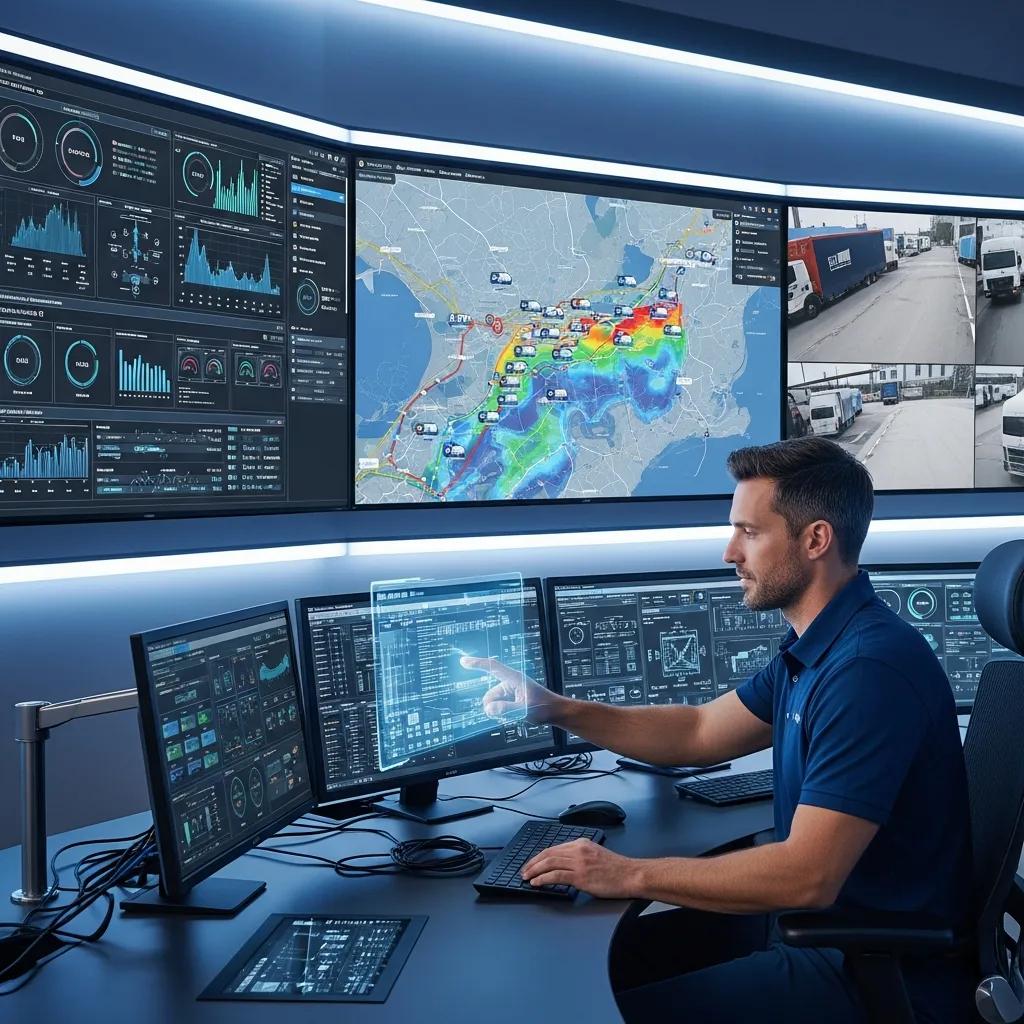
Today, those silos have merged. A modern truck camera system with GPS provides a unified view of your operations. When a “harsh braking” event occurs, you don’t just see a dot on a map; you instantly receive a video clip of the incident. This context is the difference between guessing and knowing.
Moving Beyond “Dots on a Map”
Traditional GPS tracking told you where your truck was, but it was often reactive. If a truck detoured, you might see it after the fact. With integrated video, you can peek into the cab or out the front windshield in real-time. This level of visibility transforms fleet management from a game of history to a game of real-time strategy.
For a deeper look at how telematics is evolving, check out our guide on unlocking efficiency with GPS fleet tracking solutions.
Protecting High-Value Assets: Cargo Security in the Digital Age
Cargo theft is a multi-billion dollar problem. High-value goods like electronics, pharmaceuticals, and designer apparel are prime targets for organized theft rings. Often, these thefts happen during transit: at rest stops, in unsecured lots, or even while the vehicle is in motion.
Real-Time Alerts and Visual Verification
A truck camera system with GPS acts as a 24/7 sentry for your cargo. By setting up virtual “geofences” around approved routes and depots, managers are alerted the moment a truck deviates from its path.
When an alert triggers, you can immediately access the live feed. Is the driver pulling over for a legitimate rest, or are the trailer doors being tampered with? This instant visual verification allows you to contact law enforcement immediately, significantly increasing the chances of recovery.
The Deterrence Factor
The mere presence of a visible, professional commercial dash cam system serves as a powerful deterrent. Thieves are looking for easy targets. When they see a truck equipped with multiple camera angles: front, side, and rear: they know the risk of being caught on high-definition video is too high.

The Legal Shield: Defending Against Nuclear Verdicts
One of the greatest financial risks to a fleet today is the “nuclear verdict”: a jury award that exceeds $10 million. These cases often hinge on a lack of evidence or the “he-said, she-said” nature of accident testimony. Without video, a trucking company is often assumed to be at fault simply because they are the larger entity with deeper pockets.
Exonerating the Innocent Driver
Statistics consistently show that in the majority of accidents involving a passenger vehicle and a heavy-duty truck, the passenger vehicle is at fault. However, proving this in court is difficult without a commercial dash cam system.
A truck camera system with GPS records not just the video of the crash, but the speed, braking force, and GPS location of the truck at the exact second of impact. This data-backed evidence can shut down a fraudulent claim before it ever reaches a courtroom, potentially saving your company millions.
To understand more about this growing threat, read our article on why nuclear verdicts are soaring and how cameras are your best defense.
Operational Efficiency: More Than Just Safety
While safety is the primary driver for many, the ROI of a truck camera system with GPS extends into daily operations. Managing a fleet is a game of margins, and even small improvements in fuel efficiency or maintenance can lead to massive annual savings.
Route Optimization and Fuel Savings
By analyzing GPS data alongside video of real-world traffic conditions, fleet managers can optimize routes more effectively. Reducing idling time and eliminating unnecessary detours can cut fuel costs by up to 30%.
Improved Maintenance Cycles
Many integrated systems also monitor vehicle diagnostics. By tracking how a vehicle is being driven (e.g., frequent harsh braking or over-revving), you can predict maintenance needs before they become expensive breakdowns. Keeping your Freightliner or Peterbilt in top condition ensures it stays on the road earning money rather than sitting in the shop.

Building a Proactive Safety Culture
Safety isn’t just about cameras; it’s about people. However, cameras are the best tool for coaching people. A truck camera system with GPS allows you to move from “punitive” management to “proactive” coaching.
AI-Enhanced Driver Coaching
Modern AI dash cameras can detect signs of driver fatigue, distraction (like phone use), or tailgating. Rather than waiting for an accident to happen, the system provides in-cab alerts to help the driver correct their behavior in the moment.
Managers can then use the recorded clips for weekly safety meetings. Using real-world footage from your own fleet is significantly more impactful than showing generic safety videos. It shows your drivers that you are invested in their professional development and their safety.
Are you making common mistakes with your safety program? Learn about the 7 mistakes you’re making with AI fleet safety cameras.
What to Look for in a Commercial Dash Cam System
Not all systems are created equal. When selecting a solution to protect your high-value assets, you need to look for specific features that meet the demands of commercial trucking.
1. High-Definition Video and Low-Light Performance
Trucks operate 24/7. Your camera system needs to capture clear license plates and road details even in the middle of a rainstorm at 3:00 AM. Look for systems with superior night vision capabilities.
2. Reliable GPS Tracking
The GPS shouldn’t just be an “add-on.” It needs to be integrated into the video timestamp. This ensures that if you need to pull footage for a specific location or time, it is indexed and easy to find.
3. Cloud Connectivity and Live Streaming
If you have to pull an SD card to see video, the system is already outdated. You need a cloud-based solution that allows you to live-stream footage and automatically uploads “event” clips to a secure portal.
4. Durability
Commercial trucks face vibration, extreme heat, and freezing temperatures. Consumer-grade dash cams will fail within months. You need hardware built for the rigors of the road.
Check out our guide on dash cam features that enhance fleet safety for a more technical breakdown.
Implementation: Getting the Most Out of Your Investment
Installing the hardware is only the first step. To truly protect your high-value assets, you need a strategy for how to use the data.
Set Clear Policies
Drivers are often wary of “Big Brother” in the cab. Be transparent about why the cameras are being installed: to exonerate them in accidents, protect the cargo they are responsible for, and lower insurance costs. When drivers see the camera save a colleague’s job after a non-fault accident, the culture changes quickly.
Monitor the Right Metrics
Don’t get bogged down in every minute of video. Focus on the “high-risk” events flagged by the AI. This allows you to manage by exception, focusing your time on the 5% of driving behavior that accounts for 95% of your risk.

The Financial Impact: Insurance and Liability
One of the most immediate benefits of installing a truck camera system with GPS is the impact on insurance premiums. Insurance companies are increasingly offering discounts: sometimes as much as 25%: to fleets that implement verified video telematics.
Faster Claim Settlements
When an accident occurs, insurance adjusters can spend months trying to determine fault. With video evidence and GPS data, “clear-cut” cases can be settled in days. This keeps your insurance loss run clean and prevents your premiums from skyrocketing after a single incident.
Reducing Fraudulent Claims
“Crash-for-cash” scams are a reality on American highways. Scammers often target commercial trucks because they know the company will likely settle. Having a front-facing and side-facing camera system makes your fleet an impossible target for these scammers.
Choosing the Right Partner
At Safety Track, we understand that every fleet is different. A construction company moving heavy machinery has different needs than a logistics firm moving refrigerated food. That’s why we don’t believe in one-size-fits-all solutions.
Our truck camera systems with GPS are custom-tailored to your operations. Whether you need asset tracking for non-powered trailers or AI-enhanced cameras for your long-haul sleepers, we provide the visibility you need to run a safe, efficient, and profitable business.
If you’re ready to stop guessing and start seeing, it’s time to upgrade your fleet. Protecting your high-value assets isn’t just about hardware: it’s about peace of mind.

Conclusion
The landscape of fleet management is changing. The risks are higher, but the tools available to combat those risks are more powerful than ever. A truck camera system with GPS provides the total visibility required to protect your cargo, your drivers, and your company’s reputation.
By integrating sight and location, you move from a reactive posture to a proactive one. You save money on fuel, you lower your insurance costs, and most importantly, you ensure that your drivers come home safe every single night.
For more information on finding the right device for your specific needs, visit our post on choosing the best vehicle tracking device for your fleet.
Ready to see how Safety Track can transform your fleet? Contact us today for a custom solution.

Tyler Schneider is the IT Director at Safety Track, overseeing the company’s technological infrastructure and innovations. With a strong background in information technology and systems management, Tyler ensures that Safety Track stays at the forefront of tech solutions in fleet management. His strategic expertise supports the seamless integration of technology across the company’s operations.