
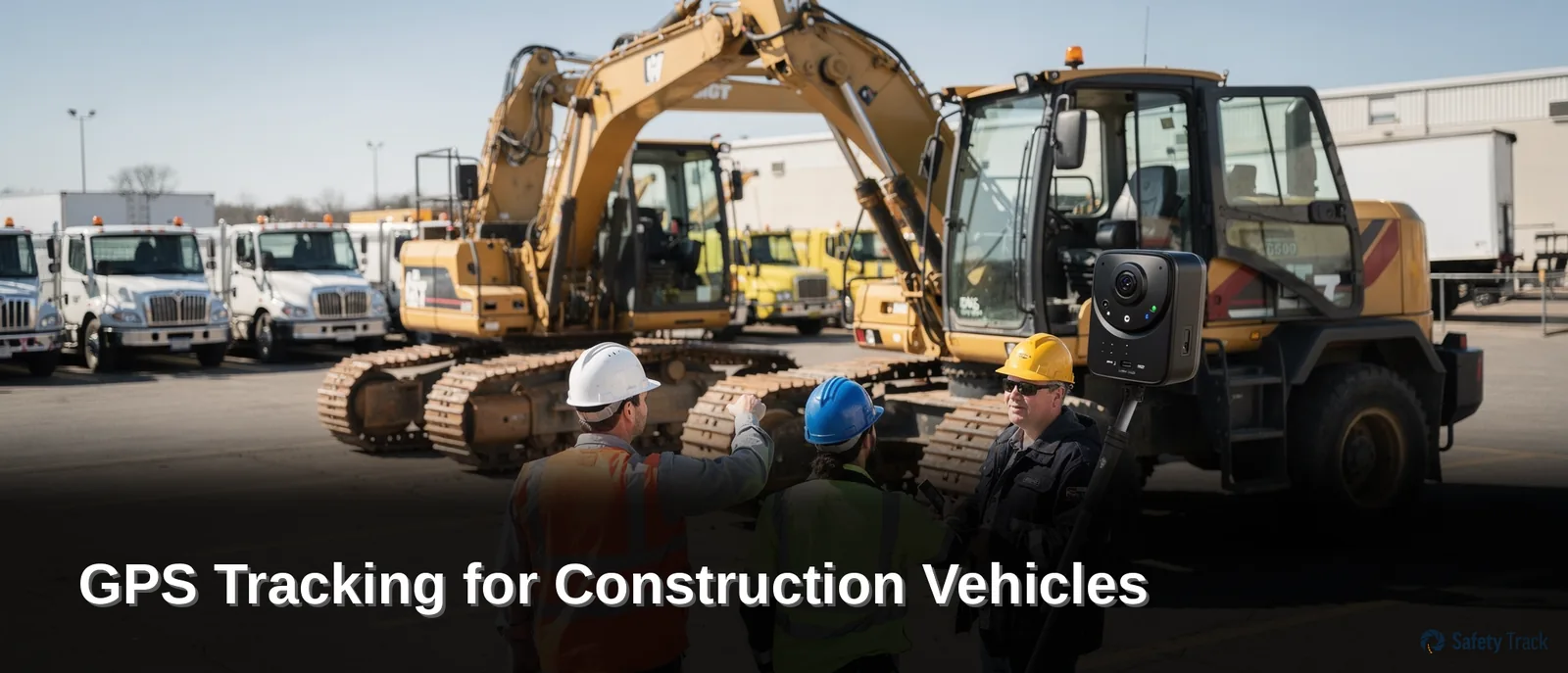
GPS Tracking for Construction Vehicles: Fleet Safety, GPS Tracking
By Safety Track Editorial Team · Updated 2026-08-21
GPS tracking for construction vehicles combines real-time location monitoring, geofencing alerts, and camera integration to protect equipment from theft and reduce industry losses annually to inefficiency. Safety Track equips excavators, graders, generators, and trailers with GPS hardware, giving fleet managers instant location data, unauthorized-movement alerts, and streamlined maintenance scheduling across every job site.
Key Takeaways
- Construction equipment theft and inefficiencies cost the industry significant financial losses annually.
- Safety Track’s fleet management solutions can lead to significant fuel savings for construction companies.
- GPS tracking systems monitor equipment location, theft prevention, and telematics data simultaneously.
- Safety Track operates Monday-Friday, 7:30 am–4:30 pm EST, with 12-person team support.
Why Are Construction Sites Losing Millions to Theft?
Construction equipment theft drains more than $1 billion from the U.S. industry every year, and fewer than 25% of stolen machines ever make it back to their owners. Unsecured job sites hand thieves an open invitation: excavators, skid steers, and generators sit unattended overnight, often with keys left in the cab. Recovery rates that low mean prevention carries far more weight than after-the-fact investigation.
Theft is only part of the financial bleed. Crews also lose hours hunting for misplaced equipment across sprawling sites. Those searches translate into project delays and significant lost efficiency industry-wide. A backhoe parked in the wrong staging area or a trailer moved without notice can stall an entire crew for a morning. Multiply that across dozens of active projects, and the cost adds up fast.
Fleet managers face a genuine balancing act. Construction fleets have to manage active equipment, guard it against theft, and still hit deadlines — all at once, with no room for error. GPS tracking for construction vehicles gives site supervisors a way to do all three without stretching staff thin.
How Does GPS Tracking Reduce Equipment Theft?
Construction equipment theft prevention works by giving owners visibility they never had before. Real-time location data, geofenced alerts, and movement notifications turn a passive job site into an actively monitored one.
Where Does Most of the Lost Money Actually Go?
Two places: stolen assets that never return, and idle crew hours spent searching. Both problems point to the same root cause — a lack of continuous, reliable tracking. Construction fleet management telematics addresses both by pairing location data with usage records, so managers know where every machine sits and how it’s being used, closing the gap that costs the industry billions each year.
What Is GPS Tracking for Construction Vehicles?
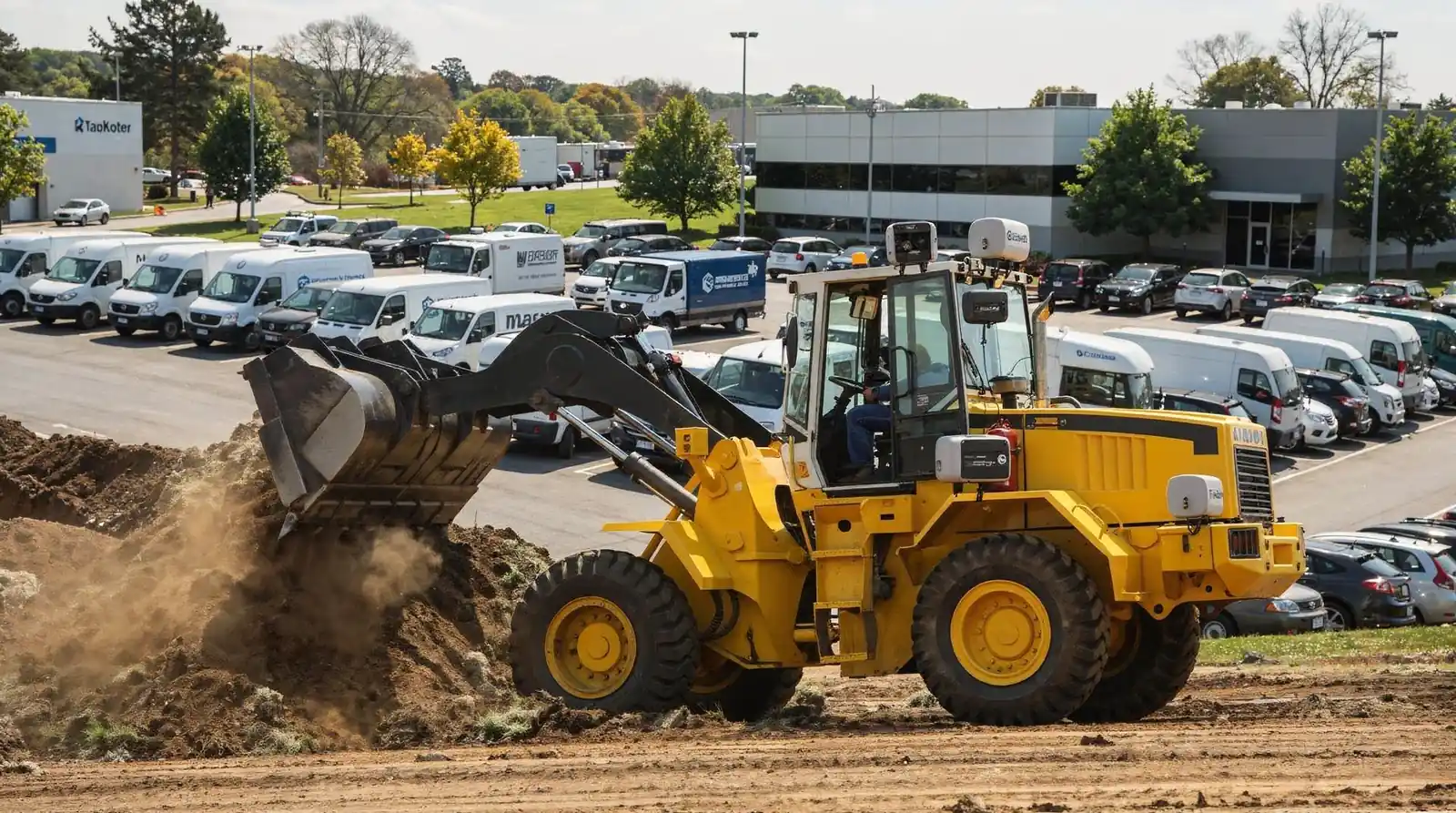
GPS tracking for construction vehicles relies on hardware installed directly on heavy machinery, including excavators, graders, and generators. Small transmitting units mount onto equipment and trailers, turning each asset into a traceable point on a live map. Without this hardware, fleet managers rely on radio calls and guesswork to locate machinery scattered across active job sites.
Once installed, the devices send real-time location, engine hours, and usage data to cloud-based tracking software. This flow of information forms the backbone of construction fleet management telematics, giving supervisors a continuous, accurate picture of where every machine sits and how hard it works. Data updates automatically, so managers no longer wait for end-of-day reports to know what happened on-site.
Heavy equipment GPS tracking systems are not one-size-fits-all. Selecting the right tracker depends on two factors:
- Whether the asset is powered (excavators, loaders) or unpowered (trailers, generators, storage containers)
- How deep the data needs to go — simple location pings versus full telematics covering engine diagnostics and usage patterns
Matching tracker type to equipment type prevents wasted spend on features a fleet never uses.
How does GPS tracking differ from regular vehicle tracking?
Standard vehicle tracking often stops at location and speed. Construction-grade systems go further, monitoring engine hours and usage data specific to heavy machinery. This distinction matters because equipment wear, maintenance timing, and job-site accountability depend on more than a pin on a map.
Can GPS tracking work on unpowered equipment?
Yes. Trailers and generators without engines still carry battery-powered trackers that report location. This coverage closes the gap that once left non-powered assets invisible to fleet managers, supporting broader construction equipment theft prevention and stronger fleet efficiency construction sites rely on daily.
How Does Heavy Equipment GPS Tracking Work?
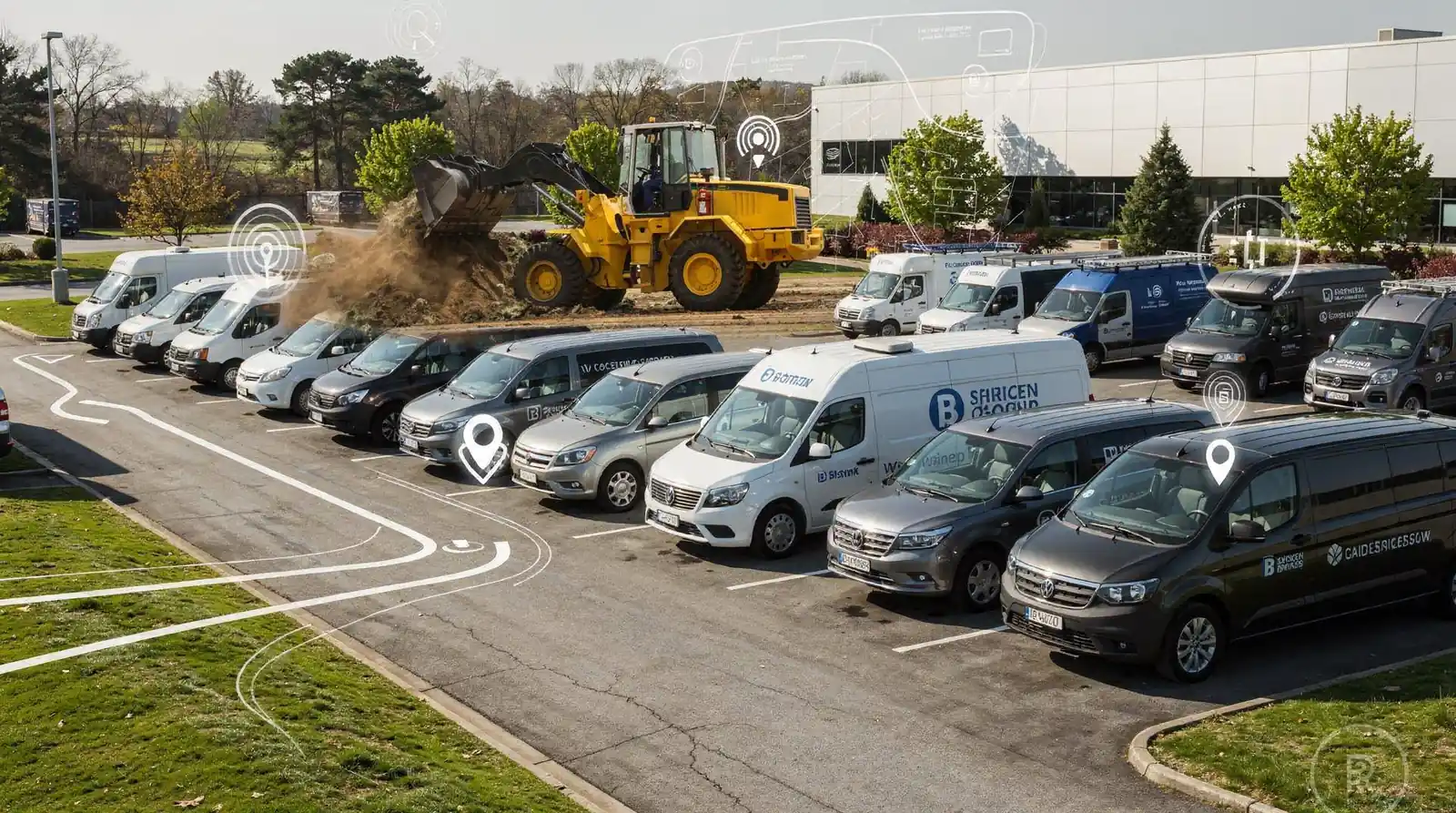
Small hardware units mounted on excavators, loaders, and haul trucks transmit location, engine hours, and usage data to a central software platform. GPS tracking for construction vehicles works by pairing that hardware with telematics software that turns raw signals into decisions fleet managers can act on. Skip this layer, and a fleet manager loses visibility into where machines sit idle, where they roam, and how much they actually run.
Real-time visibility stands out as the biggest advantage of a connected fleet system. Paired with fleet cameras, live tracking gives site supervisors a continuous feed of where every truck, trailer, and piece of equipment sits across active job sites. That combination of location data and video lets dispatchers reroute nearby assignments quickly instead of guessing which crew sits closest.
What data does the system actually track?
Beyond a blinking dot on a map, the platform captures engine hours, movement patterns, and utilization trends over time. Construction fleet management telematics measures how often a machine works versus sits idle, giving fleet managers a data-backed way to compare assets and plan replacements.
How does tracking improve daily fleet operations?
Dispatch decisions improve once managers see exact equipment locations in real time. Comprehensive location and camera data support faster rerouting to nearby assignments, cutting wasted travel between job sites. Heavy equipment GPS tracking also strengthens construction equipment theft prevention by flagging unexpected movement outside scheduled hours.
Utilization data separates high performers from underused assets:
- Engine hour tracking shows which machines run near capacity and which sit idle.
- Trend analysis highlights seasonal or project-based usage shifts.
- Location history supports faster recovery and dispatch decisions.
Together, these functions form the backbone of fleet efficiency construction sites depend on daily. Safety Track supplies and supports this technology for construction operations nationwide, ships from its Belleville, Michigan base, and helps fleet managers turn tracking data into fewer delays and safer job sites.
Can GPS Tracking Prevent Construction Equipment Theft?
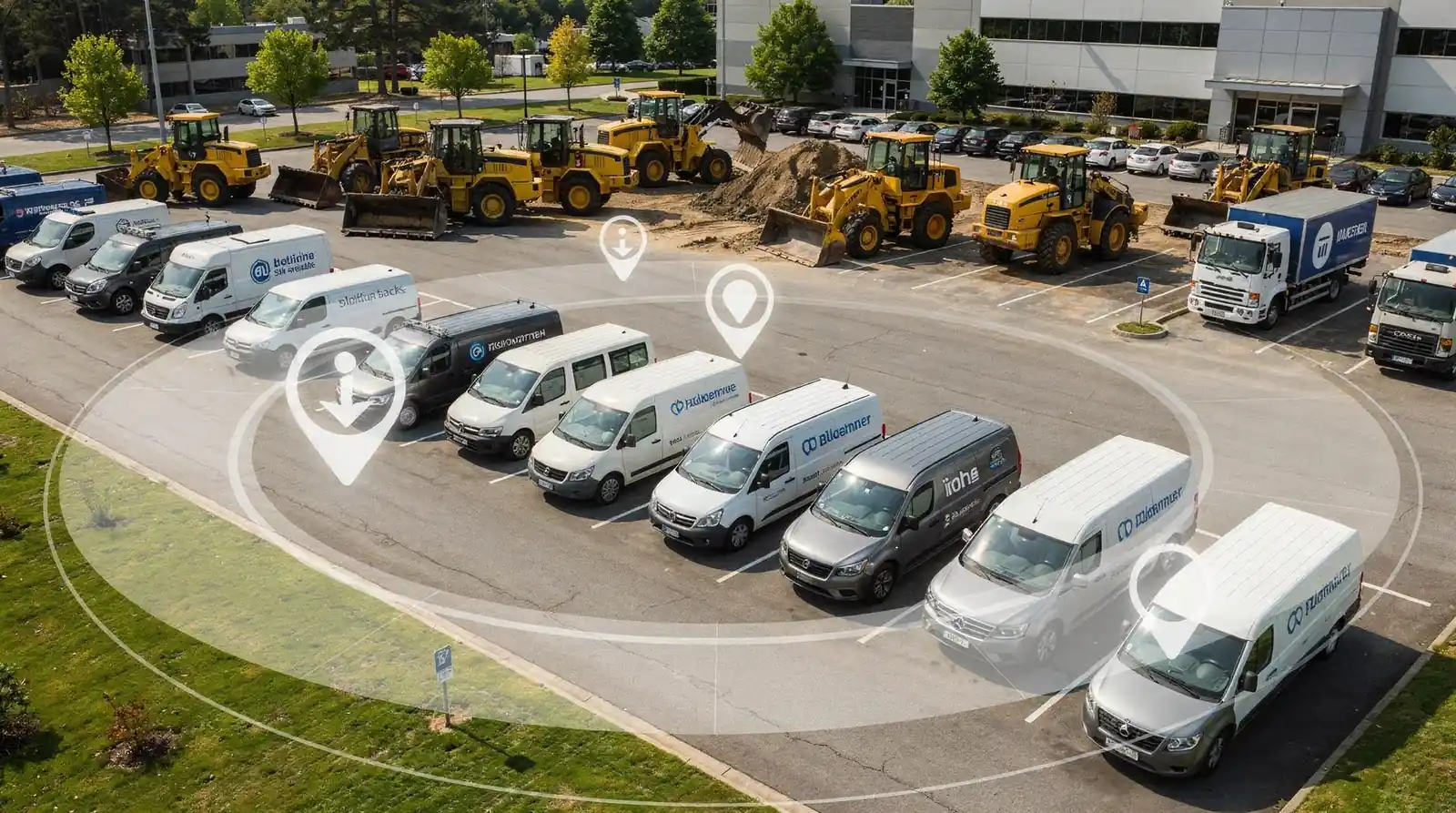
Yes, GPS tracking reduces construction equipment theft through geofencing, real-time alerts, and faster recovery when machinery goes missing. Job sites lose excavators, skid steers, and generators to theft every year, often overnight when crews are gone and equipment sits unattended. Without monitoring, stolen assets rarely resurface, and project timelines absorb the cost of replacement and delay.
GPS tracking for construction vehicles works as a deterrent long before theft happens. Fleet tracking devices signal to would-be thieves that equipment is monitored, which discourages unauthorized use in the first place. That visibility alone changes behavior on and around active job sites.
Geofencing for construction equipment adds another layer of protection. Fleet managers set virtual boundaries around a site. The system sends instant alerts the moment equipment crosses that line without authorization. A dozer moved off-site after hours, for instance, triggers a notification immediately rather than being discovered at the next morning’s headcount.
What happens if equipment gets stolen anyway?
Construction equipment theft recovery becomes faster and far more effective with real-time location data. Instead of waiting on police reports. Hoping for a lucky break, fleet managers can hand over live coordinates the moment theft is confirmed. That speed often determines whether equipment comes back at all.
Does GPS tracking actually reduce losses on job sites?
Results from construction companies using tracking platforms suggest it does. Operators report measurable cuts in theft, downtime, and wasted fuel after adopting construction fleet management telematics across their fleets.
Beyond recovery, this approach to heavy equipment GPS tracking supports broader construction equipment theft prevention strategy:
- Instant unauthorized-movement alerts via geofencing
- Deterrence through visible, monitored tracking devices
- Faster recovery timelines when theft occurs
- Documented reductions in theft-related losses
For fleet managers focused on fleet efficiency construction sites demand, theft prevention isn’t optional — it’s foundational.
How Does Telematics Improve Fleet Management?
Telematics strengthens fleet management by turning raw vehicle data into actionable insight for job site operations. Construction companies that adopt construction fleet management telematics gain visibility into equipment location, engine health, and usage patterns across every active site. That visibility translates directly into safer crews, fewer breakdowns, and tighter project timelines.
Fleet management software gives construction companies a documented way to enhance operational safety and efficiency across job sites. Dispatchers see where every truck, loader, or generator sits in real time, which cuts down on wasted trips and idle machine time. Site supervisors gain the same visibility, making it easier to coordinate deliveries and crew movements without guesswork.
What role does maintenance monitoring play in telematics?
Maintenance monitoring prevents small mechanical issues from becoming expensive shutdowns. Telematics platforms send proactive maintenance alerts for vehicles and equipment, catching problems before they force machines off the job. That early warning system keeps assets operationally ready instead of sidelined in a repair shop.
Automated alerts triggered by engine hours, mileage, or set calendar dates simplify scheduling for shop staff managing dozens of assets. Rather than tracking service intervals manually across spreadsheets, staff receive notifications tied to actual usage data. This shift reduces missed service windows and extends equipment lifespan.
Telematics adoption also delivers measurable financial impact. Safety Track’s fleet management solutions can lead to significant fuel savings for construction fleets, benefits that can compound across a mixed fleet of trucks, excavators, and support vehicles. Consider the operational gains telematics unlocks:
- Real-time location visibility for trucks, loaders, and generators
- Automated maintenance scheduling based on engine hours or mileage
- Reduced idle time and wasted fuel across job sites
- Fewer unplanned breakdowns through early alerts
- Documented data supporting compliance and insurance reporting
Construction fleets that skip telematics operate with blind spots — unmonitored idle time, missed service intervals, and no early warning before a costly failure. Closing those gaps starts with connecting every vehicle and machine to a single tracking platform.
What Boosts Fleet Efficiency on Job Sites?
Real-time visibility drives fleet efficiency construction sites depend on most. Every excavator, generator, and trailer becomes trackable in one app, giving supervisors a live picture of the entire job site instead of scattered guesses. That single view cuts the hours crews normally lose hunting for misplaced equipment or waiting on a truck that never left the yard.
Data quality matters as much as data speed. Construction fleet management telematics platforms turn scattered signals into usable information, letting fleet managers make informed calls about routing, staffing, and asset protection instead of reacting after a problem hits. Decisions based on live data beat decisions based on yesterday’s paperwork.
Why does real-time tracking matter for construction crews?
Fleet managers need current updates on where vehicles sit and how drivers behave behind the wheel. Without that feed, dispatch decisions rely on outdated logs or a phone call to the site. GPS tracking for construction vehicles closes that gap, showing exact location and usage patterns as they happen.
Can mobile tracking apps cut wasted costs?
Yes. Mobile platforms deliver instant insights that curb fuel waste. Stop unauthorized use of company vehicles before it drains the budget. That kind of oversight pays for itself over a busy construction season.
Three factors consistently separate efficient sites from ones bleeding time and money:
- Unified asset visibility — tools, vehicles, and heavy machinery tracked together, not across separate systems
- Live driver and equipment data — informed decisions replace guesswork on routing and scheduling
- Theft and misuse deterrence — unauthorized movement gets flagged before it becomes a loss
Safety Track ships heavy equipment GPS tracking hardware. Software to construction operations nationwide, supporting fleet managers wherever their job sites are located.
Which Features Matter Most for Construction Fleets?
Four capabilities separate a basic locator app from a true fleet safety platform: driver behavior monitoring, video coverage, hardware fit for mixed equipment, and integrated theft protection. Construction owners who skip any of these lose visibility exactly when it matters most — during a jobsite theft, a hard-braking incident, or a dispute over a delayed delivery.
GPS tracking for construction vehicles does more than pin a location on a map. Fleet managers use it to monitor driver habits and flag unsafe behavior before it becomes a liability claim or an injury report. Speeding, harsh braking, and idle time all show up in the data, giving supervisors a factual basis for coaching drivers rather than guessing.
Video adds a second layer of evidence. Live camera systems that cover both the interior and exterior of a vehicle capture what tracking data alone cannot: the moment of a near-miss, a backing incident, or an unauthorized passenger. That footage protects fleets from false liability claims and supports insurance negotiations.
Does the equipment type change which tracker to choose?
Yes. The right platform depends on whether a fleet runs mostly powered heavy equipment — excavators, graders, loaders — or a mix that includes unpowered, battery-tracked assets like generators and trailers. Mixed fleets need hardware flexible enough to handle both categories on one dashboard, rather than juggling separate systems.
How does telematics prevent equipment theft?
Combining fleet cameras with construction fleet management telematics mitigates risk across the entire operation. Real-time alerts help crews confirm that materials and personnel arrive on schedule. Location history discourages unauthorized use of parked equipment.
Key features worth prioritizing include:
- Heavy equipment GPS tracking for excavators, loaders, and generators
- Interior and exterior video coverage for liability protection
- Mixed-fleet hardware supporting both powered and unpowered assets
- Construction equipment theft prevention alerts tied to unauthorized movement
- Reporting tools that support fleet efficiency construction sites depend on for scheduling and dispatch
How Do You Get Started With Safety Track?
Getting started begins with a phone call or email to the Safety Track sales team. Construction fleets across the country work with Safety Track, though the company’s headquarters sits in Belleville, Michigan. Distance from that home base creates no barrier. Support and equipment reach job sites nationwide, from excavation crews to paving contractors managing dozens of machines.
Fleet managers evaluating GPS tracking for construction vehicles typically start with a straightforward conversation about their equipment mix, site layout, and theft risk. That conversation shapes a plan for construction fleet management telematics suited to the fleet’s size and job types.
What’s the Best Way to Reach Safety Track?
Sales inquiries go to two places: a phone line and an email inbox. Calling 888-286-9829 connects fleet managers directly with the sales team during business hours. Emailing Sales@safetytrack.net works just as well for those who prefer to outline equipment needs in writing before a call.
When Is Safety Track Available?
The team keeps regular weekday hours, staffed from 7:30 am to 4:30 pm EST, Monday through Friday. Contractors can plan calls around active job-site hours without chasing a rep after close.
A typical onboarding path looks like this:
- Contact sales by phone or email to discuss fleet size and equipment types.
- Review options for heavy equipment GPS tracking and camera integration.
- Confirm a plan addressing construction equipment theft prevention and site-specific risks.
- Schedule installation and begin monitoring fleet efficiency construction sites-wide.
FAQ
How much does construction equipment theft cost the industry each year?
industry annually, with fewer than 25% of stolen machines ever recovered by their owners.
How does GPS tracking prevent equipment theft on job sites?
GPS tracking delivers real-time location data, geofenced alerts, and unauthorized-movement notifications, turning passive job sites into actively monitored ones that deter theft and speed recovery.
What savings does Safety Track’s fleet management solution provide?
Safety Track’s fleet management solutions can lead to significant fuel savings, combining GPS hardware, live video camera systems, and telematics data for excavators, graders, generators, and trailers.
Conclusion
In closing, GPS tracking for construction vehicles represents a strategic investment in operational excellence and workforce safety. By implementing comprehensive fleet management solutions, construction companies gain real-time visibility into vehicle location and performance, enabling better resource allocation and reduced fuel consumption. Safety Track’s integrated approach—combining advanced tracking technology with live video monitoring—equips fleet managers with the insights necessary to optimize routes, enhance driver accountability, and maintain regulatory compliance. The result is a more efficient, safer construction operation that delivers measurable returns on investment.
Jeff Stoker is the CEO and founder of Safety Track, a company he established in 2002. With over two decades of leadership in fleet management solutions, Jeff has guided Safety Track from a pioneering vision to a trusted industry leader. His innovative mindset and commitment to excellence continue to drive the company’s growth and impact.