
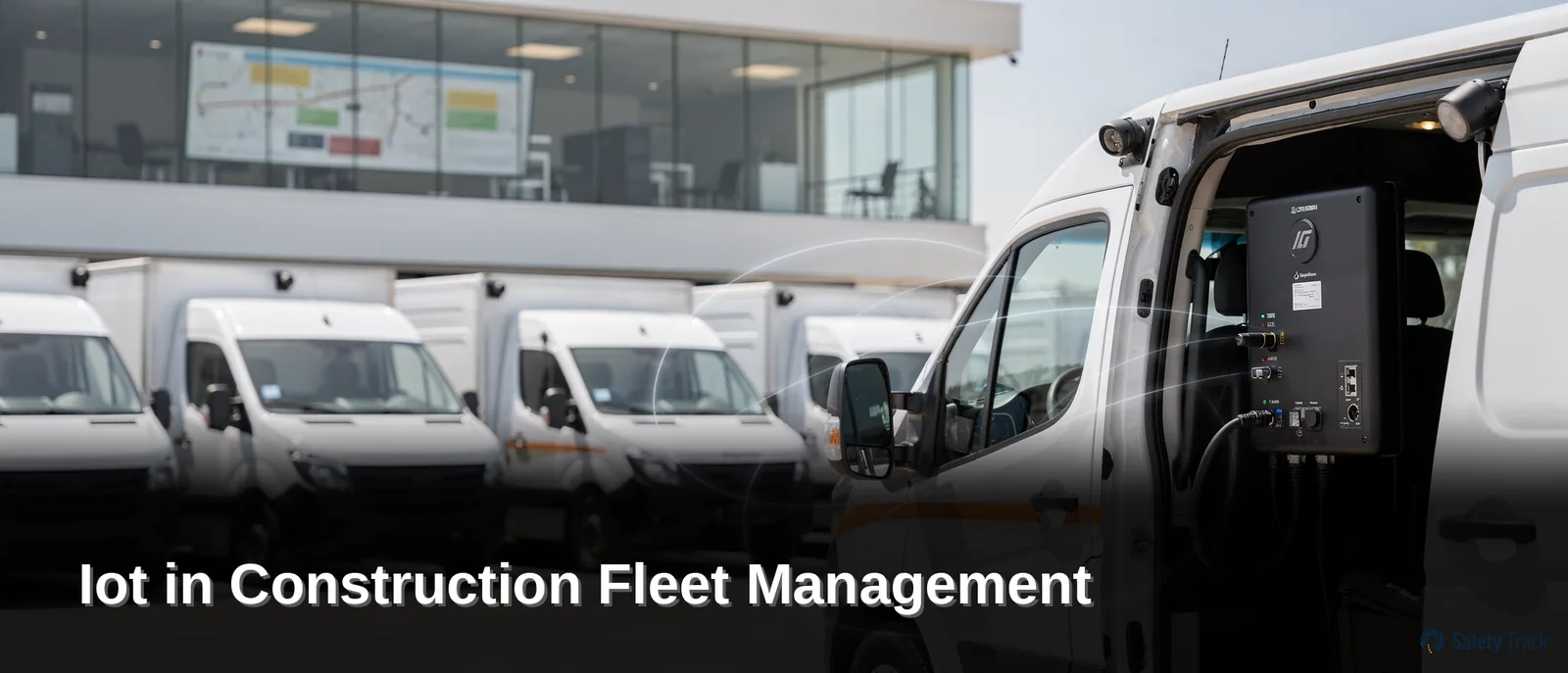
Iot in Construction Fleet Management: Fleet Safety, GPS Tracking
By Safety Track Editorial Team · Updated 2026-08-21
Construction fleet management relies on IoT sensors and GPS devices to deliver real-time data on excavators, bulldozers, and cranes. Connected platforms track equipment location, monitor fuel use, and predict maintenance needs. Fleet management software integrated with fleet cameras reduces fuel consumption by up to 14% while cutting repair costs by up to 20%.
Key Takeaways
- IoT fleet management solutions deliver 30% fuel savings through real-time vehicle data and connected sensors.
- The global IoT fleet management market reached $20.4 billion in 2024, reflecting rapid adoption rates.
- Real-time vehicle tracking and predictive maintenance reduce inefficiencies while improving driver safety outcomes.
- Safety Track’s live video fleet camera systems monitor inside and outside vehicle activity continuously.
What Is IoT in Construction Fleet Management?
IoT in [construction fleet management](https://www.safetytrack.com/blog/paving-the-way-fleet-management-solutions-for-road-maintenance-and-construction-companies/) refers to a network of internet-connected devices installed on excavators, bulldozers, cranes, and support vehicles that fleet managers monitor and control remotely. Sensors, GPS modules, and telematics units feed continuous data streams back to a central dashboard, forming the operational backbone of a connected job site. This connectivity turns isolated machines into a single, trackable system rather than a collection of disconnected assets.
The scale of adoption confirms this shift is permanent. The global market for internet-connected fleet management has grown into a multi-billion-dollar industry, reflecting rapid uptake across logistics, transportation, and commercial fleets alike. Construction firms now sit squarely within that growth curve, no longer treating connected equipment as an experimental add-on.
Job site technology has matured well beyond basic location pins on a map. Construction fleet management has evolved from simple vehicle tracking into full IoT ecosystems that coordinate construction equipment telematics, maintenance scheduling, and site security in one platform. Fleet management software built for this purpose helps contractors improve safety. Operational efficiency across active job sites, cutting down on idle equipment and unplanned downtime.
What Devices Make Up an IoT Construction Fleet System?
A typical system layers several device types together rather than relying on one sensor type alone.
- GPS trackers for real-time location and route history
- Engine and hydraulic sensors feeding data used in predictive maintenance construction machinery programs
- Geofencing modules supporting construction site geofencing boundaries and theft alerts
- Cameras and telematics units enabling heavy equipment asset tracking and excavator fleet monitoring on active sites
Why Does This Matter for Equipment Superintendents?
Superintendents managing dozens of machines across scattered sites need visibility that manual logs cannot provide. Connected systems replace guesswork with continuous data, giving supervisors the information needed to protect assets and keep crews on schedule.
How Does Construction Equipment Telematics Work?
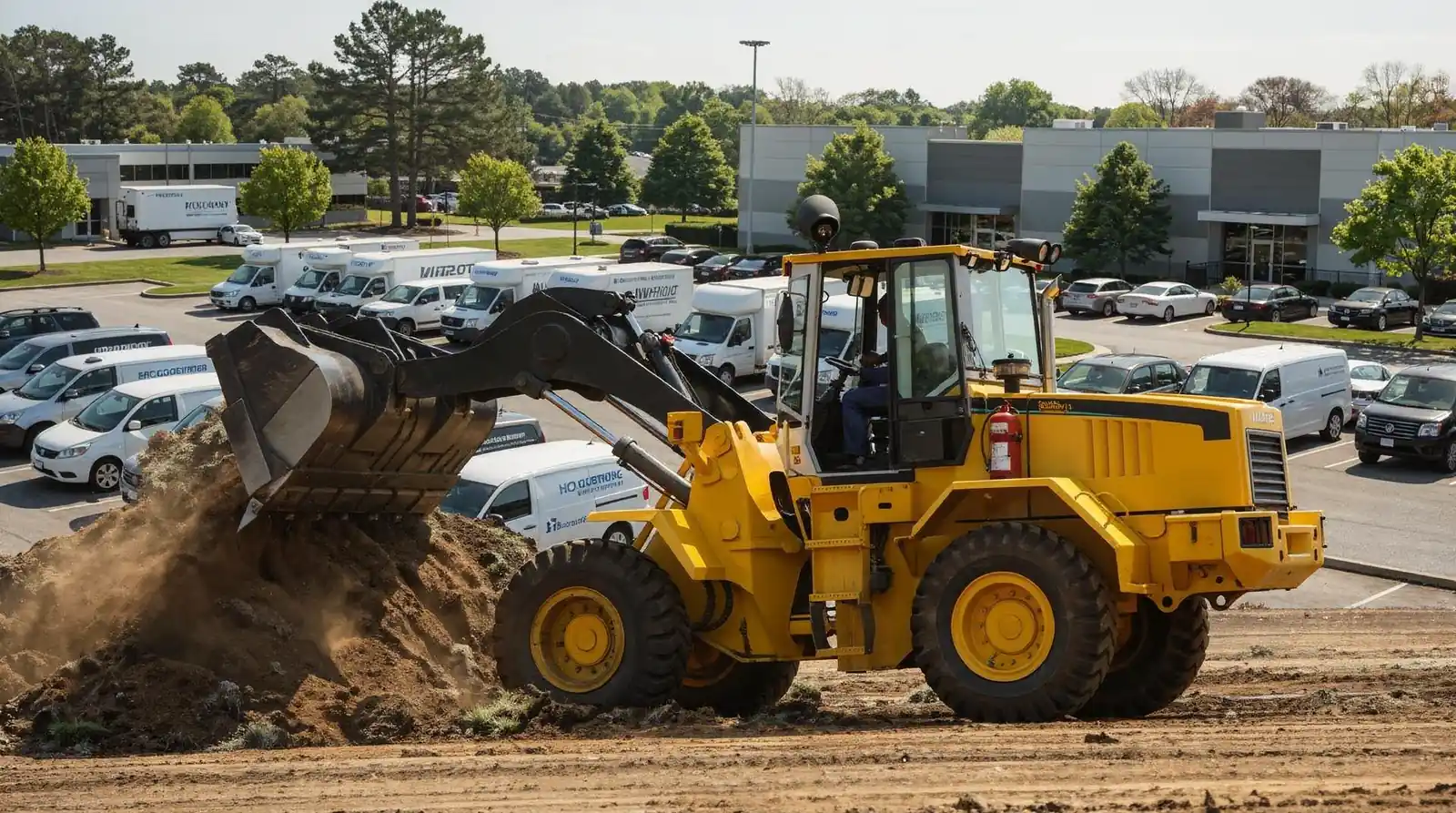
Construction equipment telematics works through sensors and onboard devices installed directly on excavators, bulldozers, and cranes that collect and transmit operational data continuously. Job sites lose thousands of dollars each week to idle machinery, misplaced assets, and undetected mechanical wear. Telematics closes that gap by turning silent equipment into a constant stream of usable information.
At the core of IoT in construction fleet management sits a simple process: onboard devices gather data points on location, engine hours, fuel use, and diagnostics, then transmit them through telematics hardware to a central platform. Fleet operations directors view this information remotely, without walking a job site or calling a foreman for a status update. That shift from manual checks to automated reporting is what separates modern fleet oversight from outdated logbooks.
What data does construction telematics actually track?
Telematics platforms track more than just location. Live GPS tracking combined with camera feeds gives fleet managers comprehensive insight into equipment whereabouts, supporting optimized dispatching and faster rerouting when a nearby assignment opens up. Integrated fleet cameras also capture what’s happening inside and outside each vehicle, adding a visual layer to the data feed.
Why does equipment location tracking matter for job sites?
Combining fleet tracking technology with camera systems mitigates theft and misuse risk on active sites. It also ensures materials and personnel arrive on schedule, which keeps project timelines intact and elevates overall fleet management standards.
The table below breaks down the core functions:
Safety Track supports this framework with live video fleet camera systems built for both the cab and the exterior of construction vehicles, giving superintendents a fuller picture of every asset in motion.
Why Does Predictive Maintenance Matter for Machinery?
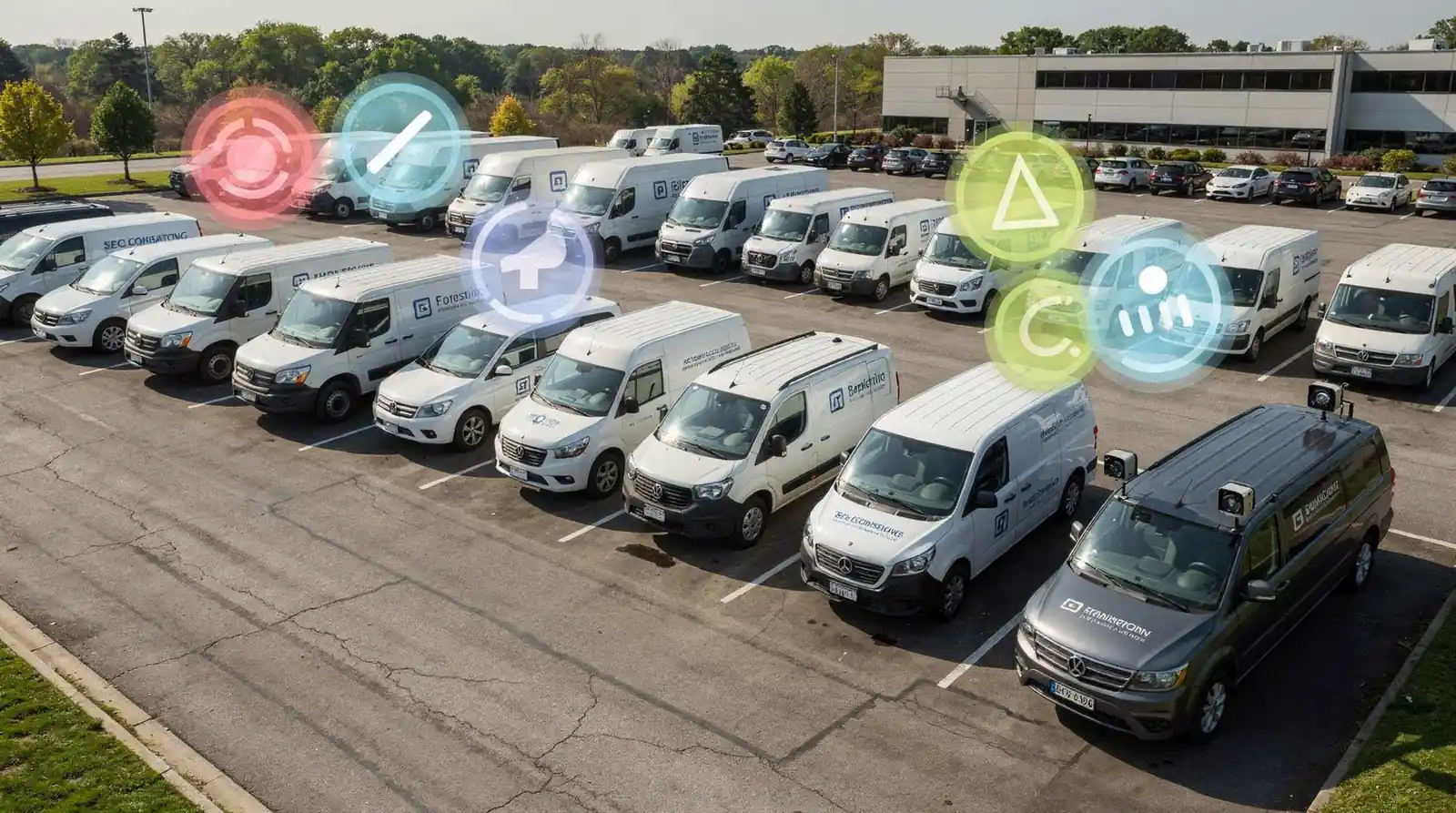
Unplanned equipment failure costs construction fleets far more than the repair bill. A stalled excavator or bulldozer halts an entire crew, delays material delivery, and pushes project deadlines further out of reach. Predictive maintenance for construction machinery solves this problem by identifying wear and mechanical issues before they escalate into breakdowns.
Fleet management platforms deliver proactive maintenance alerts for both vehicles and heavy equipment. These alerts flag developing problems early, preempting costly downtime and keeping machinery ready for the next job. Superintendents no longer wait for a failure to discover a fault; the system surfaces it first.
Staying ahead of maintenance needs does more than avoid breakdowns. It prevents disruptions across the fleet, optimizes overall productivity, and keeps job site operations running without interruption. A single overlooked service interval can ripple across multiple crews and subcontractors. Early detection protects the entire project timeline, not just one machine.
Does Predictive Maintenance Actually Reduce Costs?
Yes. IoT-powered fleet management solutions reduce operational costs by up to 25% while optimizing the performance of heavy machinery through real-time monitoring. Excavators, cranes, and bulldozers all benefit from continuous performance tracking rather than periodic manual inspection.
What Role Does a Maintenance Schedule Play?
A planned maintenance schedule forms the backbone of any effective fleet strategy. This structured approach reduces waste and mitigates expensive downtime by addressing service needs on a predictable timeline rather than reacting to failures after they occur.
Construction fleets that combine scheduled upkeep with real-time alerts gain measurable advantages:
- Fewer unplanned equipment outages on active job sites
- Lower repair costs from early fault detection
- Extended machinery lifespan across the fleet
- Consistent productivity across crews and subcontractors
Predictive maintenance turns machinery data into a planning tool, not just a repair log.
How Can Heavy Equipment Asset Tracking Cut Losses?
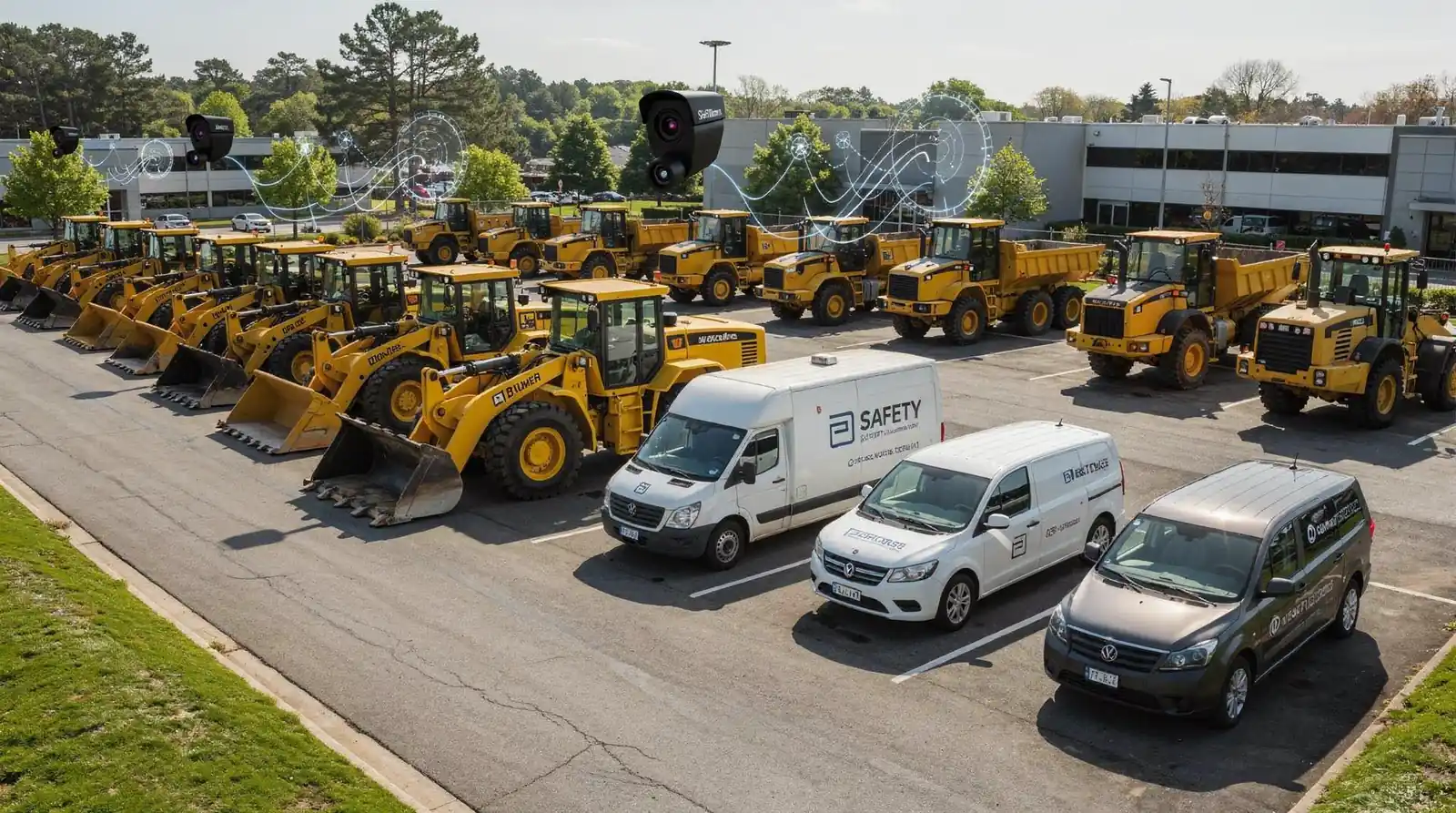
[Heavy equipment asset tracking](https://www.safetytrack.com/blog/building-the-future-enhancing-construction-equipment-fleet-operations-with-safety-track-fleet-management/) cuts financial losses by exposing idle machines, wasted fuel, and neglected repairs before they drain a project budget. Untracked excavators, bulldozers, and cranes burn fuel while idling, rack up avoidable repair bills, and sit unused on job sites where their cost still accrues. Fleet operations directors who deploy tracking systems replace guesswork with measurable data, and the savings show up quickly across fuel, maintenance, and administrative line items.
Safety Track’s fleet management solutions can lead to fuel savings of up to 30% for construction fleets, a figure that dwarfs typical industry gains. Broader research on smart fleet management confirms the pattern: companies that implement these solutions reduce fuel consumption by roughly 14%. Idle time, harsh acceleration, and inefficient routing all disappear once dispatchers can see exactly where equipment sits and how it runs.
Repair costs follow the same downward trend once construction equipment telematics enters the picture. IoT-based fleet management helps companies decrease repair costs by up to 20%, largely by catching mechanical issues before they escalate into major failures.
Does asset tracking actually improve financial performance?
Yes. Real-time visibility into vehicle location and equipment status delivers substantial time and resource savings that strengthen a fleet’s bottom line. Superintendents spend less time chasing missing machinery and more time keeping crews productive.
The combined impact breaks down as follows:
- Fuel savings: up to 30% with Safety Track solutions; 14% average across smart fleet adopters
- Repair cost reduction: up to 20% through earlier detection of mechanical problems
- Operational payoff: faster dispatching, fewer idle assets, stronger financial performance
These gains compound over a fiscal year, turning fragmented job site data into a disciplined, cost-controlled equipment strategy.
What Role Does Construction Site Geofencing Play?
Construction site geofencing establishes virtual boundaries around a job site, alerting fleet managers the moment equipment crosses that line. Unauthorized movement of an excavator or bulldozer after hours signals a red flag before a theft becomes a total loss. General contractors managing multiple sites rely on this boundary alert system as a first line of defense against unauthorized use.
Fleet tracking devices paired with geofencing deter theft and unauthorized use of equipment across job sites. Knowing that a piece of machinery reports its location automatically discourages opportunistic theft in the first place. This layer of accountability strengthens heavy equipment asset tracking programs already in place for cranes, loaders, and other high-value machinery.
How does geofencing help recover stolen equipment?
Recovery speed improves dramatically once a geofence alert fires. Real-time tracking makes locating stolen equipment faster and far more effective than relying on police reports alone. Superintendents can pinpoint a missing excavator’s exact position within minutes rather than days, cutting losses and downtime on active projects.
What other operational benefits come from geofenced monitoring?
Geofencing works alongside a fleet tracking mobile app to deliver instant insights on equipment behavior. This combination helps construction businesses reduce fuel waste and curb unauthorized vehicle use across every job site. Connected sensors and smart monitoring platforms extend these gains further, giving fleet operations directors the tools to boost efficiency, cut costs, and protect crews.
Key advantages of site geofencing include:
- Instant alerts when equipment exits an authorized zone
- Faster recovery timelines through real-time location data
- Reduced fuel waste tied to unauthorized machine use
- Stronger accountability across excavator fleet monitoring and other heavy asset programs
Geofencing turns a static job site boundary into an active safeguard, protecting both equipment value and project timelines.
How Does Excavator Fleet Monitoring Improve Safety?
Excavator fleet monitoring improves safety by pairing live video with location data so operators and supervisors catch risks before they become incidents. Job sites present blind spots, swinging booms, and constant foot traffic near heavy machinery. Unmonitored fleets absorb that risk silently, often surfacing it only after an accident or a disputed claim.
Fleet camera solutions sit at the center of this improvement. With the right camera system in place, superintendents enhance driver performance, reduce accident claims, and monitor vehicle activity in real time. That visibility matters most on congested sites where excavators, dozers, and delivery trucks share tight corridors.
Cameras also serve a protective function beyond footage collection. Video systems help shield both operators and machinery from liability. Physical harm, giving fleet managers documented proof of what actually happened during a near-miss or collision.
Does video monitoring actually reduce accident claims?
Yes. Video systems reduce false claims, increase driver accountability, and improve overall safety records across the fleet. Recorded footage removes guesswork from incident review, letting managers coach specific behaviors instead of relying on secondhand accounts.
What role does GPS tracking play in operator safety?
GPS tracking lets managers monitor operator habits and intervene before unsafe behavior repeats. Speed patterns, idle time near pedestrians, and unauthorized machine use all become visible in real time.
Combined, these tools create layered protection:
- Camera footage — documents incidents and deters risky maneuvers around excavators and cranes
- GPS behavior tracking — flags unsafe habits before they escalate into collisions
- Real-time alerts — give supervisors the chance to correct course mid-shift, not after an incident report
Together, video and location data turn scattered observations into a safety record that supports faster coaching and fewer preventable losses.
What Are the Real Cost Savings from IoT?
Real savings from IoT in construction fleet management show up in three places: fuel, repairs, and administrative overhead. Intelligent fleet management systems reduce administrative costs by 10%, freeing office staff from manual paperwork and reducing time spent chasing vehicle records. That figure alone represents thousands of dollars annually for a mid-sized fleet running dozens of machines across multiple job sites.
Fuel spending tells an even bigger story. Safety Track’s fleet management solutions can lead to 30% fuel savings, a direct result of better route planning, reduced idling, and tighter monitoring of operator behavior. For construction fleets burning through diesel across excavators, dozers, and haul trucks, that percentage translates into real budget relief rather than a marginal line-item change.
Does Predictive Maintenance Actually Cut Repair Costs?
Yes — maintenance software built around predictive maintenance construction machinery principles controls expense by tracking analytics before failures happen. Fleet maintenance software monitors brake performance and other critical systems continuously, catching wear patterns early instead of waiting for breakdowns. Superintendents avoid the steep cost of emergency repairs and unplanned downtime on active job sites.
Why Is IoT Now Considered a Required Investment, Not an Extra?
Cost pressure has pushed IoT fleet management past the optional stage. Companies now treat connected systems as a core operational investment because speed, visibility, and cost control have become non-negotiable demands from clients and regulators alike. Fleets without this visibility risk losing bids to competitors who can quote tighter timelines and lower costs.
The combined effect matters more than any single number. Lower fuel bills, reduced repair spending, and leaner administrative overhead compound across a fiscal year. A general contractor managing a fleet of cranes. Excavators sees these savings reflected directly in project margins, not just in a maintenance spreadsheet.
How Should You Choose an IoT Fleet Partner?
Data flow matters more than hardware count when selecting a partner for IoT in construction fleet management. A vendor’s true value lies in how well its platform integrates sensor data, secures information, and turns raw feeds into usable reports. Devices alone rarely solve problems; the connections behind them do.
Construction fleet managers evaluating vendors should weigh several factors before signing a contract:
- Integration depth: Can the platform pull data from excavators, cranes, and bulldozers into one dashboard?
- Security controls: Does the provider protect location and machine data from unauthorized access?
- Support responsiveness: Will a real person answer questions about setup or troubleshooting?
- Scalability: Can the system grow alongside additional job sites and equipment?
What Support Should a Construction Fleet Expect from an IoT Provider?
Reliable support separates a functional system from a frustrating one. Safety Track’s team is available by phone at 888-286-9829 during business hours of 7:30 am to 4:30 pm EST, Monday through Friday. Fleet operations directors managing multiple sites benefit from a direct line rather than a support ticket queue that delays responses.
How Can a Fleet Manager Start the Evaluation Process?
FAQ
How much can IoT fleet management save on fuel costs?
Safety Track’s fleet management solutions deliver up to 30% fuel savings through real-time vehicle data and connected sensors that monitor fuel use across excavators, bulldozers, and cranes.
What devices make up an IoT construction fleet system?
A typical system layers GPS trackers, engine and hydraulic sensors, geofencing modules, and cameras with telematics units, enabling location tracking, predictive maintenance, theft alerts, and asset monitoring on active job sites.
Does Safety Track offer video monitoring for construction fleets?
Yes, Safety Track provides live video fleet camera systems that continuously monitor activity both inside and outside fleet vehicles, supporting safety and security across construction job sites.
Conclusion
In closing, IoT technology fundamentally transforms construction fleet management by delivering real-time visibility, enhanced safety protocols, and measurable operational improvements. Safety Track’s integrated solutions—combining live video monitoring with advanced tracking capabilities—empower fleet managers to optimize performance while reducing costs and mitigating risk. As construction companies navigate increasingly complex operational demands, embracing IoT-driven fleet management becomes essential for maintaining competitive advantage and ensuring sustainable business growth.
Contractors weighing construction equipment telematics options can reach Safety Track’s sales team directly at Sales@safetytrack.net. Early conversation with a provider clarifies which features actually apply to a given fleet, from predictive maintenance construction machinery alerts to construction site geofencing boundaries. Asking pointed questions before purchase prevents costly mismatches later.
Jeff Stoker is the CEO and founder of Safety Track, a company he established in 2002. With over two decades of leadership in fleet management solutions, Jeff has guided Safety Track from a pioneering vision to a trusted industry leader. His innovative mindset and commitment to excellence continue to drive the company’s growth and impact.