

Automated Safety Tracking Solutions Transforming Risk Management
Enhance Fleet Risk Management with Automated Safety Tracking Solutions
Automated safety tracking solutions are revolutionizing the way fleet managers approach risk management. These advanced technologies provide real-time insights into driver behavior, vehicle performance, and compliance with safety regulations. As businesses increasingly prioritize safety and efficiency, understanding the mechanisms and benefits of these solutions becomes essential. This article will explore how automated safety tracking enhances fleet safety, the role of real-time driver behavior monitoring, and the impact of data-driven analytics on proactive risk management. Additionally, we will discuss the key features of vehicle risk monitoring software and the importance of automated compliance tracking in ensuring regulatory adherence.
The integration of automated safety tracking solutions addresses common pain points in fleet management, such as high accident rates and compliance challenges. By leveraging these technologies, fleet managers can significantly reduce risks and improve operational efficiency. We will delve into the measurable outcomes that demonstrate the effectiveness of these solutions and provide best practices for successful implementation.
How Do Automated Safety Tracking Solutions Improve Fleet Safety?
Automated safety tracking solutions enhance fleet safety by providing real-time monitoring of driver behavior and vehicle performance. These systems utilize advanced telematics to collect data on various driving metrics, such as speed, braking patterns, and acceleration. By analyzing this data, fleet managers can identify unsafe driving behaviors and implement corrective measures. The result is a significant reduction in accident rates and improved compliance with safety regulations.
Indeed, the benefits of telematics in enhancing fleet safety and reducing operational costs have been recognized for decades.
Telematics for Fleet Safety & Risk Reduction
Progressive truck and bus organizations are using telematics to improve the safety and security of their fleet operation and to reduce their accident, risk, and insurance costs.
Fleet Safety & Security Through Telematics, 2002
Moreover, these solutions offer immediate feedback to drivers, fostering a culture of accountability and safety. Fleet managers can use this data to conduct targeted training sessions, addressing specific areas where drivers may need improvement. This proactive approach not only enhances safety but also contributes to a more efficient and responsible driving culture within the fleet.
What Role Does Real Time Driver Behavior Tracking Play in Accident Reduction?

Real-time driver behavior tracking plays a crucial role in accident reduction by providing immediate insights into driving habits. This technology allows fleet managers to monitor unsafe behaviors, such as harsh braking or rapid acceleration, as they occur. By addressing these behaviors promptly, managers can intervene and provide feedback to drivers, helping them adjust their driving styles.
Additionally, behavior analytics can identify patterns that may indicate a higher risk of accidents. For instance, if a driver consistently exhibits aggressive driving behaviors, targeted training can be implemented to mitigate these risks. This proactive approach not only reduces the likelihood of accidents but also enhances overall fleet safety.
Further research underscores the power of telematics and machine learning in predicting accident hotspots and analyzing behavioral factors.
Telematics & ML for Fleet Accident Prediction & Behavioral Analysis
We utilized data collected via telematics from 1673 intercity buses throughout the year 2020, spanning cities across all provinces of Iran. Merging this data with a weather-related dataset resulted in a comprehensive dataset containing location, time, weather, and error type variables.
Predicting errors in accident hotspots and investigating satiotemporal, weather, and behavioral factors using interpretable machine learning: An analysis of telematics …, A Golestani, 2025
How Does Data-Driven Analytics Support Proactive Risk Management?
Data-driven analytics supports proactive risk management by enabling fleet managers to make informed decisions based on real-time data. By analyzing trends and patterns in driver behavior and vehicle performance, managers can identify potential risks before they escalate into serious issues. For example, predictive analytics can forecast maintenance needs based on vehicle usage patterns, allowing for timely interventions that prevent breakdowns and accidents.
This concept is further supported by research highlighting the advanced capabilities of modern telematics systems, including machine learning for predictive insights.
Machine Learning & Telematics for Fleet Safety
Moreover, the application of machine learning in telematics enhances safety by analyzing driving behaviors and issuing real-time alerts to prevent accidents. Simultaneously, energy efficiency is improved through optimized route planning and predictive maintenance, contributing to sustainable fleet operations.
Big Data Analytics and Machine Learning Integration for Intelligent Fleet Telematics Systems, 2025
Furthermore, access to real-time data empowers fleet managers to respond quickly to emerging risks. This agility is essential in maintaining compliance with safety regulations and ensuring the well-being of drivers and passengers alike. By leveraging data analytics, fleet managers can create a safer and more efficient operational environment.
What Are the Key Features of Vehicle Risk Monitoring Software?
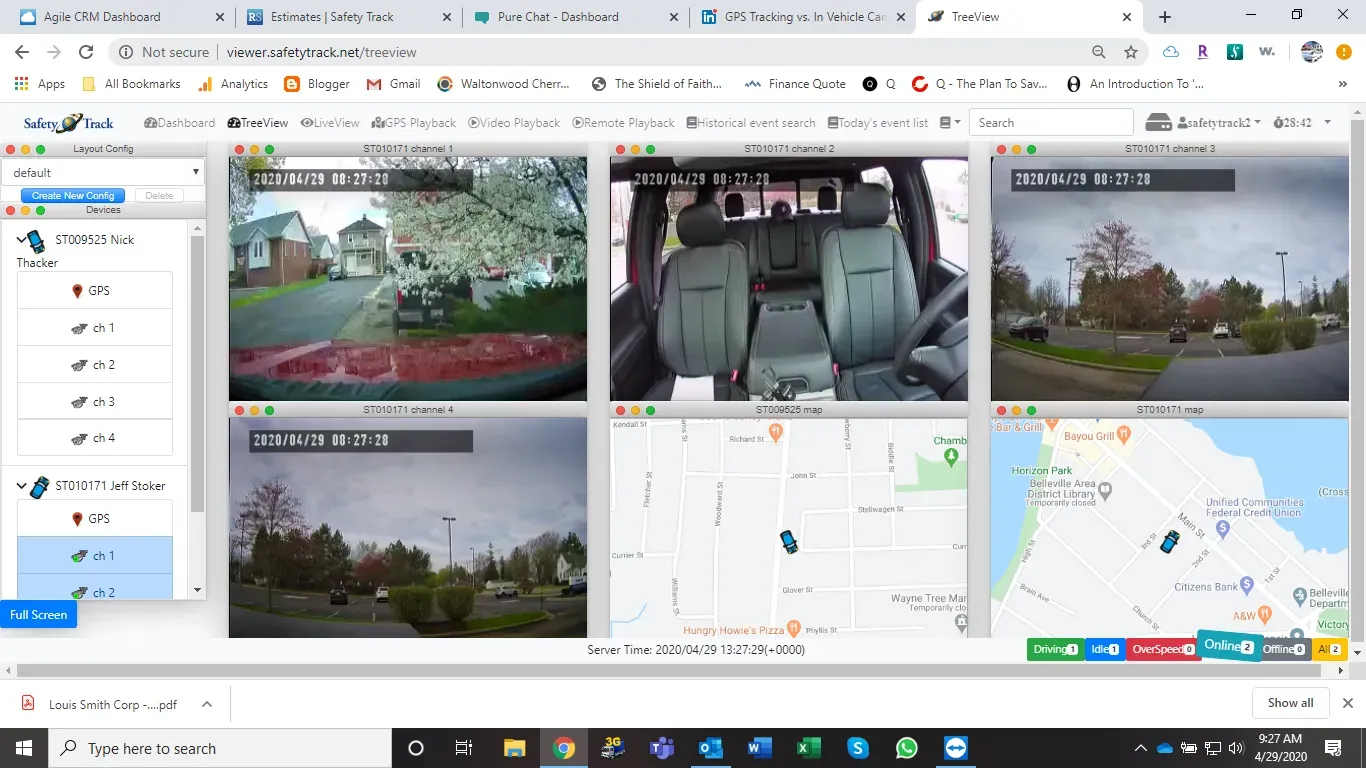
Vehicle risk monitoring software encompasses several key features that enhance fleet safety and compliance. These features include:
- Real-Time Tracking Capabilities: Provides live updates on vehicle location and performance metrics.
- Driver Behavior Monitoring Features: Tracks driving habits and identifies unsafe behaviors for immediate feedback.
- Comprehensive Reporting Tools: Generates detailed reports on safety metrics, compliance status, and driver performance.
These features work together to create a robust safety management system that not only monitors compliance but also actively promotes safe driving practices.
How Does Automated Compliance Tracking Ensure Regulatory Adherence?
Automated compliance tracking ensures regulatory adherence by providing real-time data for monitoring compliance with safety standards. This technology automates the documentation of driver behavior and vehicle performance, making it easier for fleet managers to maintain accurate records. By proactively identifying compliance issues, managers can address them before they lead to penalties or legal complications.
Additionally, automated compliance tracking simplifies the audit process, allowing for quick access to necessary documentation. This efficiency notificada only saves time but also reduces the risk of non-compliance, ultimately enhancing the overall safety and reliability of the fleet.
Why Should Fleet Managers Adopt Automated Safety Tracking Systems?
Fleet managers should adopt automated safety tracking systems for several compelling reasons:
- Enhanced Safety and Compliance: These systems provide the tools necessary to monitor and improve driver behavior, leading to safer driving practices.
- Operational Efficiency Improvements: By optimizing routes and reducing idle times, fleets can operate more efficiently, saving time and resources.
- Cost Reduction Through Optimized Resource Allocation: Improved safety and efficiency translate into lower operational costs, making automated safety tracking a financially sound investment.
The adoption of these systems not only enhances safety but also contributes to the overall success of fleet management operations.
How Do These Solutions Enhance Operational Efficiency and Reduce Costs?
Automated safety tracking solutions enhance operational efficiency by streamlining logistics processes and optimizing resource allocation. By providing insights into driver behavior and vehicle performance, fleet managers can identify areas for improvement. For instance, optimizing routes based on real-time traffic data can reduce fuel consumption and minimize travel time.
Moreover, improved driver safety leads to cost savings by reducing the frequency and severity of accidents. Fewer accidents mean lower insurance premiums and reduced vehicle repair costs, contributing to a more sustainable bottom line for fleet operations.
What Measurable Outcomes Demonstrate Improved Fleet Risk Management?
Several measurable outcomes indicate improved fleet risk management through the implementation of automated safety tracking solutions:
- Reduction in Accident Rates: A significant decrease in accidents is often observed after implementing these systems.
- Improved Compliance Audit Success: Enhanced documentation and monitoring lead to higher compliance rates during audits.
- Cost Savings from Reduced Incidents: Fewer accidents and improved safety practices result in substantial cost savings.
These outcomes highlight the effectiveness of automated safety tracking in transforming fleet risk management.
How Can Businesses Implement and Monitor Automated Safety Tracking Effectively?
Businesses can implement and monitor automated safety tracking effectively by fostering a safety culture within their organizations. This involves training staff on the importance of safety and compliance, as well as utilizing telematics systems to monitor performance metrics. Regularly reviewing data and providing feedback to drivers can help reinforce safe driving practices.
Additionally, businesses should invest in high-quality tracking solutions that offer comprehensive features tailored to their specific needs. By prioritizing safety and compliance, organizations can create a more secure and efficient fleet operation.
What Best Practices Support Successful Integration with Existing Fleet Systems?
Successful integration of automated safety tracking systems with existing fleet operations requires adherence to best practices, including:
- Choosing the Right Device: Selecting devices that are compatible with current fleet management systems is crucial for seamless integration.
- Proper Installation and Staff Training: Ensuring that devices are installed correctly and that staff are trained on their use is essential for maximizing effectiveness.
- Data Utilization for Performance Improvement: Regularly analyzing data collected from tracking systems can inform decisions and drive continuous improvement.
By following these best practices, businesses can enhance the effectiveness of their safety tracking initiatives.
Which Key Performance Indicators Track Safety and Compliance Improvements?
Key performance indicators (KPIs) for tracking safety and compliance improvements include: fleet safety and compliance.
- Accident Rates and Driver Performance Metrics: Monitoring the frequency of accidents and evaluating driver performance can provide insights into safety trends.
- Compliance Rates and Preventive Maintenance Completion: Tracking compliance with safety regulations and the completion of maintenance tasks ensures adherence to standards.
- Driver Safety Scores: Evaluating individual driver safety scores can help identify areas for improvement and promote accountability.
These KPIs are essential for measuring the success of automated safety tracking solutions and ensuring ongoing compliance and safety improvements.
Jeff Stoker is the CEO and founder of Safety Track, a company he established in 2002. With over two decades of leadership in fleet management solutions, Jeff has guided Safety Track from a pioneering vision to a trusted industry leader. His innovative mindset and commitment to excellence continue to drive the company’s growth and impact.