
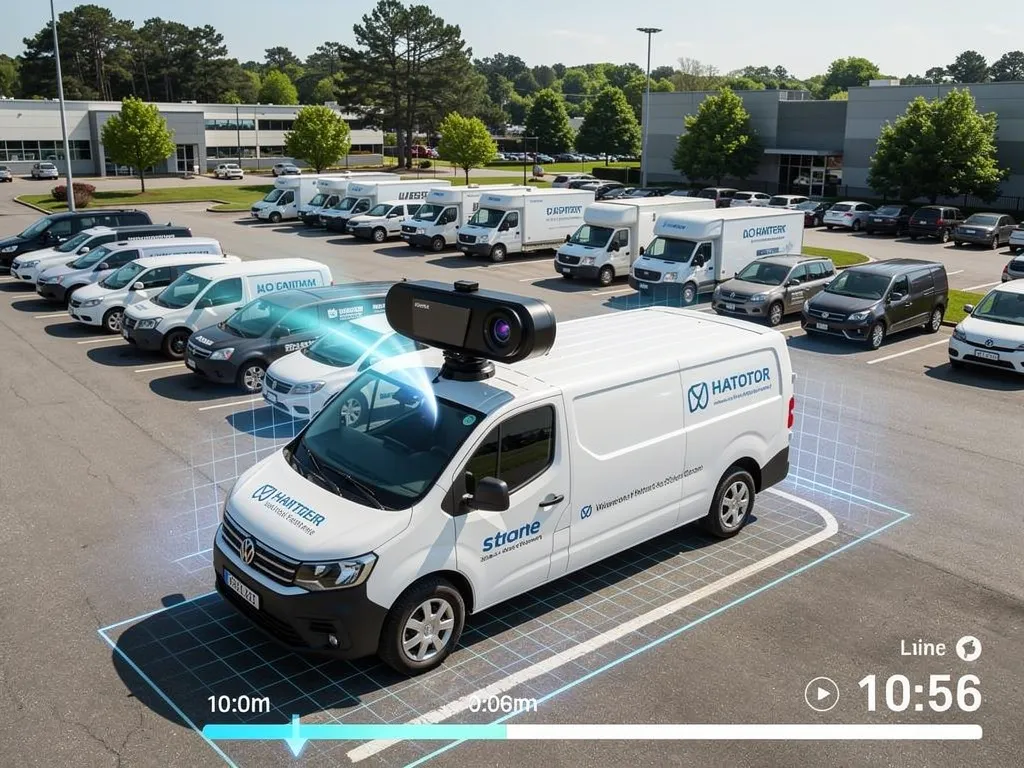
AI Dashcam Features Every Fleet Manager Should Know About
Commercial fleets face mounting pressure to reduce accidents, control insurance costs, and prove compliance at every turn. Traditional dashcams simply record footage — but today’s AI dashcam features do far more, actively identifying risk, coaching drivers in real time, and giving fleet managers the evidence they need when it matters most. For fleet and safety managers evaluating a new video telematics system, understanding what modern AI-powered dashcams can do is the first step toward safer roads and a healthier bottom line.
Safety Track has spent more than two decades helping fleets operate better, safer, and more efficiently through live video fleet cameras and GPS tracking systems. That experience has shown a clear trend: fleets that adopt AI dashcam technology see measurable improvements in driver behavior, claims outcomes, and overall compliance. Below is a closer look at the AI dashcam features that matter most, how they work together, and why they represent the next stage of fleet safety management.
What Makes a Dashcam “AI-Powered”?
A traditional dashcam is a passive recording device. It captures video, and someone has to review the footage manually to find anything useful. An AI dashcam, by contrast, uses onboard artificial intelligence and machine learning models to analyze video and sensor data as it happens. Instead of simply storing hours of footage, the system recognizes patterns — a following distance that’s too close, a driver looking away from the road, a vehicle drifting out of its lane — and responds instantly.
This shift from passive recording to active analysis is what separates legacy dashcams from modern AI dashcam features. For a fleet manager, it means less time spent scrubbing through footage and more time acting on the alerts that actually matter.
Core AI Dashcam Features for Fleet Safety
Dual-Facing, High-Definition Video Capture
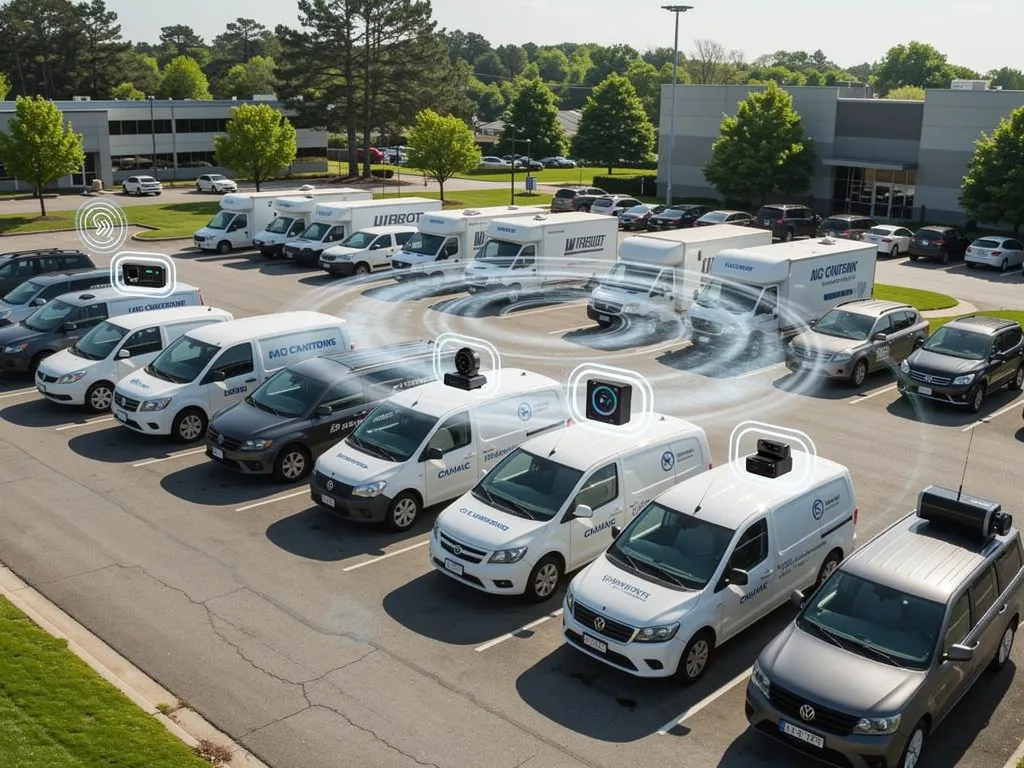
Most AI dashcams used in commercial fleets are dual-facing, meaning they simultaneously record the road ahead and the driver’s cabin. High-definition video from both perspectives gives fleet managers a complete picture of any incident — what the vehicle encountered on the road and how the driver responded. This dual view is essential for accurately reconstructing events, exonerating drivers who were not at fault, and identifying coaching opportunities for those who were.
Real-Time Driver Behavior Detection
One of the most valuable AI dashcam features is real-time driver behavior monitoring. Using computer vision, the system can detect distracted driving, drowsiness or fatigue, phone use, smoking, and failure to wear a seatbelt. When the AI identifies risky behavior, it can issue an in-cab audio alert immediately, giving the driver a chance to correct course before an incident occurs — not just a record of it after the fact.
Collision and Near-Miss Detection
AI dashcams are trained to recognize the visual signatures of harsh braking, forward collision risk, following too closely, and lane departure. When these events are detected, the system automatically flags and saves the relevant video clip, along with GPS location, speed, and timestamp data. This automatic event tagging means safety managers no longer have to comb through unremarkable footage to find the moments that matter.
Automatic Incident Alerts and Video Retrieval
When a triggering event occurs — a hard brake, a collision, a sudden swerve — an AI dashcam can automatically upload the relevant clip to a cloud-based fleet management platform, often within minutes. This gives fleet managers near real-time visibility into incidents as they happen, rather than waiting for a driver to return to the yard or manually download footage. Fast video retrieval is especially valuable for post-accident investigations, insurance claims, and liability disputes.
Driver Coaching and Scorecards
Beyond flagging individual events, AI dashcam platforms aggregate behavior data over time into driver scorecards. Fleet managers can see which drivers consistently follow too closely, brake harshly, or exhibit signs of distraction, and use that data to deliver targeted coaching. This turns raw video data into an ongoing safety program rather than a reactive tool used only after something goes wrong.
Exoneration and Liability Protection
Nuclear verdicts — outsized jury awards against commercial fleets — have made video evidence more valuable than ever. AI dashcam footage that clearly shows a driver following safe practices, or that captures another vehicle’s fault in a collision, can be the difference between a quick claim resolution and a costly legal battle. Because AI systems tag and preserve the exact footage surrounding an event, fleets have reliable, time-stamped evidence ready when they need it.
Integration With GPS Fleet Tracking
AI dashcam features deliver the most value when paired with GPS fleet tracking. Combining video data with location, route, and vehicle diagnostic information gives fleet managers a complete operational picture. A safety event isn’t just a video clip — it’s tied to a specific location, speed, time of day, and route context, which helps identify whether an issue is driver-specific or related to a particular route or condition.
Customizable Alerts and Reporting
Every fleet has different risk priorities. Modern AI dashcam systems allow fleet managers to customize which behaviors trigger alerts, how sensitive detection thresholds are, and who receives notifications. Combined with automated reporting, this lets safety teams focus attention where it’s needed most, whether that’s a specific vehicle, driver, or route.
Why AI Dashcam Features Matter for Compliance
Regulatory compliance is a constant concern for commercial fleets, and video evidence increasingly plays a role in demonstrating due diligence. AI dashcams support compliance efforts by maintaining accurate records of driving behavior, providing documentation for safety audits, and supporting a fleet’s ability to show it has taken reasonable steps to prevent unsafe driving. For fleets working to align with FMCSA expectations and internal safety policies alike, this kind of documentation can be invaluable.
Choosing the Right AI Dashcam for Your Fleet
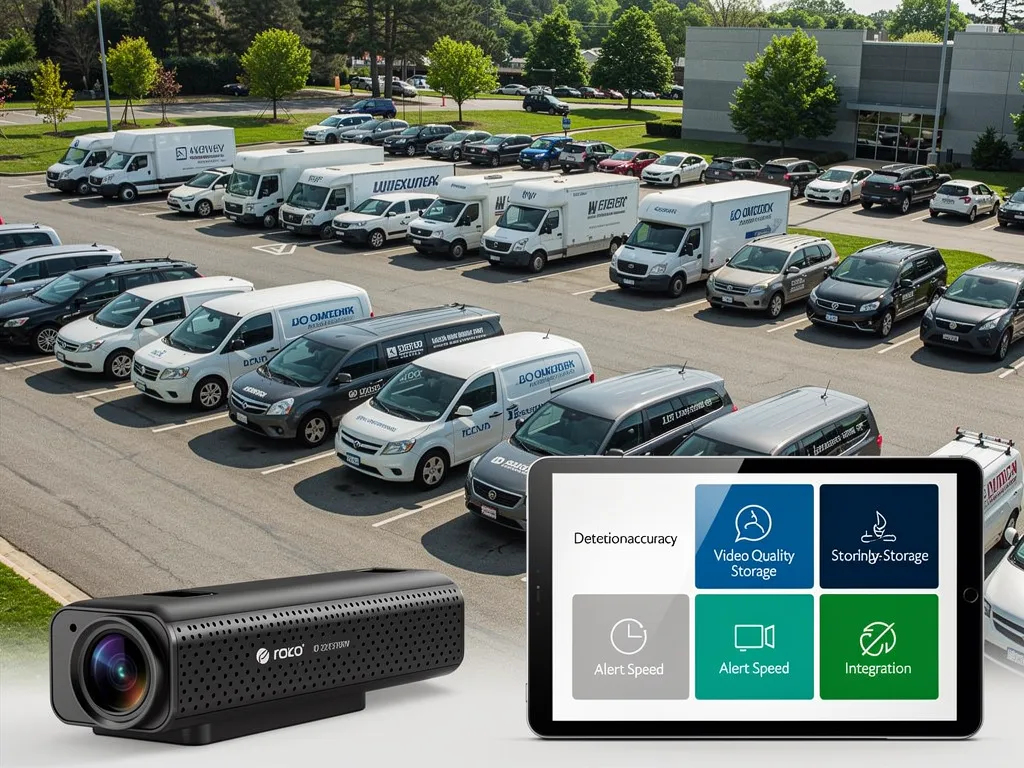
Not every AI dashcam system is built the same way, and fleet managers should look closely at a few key factors before choosing a provider:
-
Detection accuracy — how reliably the system identifies real risk events versus false positives.
-
Video quality and storage — resolution, night vision performance, and how long footage is retained.
-
Speed of alerts — how quickly flagged events reach the fleet management platform.
-
Integration — whether the dashcam works seamlessly with existing GPS tracking and fleet management tools.
-
Ease of use — how simple the system is for drivers to operate and for managers to review.
-
Support and training — the level of onboarding and ongoing support the provider offers.
Safety Track’s telematics systems are built to bring these AI dashcam features together with GPS fleet tracking in a single, unified platform, giving fleet and safety managers the tools they need to manage their business with confidence.
Q&A: Common Questions About AI Dashcam Features
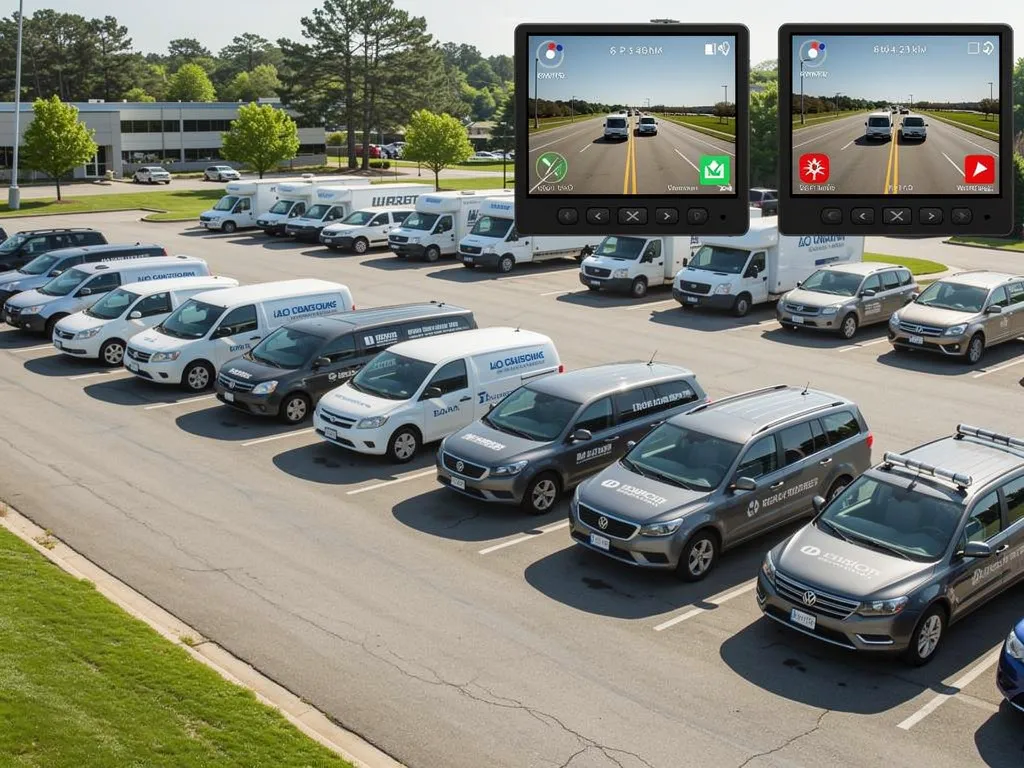
Q: How is an AI dashcam different from a standard dashcam? A: A standard dashcam only records video for later review. An AI dashcam actively analyzes footage in real time using onboard artificial intelligence, automatically detecting risky behaviors and events like harsh braking, distracted driving, and collisions, then alerting drivers and fleet managers immediately.
Q: Can AI dashcams reduce accidents, or do they only document them? A: Both. Real-time in-cab alerts give drivers the chance to correct unsafe behavior before it leads to an incident, while the driver scorecards and coaching data generated over time help fleets address recurring risk patterns proactively.
Q: Do AI dashcams record all the time, or only during specific events? A: Most systems continuously capture video but use AI to automatically flag and save clips tied to specific triggering events, such as hard braking or a collision. Continuous footage is typically also available for a set retention period, so fleet managers aren’t limited to only the flagged clips.
Q: Will AI dashcam footage hold up as evidence in a claim or legal dispute? A: Time-stamped, GPS-tagged video showing the moments before, during, and after an event is widely used to support insurance claims and legal proceedings. Clear footage helps establish what actually happened, which can protect fleets and drivers from unwarranted liability.
Q: How does an AI dashcam work with GPS fleet tracking? A: When integrated, video events are tied to precise location, speed, and route data. This gives fleet managers full context for every incident and helps distinguish between driver-specific issues and challenges tied to particular routes or conditions.
Q: Is driver privacy a concern with AI dashcams? A: Reputable systems are designed to focus on safety-relevant behavior detection rather than constant surveillance, and fleet managers can typically configure alert sensitivity and access permissions to align with company policy and driver expectations.
Bringing It All Together
AI dashcam features have fundamentally changed what fleets can expect from their video telematics investment. What was once a passive record-keeping tool is now an active safety system — one that detects risk before it becomes an incident, protects drivers and businesses with reliable evidence, and gives fleet managers the data they need to coach smarter and manage more efficiently. For fleets serious about reducing accidents, controlling costs, and staying audit-ready, investing in the right AI dashcam technology isn’t optional; it’s a core part of modern fleet management. Safety Track has spent over 20 years helping fleets across the globe put these tools to work, and remains committed to giving fleet and safety managers the right systems, the right support, and the right results.
Jeff Stoker is the CEO and founder of Safety Track, a company he established in 2002. With over two decades of leadership in fleet management solutions, Jeff has guided Safety Track from a pioneering vision to a trusted industry leader. His innovative mindset and commitment to excellence continue to drive the company’s growth and impact.