
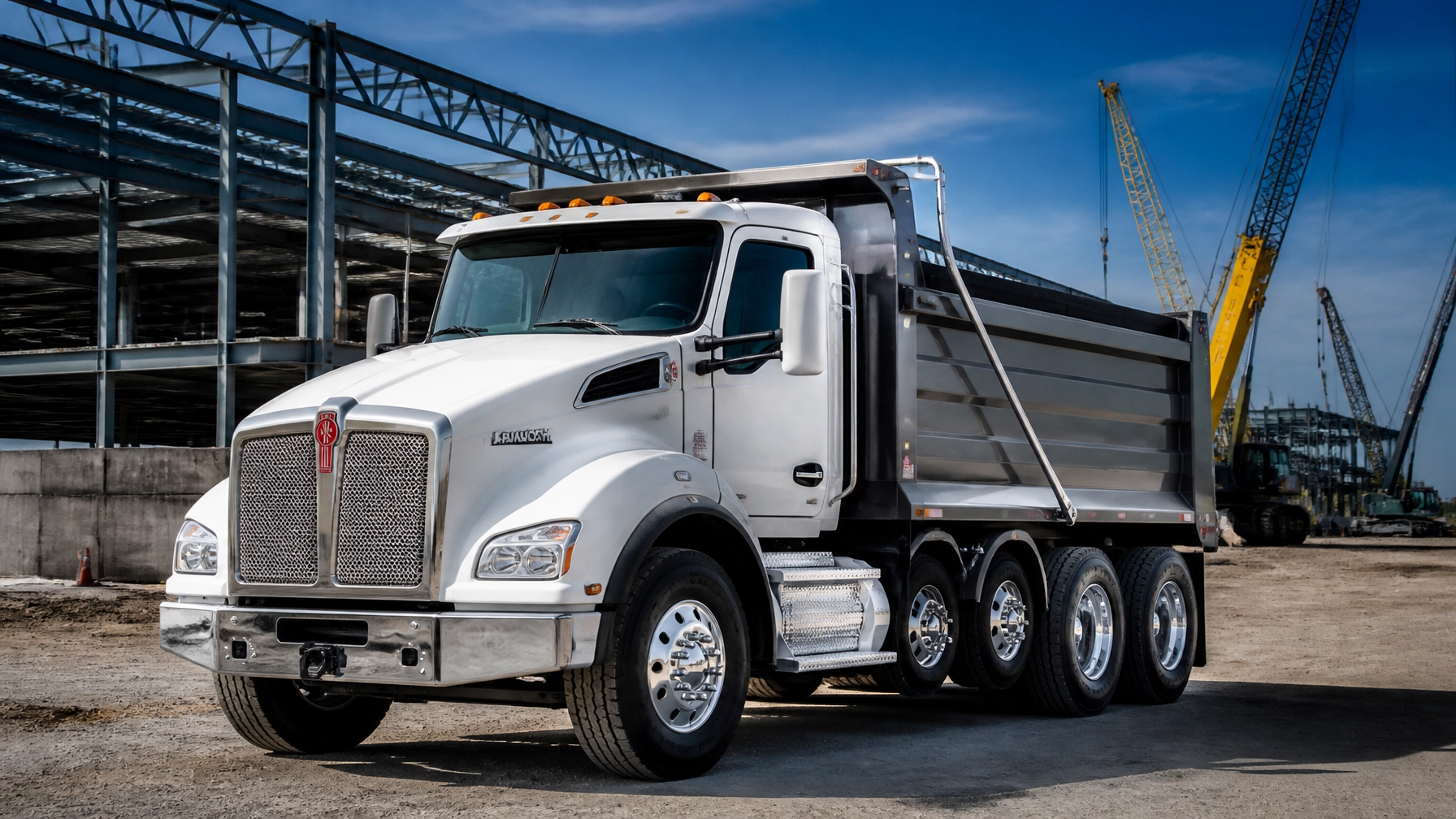
Construction Site Security: AI-Enhanced Asset & Fleet Tracking
For construction companies, the job site is more than just a place of work; it is a high-value outdoor warehouse. Between heavy machinery, specialized vehicles, and high-dollar materials, the capital invested in a single site can easily reach into the millions. However, unlike a traditional warehouse, a construction site is often open, dynamic, and difficult to secure 24/7. This vulnerability makes construction fleets a primary target for theft, vandalism, and liability claims.
In today’s market, traditional locks and fences are no longer enough. The industry is seeing a shift toward AI-enhanced tracking and integrated camera systems. These technologies do more than just record what happens; they actively monitor for risks, prevent accidents, and provide the data necessary to recover stolen property. By combining asset tracking, truck camera systems with GPS, and AI fleet safety cameras, fleet managers can build a comprehensive security perimeter that protects their equipment and their bottom line.
The Hidden Costs of Construction Insecurity
Security breaches on a construction site go far beyond the initial cost of the stolen item. While losing a $60,000 excavator is a significant blow, the ripple effects can be even more damaging. Every hour that a piece of equipment is missing is an hour of lost productivity. If a critical machine is stolen, it can bring an entire project to a standstill, leading to missed deadlines and contractual penalties.
According to industry data, construction equipment theft remains a billion-dollar problem in the United States, with over 11,000 pieces of heavy machinery reported stolen each year. Perhaps more alarming is the recovery rate, which historically hovers around 20%. Without a modern tracking solution, four out of every five stolen machines are never seen again.
Beyond theft, there is the rising threat of “nuclear verdicts” and false liability claims. Construction trucks often operate in tight, congested urban areas or high-traffic zones. When an incident occurs, the lack of objective video evidence can leave a company vulnerable to massive settlements. Protecting a construction fleet requires a dual-threat approach: securing the physical assets from theft and securing the company from liability.
Asset Tracking: Creating a Digital Perimeter
One of the most effective tools for site security is modern asset tracking. This technology provides real-time visibility into the location and status of every piece of equipment on the job site. At Safety Track, we specialize in providing comprehensive asset tracking solutions that cover both powered and non-powered equipment.
Monitoring Powered vs. Non-Powered Assets
Construction sites rely on a mix of heavy machinery (excavators, loaders, graders) and non-powered equipment (trailers, generators, tool sheds). A complete security plan must address both:
- Powered Equipment: These machines are often the most valuable. By integrating GPS tracking with the vehicle’s power system, managers can monitor engine hours, fuel levels, and ignition status. If a loader is started at 2:00 AM on a Sunday, the system can instantly trigger an alert.
- Non-Powered Assets: Trailers and generators are frequent targets for opportunistic thieves because they are easy to tow away. Battery-powered GPS trackers can be discreetly mounted on these assets, providing long-term location updates even when they aren’t connected to a power source.
The Power of Geofencing
Geofencing allows fleet managers to draw a digital boundary around their job sites. If a piece of equipment crosses that boundary without authorization, the system sends an immediate notification to the manager’s smartphone or computer. This “real-time alert” system is often the difference between a successful recovery and a total loss. Instead of discovering a theft on Monday morning, managers can notify law enforcement the moment the asset leaves the site.

For more insights on how to manage these assets, you can read our guide on how fleet telematics helps monitor and protect heavy equipment.
AI Fleet Safety Cameras: The Future of Incident Prevention
While GPS tells you where your assets are, AI fleet safety cameras tell you how they are being used. In the construction industry, where trucks and machinery operate in close proximity to ground crews and pedestrians, safety is the ultimate security.
Proactive Risk Detection
Modern AI-enhanced cameras do not just record video; they process it in real-time. These systems can detect dangerous behaviors such as:
- Distracted Driving: If a driver is looking at their phone instead of the site around them, the AI can trigger an in-cab alert to redirect their attention.
- Fatigue Monitoring: The system can recognize signs of exhaustion, such as frequent yawning or eyes closing, which is critical for operators working long shifts on high-pressure projects.
- Collision Warnings: AI cameras can identify objects, pedestrians, or other vehicles in the truck’s path, providing life-saving warnings before an impact occurs.
By implementing AI fleet dash cameras, companies have seen up to 40% fewer accidents. This proactive approach not only keeps workers safe but also drastically reduces the costs associated with equipment repairs and insurance premiums.
Truck Camera Systems with GPS: A Unified View
A common challenge for fleet managers is managing multiple disconnected systems. A truck camera system with GPS solves this by unifying video evidence with location data. This integration provides a complete picture of every trip and every site visit.
Exoneration and False Claims
In the event of an accident, video evidence is the most powerful tool for exonerating a driver. Without it, companies often face “he-said, she-said” scenarios that end in expensive settlements. By having a 360-degree view around a construction truck, managers can prove that their driver followed all safety protocols. This visibility is essential in an era where nuclear verdicts are soaring.

Eliminating Blind Spots
Construction vehicles are notoriously large with significant blind spots. By installing a multi-camera system, including side-view and rear-view cameras, drivers have a clear view of their surroundings. This is particularly important on crowded building sites where space is at a premium and ground workers are constantly moving.

ROI Beyond Security: Improving Operational Efficiency
While the primary focus of tracking and camera systems is security and safety, the secondary benefits provide a massive return on investment (ROI). Fleet telematics and AI tools give managers the data they need to run a leaner, more efficient operation.
1. Improved Asset Utilization
Are your excavators sitting idle on Site A while you’re paying to rent others for Site B? GPS asset tracking allows you to see the utilization rates of every machine. By optimizing the movement of equipment between sites, companies can reduce unnecessary rental costs and ensure that every asset is working toward project completion.
2. Maintenance Tracking
Construction equipment takes a beating. Maintenance tracking allows managers to schedule preventive service based on actual engine hours or mileage. This proactive maintenance prevents breakdowns in the middle of a workday, extending the lifespan of the equipment and reducing long-term repair costs.
3. Fuel Savings and Route Optimization
For road-going construction trucks, fuel is one of the highest operating expenses. Through route optimization and monitoring of excessive idling, companies can see up to 30% fuel savings. This data also helps in identifying drivers who may need coaching on more efficient driving practices.

Custom-Tailored Solutions for Your Fleet
No two construction companies are the same. A company focusing on urban high-rise development has different needs than a highway paving crew. This is why Safety Track emphasizes custom-tailored solutions. Whether you need to track a few dozen trailers or a fleet of several hundred heavy-duty trucks, the system should be built to match your specific operational risks.
When selecting a system, consider the following:
- Durability: Construction environments are harsh. Cameras and tracking hardware must be ruggedized to withstand dust, vibration, and extreme weather.
- Ease of Use: If the software is too complex, it won’t be used. Look for a platform that offers a clean, intuitive dashboard that can be accessed on a tablet or smartphone.
- Scalability: Choose a partner that can grow with your business. As you add more vehicles or assets, the system should integrate them seamlessly.
Conclusion: Future-Proofing Your Construction Business
The construction industry is becoming increasingly competitive, and the risks, from theft to litigation, are higher than ever. Investing in AI-enhanced tracking and truck camera systems with GPS is no longer a luxury; it is a fundamental requirement for any business looking to protect its assets and maintain a safe, profitable operation.
By implementing these technologies, fleet managers can move from a reactive posture to a proactive one. Instead of worrying about what might happen, you can have the confidence of knowing exactly where your equipment is, how it’s being used, and that your team is protected by the best technology available.
Ready to secure your job site? Explore how Safety Track’s construction solutions can be tailored to fit your specific needs and start reducing your operational costs today.
Frequently Asked Questions
1. Can GPS tracking help recover equipment if the battery is disconnected?
Yes. Many of our asset trackers come with internal backup batteries that can provide location updates for several days or even weeks after being disconnected from a primary power source. For non-powered assets like trailers, we offer long-life battery units that can last for years.
2. How do AI dash cams protect against false claims?
AI dash cams record both the road ahead and the sides of the vehicle. In the event of a collision, the system automatically saves the footage from before, during, and after the event. This high-definition video provides objective proof of what happened, often exonerating the driver instantly and preventing a long legal battle.
3. Does implementing these systems reduce insurance costs?
Many insurance providers offer discounts to fleets that implement GPS tracking and video telematics because these systems demonstrably reduce the risk of theft and accidents. On average, our clients see a 25% reduction in insurance costs.
4. Is the equipment difficult to install on heavy machinery?
Safety Track provides professional installation services to ensure that every device is mounted securely and integrated correctly with your vehicle’s systems. Our hardware is designed to be low-profile and ruggedized for the construction environment.

Tyler Schneider is the IT Director at Safety Track, overseeing the company’s technological infrastructure and innovations. With a strong background in information technology and systems management, Tyler ensures that Safety Track stays at the forefront of tech solutions in fleet management. His strategic expertise supports the seamless integration of technology across the company’s operations.