
Choosing the Right AI Dash Cam: Fleet Safety, GPS Tracking
By Safety Track Editorial Team · Updated 2026-08-21
Fleet managers selecting an AI dash cam should prioritize systems that pair video evidence with GPS fleet tracking, since combining both technologies delivers comprehensive visibility into driver behavior and vehicle activity. Auto theft reached 810,400 stolen vehicles in 2020, making integrated camera and tracking solutions, like those Safety Track provides, essential for protecting assets and improving fleet safety outcomes.
Key Takeaways
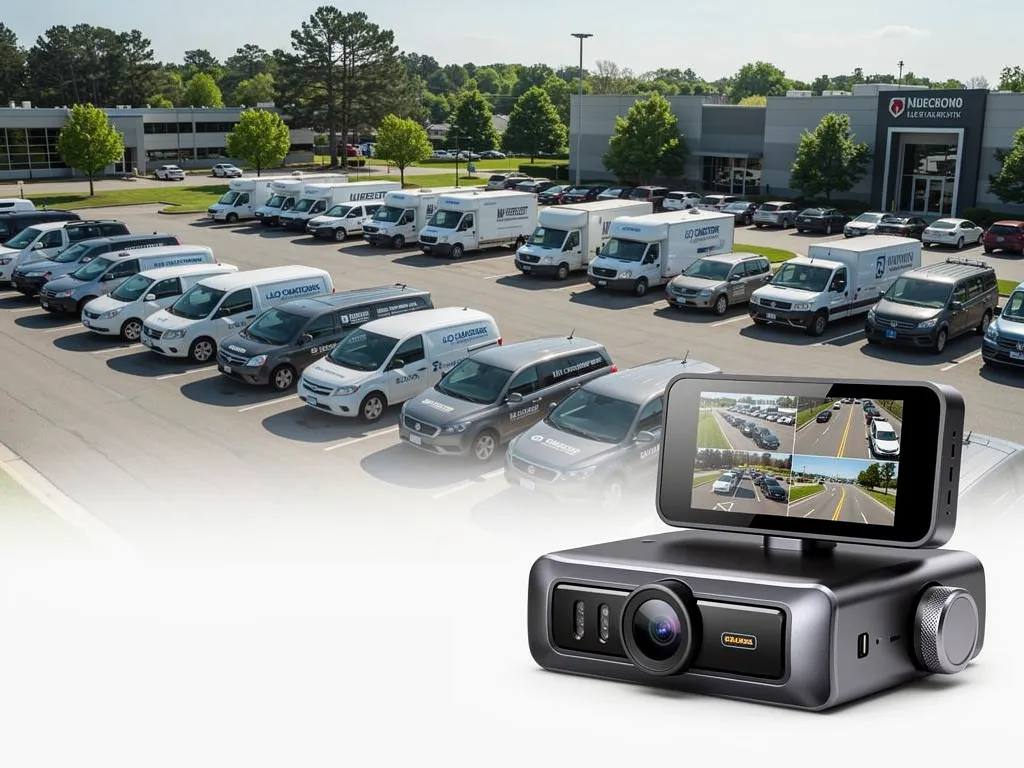
- Dash cams record vehicle movements and provide critical accident evidence for insurance claims and court proceedings.
- Top 2026 models like the Viofo A329S feature 4K sensors delivering fantastic image quality with easy setup.
- Safety Track’s fleet camera systems achieve 30% fuel savings while monitoring inside and outside vehicle activity.
- Dash cam selection requires evaluating image quality, display visibility, parking mode performance, and long-term reliability factors.
What Should You Prepare Before Choosing an AI Dash Cam?
Preparation determines whether a fleet camera investment pays off or sits underused. Fleet managers should map out three things before evaluating vendors: the driving risks they need detected, the camera coverage required, and the support level a provider can guarantee. Skipping this step often leads to systems that record footage nobody reviews and alerts nobody trusts.
What risks should the camera detect?
Choosing the right AI dash cam starts with identifying which behaviors matter most to a given fleet. A fleet AI dash camera built on modern neural network technology can flag distracted driving, fatigue, tailgating, lane departures, and collision risk simultaneously, turning raw footage into actionable alerts rather than passive recordings.
Does the fleet need interior and exterior views?
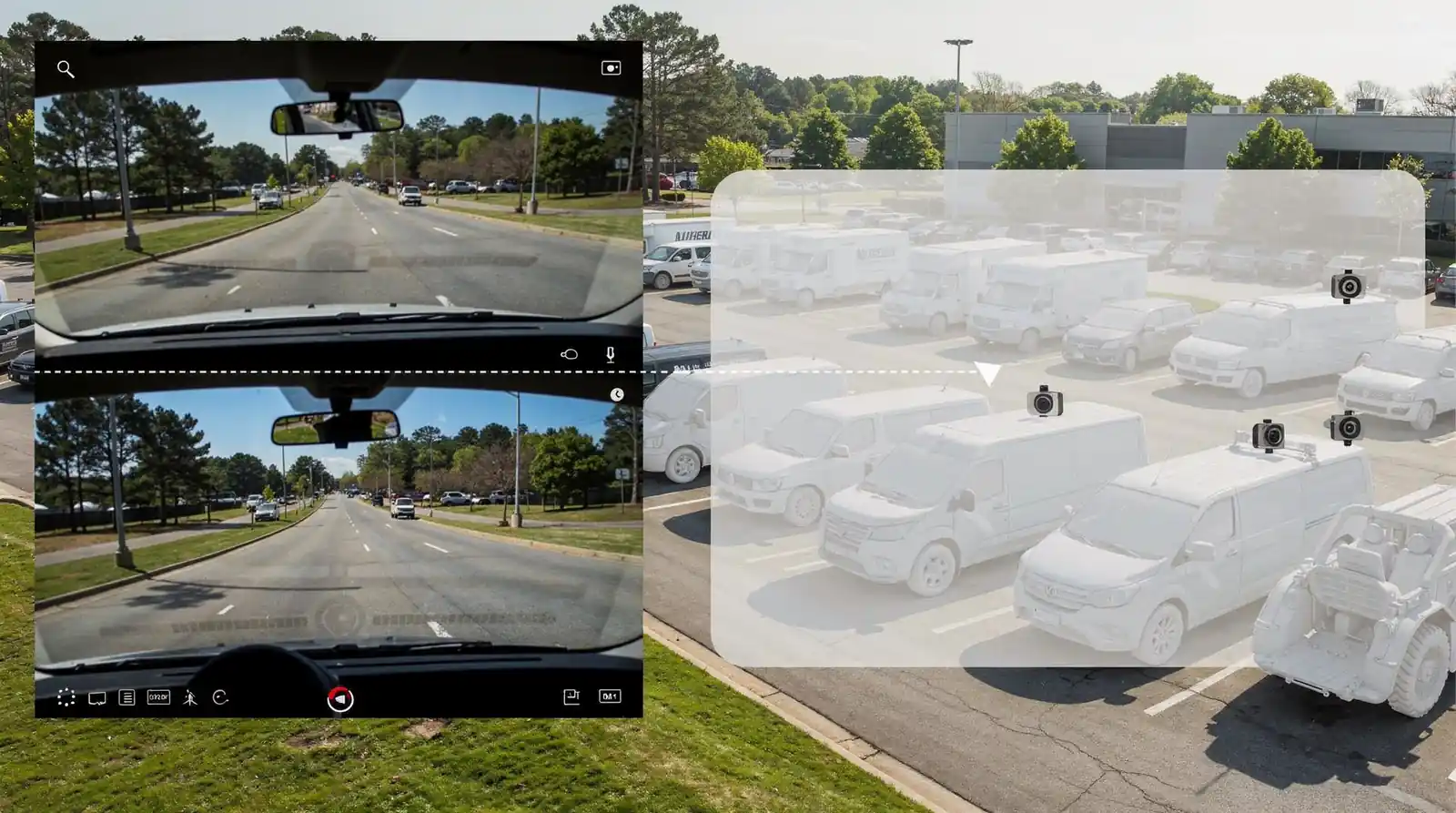
Coverage needs vary by vehicle type and cargo. Safety Track’s live video systems record both cab interiors and the road outside, giving managers a full account of driver behavior alongside external hazards. Fleets should list which vehicles need dual-facing coverage before comparing camera models.
Beyond hardware, fleet managers should prepare a short checklist:
- Confirm whether GPS integration is needed; pairing a fleet telematics camera with location data builds a more complete picture of vehicle activity.
- Ask providers about AI dash cam features like real-time driver coaching, not just after-the-fact review.
- Vet customer support closely — weak vendor support causes technical glitches and compliance headaches that undermine fleet safety technology investments.
Which Steps Help You Select the Right Fleet Camera?
Selecting a fleet camera system means working through five concrete evaluation steps, not skimming a feature list. Fleet managers who skip this process risk footage that fails in court, software that won’t integrate with dispatch tools, and hardware costs that never pay off. A structured approach to choosing the right AI dash cam protects both drivers and the company’s bottom line.
- Confirm evidentiary quality. Footage resolution and clarity determine whether a fleet AI dash camera holds up as usable evidence during accident investigations or insurance disputes. Blurry or low-frame-rate video weakens a fleet’s position when liability gets contested.
- Match capabilities to fleet needs. Vehicle types, routes, and cargo shape which AI dash cam features actually matter; long-haul trucks require different coverage than local delivery vans.
- Verify integration and connectivity. Reliable fleet safety technology pushes real-time updates and connects smoothly with existing dispatch and compliance software, avoiding manual data entry.
- Calculate cost impact. Fleet management platforms built around tracking and camera data can cut fuel spending by as much as 30%, turning the purchase into a measurable line item rather than a guess.
- Compare established vendors. Several established providers compete for fleet contracts. Evaluating what each platform actually delivers, versus what its marketing promises, separates dependable systems from underperforming ones.
What Makes a Fleet Telematics Camera Worth the Investment?
A worthwhile system pairs verifiable video with real time driver coaching, flagging risky behavior before it turns into a claim. Combining camera data with location tracking through a single fleet telematics camera platform keeps safety records, fuel data, and driver performance in one place, simplifying reviews for safety directors and reducing disputes over incident details.
What Mistakes Should You Avoid After Installation?
Skipping coaching setup ranks as the top post-installation error. Fleets that activate real time driver coaching alongside recording see fewer distracted-driving incidents and fewer preventable collisions. Those treating the camera as a passive recorder miss most of the safety benefit.
Which setup mistakes hurt fleet safety results the most?
Failing to configure alerts properly wastes the investment in AI dash cam features built for behavior correction, not just footage collection. Common oversights include:
- Leaving coaching notifications disabled after installation
- Ignoring low-signal zones that limit a fleet telematics camera connection
- Delaying calls to support during business hours (7:30 a.m.–4:30 p.m. EST, Monday–Friday)
Who should fleets call when problems arise?
FAQ
Why pair an AI dash cam with GPS tracking?
Combining video evidence with GPS fleet tracking delivers comprehensive visibility into driver behavior. Vehicle activity, helping protect assets and improve fleet safety outcomes.
Does a fleet need interior and exterior camera coverage?
Safety Track’s live video systems record both cab interiors and the road outside for a full account of driver behavior and external hazards.
What should fleet managers check before selecting a camera system?
Confirm footage resolution holds up as evidence, match features to vehicle types and routes, verify GPS integration, and vet vendor support to avoid technical glitches and compliance issues.
Conclusion
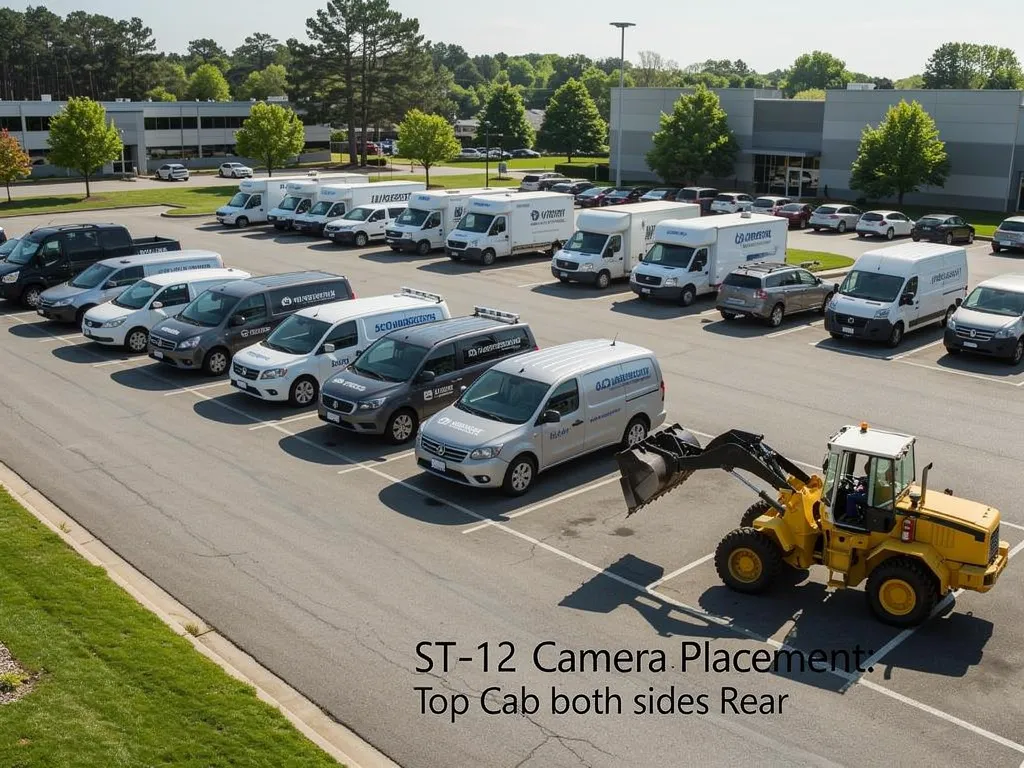
In closing, selecting the right AI dash cam requires balancing your fleet’s specific safety and operational needs with a solution provider’s proven expertise. Safety Track’s live video fleet camera systems deliver the visibility. Accountability your business demands, supporting both driver safety and operational efficiency. By partnering with an established fleet management provider, you gain not only advanced technology but also the professional support necessary to maximize your investment and achieve measurable results across your operations.
Safety Track’s support line, 888-286-9829, handles troubleshooting for coverage gaps and technical errors. Fleet managers who reach out promptly resolve issues faster than those who wait. Customers consistently describe the support team as responsive. Genuinely helpful, a factor that keeps fleet safety technology running smoothly rather than sitting idle after a rushed install.
Jeff Stoker is the CEO and founder of Safety Track, a company he established in 2002. With over two decades of leadership in fleet management solutions, Jeff has guided Safety Track from a pioneering vision to a trusted industry leader. His innovative mindset and commitment to excellence continue to drive the company’s growth and impact.