
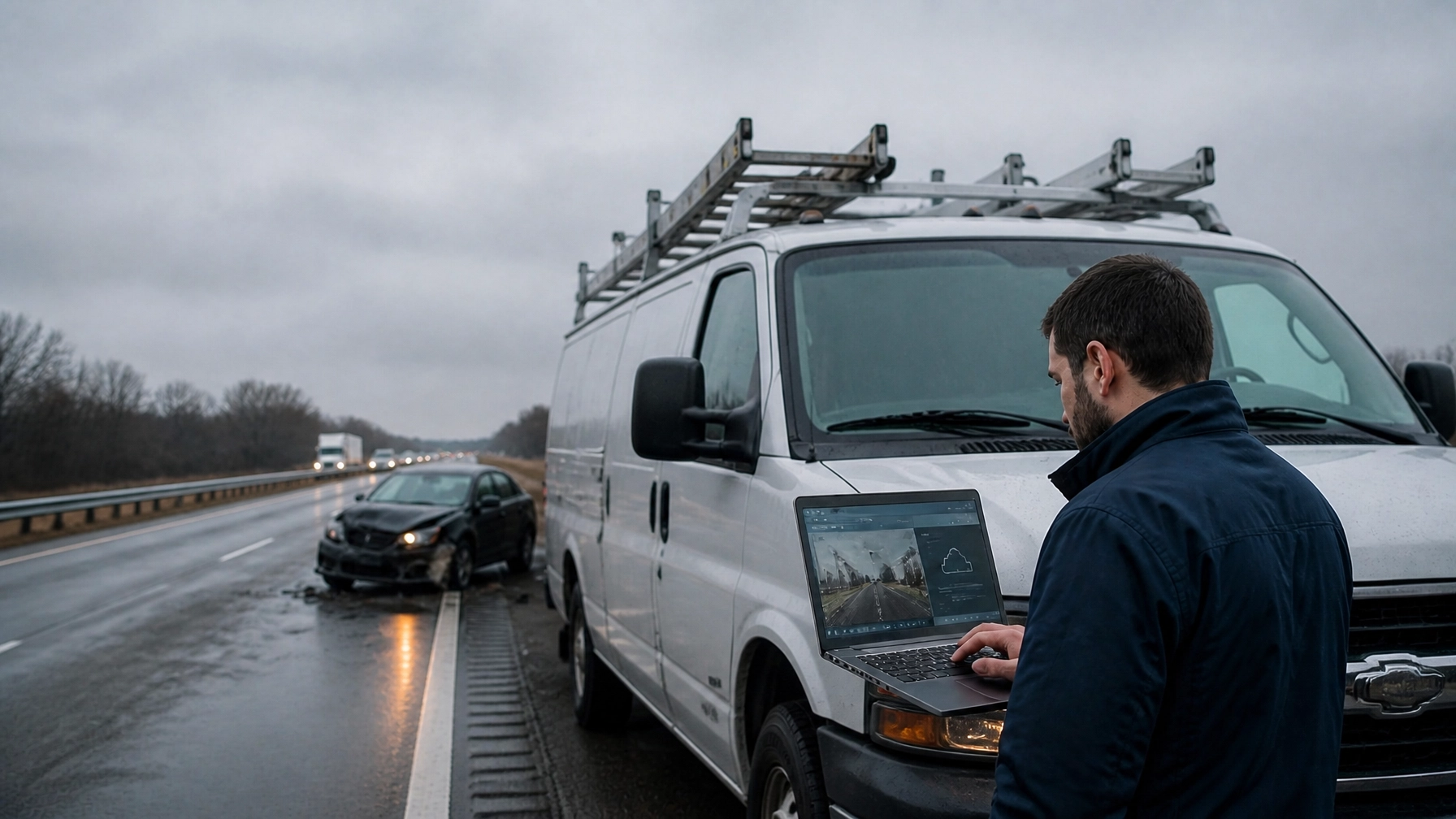
Don’t Wait on a Vendor When You Need Video Now : The Case for Instant Access
An accident, customer dispute, or insurance claim can change a fleet manager’s priorities in seconds. The first question is often simple: What actually happened?
Dash camera video can provide the answer. It can show traffic conditions, driver actions, vehicle positioning, and the moments leading up to an incident. But that evidence only helps when fleet managers can access it quickly.
Some video platforms place footage retrieval behind a vendor request. A manager may need to make a call, submit a ticket, or wait for a support team to locate and send the clip. That delay can last hours or even days: right when the business needs answers now.
With Safety Track’s self-serve video access, fleet managers stay in control of their footage. There are no calls, no tickets, and no waiting for someone else to retrieve video. Managers can access available footage directly through the platform, review the incident, and download the evidence needed for the next step.
When an Incident Happens, Every Minute Matters
A collision does not wait for a convenient business hour. Neither does a disputed delivery, a customer complaint, or a potential liability claim.
A fleet owner may need video to:
- Determine whether a driver caused or avoided an incident
- Respond to an insurance adjuster
- Challenge a false claim
- Support a driver who was not at fault
- Confirm what happened at a job site or customer location
- Review a complaint about speeding, backing, or unsafe driving
- Preserve evidence before it becomes difficult to locate
The longer a business waits for footage, the longer it operates without a clear view of the event. That uncertainty can complicate claims, delay internal decisions, and increase pressure on managers and drivers.
Instant video access changes the process. Instead of asking a vendor to search for footage, the fleet team can begin reviewing the event as soon as the video is available in the system. Faster access supports faster decisions.
Vendor Retrieval Delays Create Unnecessary Friction
A request-based video process may appear manageable during routine operations. It becomes a serious problem during a time-sensitive incident.
The typical delay can involve several steps:
- A manager identifies the vehicle and approximate time of the event.
- The manager contacts the camera provider or opens a support ticket.
- The request is reviewed by the vendor’s team.
- The vendor locates, processes, and sends the footage.
- The manager reviews the clip and may need to request additional angles or time windows.
If the first clip does not provide enough context, the process may start again. A manager may need footage from before and after the event, a driver-facing camera, a rear camera, or a longer segment of the trip.
This process takes control away from the fleet. It also places an outside party between the business and its own operational evidence.
Self-serve access removes that extra layer. Managers can search, watch, download, and share video directly. They can choose the time range and review the footage according to the needs of the incident.
Instant Access Puts Fleet Managers Back in Control
Safety Track’s video telematics solutions combine video with GPS and vehicle information to provide a more complete view of fleet activity.
Video answers what happened. Telematics data helps show where and when it happened. Together, these details give fleet managers stronger context for investigations and coaching.
With direct access, managers can take action without waiting for vendor retrieval. Depending on the system configuration and network availability, fleet teams can use the platform to:
- Locate a vehicle or event
- Review available dash camera footage
- Compare video with location and driving data
- Examine the moments before and after an incident
- Download clips for an insurer, attorney, customer, or internal record
- Share evidence with authorized stakeholders
This control matters for small and mid-size businesses in particular. Smaller fleets often have fewer administrative resources, so every delay consumes valuable management time. A self-serve platform lets the people responsible for the fleet handle video when they need it.

Video Evidence Helps Resolve Claims with Confidence
Insurance claims often depend on the quality and availability of evidence. Written statements provide important information, but video can show the event directly.
A clear clip may help establish:
- Whether the fleet vehicle was moving, stopped, or turning
- Whether another driver entered the vehicle’s path
- Whether a driver maintained a safe following distance
- Whether a backing maneuver was performed safely
- Whether road conditions contributed to the incident
- Whether a reported event matches the facts
Prompt access also improves communication. Fleet managers can provide relevant footage to an insurance adjuster instead of describing an event from memory. Claims teams can review the same evidence, which can reduce back-and-forth communication and support a more efficient resolution.
Video is not a substitute for proper claims procedures or legal advice. It is a practical record that helps the right people evaluate an incident using objective information.
Safety Track’s AI fleet safety cameras add another layer of visibility. AI-enhanced systems can identify driving behaviors and safety events, helping managers investigate incidents while also supporting proactive driver coaching.
Direct Access Supports Drivers, Too
Fleet video is not only a risk-management tool. It also protects professional drivers when they are wrongly blamed.
A driver may face a complaint after a vehicle is cut off, a customer reports unsafe driving, or a collision occurs at an intersection. Without video, the business may have to rely on conflicting accounts.
Accessible footage gives managers a way to review the event fairly. If the driver acted appropriately, the video can help demonstrate that fact. If the driver made an error, the footage can support a focused coaching conversation based on what actually occurred.
This approach builds accountability without relying on assumptions. It also shows drivers that the camera system is designed to provide protection and clarity: not simply to monitor them.
Unlimited Viewing and Downloads for $99.95 per Month
Access is most valuable when fleet teams can use it without worrying about per-clip charges or usage limits.
Safety Track’s unlimited video plan is available for $99.95 per month and includes:
- Unlimited video viewing
- Unlimited video downloads
That flat monthly cost gives fleet managers the freedom to review the footage they need, as often as needed. Managers can examine multiple camera angles, revisit an event with a driver, download clips for claims, and retain important evidence without counting each viewing session or download.
For small and mid-size fleets, predictable pricing simplifies budgeting. The business can build video access into its monthly operating costs instead of managing unexpected retrieval fees or limiting reviews to only the most serious incidents.
Unlimited access also supports more than accident response. Fleet teams can use video for driver coaching, safety meetings, customer disputes, internal investigations, and trend analysis across the operation.
Choose Fleet Camera Systems That Work on the Fleet’s Schedule
A fleet camera system should do more than record. It should give managers practical control over the information those cameras capture.
When evaluating a provider, fleet owners and managers should ask:
- Can authorized users access footage without opening a vendor request?
- Can managers review footage from a web or mobile platform?
- Can users download clips directly?
- Is video connected to GPS and vehicle data?
- Can the system support forward-facing and driver-facing views?
- Does the pricing encourage regular use?
- How long is footage retained?
- What happens when a manager needs additional footage from the same event?
These questions reveal an important difference between recording video and making video useful. A camera that captures evidence but forces the fleet to wait for access does not provide the same operational control as a self-serve system.
Safety Track’s fleet camera systems are designed to support real-time monitoring, incident review, and remote access for commercial fleets. Solutions can be tailored to the needs of logistics, construction, waste management, transportation, and service businesses.

The Right Time to Access Video Is When the Fleet Needs It
A fleet manager should not have to wait days to see footage from a vehicle operating on the company’s behalf. The value of video is highest when it can guide an immediate decision.
Self-serve access helps businesses:
- Respond to incidents faster
- Reduce unnecessary vendor communication
- Support insurance claims with clear evidence
- Protect drivers from inaccurate allegations
- Improve coaching and accountability
- Maintain better control over fleet operations
The result is a more responsive safety and claims process. Managers get the visibility they need, while drivers and business owners gain a clearer record of what happened.
At Safety Track, fleet teams can access their video directly instead of waiting for someone else to retrieve it. With unlimited viewing and unlimited downloads for $99.95 per month, businesses get a practical way to use their footage whenever the situation demands it.
Request a free fleet assessment and learn how instant, self-serve video access can give your operation greater control.

Tyler Schneider is the IT Director at Safety Track, overseeing the company’s technological infrastructure and innovations. With a strong background in information technology and systems management, Tyler ensures that Safety Track stays at the forefront of tech solutions in fleet management. His strategic expertise supports the seamless integration of technology across the company’s operations.