
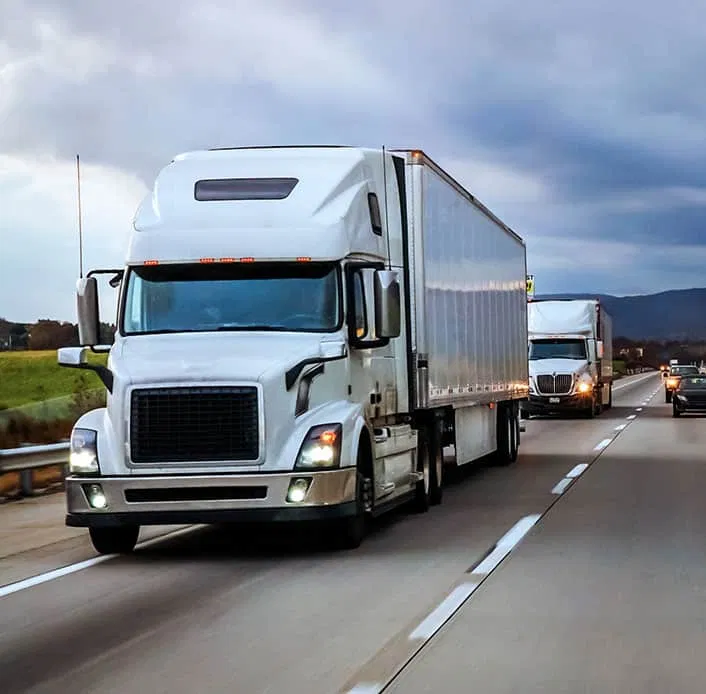
Driver Retention in 2026: Why Fleets with Cameras Keep Good Drivers
Driver turnover remains one of the most persistent operational expenses in commercial transportation. Traditional management assumptions often suggest that drivers view in-cab technology and cameras as intrusive surveillance tools that drive people away. Modern fleet managers are discovering the exact opposite. When deployed correctly, advanced video telematics solutions become powerful instruments for building trust, ensuring fairness, and retaining top-tier driving talent.
The Evolving Landscape of Driver Expectations
Today’s commercial drivers rank predictable schedules, respectful treatment, and safe equipment well above base pay alone. When carriers invest in modern, high-quality safety infrastructure, drivers notice. They interpret advanced technology not as a lack of trust, but as a corporate commitment to their physical well-being and professional protection.
Fleets struggling with high attrition rates often look toward compensation increases while ignoring the daily operational frustrations that drive operators away. Video telematics directly targets these friction points. By improving dispute resolution, streamlining communication, and providing objective performance feedback, smart fleets create an environment where drivers choose to stay.
1. Protecting Drivers from False Accusations and Liability
Accidents happen on busy highways, and commercial truck drivers are frequently blamed by default in multi-vehicle collisions. Without concrete proof, drivers face unfair insurance points, lost earnings, and immense psychological stress.
Equipping your vehicles with the best dash cam for fleet vehicles changes this dynamic instantly. High-definition road and cabin views provide undeniable proof of what actually occurred during an incident. When an outside motorist cuts off a semi-truck and causes a minor collision, video evidence exonerates the driver within hours instead of months of lengthy legal disputes. Drivers stay where they know management has their back and protects their CDL record.

2. Transforming Coaching into Positive Recognition
Old-school safety management relied on subjective complaints and reactive discipline. Drivers hated getting called into the office only when something went wrong. Modern fleets use fleet safety cameras and AI-driven coaching to shift from punishment to positive reinforcement.
- Objective feedback: Review specific driving events collaboratively rather than relying on guesswork or hearsay.
- Performance rewards: Tie clean safety scores and camera-verified driving habits to quarterly bonuses and public recognition.
- Skill enhancement: Help new drivers master smooth braking, following distance, and hazard anticipation during their critical first 90 days.
When cameras highlight exemplary driving rather than just mistakes, safety metrics improve and driver loyalty deepens significantly.

3. Creating Predictable Workflows and Fair Treatment
Driver retention relies heavily on respect, predictable home time, and transparent compensation. Video telematics and GPS data provide the operational transparency needed to eliminate unnecessary friction between dispatchers and drivers.
Managers use telematics insights to track facility wait times, eliminate chronic loading delays, and optimize route scheduling. Drivers spend less time idling in shipper yards and more time moving productive freight. Fair detention pay and accurate scheduling reduce frustration and keep daily morale consistently high.
4. Building a Culture of Trust Through Transparency
Technology alone does not solve turnover; how leadership introduces and manages technology determines long-term success. Fleet managers who involve drivers early in the rollout process see the highest acceptance rates and lowest turnover spikes.
Communicate clearly that cameras protect driver safety, clear innocent operators, and support fair performance reviews. Maintain transparent policies regarding data access, retention periods, and review triggers. When drivers understand that AI systems work for their protection rather than micromanagement, resistance disappears and advocacy takes over.

Conclusion: Securing Your Fleet’s Future
Driver retention in 2026 requires more than competitive pay; it demands modern equipment, reliable protection, and mutual respect. Deploying advanced video telematics and intelligent dash cameras demonstrates a concrete commitment to driver safety and career longevity.
At Safety Track, we help operations build custom-tailored solutions that protect assets, exonerate innocent drivers, and secure long-term team loyalty. Contact our team today to learn how our camera and telematics solutions can transform your retention strategy.

Tyler Schneider is the IT Director at Safety Track, overseeing the company’s technological infrastructure and innovations. With a strong background in information technology and systems management, Tyler ensures that Safety Track stays at the forefront of tech solutions in fleet management. His strategic expertise supports the seamless integration of technology across the company’s operations.