
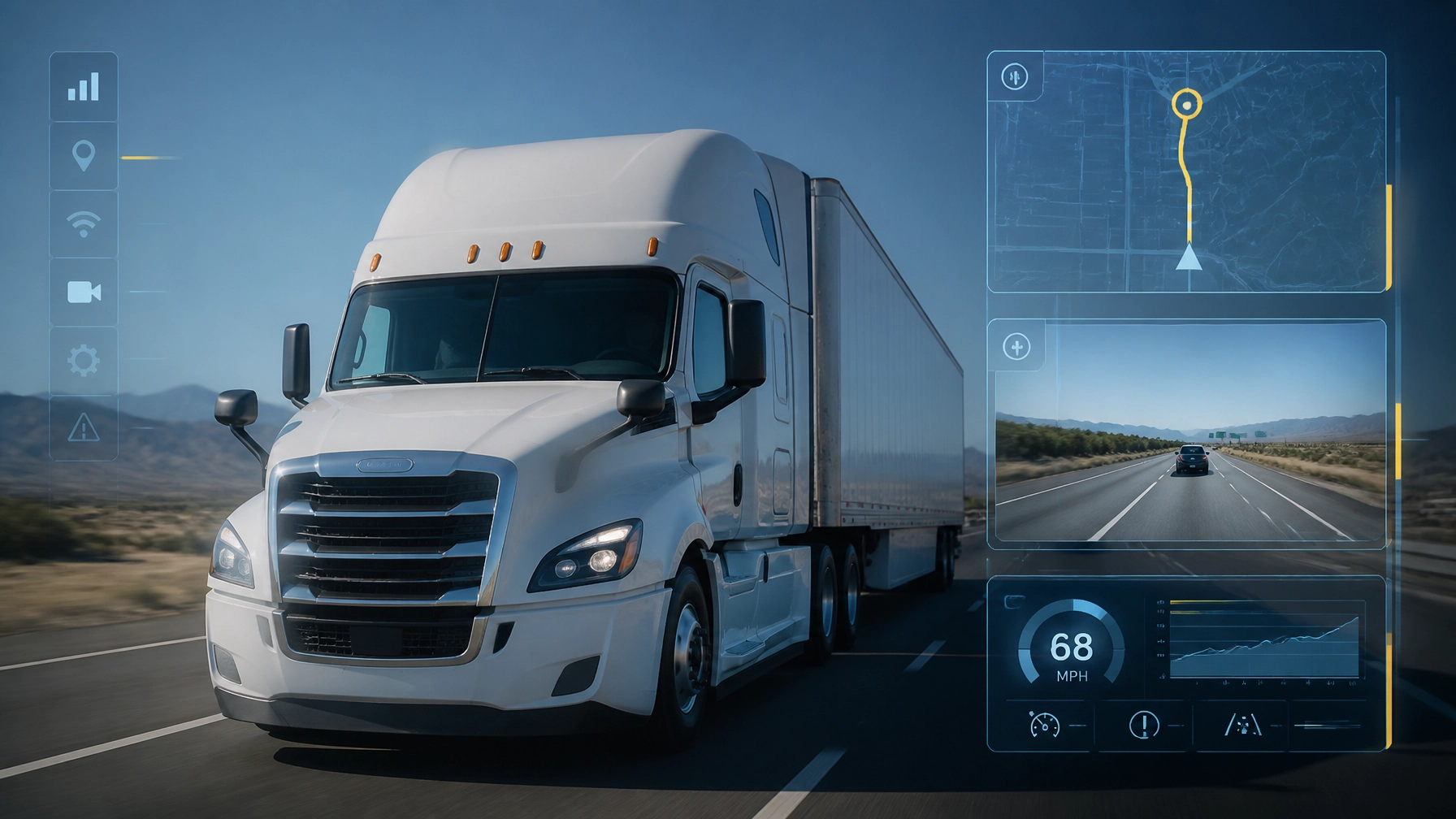
Maximizing Fleet ROI: 4 Underused GPS and Camera Features
Many fleet managers view their technology investment as a “set it and forget it” solution. You install the hardware, check the live map occasionally, and wait for a camera alert if an accident occurs. While this basic level of engagement provides a safety net, it often misses the most significant opportunities for ROI.
A modern truck camera system with gps is more than a passive recording device; it is a high-powered data hub. If you are only using your system for location tracking and accident video, you are likely leaving thousands of dollars in savings on the table. By diving deeper into existing features, you can transform your fleet from a cost center into a model of efficiency.
Here are four frequently underused features that can drastically improve your bottom line and operational safety.
1. Advanced Geofencing: Beyond Location Tracking
Most managers understand that geofencing allows them to see when a vehicle enters or leaves a specific area. However, the true power of this feature lies in its ability to automate workflows and protect assets from unauthorized use.
Protecting Your Assets
Unauthorized vehicle use is a major liability and fuel drain. By setting “After-Hours” geofences around your yard or specific depots, the system can send an immediate alert if a vehicle moves during restricted times. This is the difference between finding out a truck was stolen on Monday morning and stopping a theft in progress on Saturday night.
Automating Detention Time and Billing
One of the most underused applications of geofencing is monitoring dwell time at customer sites. If a driver is stuck at a loading dock for three hours, that is time you can often bill back to the customer: if you have the data to prove it. Advanced geofencing logs the exact entry and exit times, providing an objective record that eliminates “he-said, she-said” disputes regarding detention fees.
Actionable Tip
Set up geofences around frequent high-risk areas or “no-go” zones. If a driver enters a neighborhood known for low clearances or restricted truck routes, an instant alert allows you to intervene before a bridge strike or a heavy fine occurs.

2. Idle Time Detection: Stopping the Silent Fuel Thief
Fuel is consistently one of the largest expenses for any fleet. While route optimization helps, idling is often the primary culprit for wasted fuel. Industry data shows that a typical semi-truck can burn approximately one gallon of fuel for every hour it idles.
The Cost of a “Quick” Break
When a driver leaves the engine running while completing paperwork or taking a break, the costs compound. In a fleet of 20 trucks, just one hour of unnecessary idling per day across the fleet can result in over $15,000 in wasted fuel annually (assuming $3.00/gallon).
Correlating Camera Data with Idling
By using fleet camera systems that integrate with engine data, you can see exactly why a truck is idling. Is the driver waiting in a long queue at a specific terminal? Or is the truck parked at a truck stop for an hour with the AC running full blast? Your system can distinguish between productive idling (like power take-off use) and wasteful behavior.
Implementing Idle Alerts
You can configure your dashboard to send a notification if a vehicle idles for more than 10 or 15 minutes. This allows for immediate coaching, helping drivers understand that turning off the engine is a simple step that protects the company’s profitability.

3. Maintenance Diagnostic Integration: Preventing Breakdowns
The most expensive truck in your fleet is the one that is sitting in a repair shop unexpectedly. Traditional maintenance is reactive: you fix things when they break. However, your GPS tracking hardware often has access to the vehicle’s Engine Control Unit (ECU), providing a wealth of diagnostic information.
Real-Time Fault Code Alerts
When a “Check Engine” light appears on a driver’s dashboard, it is often ignored or forgotten. Integration features allow those same fault codes to be sent directly to your maintenance manager. By seeing the specific code (e.g., a failing oxygen sensor or a cooling system issue), you can determine if the truck needs immediate service or if it can finish its route safely.
Improving Long-Term Performance
Consistent maintenance tracking through your telematics portal helps you spot patterns. If one model of truck is consistently showing brake wear faster than others, you can adjust your procurement strategy. Furthermore, staying on top of small repairs prevents them from turning into catastrophic engine failures that can cost tens of thousands of dollars.
Actionable Tip
Sync your system with your actual maintenance schedule. Instead of relying on drivers to report mileage for oil changes, let the system trigger an automatic work order when a vehicle hits its target distance. This ensures your fleet remains in peak condition without manual tracking.

4. Driver Scorecard Data: Professional Coaching Tools
Cameras are often perceived by drivers as a “spy in the cab.” This perception is a barrier to safety culture. To turn this around, fleet managers should utilize the scorecard features that quantify performance fairly and objectively.
Moving Beyond Negative Reinforcement
If you only talk to your drivers when the camera catches a mistake, you create a culture of resentment. Driver scorecards allow you to see the “big picture.” A scorecard aggregates data on speeding, harsh braking, rapid acceleration, and idle time to give each driver a numerical safety score.
Gamification and Incentives
Forward-thinking fleets use these scorecards to create friendly competition. By posting the “Top 5 Safest Drivers” each month and offering small rewards or bonuses, you turn safety into a goal rather than a requirement. This positive reinforcement encourages drivers to monitor their own behavior via the driver app, leading to long-term habits that reduce accidents by up to 40%.
Data-Driven One-on-Ones
When it is time for a performance review, you don’t have to rely on memory or anecdotes. You can pull up the driver’s scorecard and say, “Your safety score improved by 15% this quarter, but your idling time is still higher than the fleet average. Let’s look at how we can fix that.” This makes the conversation objective and professional.

Conclusion: Maximizing Your Investment
At Safety Track, we specialize in providing Complete Fleet Management Solutions that do more than just record video. Our AI-enhanced systems are designed to provide the actionable data you need to reduce costs and improve performance.
If you are already a customer but feel you aren’t getting the most out of these features, now is the time to dive back into your dashboard. Small adjustments to your geofencing, idle alerts, and maintenance tracking can lead to massive gains in efficiency.
By shifting from a reactive approach to a proactive, data-driven strategy, you protect your drivers, your cargo, and your company’s future.

Tyler Schneider is the IT Director at Safety Track, overseeing the company’s technological infrastructure and innovations. With a strong background in information technology and systems management, Tyler ensures that Safety Track stays at the forefront of tech solutions in fleet management. His strategic expertise supports the seamless integration of technology across the company’s operations.