
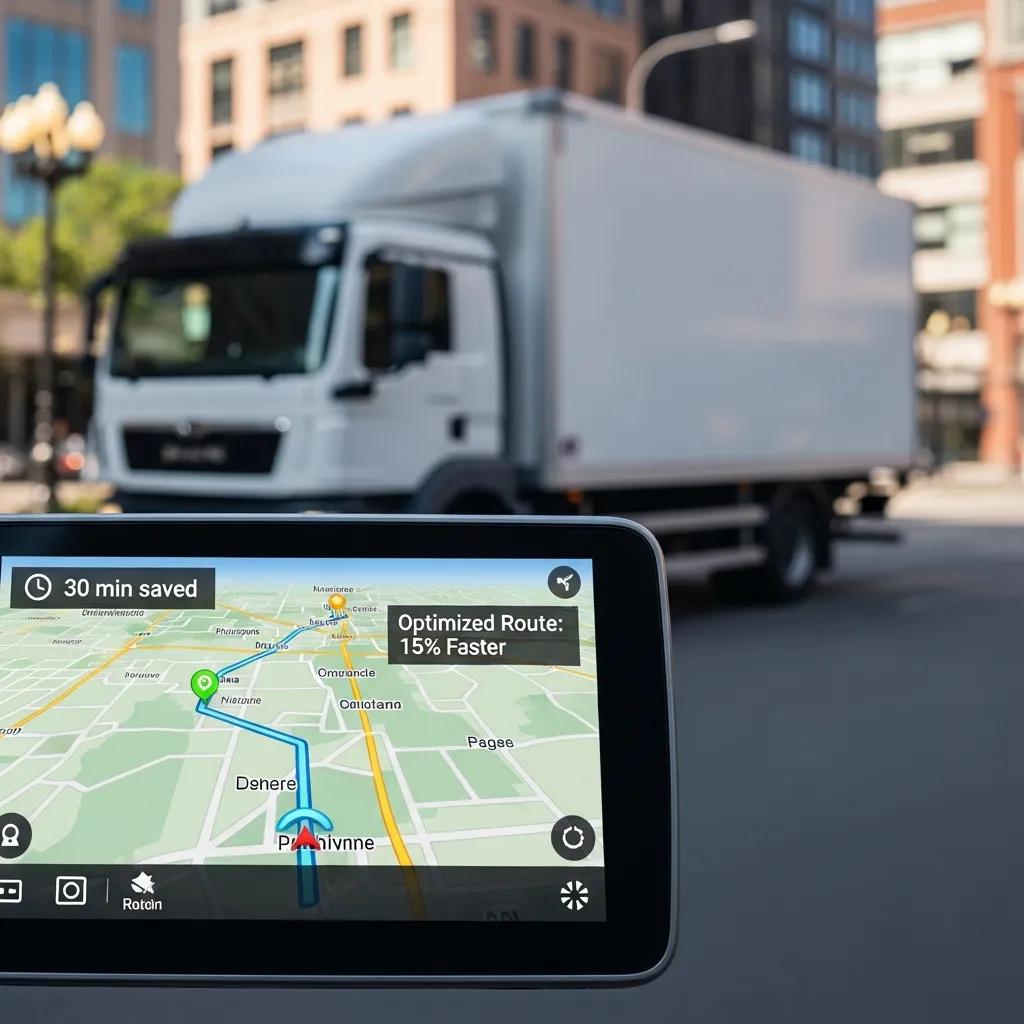
Real-Time Monitoring Cameras Enhance Logistics Efficiency
In the fast-paced world of logistics, real-time monitoring cameras have emerged as a pivotal technology, enhancing operational efficiency and security. These advanced systems provide continuous visibility into supply chain processes, enabling businesses to address challenges such as theft, inefficiencies, and compliance issues. This article explores how real-time monitoring cameras improve logistics efficiency, the key benefits of logistics video surveillance systems, and the transformative role of AI video analytics in monitoring. Additionally, we will discuss the various types of cameras suitable for logistics applications, integration into supply chain monitoring, best practices for implementation, emerging trends, and common questions logistics professionals have about these systems.
How Do Real-Time Monitoring Cameras Improve Logistics Efficiency?
Real-time monitoring cameras significantly enhance logistics efficiency by providing continuous visibility into operations. These systems allow for immediate detection of issues, enabling swift responses to potential problems. By addressing operational challenges such as theft, inefficiencies in tracking, and compliance issues, these cameras play a crucial role in optimizing supply chain processes.
What Operational Challenges Do Real-Time Cameras Address in Logistics?
Real-time monitoring cameras tackle several operational challenges in logistics, including:
- Theft and Loss Prevention: By providing constant surveillance, these cameras deter theft and help recover stolen goods.
- Inefficiencies in Tracking: Cameras enable improved tracking of shipments, reducing delays and improving delivery times.
- Compliance Issues: They assist in maintaining compliance with industry regulations by documenting processes and ensuring adherence to safety standards.
These capabilities not only enhance security but also streamline operations, leading to improved overall efficiency.
Beyond traditional security measures, emerging technologies like blockchain are being explored to further fortify the integrity and access control of video data in logistics.
Blockchain for Secure Logistics Video Monitoring
With the rapid development of the logistics industry and the continuous growth of e-commerce, effectively monitoring logistics warehouses has become increasingly important to ensure the security of goods and oversee activities within storage facilities. Although current surveillance systems provide a certain level of security for logistics warehouses, they still face issues such as data tampering, storage, and access management. To address these challenges, this paper proposes the implementation of blockchain-based security management and access control of video data in logistics warehouses.
How Does Real-Time Visibility Optimize Supply Chain Processes?
Real-time visibility is essential for optimizing supply chain processes. With the integration of monitoring cameras, businesses can achieve:
- Improved Tracking of Shipments: Continuous monitoring allows for more accurate tracking of goods, supporting timely deliveries.
- Enhanced Decision-Making: Access to real-time data enables logistics managers to make informed decisions quickly.
- Reduction in Delays: By identifying issues as they arise, companies can address problems before they escalate, minimizing disruptions.
This proactive approach to logistics management ultimately leads to a more efficient supply chain.
What Are the Key Benefits of Logistics Video Surveillance Systems?
Logistics video surveillance systems offer numerous benefits that contribute to enhanced operational efficiency and security. These advantages include improved security, cost reduction, and operational efficiency.
How Do Surveillance Cameras Enhance Warehouse Security and Loss Prevention?
Surveillance cameras play a vital role in enhancing warehouse security and loss prevention by:
- Reduction in Theft Incidents: The presence of cameras deters potential thieves and helps in the recovery of stolen items.
- Improved Employee Safety: Monitoring helps ensure that safety protocols are followed, reducing workplace accidents.
- Real-Time Alerts: Advanced systems can send alerts for suspicious activities, allowing for immediate action.
These security measures not only protect assets but also foster a safer working environment.
In What Ways Do Real-Time Cameras Reduce Logistics Costs and Improve ROI?
Implementing real-time cameras can lead to significant cost savings and improved return on investment (ROI) through:
- Cost Savings from Reduced Theft: By preventing theft, companies save on losses that would otherwise impact their bottom line.
- Efficiency Gains Leading to Lower Operational Costs: Streamlined operations reduce labor costs and improve resource allocation.
- Long-Term ROI Analysis: The initial investment in surveillance technology is often outweighed by the long-term savings and efficiency improvements.
These financial benefits make real-time monitoring cameras a valuable investment for logistics companies.
How Does AI Video Analytics Transform Logistics Monitoring?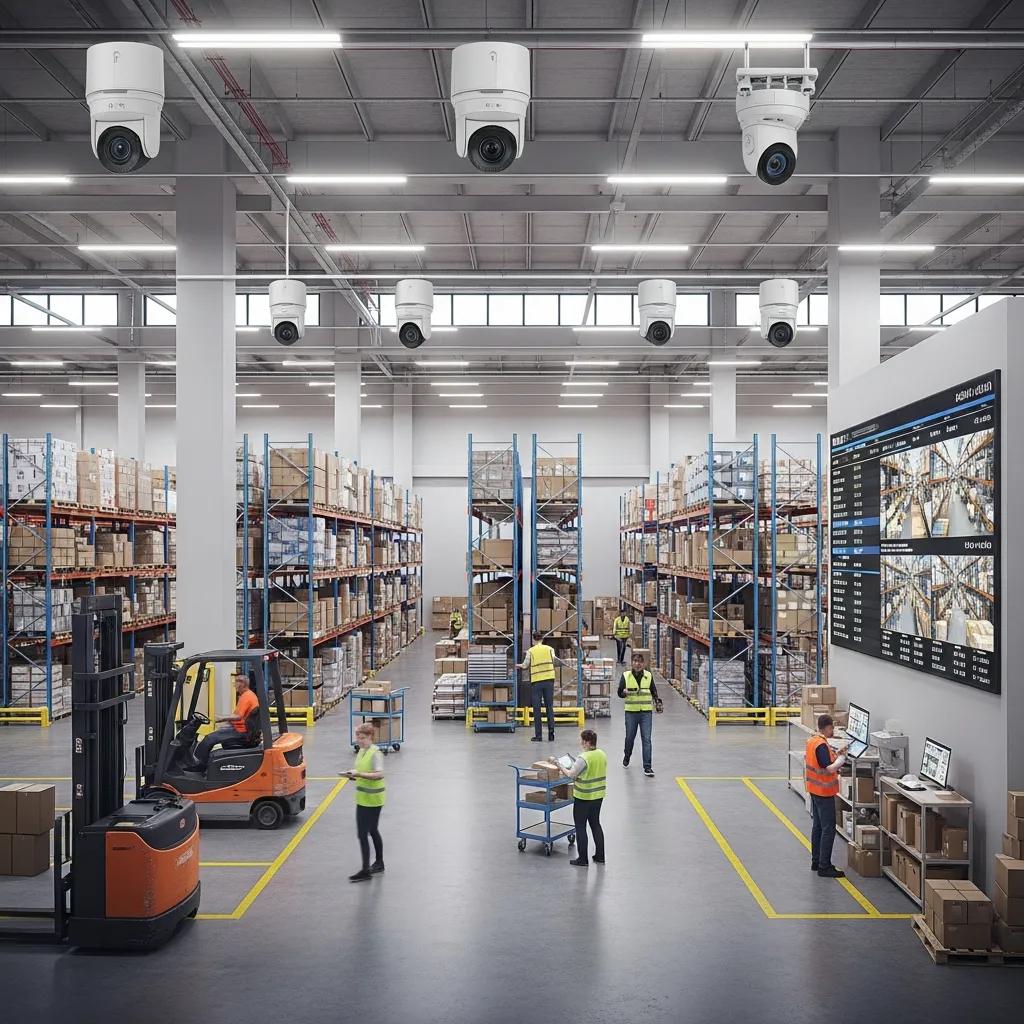
AI video analytics revolutionizes logistics monitoring by providing advanced capabilities that enhance operational efficiency. These technologies enable smarter freight and inventory tracking, as well as data-driven decision-making.
The integration of AI and IoT is particularly transformative, offering sophisticated analytics that significantly enhance inventory management and overall supply chain efficiency.
AI & IoT for Real-Time Supply Chain Monitoring & Efficiency
Additionally, AI- driven analytics enhance inventory management, reducing the likelihood of stockouts and improving order fulfillment accuracy. This integration streamlines operations, automating tasks like inventory management, order processing, and shipping. This leads to significant cost savings and improved efficiency across the supply chain.
What AI Features Enable Smarter Freight and Inventory Tracking?
AI features in video analytics facilitate smarter tracking through:
- Object Detection: AI algorithms can identify and track specific items, improving inventory management.
- Automated Alerts: Systems can automatically notify managers of anomalies or issues, allowing for quick responses.
- Integration with Inventory Systems: AI can seamlessly connect with existing inventory management systems, enhancing overall efficiency.
These features significantly improve the accuracy and reliability of logistics operations.
How Does AI-Powered Analytics Support Data-Driven Decision Making in Logistics?
AI-powered analytics support data-driven decision-making by:
- Real-Time Data Analysis: Continuous monitoring provides up-to-date information for informed decision-making.
- Predictive Analytics: AI can analyze trends and predict future outcomes, helping managers plan effectively.
- Improved Operational Strategies: Data insights enable the development of strategies that enhance efficiency and reduce costs.
This analytical approach empowers logistics professionals to make strategic decisions that drive success.
Which Types of Real-Time Monitoring Cameras Are Best for Logistics Applications?
Selecting the right type of real-time monitoring camera is crucial for logistics applications. Various camera types offer distinct advantages tailored to specific needs.
What Are the Advantages of IP, Thermal, and PTZ Cameras in Warehousing?
Different camera types provide unique benefits:
- IP Cameras: These offer high-resolution images and can be easily integrated into existing networks, providing flexibility and scalability.
- Thermal Cameras: Ideal for low-light or no-light conditions, thermal cameras detect heat signatures, making them effective for security and monitoring.
- PTZ Cameras: Pan-tilt-zoom cameras allow for remote control and can cover large areas, providing comprehensive surveillance.
Choosing the right camera type enhances monitoring capabilities and operational efficiency.
How Do Mobile Surveillance Units and Cloud-Based Systems Enhance Flexibility?
Mobile surveillance units and cloud-based systems offer enhanced flexibility by:
- Mobile Unit Applications: These units can be deployed in various locations, providing surveillance where needed most.
- Cloud System Benefits: Cloud-based systems allow for remote access to footage and data, facilitating real-time monitoring from anywhere.
- Scalability of Solutions: Businesses can easily scale their surveillance systems as operations grow, ensuring continued effectiveness.
This flexibility is essential for adapting to the dynamic nature of logistics operations.
Which Real-Time Monitoring Cameras Best Suit Logistics Applications?
Integrating real-time freight tracking cameras into supply chain monitoring involves leveraging various technologies to enhance visibility and compliance.
Indeed, the transport sector is actively integrating advanced information and communication technologies, including video surveillance with RFID, to achieve secure tracking and tracing of goods.
Video Surveillance for Logistics Tracking & Security
The transport sector has certainly witnessed the latest developments in information and communication technologies (ICT). In this context the objective of the CPILOS project is to develop a technological platform, based on IT infrastructures and services, that can support critical processes, like secure tracking and tracing of goods, using video surveillance facilities with radio-frequency identification (RFID) support.
Stock control through video surveillance in logistics, 2013
What Technologies Support Seamless Integration with WMS and TMS?
Technologies that support seamless integration include:
- Warehouse Management Systems (WMS): These systems manage inventory and logistics operations, ensuring efficient workflows.
- Transportation Management Systems (TMS): TMS facilitate the planning and execution of transportation, optimizing routes and reducing costs.
- Integration Challenges: Addressing potential challenges in integrating these systems is crucial for maximizing efficiency.
Effective integration of these technologies enhances overall supply chain visibility.
How Do Cameras Enable Traceability and Compliance in Freight Movement?
Cameras play a vital role in ensuring traceability and compliance by:
- Traceability Benefits: Continuous monitoring allows for accurate tracking of goods throughout the supply chain.
- Compliance with Regulations: Cameras help document processes, ensuring adherence to industry regulations and standards.
- Real-Time Monitoring Advantages: Immediate access to footage supports compliance audits and investigations.
These capabilities are essential for maintaining operational integrity and regulatory compliance.
What Are Best Practices for Implementing Real-Time Logistics Monitoring Systems?
Implementing real-time logistics monitoring systems requires careful planning and execution to maximize effectiveness.
How to Choose the Right Camera System for Your Logistics Needs?
Choosing the right camera system involves:
- Assessing Logistics Needs: Understanding specific operational requirements is crucial for selecting appropriate technology.
- Evaluating Camera Features: Consider features such as resolution, connectivity, and integration capabilities.
- Cost Considerations: Budget constraints should be balanced with the need for effective monitoring solutions.
A thorough evaluation ensures that the selected system meets operational demands.
What Are Key Considerations for Deployment, Maintenance, and Optimization?
Key considerations for deployment and maintenance include:
- Deployment Strategies: Develop a clear plan for camera placement and integration into existing systems.
- Maintenance Schedules: Regular maintenance is essential for ensuring optimal performance and longevity of equipment.
- Optimization Techniques: Continuously assess and optimize the system to adapt to changing operational needs.
These practices contribute to the long-term success of monitoring systems.
What Are Emerging Trends and Innovations in Logistics Monitoring Cameras?
The logistics industry is witnessing emerging trends and innovations that enhance monitoring capabilities and operational efficiency.
How Are Drones and Robotics Integrating with Real-Time Camera Systems?
Drones and robotics are increasingly integrated with real-time camera systems to:
- Drone Applications: Drones can provide aerial surveillance and monitoring of large areas, enhancing security and efficiency.
- Robotics in Logistics: Automated systems can work alongside cameras to streamline operations and improve accuracy.
- Benefits of Integration: This integration enhances overall monitoring capabilities and operational efficiency.
These innovations represent the future of logistics monitoring.
What Is the Impact of Cloud Surveillance and AI Alerts on Multi-Site Management?
Cloud surveillance and AI alerts significantly impact multi-site management by:
- Cloud Surveillance Advantages: Remote access to surveillance footage allows for centralized monitoring of multiple locations.
- AI Alert Systems: Automated alerts for suspicious activities enable quick responses across sites.
- Multi-Site Management Efficiency: These technologies streamline operations and enhance security across various locations.
The integration of these technologies is transforming how logistics companies manage their operations.
What Common Questions Do Logistics Professionals Have About Real-Time Monitoring?
Logistics professionals often have questions regarding the implementation and benefits of real-time monitoring systems.
How Do Real-Time Cameras Improve Employee Safety and Compliance?
Real-time cameras enhance employee safety and compliance by:
- Safety Improvements: Continuous monitoring helps ensure adherence to safety protocols, reducing workplace accidents.
- Compliance with Regulations: Cameras help document compliance with industry standards, providing evidence during audits.
- Real-Time Monitoring Benefits: Immediate access to footage supports investigations and enhances accountability.
These factors contribute to a safer and more compliant working environment.
What Are the Challenges and Solutions for Implementing Video Surveillance in Logistics?
Common challenges in implementing video surveillance include:
- Technical Challenges: Integrating new systems with existing infrastructure can be complex.
- Cost Considerations: Budget constraints may limit the scope of implementation.
- User Training Needs: Ensuring staff are trained to use the systems effectively is crucial for success.
Addressing these challenges through careful planning and training can lead to successful implementation.

Hannah Lang is a Social Media Marketing Specialist at Safety Track. She has her bachelor’s degree in Advertising and Public Relations from Grand Valley State University. With her passion for research, Hannah possesses a wealth of knowledge expanding across multiple industries and disciplines. Her efforts won her a Scholastic Art and Writing regional Gold Key award.