
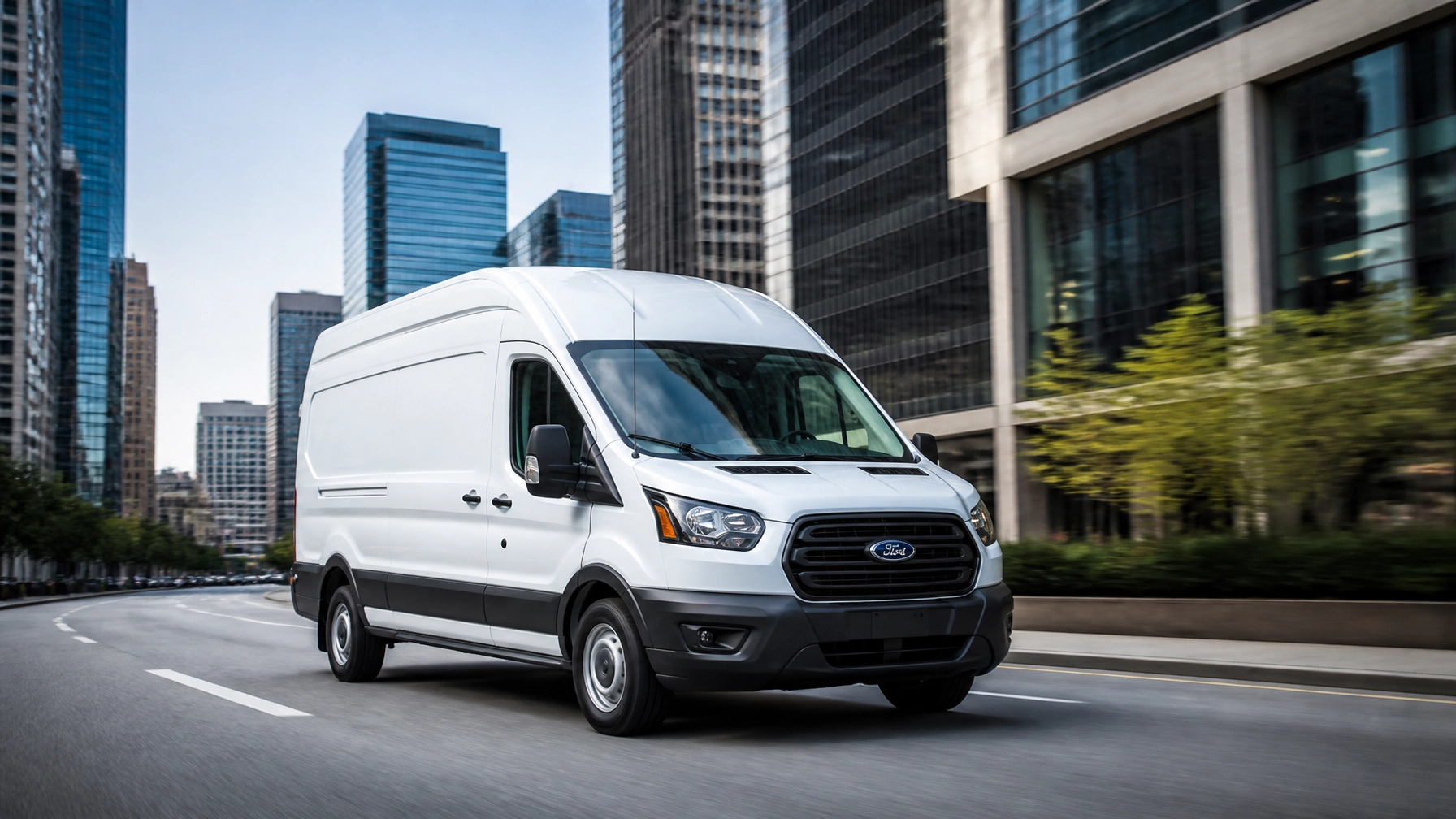
Optimizing Local Delivery: Telematics and AI Dash Cams for Fleets
The final mile of delivery is often the most complex and dangerous segment of the entire supply chain. In 2026, the pressure on local delivery fleets is higher than ever. With the rise of e-commerce and “instant” delivery expectations, drivers are navigating dense urban traffic, narrow residential streets, and crowded loading zones at an unprecedented pace. For fleet managers, this means safety is no longer just a checkbox: it is the foundation of operational success and brand reputation.
Operating a local fleet requires a different approach than long-haul trucking. While over-the-road drivers deal with highway fatigue and long-distance lane discipline, local delivery drivers face hundreds of unique hazards every hour. Pedestrians, cyclists, tight backing maneuvers, and constant stop-and-go movements create a high-risk environment where even a minor distraction can lead to a significant incident.
To thrive in this environment, companies are turning to integrated technology. From advanced GPS tracking to AI-enhanced cameras, telematics is the key to transforming local delivery from a liability-heavy operation into a streamlined, safety-first enterprise.
The Unique Hazards of Local and Last-Mile Delivery
Local delivery fleets operate in what safety experts call a “dynamic hazard environment.” Unlike the predictable flow of an interstate highway, city streets and suburban neighborhoods are filled with variables that change by the second.
Urban Density and Vulnerable Road Users
In local delivery, vehicles are constantly interacting with pedestrians and cyclists. The “last mile” often takes a heavy van or box truck through school zones and busy crosswalks. Studies show that a significant portion of urban accidents involve “vulnerable road users.” For a fleet manager, the risk isn’t just a vehicle-to-vehicle collision; it’s the high-stakes liability of an accident involving a person on foot or a bike.
The “Backing” Challenge
Nearly 30% of commercial vehicle accidents occur when the vehicle is in reverse. In the local delivery world, backing up is a constant necessity. Whether it’s navigating a narrow alleyway to reach a loading dock or backing out of a residential driveway, the risk of hitting a stationary object: or worse, a person in a blind spot: is immense.

Frequent Mode-Switching
Local delivery drivers aren’t just driving; they are also couriers. They constantly switch between driving, navigating, and physically handling cargo. This “mode-switching” leads to a phenomenon known as cognitive load. A driver might still be thinking about the difficult delivery they just completed while pulling back into traffic, leading to a split second of inattention.
Why Video Telematics are Non-Negotiable for Local Fleets
In the past, fleet managers relied on “lagging indicators”: essentially waiting for an accident to happen and then looking at the data. Today, video telematics solutions have shifted the focus to leading indicators. By seeing what is happening in the cab and on the road in real time, managers can intervene before a crash occurs.
When looking for the best dash cam for fleet vehicles, local delivery companies must prioritize systems that offer more than just a recording. They need a system that provides context. A “hard braking” alert on its own doesn’t tell you much. Did the driver brake hard because they were looking at their phone, or because a child ran into the street? Video provides the answer.
At Safety Track, our AI-enhanced camera solutions are designed to provide this exact context. By integrating video with GPS data, fleet managers can see exactly where, when, and why an event occurred. This level of visibility is the difference between a successful insurance exoneration and a multi-million dollar settlement.
AI Dash Cams: The Virtual Co-Pilot
The modern dash cam for commercial trucks has evolved far beyond a simple “witness” on the windshield. Today’s AI-powered systems act as a proactive safety partner for the driver.
Distraction Detection
Distraction is the leading cause of accidents in the local delivery sector. Whether it’s a driver checking their handheld device for delivery instructions or reaching for a snack, AI cameras can detect these behaviors instantly. The system can provide an in-cab alert, nudging the driver to refocus on the road before a near-miss turns into a collision.
Fatigue and Habit Monitoring
Local delivery can be exhausting. Long shifts with hundreds of stops take a toll. AI systems can monitor for signs of fatigue, such as frequent yawning or “microsleep” eye patterns. Beyond fatigue, these systems also help identify patterns like seatbelt non-compliance or frequent tailgating.

Real-Time Live Streaming
For dispatchers, the ability to view a live stream of a vehicle’s surroundings is invaluable. If a driver reports a difficult delivery site or a mechanical issue, the manager can see exactly what the driver sees. This real-time monitoring improves communication and ensures that drivers never feel like they are on their own in a difficult situation.
Optimizing the Route for Safety and Efficiency
Safety and efficiency are often viewed as opposing goals, but in local delivery, they are two sides of the same coin. A safer route is almost always a more efficient route.
Reducing Exposure
Every minute a vehicle is on the road, it is “exposed” to risk. By using advanced GPS truck tracking devices, fleets can optimize their routes to reduce unnecessary mileage. If a fleet can reduce its total miles driven by 10% through better routing, it theoretically reduces its accident exposure by the same margin.
Avoiding High-Risk Zones
Modern telematics allows managers to identify high-risk areas: such as intersections with high accident rates or streets that are too narrow for certain vehicle classes: and route their drivers around them. This level of precision is only possible when you have a custom-tailored fleet management solution that understands the specific dimensions and requirements of your local delivery vehicles.
The Financial Impact: Insurance, Fuel, and Uptime
Investing in a high-quality telematics system isn’t just about safety; it’s a critical financial decision. The ROI of these systems is measurable across several key areas:
- Lower Insurance Costs: Insurance providers are increasingly rewarding fleets that use video telematics solutions. With video evidence to exonerate drivers in “no-fault” accidents, fleets can reduce their insurance costs by up to 25%.
- Fuel Savings: Better routing and reduced idling contribute to significant fuel savings. Safety Track customers typically see up to 30% fuel savings through behavior monitoring and route optimization.
- Reducing Nuclear Verdicts: In the current legal climate, “nuclear verdicts” against fleets are on the rise. Having high-definition video evidence is your best defense against false claims and aggressive litigation.
- Maintenance and Uptime: In local delivery, a single breakdown can ruin an entire day’s route. Telematics systems track vehicle diagnostics in real time, alerting managers to engine issues or braking problems before they cause a roadside failure.

Building a Culture of Protection
One of the biggest hurdles in implementing telematics is driver pushback. Many drivers initially view cameras and GPS as “spying.” However, the most successful local delivery fleets reframe this technology as a tool for protection and coaching.
From Surveillance to Support
The narrative shifts when a driver is exonerated by video evidence after an accident they didn’t cause. As Pedro Alves, a Fleet Manager at ELM, notes: “It’s priceless to see a driver’s relief when the camera is able to protect them from wrongdoing.” When drivers realize the system is there to have their back, they become the biggest advocates for the technology.
Data-Driven Coaching
Instead of broad safety meetings that might not apply to everyone, managers can use data from AI dash cameras to provide targeted, one-on-one coaching. If the data shows a specific driver has a habit of harsh cornering, the manager can address that specific behavior with video examples, making the training much more effective.
Accountability and Trust
For local service businesses like Weedman or Northwest Sweeping, the ability to prove that a vehicle was at a specific location at a specific time builds immense trust with clients. It provides a level of transparency that sets these businesses apart from their competitors.
Conclusion: Partnering for Last-Mile Success
Local delivery is a high-speed, high-stakes game. To win, you need more than just good drivers; you need a system that supports them at every turn. From the moment they pull out of the lot to the final package drop-off, telematics and AI dash cams provide the visibility and protection needed to ensure every mile is a safe one.
At Safety Track, we understand that one solution doesn’t fit everyone. Whether you are managing a fleet of local delivery vans, landscaping trucks, or street sweepers, our Complete Fleet Management Solutions are custom-tailored to your specific operations.
Ready to reduce accidents by 40% and lower your insurance costs by 25%? Our team is here to help you go securely and grow safely.


Tyler Schneider is the IT Director at Safety Track, overseeing the company’s technological infrastructure and innovations. With a strong background in information technology and systems management, Tyler ensures that Safety Track stays at the forefront of tech solutions in fleet management. His strategic expertise supports the seamless integration of technology across the company’s operations.