
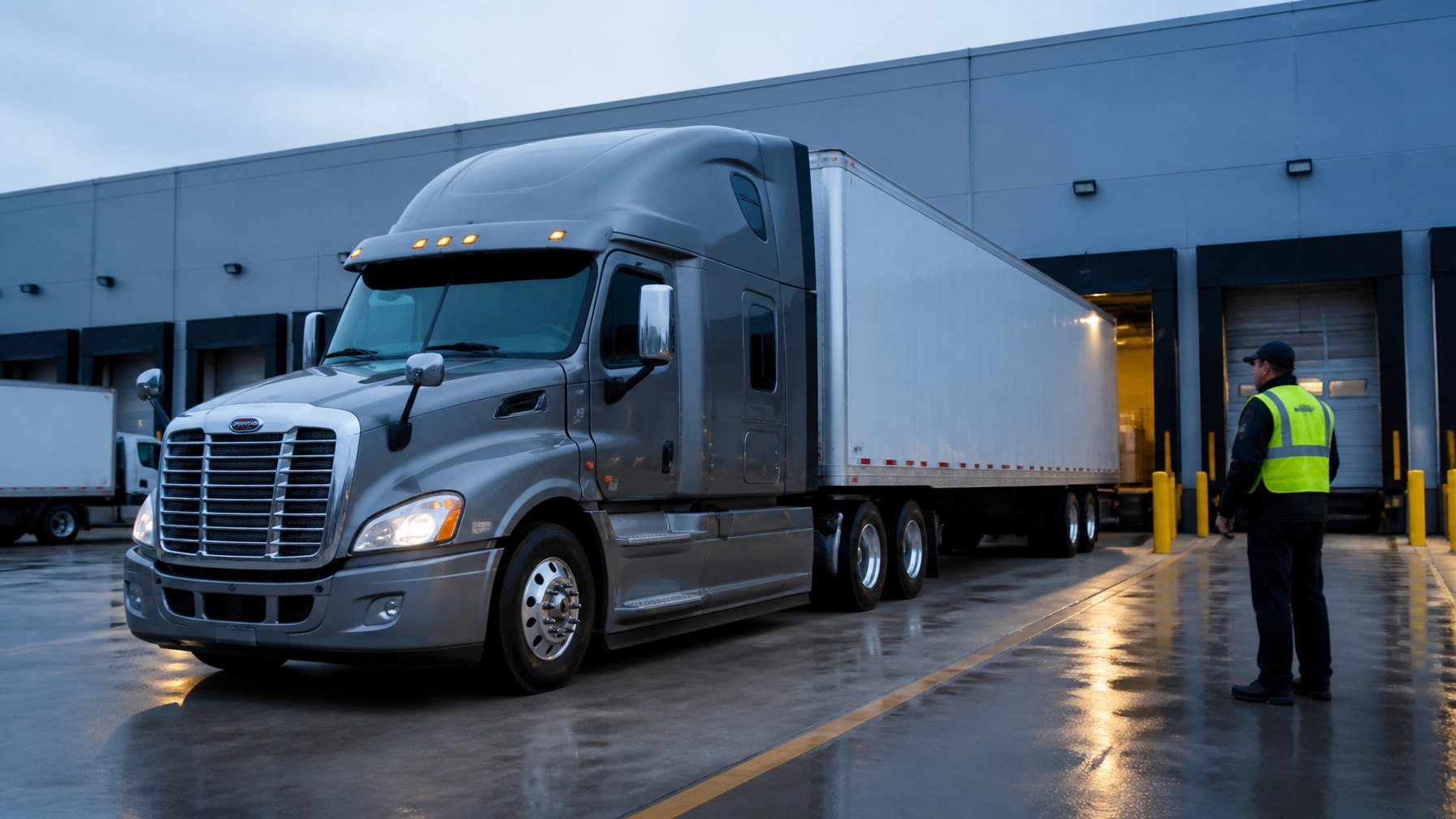
The High Cost of Low-Speed: Why Backing Accidents Drain Profits
Fleet managers often focus their safety budgets on high-speed highway collisions, hazardous weather driving, and long-haul fatigue. Yet, up to 25% of all commercial vehicle accidents happen at speeds under 10 miles per hour. These low-speed incidents: primarily backing, parking, and tight maneuvering collisions: drain operating budgets quietly and consistently.
When a delivery van scrapes a loading dock or a semi-truck clips a passenger car in a tight customer lot, the financial damage extends far beyond a simple body shop invoice. Fleet operators face hidden expenses, vehicle downtime, administrative overhead, and surging insurance premiums. Understanding why these incidents occur is only the first step. Protecting your bottom line requires modern technology, including a reliable commercial dash cam system and advanced rear-facing camera solutions.
The Hidden Anatomy of Low-Speed and Backing Claims
At first glance, a parking lot scratch or a low-speed backing bump appears minor. Fleet owners often dismiss these events as the unavoidable cost of doing business in congested urban areas and tight industrial yards. However, the true economic impact tells a different story.
Industry data shows that even a minor backing claim frequently exceeds $5,000 in total costs once indirect expenses are calculated. When you multiply that figure across a dozen minor incidents per year, your fleet is leaking tens of thousands of dollars in pure profit.
Several factors drive up the cost of low-speed incidents:
- Vehicle Downtime: While a truck sits in the repair shop for bumper or taillight replacement, it generates zero revenue while fixed costs remain constant.
- Administrative Burden: Processing insurance claims, coordinating repairs, and managing accident reports consume valuable hours from fleet managers and safety directors.
- Liability Battles: Without concrete video evidence, determining fault in crowded parking lots or shared loading docks often results in 50/50 liability splits, driving up insurance payouts.
Eliminating Blind Spots with Advanced Video Telematics
Traditional mirrors and factory-installed sensors are no longer enough to protect modern commercial fleets. Larger box trucks, utility vehicles, and semi-trucks have massive blind spots directly behind the vehicle and along the rear corners. When drivers rely solely on mirrors while reversing into tight delivery bays, the margin for error is razor-thin.

Integrating a specialized dual dash cam for fleets solves this visibility challenge instantly. By combining forward-facing road views with rear-facing and cabin-monitoring lenses, managers gain complete visibility around the vehicle.
Modern fleet camera systems provide live video streaming and instant g-force alerts when an impact occurs. If a driver begins reversing too quickly or approaches an unseen obstacle, intelligent alerts notify them immediately. This proactive warning window gives drivers the extra second needed to stop before contact occurs.
The Power of Instant Exoneration and Lower Insurance Costs
One of the greatest frustrations for fleet operators is absorbing liability for accidents caused by other motorists in parking lots. Motorists frequently back out blindly, roll into commercial trucks at traffic lights, or attempt fraudulent staged claims against large commercial vehicles.
Without video evidence, insurance adjusters often default to assigning shared fault to the commercial vehicle simply due to its size. This practice inflates your loss run history and drives up annual insurance premiums.
+-----------------------------------------------------------------+
|               The Safety Track Advantage                        |
|  • Up to 40% fewer accidents through proactive alerts           |
|  • 25% lower insurance costs via undeniable video proof         |
|  • Up to 30% fuel savings through optimized routes & monitoring |
+-----------------------------------------------------------------+
Equipping your vehicles with a high-definition commercial dash cam system changes the equation entirely. Crystal-clear video footage captures the exact sequence of events during a backing or low-speed maneuver. When a third party causes an incident, your team can present undeniable proof to insurers within minutes.
This capability accelerates claim settlements, protects your drivers from unfair citations, and preserves your favorable safety rating. Many commercial insurers offer premium discounts of up to 25% when fleets implement comprehensive video telematics and AI safety solutions.
Proactive Driver Coaching and Accountability
Technology alone cannot eliminate backing accidents: driver behavior and spatial awareness play a critical role. Fleet managers need actionable data to identify recurring habits before they lead to collisions.

Advanced fleet management solutions record driving practices and highlight risky reversing maneuvers across your entire roster. Instead of relying on guesswork during annual performance reviews, safety directors can use actual event footage to coach drivers on best practices.
- Review Mirror Usage: Ensure drivers utilize both side mirrors and camera displays effectively before initiating a reverse maneuver.
- Spotter Protocol Enforcement: Train drivers to request ground spotters when navigating extremely congested or high-pedestrian work sites.
- Speed Control in Yards: Monitor low-speed acceleration in yards and depots to ensure drivers maintain complete control at all times.
When drivers know their vehicles are monitored by intelligent camera systems, daily accountability increases naturally. Rushed parking jobs and careless reversing habits decrease significantly across the board.
Transforming Safety Across Your Entire Fleet Operation
Backing accidents are entirely preventable. By replacing outdated mirrors and guesswork with modern technology, fleet managers can transform liability risks into operational advantages.

Whether you operate five delivery vans or fifty heavy-duty trucks, investing in robust live video fleet cameras pays for itself quickly. Preventing just one major insurance payout or eliminating several minor parking lot claims covers the cost of camera deployment for years.
Ready to eliminate blind spots and protect your operating budget? Explore our advanced AI fleet monitoring solutions and discover how our custom-tailored hardware keeps your vehicles secure on every journey. Visit our in-vehicle cameras page to find the right configuration for your commercial vehicles today.

Tyler Schneider is the IT Director at Safety Track, overseeing the company’s technological infrastructure and innovations. With a strong background in information technology and systems management, Tyler ensures that Safety Track stays at the forefront of tech solutions in fleet management. His strategic expertise supports the seamless integration of technology across the company’s operations.