
Reducing Broker Liability: How Dash Cams Help You Win More Freight
The logistics industry is currently navigating a significant legal shift. For decades, freight brokers operated with a degree of separation from the carriers they hired. If an accident occurred, the liability generally rested with the motor carrier. However, recent court rulings and the rise of “nuclear verdicts” have changed the landscape. Today, brokers are increasingly being held liable for the actions of the carriers they select, leading to a new era of scrutiny in carrier selection.
For carriers, this shift presents both a challenge and a massive opportunity. As brokers look to insulate themselves from “vicarious liability” and “negligent hiring” claims, they are no longer just looking for the lowest rate. They are looking for the lowest risk. This is where a high-quality dash cam for commercial trucks becomes more than just a safety tool: it becomes a powerful sales asset that helps you win more freight.
The Rising Tide of Broker Liability
To understand why a commercial dash cam system is essential for winning freight in 2026, you first have to understand the legal pressure brokers are under. In recent years, plaintiff attorneys have moved beyond suing just the trucking company. They are now targeting everyone in the logistics chain: shippers and brokers included.
What is Vicarious Liability?
Vicarious liability is a legal doctrine that holds a superior responsible for the actions of a subordinate. In trucking, plaintiffs argue that because a broker exercises control over the shipment, they are responsible for the driver’s conduct. While brokers traditionally defended themselves by stating they are intermediaries, not employers, courts are increasingly siding with plaintiffs, especially when the broker fails to prove they vetted the carrier for safety.
The “Negligent Selection” Trap
Brokers are now frequently sued for “negligent selection.” This occurs when a broker hires a carrier with a poor safety record or one that lacks modern safety technology. If that carrier is involved in a major accident, the broker can be held liable for millions of dollars because they “should have known” the carrier was a risk.
In this environment, a carrier that can prove they use advanced AI fleet safety cameras to monitor and improve driver behavior is a much more attractive partner for a risk-averse broker.

The Threat of Nuclear Verdicts
A “nuclear verdict” is typically defined as a jury award exceeding $10 million. These awards have skyrocketed in the trucking industry, often driven by emotional appeals rather than objective facts. When a jury sees a massive truck involved in a collision with a passenger vehicle, the “Goliath vs. David” narrative takes over.
Without objective evidence, these cases often turn on witness testimony, which is notoriously unreliable. This is where the commercial dash cam system acts as the ultimate defense.
Exonerating the Driver (and the Broker)
According to recent studies, driver-facing and road-facing camera footage helps exonerate commercial truck drivers in nearly 50% of litigation cases where video is available. When a carrier can provide high-definition video proving their driver was not at fault: perhaps showing that a passenger vehicle cut them off or “swooped and squatted”: the case often gets dropped or settled for a fraction of the original demand.
For a broker, knowing that a carrier has this “digital witness” on board provides immense peace of mind. It significantly reduces the likelihood that the broker will be dragged into a multi-year, multi-million dollar legal battle.
How a Dash Cam for Commercial Trucks Wins You More Freight
If you are a fleet owner or manager, you know that competition for high-paying freight is fierce. To stand out, you need a value proposition that goes beyond “we have trucks and we’re on time.” You need to market your safety culture.
1. Positioning Yourself as a “Safe Bet”
When bidding on contracts or talking to new brokers, lead with your technology. Mention that your fleet is equipped with a truck camera system with GPS. Explain that your system doesn’t just record; it uses AI to detect distracted driving, tailgating, and fatigue in real-time. This tells the broker that you are proactive, not reactive.
2. Lowering the Broker’s Risk Profile
Many large brokerages now have internal “Safety Scores” for the carriers they work with. By sharing your safety data: such as a 40% reduction in accidents or a high driver-coaching completion rate: you move to the top of their preferred carrier list. You are helping them protect their own business from negligent selection claims.
3. Faster Claims Resolution
Brokers hate delays. If an incident occurs, a broker’s first concern is the cargo and the potential liability. A carrier using real-time monitoring can provide video of an incident within minutes. This speed allows brokers and insurance adjusters to make informed decisions quickly, often preventing a small incident from spiraling into a major legal headache.

Beyond Recording: The Power of AI in 2026
A basic dash cam is no longer enough to satisfy the demands of modern logistics. Brokers and insurance companies are looking for “Video Telematics”: a system that integrates video with vehicle data and artificial intelligence.
Distracted Driving and Fatigue Detection
The leading causes of truck accidents are fatigue and distraction. Modern dash cams for commercial trucks use AI to scan the driver’s face for signs of yawning, closed eyes, or looking down at a cell phone. At Safety Track, our systems provide in-cab alerts to the driver and immediate notifications to the fleet manager.
This level of oversight is exactly what prevents the “knowledge without action” liability trap. As noted in industry research, if a carrier has safety data but fails to act on it, they can be found negligent. However, a carrier that uses an AI video telematics solution to actively coach drivers and document those improvements builds a “paper trail of safety” that is incredibly difficult for plaintiff attorneys to pick apart.
GPS and Speed Overlays
When a commercial dash cam system overlays GPS speed and location data onto the video, it removes all ambiguity. If a driver is accused of speeding during an accident, the video can prove exactly how fast they were going. This data-backed evidence is crucial for exoneration.
The ROI of Safety: Numbers Don’t Lie
Investing in a high-end camera system is a financial decision as much as a safety one. The costs of a single major accident can bankrupt a small-to-mid-sized fleet. Conversely, the savings from a robust safety program are substantial.
- Insurance Savings: Carriers using advanced dash cams often see up to a 25% reduction in insurance costs. This is because video evidence reduces false claims and speeds up settlements.
- Accident Reduction: Safety Track clients have reported up to 40% fewer accidents after implementing AI-enhanced monitoring and coaching.
- Fuel Savings: Route optimization and behavior monitoring (like reducing hard braking and excessive idling) can lead to up to 30% fuel savings.
These aren’t just statistics; they are competitive advantages. A carrier with lower operating costs can offer more competitive rates to brokers while still maintaining higher margins than their less-efficient competitors.

Building a “Safety First” Brand
To win more freight, you must stop viewing yourself as a “trucking company” and start viewing yourself as a “logistics partner.” A partner adds value. By adopting a commercial dash cam system, you are adding the value of security and liability protection to the broker’s supply chain.
Tips for Carriers to Market Their Safety:
- Include Technology in Your Bio: On load boards and company profiles, explicitly state: “All trucks equipped with AI-enhanced dual dash cams and real-time GPS tracking.”
- Share Your Safety Record: If you have gone a year without a preventable accident, shout it from the rooftops. Use your telematics data to back up these claims.
- Offer Transparency: Tell brokers that in the event of an incident, video proof will be available to them within the hour.
Conclusion: The Future of Freight is Evidence-Based
The era of “he-said, she-said” in the trucking industry is over. As broker liability continues to be a hot topic in courtrooms across the United States, the demand for carriers who can provide objective, high-definition evidence of their safety will only grow.
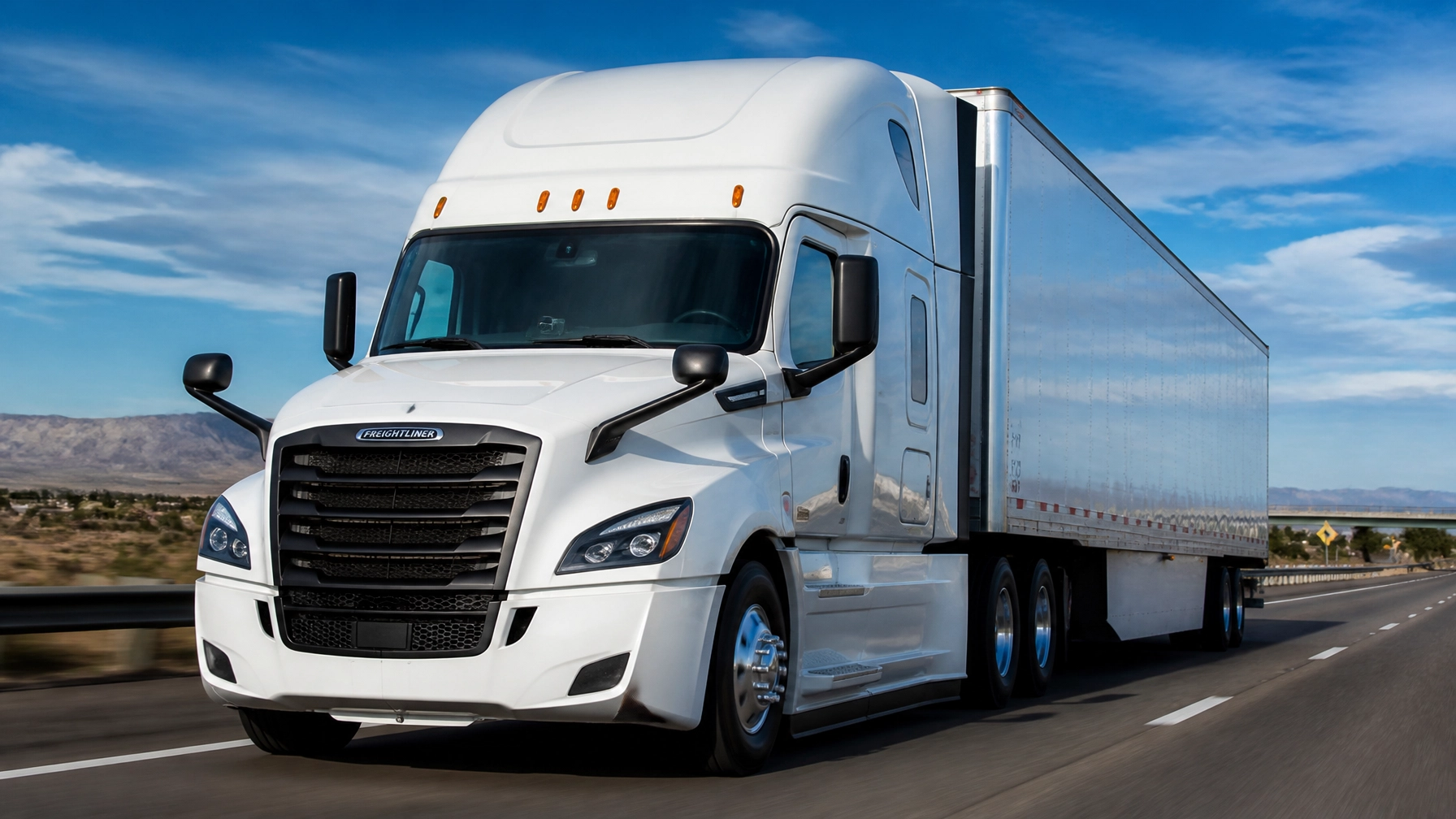
By equipping your Kenworth, Freightliner, or Peterbilt trucks with a professional dash cam for commercial trucks, you are doing more than protecting your drivers. You are protecting your brokers, your shippers, and your own bottom line. You are proving that you are a top-tier operator worthy of the best freight in the market.
At Safety Track, we specialize in custom-tailored fleet management solutions that include AI-enhanced cameras, GPS tracking, and real-time monitoring. We don’t just provide hardware; we provide the tools to help you build a safer, more profitable fleet.
Are you ready to lower your risk and win more freight? Contact Safety Track today to see how our AI dash camera solutions can transform your operations.

Tyler Schneider is the IT Director at Safety Track, overseeing the company’s technological infrastructure and innovations. With a strong background in information technology and systems management, Tyler ensures that Safety Track stays at the forefront of tech solutions in fleet management. His strategic expertise supports the seamless integration of technology across the company’s operations.