
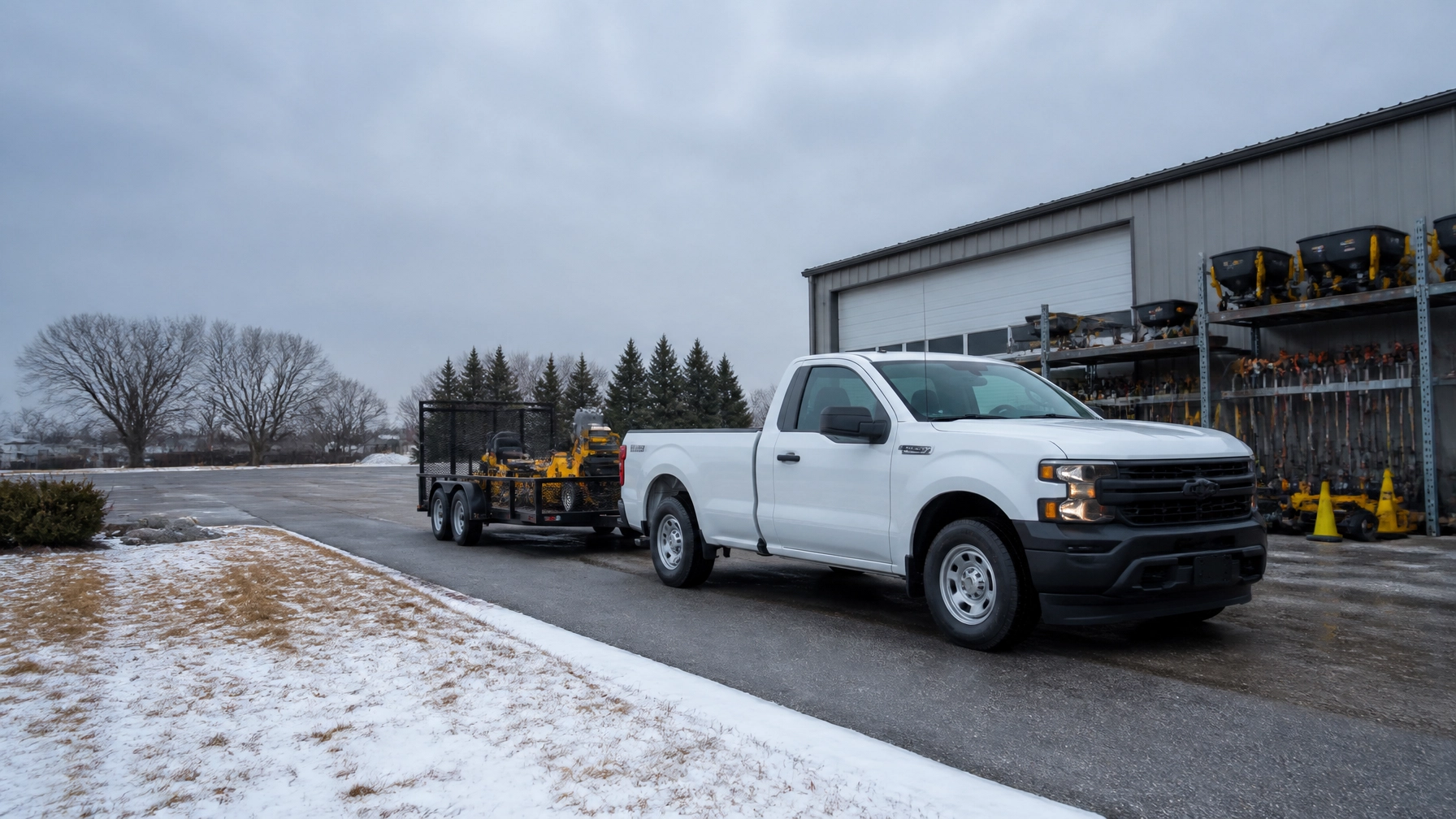
Winter Is the Best Time to Upgrade Your Lawn Care Fleet : Here’s Why
For lawn care businesses, winter is more than a quiet season. It is the best opportunity to prepare vehicles, crews, and operations for the demands of spring.
During peak season, every truck is tied to revenue. Crews move between properties, equipment stays in constant use, and customer schedules leave little room for disruption. Installing fleet technology during that period can create unnecessary downtime and operational pressure.
Winter provides a better alternative. Trucks are more available, crews have more time for training, and owners can install GPS tracking, fleet camera systems, and video telematics solutions before customer demand increases.
A well-planned winter upgrade gives lawn care businesses stronger visibility, better safety controls, and a more prepared fleet for the 2027 season.
1. Install Fleet Technology Without Disrupting Revenue
The biggest advantage of a winter installation is simple: vehicles are less likely to be needed every day.
Spring and summer schedules often leave no easy time to take trucks out of service. Even a short delay can affect route completion, customer appointments, and crew productivity. Winter installation reduces that conflict because many lawn care fleets operate on a reduced schedule or keep vehicles parked between seasonal jobs.
Fleet owners can use this time to install:
- GPS tracking devices
- AI dash cameras
- Driver-facing cameras
- Rear and side cameras
- Trailer and asset trackers
- Mobile DVR systems
- Fleet management software integrations
Safety Track’s fleet camera systems can be configured for different vehicle sizes and operating needs. A smaller lawn care fleet may need a forward-facing camera with GPS tracking. A larger operation may benefit from multiple cameras covering the road, cab, trailer, and equipment area.
Installing in batches also helps maintain flexibility. Businesses can schedule several trucks at a time while keeping the rest available for winter work, snow services, estimates, or equipment transport.
The result is a smoother rollout with less pressure on dispatchers, technicians, and crews.
2. Give Crews Time to Learn the Technology
New technology delivers the most value when employees understand how to use it.
During the busy season, training often becomes rushed. A manager may install a new system and provide only a brief explanation before crews return to their routes. That approach can lead to missed alerts, incomplete inspections, and inconsistent use of the platform.
Winter creates time for structured training. Fleet managers can show drivers how to:
- Access the mobile fleet management platform
- Review vehicle locations
- Respond to safety alerts
- Report incidents
- Use camera footage during an accident investigation
- Follow privacy and camera-use policies
- Complete pre-trip and post-trip inspections
- Secure trailers and lawn care equipment
Training should also explain why the technology is being introduced. AI dash cameras are most effective when crews understand that the goal is safer driving, faster incident response, and fair documentation: not constant punishment.
Safety Track’s AI dash cameras for fleets can identify driving risks such as distraction, fatigue, phone use, lane departure, and forward collision concerns, depending on the selected system. Managers can use those alerts to create focused coaching conversations instead of relying on general safety reminders.
Winter training helps crews build familiarity before spring routes become demanding. Drivers start the season knowing what the system does, what alerts mean, and how to respond.

3. Prepare for Insurance Renewals With Better Documentation
Many lawn care businesses review or renew commercial auto insurance during the off-season. That makes winter the right time to strengthen the company’s risk-management documentation.
Insurance carriers may consider a range of factors when reviewing a fleet, including accident history, vehicle use, driver records, training, and safety policies. Telematics and video evidence do not guarantee a lower premium, but they give business owners stronger information to present during renewal discussions.
A documented fleet safety program can include:
- AI dash camera installation records
- Driver training completion
- Safety policy acknowledgments
- Vehicle inspection records
- Speeding and harsh-braking reports
- Incident footage
- Preventive maintenance records
- Corrective coaching documentation
Video telematics solutions combine vehicle visibility with video evidence and driving data. That information helps managers understand what happened during an incident and identify patterns before they lead to more serious losses.
Camera footage can also help clarify liability during insurance claims. A clear recording may show traffic conditions, driver actions, road hazards, or the actions of another vehicle. This objective evidence can reduce disputes and help claims move forward with better accuracy.
Safety Track reports that video evidence can help businesses reduce false claims and potentially lower insurance costs. Actual results depend on the fleet, insurer, claims history, and safety program, so fleet owners should discuss available credits or policy considerations directly with their insurance professionals.
Winter gives businesses time to organize that conversation before renewal deadlines arrive.
4. Build a Stronger Safety Program Before the Spring Rush
A lawn care fleet faces specific safety risks. Trucks frequently operate in residential neighborhoods, tow utility trailers, stop near active roads, and carry expensive equipment. Crews also make repeated short trips, which can increase exposure to backing incidents, distracted driving, and low-speed property damage.
AI dash cameras provide a practical way to manage these risks before the season starts.
A forward-facing camera can document road conditions and traffic events. A driver-monitoring camera can support coaching around distraction or fatigue. Rear and side cameras can improve visibility when maneuvering in tight driveways, commercial properties, and equipment yards.
Managers can use winter to establish clear procedures for:
- Reviewing safety alerts: Decide which events require immediate follow-up and which belong in routine coaching.
- Investigating incidents: Create a consistent process for preserving footage and documenting the event.
- Coaching drivers: Address behavior with specific video examples and measurable expectations.
- Recognizing improvement: Use safety data to acknowledge drivers who consistently demonstrate good habits.
- Updating policies: Align camera use, driver privacy, phone use, and incident reporting procedures.
This process creates consistency across the fleet. It also ensures that managers are not waiting for a major accident before taking action.
A proactive safety program protects employees, customers, vehicles, and the company’s reputation.
5. Use Winter Data to Plan Spring Routes
The spring rush creates immediate pressure on lawn care businesses. Routes expand, new customers are added, and crews must complete more stops within fixed time windows.
Fleet technology can help owners prepare before that demand arrives.
GPS tracking and telematics data from the previous season can reveal:
- Routes with excessive drive time
- Areas with repeated traffic delays
- Unnecessary deadhead miles
- Excessive vehicle idling
- Stops that consistently run over schedule
- Underused vehicles or trailers
- Service territories that need to be reorganized
Managers can use this information to group customers more efficiently, assign the right vehicles to each territory, and build more realistic schedules.
Technology also helps establish spring performance benchmarks. Businesses can track on-time arrival, route completion, idle time, fuel use, harsh events, and equipment utilization from the first day of the season.
That visibility makes it easier to identify operational problems early. A delayed route, excessive idle pattern, or repeated harsh-braking event becomes a management issue that can be addressed before it affects customer satisfaction.

6. Protect Equipment While the Fleet Is Parked
Winter is also an important security period for lawn care equipment.
Trailers, commercial mowers, trimmers, blowers, and other tools can represent a significant investment. When equipment is stored for weeks or months, owners need visibility into where those assets are located and whether they have moved unexpectedly.
Asset tracking can help monitor:
- Utility trailers
- Commercial mowers
- Enclosed equipment trailers
- Seasonal attachments
- Portable generators
- High-value tools
A tracker paired with geofencing can alert managers when a trailer or asset leaves an approved yard or storage area. This does not replace locks, lighting, inspections, or other physical security measures. It adds another layer of awareness when no one is on site.
Winter is an ideal time to inventory equipment, install trackers, test alerts, and confirm that managers know how to respond. Completing that work before spring deployment protects valuable assets during storage and throughout the operating season.
A Winter Fleet Upgrade Checklist
Before the spring rush begins, lawn care business owners should aim to complete the following:
- Review the previous season’s safety and route data.
- Identify vehicles and trailers for technology installation.
- Install GPS tracking and AI dash cameras in scheduled batches.
- Add rear, side, or interior cameras where visibility is limited.
- Test camera angles, recording, GPS connectivity, and alerts.
- Train drivers and managers on the new system.
- Update written safety and camera-use policies.
- Organize insurance renewal documentation.
- Inspect, winterize, and service vehicles.
- Inventory and track high-value lawn care equipment.
- Set spring performance goals and reporting procedures.
- Confirm that dispatch and management teams can use the platform.
This checklist turns winter downtime into an organized preparation period.
Make Winter the Start of a Safer, More Efficient Season
Lawn care businesses cannot control when spring demand accelerates. They can control how prepared their fleet is when it happens.
Installing fleet technology during winter avoids peak-season disruption. Training crews during the off-season improves adoption. Preparing insurance documentation strengthens risk discussions. Reviewing route and safety data creates a better operating plan for the months ahead.
With the right combination of GPS tracking, AI dash cameras, real-time monitoring, and asset tracking, lawn care companies gain more control over safety, accountability, customer service, and operating costs.
At Safety Track, fleet solutions are custom-tailored to the vehicles, crews, and goals of each business. Explore Safety Track’s in-vehicle camera solutions and start preparing your lawn care fleet for a stronger 2027 season.

Tyler Schneider is the IT Director at Safety Track, overseeing the company’s technological infrastructure and innovations. With a strong background in information technology and systems management, Tyler ensures that Safety Track stays at the forefront of tech solutions in fleet management. His strategic expertise supports the seamless integration of technology across the company’s operations.