
Fleet Surveillance Cameras: Balancing Privacy and Safety
Fleet Surveillance Cameras vs Driver Privacy: Understanding Key Concerns and Business Implications
The integration of fleet surveillance cameras has become increasingly prevalent in the transportation industry, raising significant concerns regarding driver privacy. As businesses seek to enhance safety and operational efficiency, the balance between monitoring and respecting individual privacy rights is critical. This article delves into the implications of fleet surveillance systems, exploring key concerns such as privacy issues, legal compliance, and the potential misuse of footage. Additionally, we will examine the business implications of these technologies, including enhanced safety, training opportunities, and operational efficiency. By understanding these dynamics, companies can navigate the complexities of surveillance while fostering a culture of trust and transparency.
Balancing Fleet Surveillance Cameras with Driver Privacy
The implementation of fleet surveillance cameras brings several key concerns that must be addressed to ensure ethical and legal compliance.
Privacy Issues
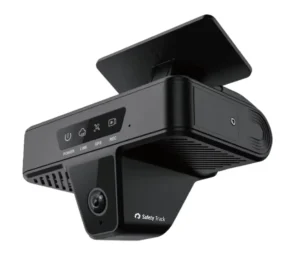
Privacy issues arise primarily from the constant monitoring of drivers through in-cab cameras and dash cams. These surveillance systems can create an environment of distrust, as drivers may feel their every move is being scrutinized. Ethical implications include the potential for psychological stress and the erosion of personal privacy, which can impact driver morale and job satisfaction. Addressing these concerns requires a careful approach to how surveillance data is collected, stored, and utilized.
Historical examples, such as the implementation of security cameras in taxicabs, further illustrate the evolving challenges of surveillance and its impact on privacy.
A study on taxicab camera surveillance in San Francisco provides a historical perspective on the evolving challenges of surveillance and its impact on privacy.
Taxicab Camera Surveillance: Privacy, Abuse, and Industry Tensions
Since security cameras were first required in San Francisco taxicabs in 2003, their unfolding story has come to contain many elements familiar to surveillance studies: the initial introduction of new technology in the wake of a moral panic; a failure of maintenance and a lapse into unreliability; and finally a resurgence accompanied by surveillance creep. This trajectory is explored using the concept of “surveillance slack,” and the stages of slackening and tensing of taxicab camera surveillance will be considered in terms of their shaping by issues of acceptability (where the line between use and abuse is drawn), of effectiveeness (what the cameras are perceived to be doing), and, underlying both of these, of integration, that is, how the slackness or tautness of surveillance interacts with existing lines of tension and conflict in the taxi industry.
The spy in the cab: the use and abuse of taxicab cameras in San Francisco, D Anderson, 2012
Taxicab Camera Surveillance: Use, Abuse, and Privacy Concerns
Since security cameras were first required in San Francisco taxicabs in 2003, their unfolding story has come to contain many elements familiar to surveillance studies: the initial introduction of new technology in the wake of a moral panic; a failure of maintenance and a lapse into unreliability; and finally a resurgence accompanied by surveillance creep. This trajectory is explored using the concept of “surveillance slack,” and the stages of slackening and tensing of taxicab camera surveillance will be considered in terms of their shaping by issues of acceptability (where the line between use and abuse is drawn), of effectiveeness (what the cameras are perceived to be doing), and, underlying both of these, of integration, that is, how the slackness or tautness of surveillance interacts with existing lines of tension and conflict in the taxi industry.
The spy in the cab: the use and abuse of taxicab cameras in San Francisco, D Anderson, 2012
Legal Compliance
Legal compliance is another critical aspect of fleet surveillance. Different jurisdictions have varying laws regarding the monitoring of employees, which can complicate compliance efforts. Companies must navigate these legal landscapes to avoid potential lawsuits or penalties. Understanding the specific legal requirements in each state or region is essential for maintaining compliance and protecting both the company and its drivers. Fleet dash cam regulations
Misuse of Footage
The potential misuse of footage from surveillance cameras poses significant risks. Without clear policies governing the use of recorded footage, there is a danger of unfair disciplinary actions against drivers based on misinterpreted or misused data. Establishing transparent guidelines for footage usage is crucial to prevent misuse and to protect the rights of drivers while ensuring accountability within the organization.
Transparency and Communication

Transparency and communication play vital roles in addressing driver concerns about surveillance. Companies should engage in open dialogues with their drivers about the purpose and scope of surveillance practices. By fostering an environment of trust and clarity, organizations can mitigate fears and enhance cooperation among drivers, ultimately leading to a more positive workplace culture.
Business Implications
While the concerns surrounding fleet surveillance cameras are significant, the business implications can also be substantial. Implementing these technologies can lead to enhanced safety, improved training, and greater operational efficiency.
Enhanced Safety and Accountability
Fleet surveillance cameras significantly enhance safety and accountability within transportation operations. By monitoring driver behavior, companies can reduce the incidence of accidents and improve overall road safety. Statistics indicate that fleets utilizing surveillance technology experience a notable reduction in accidents, leading to safer driving practices and fewer liability claims.
Training and Development
The footage captured by surveillance cameras can be invaluable for training and development purposes. Companies can use real-life scenarios to educate drivers on best practices and areas for improvement. This approach not only enhances driver skills but also reduces liability by ensuring that drivers are well-prepared for the challenges they may face on the road.
Research emphasizes that focusing on fleet performance and driver education, alongside the potential for exoneration, can significantly improve driver acceptance of in-cab cameras.
Driver-Facing Cameras: Fleet Performance & Driver Acceptance
suggest that use of driver-facing cameras focus on improving fleet performance and stress the potential for exoneration while educating the drivers about the monitoring systems.
Fleet-based driver monitoring systems: Accelerating commercial motor vehicle and occupational driver acceptance of driver-facing cameras, MC Camden, 2022
Operational Efficiency
Surveillance technology can also enhance operational efficiency by providing insights into driver behavior and vehicle performance. Analyzing video footage allows companies to identify inefficiencies and optimize resource allocation. This data-driven approach can lead to improved fleet management, fuel savings, and overall better management of fleet resources.
Building Trust and Transparency
Involving drivers in the development of surveillance policies can foster a culture of trust and transparency. By soliciting feedback and addressing concerns, companies can create policies that respect driver privacy while still achieving safety and accountability goals. This collaborative approach can enhance employee satisfaction and retention.
Legal and Ethical Considerations
Establishing clear privacy policies is essential for navigating the legal and ethical landscape of fleet surveillance. Companies must define the scope of surveillance and ensure that footage is used ethically and responsibly. This commitment to ethical practices not only protects the company legally but also builds trust with drivers. For more information, you can visit our privacy policy.
The integration of fleet surveillance cameras presents both challenges and opportunities. By addressing privacy concerns and ensuring legal compliance, companies can leverage these technologies to enhance safety and operational efficiency while maintaining a respectful workplace environment.
What Are the Primary Driver Privacy Concerns with Fleet Surveillance Cameras?
Driver privacy concerns primarily revolve around the constant monitoring and potential misuse of surveillance footage. Drivers need to know that their personal space is invaded, leading to discomfort and distrust. Additionally, the lack of clear policies regarding footage usage can exacerbate these concerns, making it essential for companies to establish transparent guidelines.
How Do Fleet Cameras Collect and Use Driver Data?
Fleet cameras collect data through various means, including in-cab monitoring and external surveillance. This data is typically used to assess driver behavior, monitor compliance with safety regulations, and improve overall fleet management. However, the collection and use of this data must be handled with care to respect driver privacy and comply with legal standards.
The broader implications of leveraging extensive datasets in public transportation surveillance highlight the ongoing challenge of balancing operational efficiency with individual privacy and ethical considerations.
Big Data, Privacy, and Ethics in Public Transportation Surveillance
Big Data utilization in public transportation surveillance has engendered multifaceted challenges that intertwine technical efficiency with privacy and ethical concerns. This study investigates the intricate balance between leveraging vast datasets for operational enhancements and safeguarding individual rights in urban mobility systems. By examining data collection mechanisms, advanced analytical techniques, and the mathematical frameworks underlying surveillance algorithms, the research delineates the inherent trade-offs between public security and personal privacy. Emphasis is placed on the probabilistic and statistical models that quantify data flows and predictive capacities, alongside the ethical paradigms that govern consent, transparency, and accountability.
Privacy and ethical implications of big data utilization in public transportation surveillance, 2025
What Are Common Privacy Risks and Driver Rights?
Common privacy risks associated with fleet surveillance include unauthorized access to footage, potential misuse of data, and lack of transparency regarding how data is used. Drivers have rights to privacy and should be informed about the extent of surveillance and how their data will be protected. Companies must ensure that they comply with relevant privacy laws to safeguard these rights.
How Do Legal Frameworks Regulate Fleet Camera Monitoring?
Legal frameworks regulating fleet camera monitoring vary by jurisdiction, with some regions imposing strict guidelines on employee monitoring. Companies must stay informed about these regulations to ensure compliance and avoid legal repercussions. Understanding the legal landscape is crucial for implementing surveillance systems responsibly.
Which Privacy Laws Impact Fleet Surveillance Systems?
Several privacy laws impact fleet surveillance systems, including data protection regulations and employee monitoring laws. Companies must navigate these laws to ensure that their surveillance practices are compliant and respectful of driver privacy rights. Failure to adhere to these regulations can result in significant legal consequences.
How Is Driver Consent Managed Under Current Regulations?
Driver consent is a critical component of managing surveillance practices. Companies must obtain informed consent from drivers before implementing surveillance systems, ensuring that drivers understand the purpose and scope of monitoring. This process is essential for maintaining transparency and trust within the organization.
What Technological Solutions Enhance Privacy in Fleet Surveillance?
Technological solutions such as data encryption, access controls, and anonymization techniques can enhance privacy in fleet surveillance systems. By implementing these measures, companies can protect sensitive data and ensure that surveillance practices are conducted ethically and responsibly.
What Are the Operational Benefits of Balancing Surveillance and Privacy?
Balancing surveillance and privacy can lead to operational benefits such as improved driver morale, enhanced safety, and reduced liability. By fostering a culture of trust and transparency, companies can create a more positive work environment while still achieving their safety and accountability goals.
How Does Privacy-Respecting Surveillance Improve Driver Safety and Efficiency?
Privacy-respecting surveillance can improve driver safety and efficiency by creating an environment where drivers feel valued and respected. When drivers trust that their privacy is protected, they are more likely to engage positively with surveillance practices, leading to better safety outcomes and operational efficiency.
What Case Studies Demonstrate Effective Privacy and Surveillance Integration?
Case studies of companies that have successfully integrated privacy-respecting surveillance practices demonstrate the potential for enhanced safety and accountability. These examples highlight the importance of clear policies, driver involvement, and transparent communication in achieving a balance between surveillance and privacy.
Conclusion
Integrating fleet surveillance cameras can significantly enhance safety and operational efficiency while addressing critical privacy concerns. By fostering transparency and open communication, companies can build trust with drivers, ensuring a respectful workplace environment. Understanding the balance between monitoring and privacy is essential for compliance and ethical practices. Discover how our resources can help you implement effective surveillance solutions that prioritize both safety and driver rights.
Jeff Stoker is the CEO and founder of Safety Track, a company he established in 2002. With over two decades of leadership in fleet management solutions, Jeff has guided Safety Track from a pioneering vision to a trusted industry leader. His innovative mindset and commitment to excellence continue to drive the company’s growth and impact.