
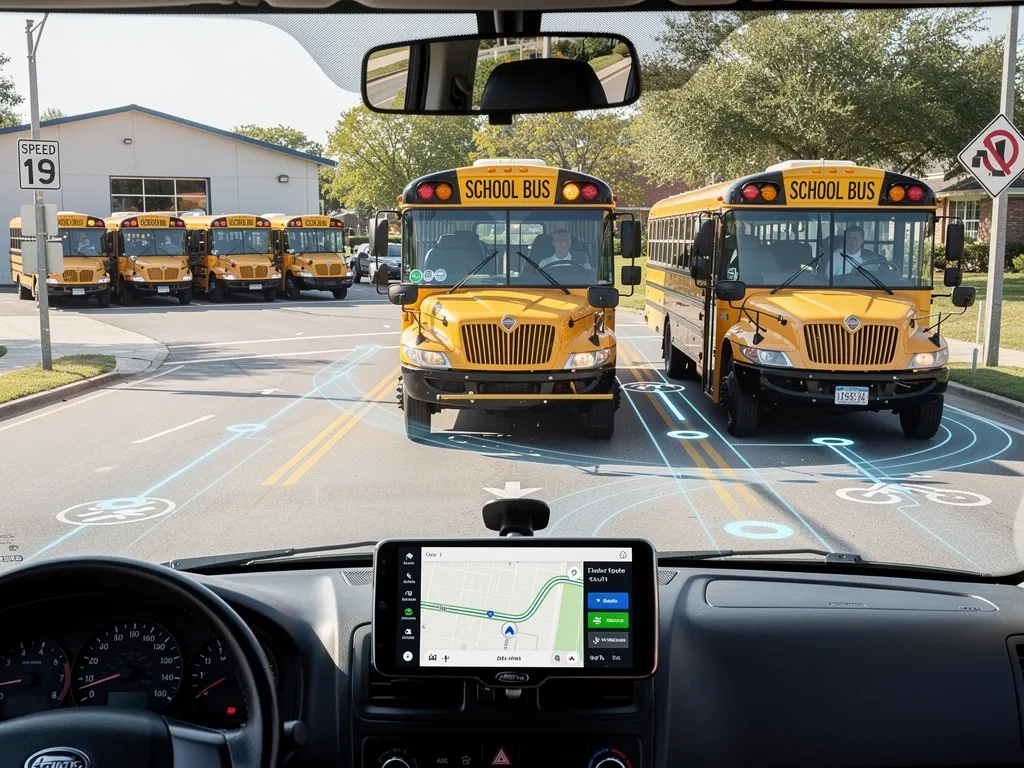
GPS School Bus Tracking: Improving Fleet Safety and Efficiency
As school districts strive for enhanced safety and operational efficiency, the integration of GPS tracking technology offers transformative benefits. This article explores how GPS tracking for school buses not only enhances route efficiency but also significantly improves safety measures, providing peace of mind for parents and school administrators alike. Readers will learn about various technologies employed, effective implementation strategies, the measurable outcomes that result from GPS tracking, and how these systems contribute to safer school transportation. The discussion will be supported by current research and data, making it clear how adopting these technologies can address the pressing challenges facing school transport systems today.
Technologies Utilized
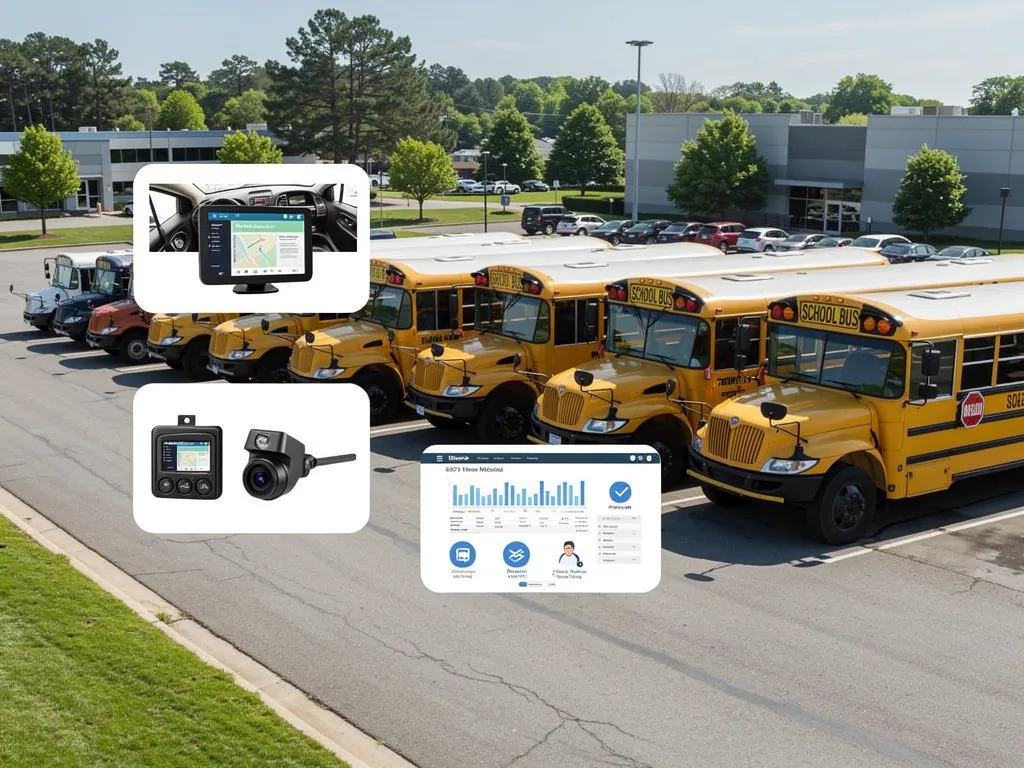
The application of GPS tracking technology in school transportation harnesses various innovative tools that are crucial for monitoring and improving school bus operations. These technologies include:
- GPS Tracking Systems: These systems provide real-time location data, allowing for efficient route planning and monitoring.
- Fleet Camera Systems: Integrated cameras enhance safety by providing visual documentation of incidents and monitoring driver behavior.
- Telematics: This technology combines GPS tracking with onboard diagnostics to gather and analyze data related to vehicle performance and driver activity.
Utilizing these technologies enables districts to gain comprehensive insights into their school bus operations, paving the way for safer and more efficient fleet management practices.
Delving further into the transformative impact of these technologies, a notable study highlights how merging real-time GPS with advanced geospatial analysis dramatically refines bus routing efficiency.
Real-Time GPS for School Bus Route Optimization This paper introduces a novel school bus routing system that integrates real-time GPS tracking with advanced geospatial data analysis to dynamically optimize routes. The proposed system leverages GPS tracking alongside sophisticated algorithms to reduce travel times, fuel consumption, and operational costs while enhancing student safety through optimized stop locations and real-time monitoring capabilities. The efficacy of the solution in optimizing school bus operations. Route Optimization for School Buses Using Real-Time GPS and Geospatial Data, S Sherif, 2025
Implementation Strategies
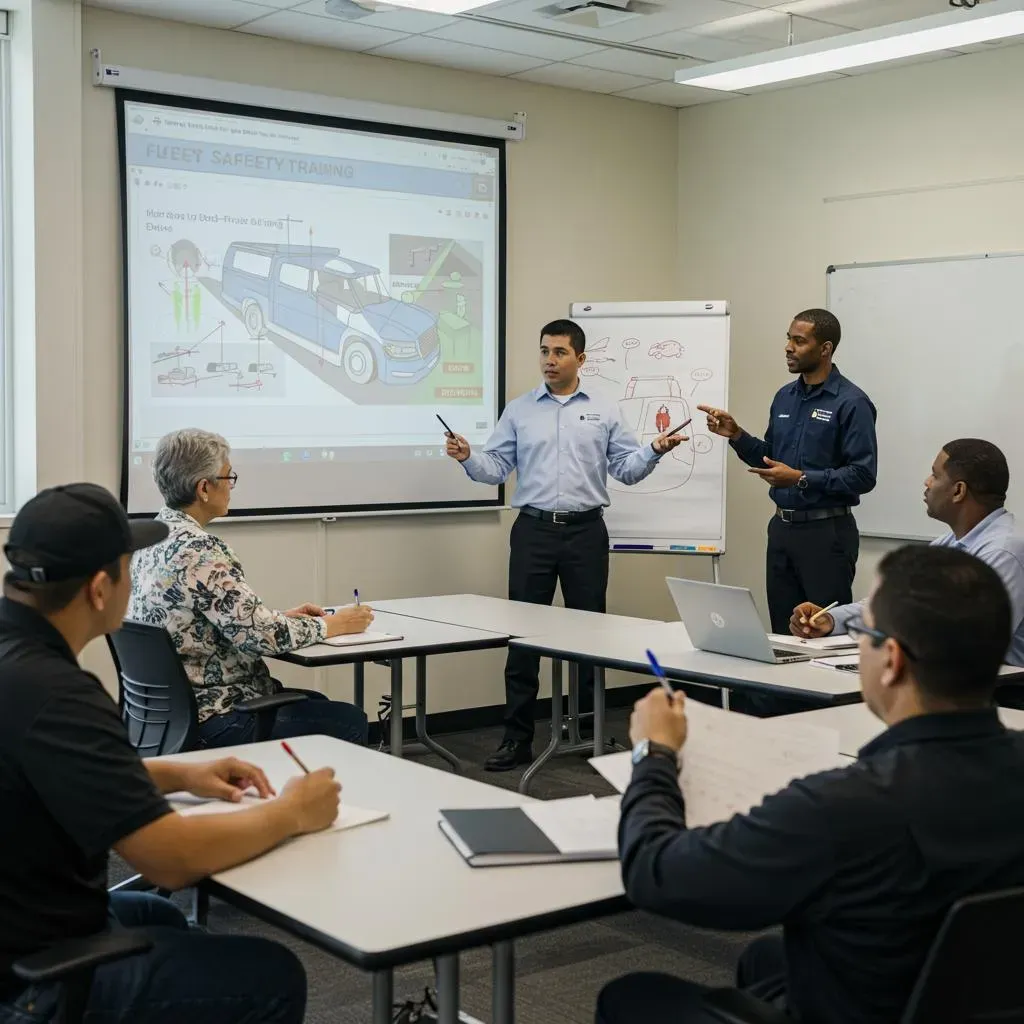
Effective implementation of GPS tracking in school districts requires thoughtful planning and execution. Key strategies include:
- Training Programs for Drivers: Educating drivers on the use of GPS technology and the importance of data-driven decision-making enhances adherence to safe driving practices.
- Real-time Monitoring Setup: Establishing robust monitoring systems enables districts to track bus locations and route changes instantly, facilitating timely interventions when needed.
- Community Engagement: Involving parents and community stakeholders in discussions about new technologies fosters trust and transparency, crucial for successful adoption.
By focusing on these strategic areas, school districts can ensure a seamless integration of GPS tracking systems that optimally serves students and stakeholders.
Measurable Outcomes: Improving Safety and Operational Efficiency
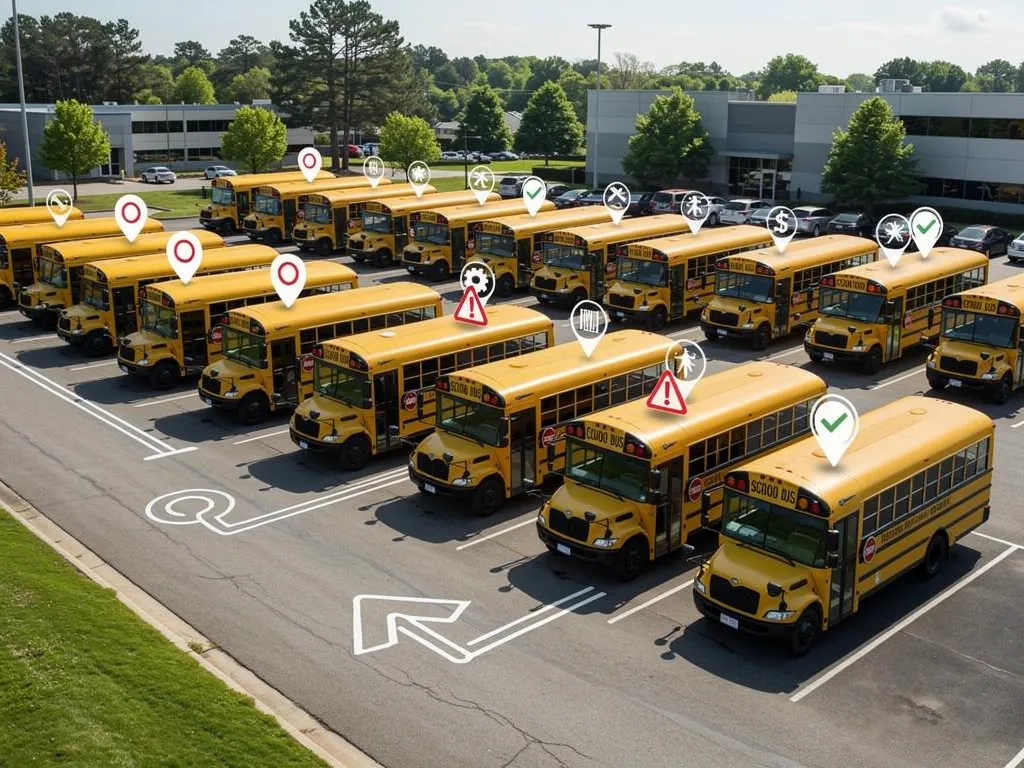
The deployment of GPS tracking technology in school buses has been shown to yield significant measurable outcomes:
- Increased Safety: Enhanced tracking capabilities help reduce the number of missed stops and ensure that all students are accounted for during transport.
- Operational Efficiency Improvements: The visibility into route dynamics allows for better scheduling and resource allocation, leading to more efficient use of vehicles.
- Incident Response Enhancements: In the event of accidents or other emergencies, real-time data provides crucial information that aids in quicker responses and better management of incidents.
These outcomes demonstrate the tangible benefits that GPS tracking technologies can offer to school districts, ultimately contributing to safer and more effective transportation systems.
How Does Real-Time GPS Tracking Enhance School Bus Safety?
Real-time GPS tracking enhances school bus safety through several critical features, each designed to protect students and improve operational transparency.
Safety Features
Key safety features of GPS tracking systems include:
- Real-Time Location Tracking: This feature ensures that the location of each bus can be monitored continuously, allowing for immediate action if any issues arise.
- Incident Alerts: Notifications can be sent to school administrators in real-time concerning any incidents, such as hard braking or route deviations.
- Geofencing Capabilities: This technology allows districts to set designated boundaries for bus routes. Alerts are triggered if a bus strays from its planned route, helping to ensure that students remain safe.
These features work together to create a more secure environment for students, minimizing risks and enhancing school transport oversight.
Benefits
The overall advantages of deploying real-time GPS tracking in school buses include:
- Increased Accountability: With constant monitoring, drivers and operators are held accountable for their actions, promoting safer driving habits.
- Cost Savings: Optimizing routes can lead to reduced fuel costs and lower maintenance expenses, yielding financial benefits for school districts.
- Improved Operational Efficiency: Data collected allows for dynamic routing, which can save time and reduce delays.
By understanding these benefits, school districts can appreciate how GPS tracking serves as both a safety enhancement and an operational tool.
Indeed, advancements in GPS-driven IoT systems underscore the pervasive impact these technologies have on bus monitoring and overall passenger security.
GPS Revolutionizes School Bus Monitoring and Security The advancements with GPS has revolutionized the transportation sector, particularly in school bus monitoring systems where real-time tracking, alerts, and geofencing capabilities have significantly enhanced both security and operational efficiency. These outcomes prove the effectiveness of the system to ensure passenger security. GPS-Driven IoT based Bus Monitoring System to ensure Passenger Security, 2025
Impact on Student Security
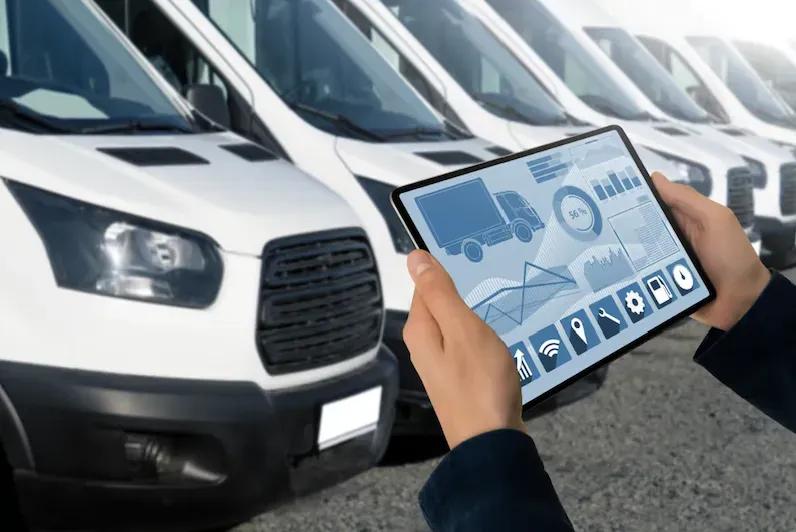
The integration of GPS technology significantly bolsters student security in various ways:
- Parental Reassurance: With real-time tracking, parents can receive updates about their children’s bus locations, reducing anxiety about student safety.
- Incident Handling: Schools can quickly respond to emergencies with accurate location data, ensuring rapid assistance when needed.
- Community Trust: Transparency regarding bus operations fosters trust among parents and community members, reinforcing the reliability of school transport services.
The commitment to student safety is reflected in the adoption of GPS tracking systems, showcasing the importance districts place on protecting students.
What Safety Features Are Included in School Bus GPS Tracking Systems?
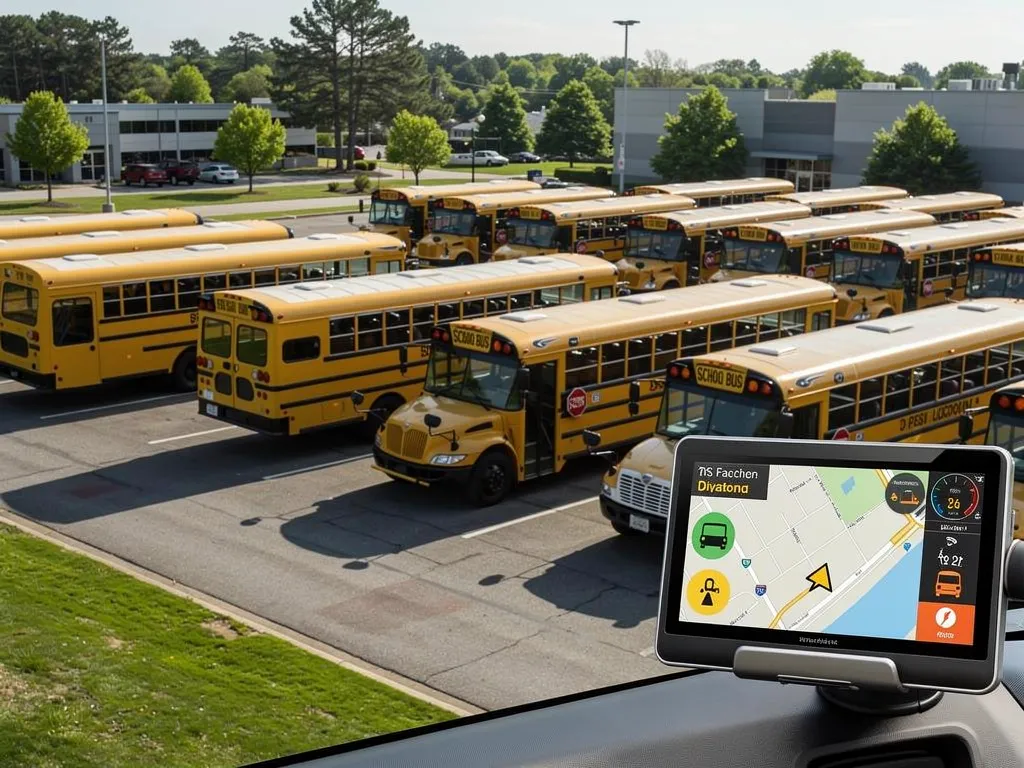
Safety features integral to GPS tracking systems include:
- Real-Time Tracking: Continuous monitoring of bus locations to ensure safety.
- Driver Behavior Monitoring: Systems that track driving habits, such as speeding and harsh braking, to support safe driving standards.
- Incident Alerts: Automatic notifications sent to the school when the system detects unsafe behaviors or emergencies.
These safety features are critical for maintaining a secure transportation environment for students, aligning with the overall goal of enhancing school bus safety.
How Do GPS Systems Contribute to Reducing School Bus Incidents?
GPS systems contribute to a significant reduction in school bus incidents through proactive safety measures:
- Monitoring Driver Behavior: Continuous tracking allows for analyzing driving patterns and incentivizing safer behaviors among drivers.
- Optimizing Routes: GPS technology helps identify and mitigate potential hazards along routes, reducing risks of incidents.
- Reducing Risky Maneuvers: By promoting adherence to optimized routes and safe driving practices, districts can decrease the likelihood of accidents.
These contributions highlight the effectiveness of GPS technology in enhancing school bus safety and reducing the overall number of incidents.
Furthermore, advanced frameworks integrating AI with GPS technology offer even more sophisticated methods for improving safety and route optimization in school transportation.
AI-Enhanced School Bus Safety & Route Optimization This paper introducesESC.AI (Enhanced Smart Commuting with Artificial Intelligence), an intelligent and integrated safety framework designed to improve health monitoring, environmental awareness, behavioral detection, driver supervision, and route optimization in school bus transportation systems. The proposed framework combines multimodal sensing, edge-based artificial intelligence, adaptive routing, and secure data management to enable proactive risk detection and real-time decision-making during transit. Enhanced smart commuting with artificial intelligence for intelligent health and safety monitoring in school buses, 2026
What Are the Benefits of School Bus Route Optimization Using GPS Technology?
Jeff Stoker is the CEO and founder of Safety Track, a company he established in 2002. With over two decades of leadership in fleet management solutions, Jeff has guided Safety Track from a pioneering vision to a trusted industry leader. His innovative mindset and commitment to excellence continue to drive the company’s growth and impact.