
2025 School Bus Stop-Arm Camera Guide: Compliance and Safety Laws
2025 State Stop-Arm Camera Laws: A Compliance Guide
By Tyler Schneider, Safety Track
As the landscape of school bus safety evolves, understanding stop-arm camera laws across the United States becomes crucial for school districts, especially in 2025. With increasing reports of traffic violations related to stopped school buses, these laws are designed to enhance student safety and ensure compliance among motorists. This comprehensive guide highlights the state-specific regulations on stop-arm cameras, the technology that underpins their functionality, cost considerations, legal strategies for compliance, and their overall effectiveness evidenced through various case studies. For school districts striving to enforce safety standards, this guide offers valuable insights and actionable steps to navigate the complexities associated with implementing stop-arm cameras.
Which States Have Enacted Mandatory Stop-Arm Camera Laws for 2025?
As of 2025, multiple states have enacted laws mandating the use of stop-arm cameras to capture violations involving school buses. These laws not only serve to enhance student safety but also impose penalties on motorists who fail to adhere to the stop signal of a school bus. Notable examples of states with these laws include California, Texas, and Florida, which have each established regulations aimed at reducing the incidence of stop-arm violations.
The enforcement of these laws varies across different jurisdictions, with some states having specific implementation dates and others gradually introducing them. Key stakeholders involved include state legislatures, school districts, and law enforcement agencies, all of whom contribute to the effective rollout and enforcement of stop-arm camera programs.
How Does Stop-Arm Camera Technology Enhance School Bus Safety Compliance?
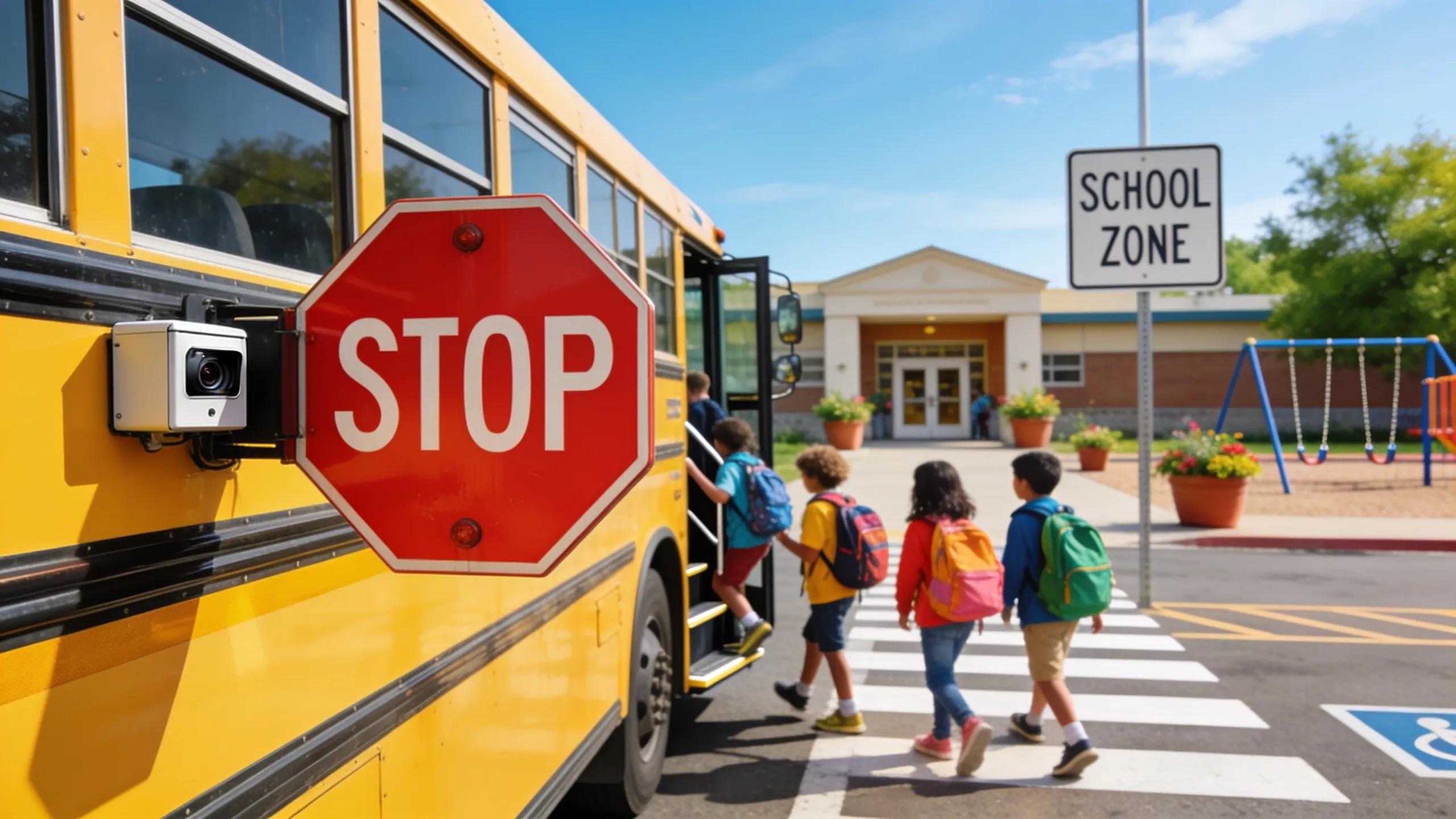
Stop-arm camera technology significantly boosts school bus safety compliance by providing real-time monitoring and documentation of traffic violations. These systems utilize high-resolution cameras mounted on school buses to capture clear images of vehicles that unlawfully pass while the stop sign is extended. The recorded data is essential for prosecuting offenders and can be instrumental in raising public awareness about the dangers posed by such violations.
What Features Define Advanced Stop-Arm Camera Systems in 2025?
In 2025, advanced stop-arm camera systems feature several innovative components that enhance their effectiveness in promoting school bus safety. Key features include:
- AI Integration: Utilizing artificial intelligence to analyze traffic flow and identify repeat offenders.
- Real-Time Video Monitoring: Allowing instant access to footage for law enforcement and school officials.
- Cloud Connectivity: Facilitating seamless data storage and retrieval, which enhances reporting capabilities.
The utilization of these technologies ensures more reliable enforcement and promotes a safer environment for students as they board and disembark from school buses.
How Does Integration with Fleet Management Software Improve Enforcement?

Integrating stop-arm camera systems with fleet management software significantly enhances compliance monitoring and operational efficiency. Through this integration:
- Enhanced Monitoring Systems: School districts can gain insights into traffic patterns and habitual violations near schools.
- Data Integration Benefits: Sharing data between stop-arm cameras and fleet management tools allows for comprehensive analysis and reporting.
- Real-Time Alerting Systems: Notifications of violations can be sent to law enforcement instantly, enabling quicker responses to infractions.
This technological synergy ultimately leads to more effective enforcement and increased safety for students.
What Are the Cost and Installation Considerations for Stop-Arm Cameras?
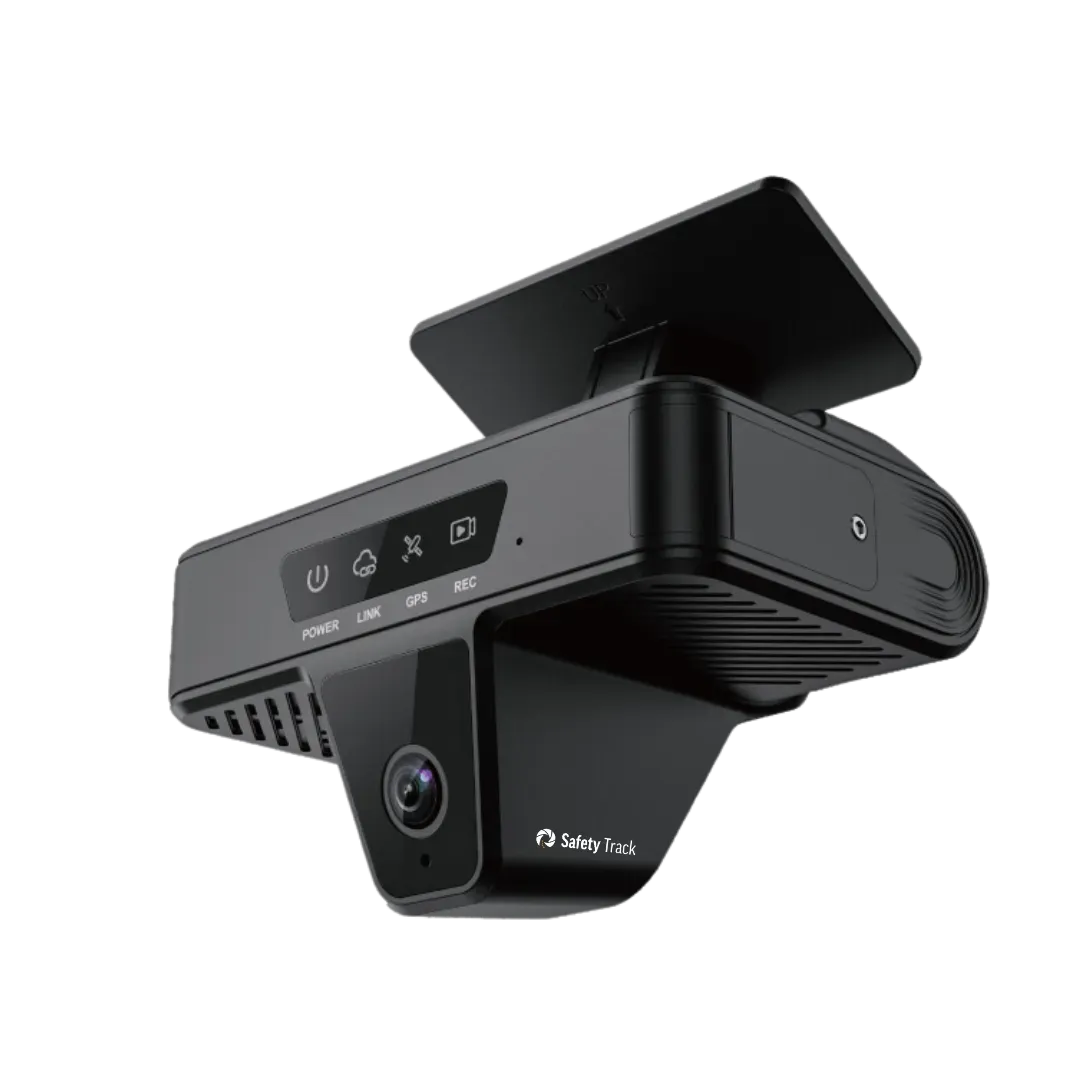
The costs associated with stop-arm camera systems and their installation can vary significantly based on several factors, including the size of the school district, the number of buses, and the specific technology employed. School districts need to evaluate both the initial investment in camera systems and the ongoing costs for maintenance and data management.
How Does Installation Vary Across Different School Bus Fleets?
Installation practices for stop-arm camera systems differ across various school bus fleets. Factors influencing these variations include:
- Fleet Size: Larger fleets may benefit from bulk installation discounts and streamlined processes.
- Type of Bus: Different bus models might have unique mounting requirements for camera systems.
- Funding Availability: Districts may have access to grants or state funding specifically for traffic safety improvements.
Such considerations are vital as they can dramatically affect the overall cost efficiency of implementing these systems.
What Is the Cost-Benefit Analysis of Stop-Arm Camera Systems for School Districts?
Conducting a cost-benefit analysis of stop-arm camera systems involves comparing the investment against the potential benefits they offer. Key factors to assess include: cameras on school buses.
- Initial Investment vs Benefits: Consider the upfront costs against long-term safety improvements and potential reductions in accidents.
- Long-Term Safety Improvements: Analyze data indicating decreases in stop-arm violations following installation.
- Community Impact: Evaluate how increased compliance contributes to heightened community trust and perceptions of safety around schools.
By effectively weighing these factors, school districts can make informed decisions regarding the implementation of stop-arm camera technology.
What Legal and Compliance Strategies Should School Districts Adopt for 2025?
To ensure adherence to state laws regarding stop-arm cameras, school districts must develop comprehensive legal and compliance strategies. These strategies should encompass: fleet safety and compliance.
- Adhering to State Laws: Stay updated on evolving regulations and compliance requirements.
- Documentation Practices: Maintain thorough records of all incidents involving stop-arm violations captured by cameras.
- Collaboration with Law Enforcement: Partnering with local agencies can facilitate smoother enforcement and prosecution processes.
By adopting these strategies, districts can proactively navigate legal challenges and ensure the successful implementation of stop-arm camera programs.
How Can Districts Ensure State Law Compliance Using Stop-Arm Cameras?
Ensuring compliance with state laws can be achieved through various actionable steps, such as: fleet safety and compliance options.
- Technology Implementation Strategies: Selecting camera systems that meet state specifications and requirements.
- Training for Staff: Providing thorough training for bus drivers and school officials on the use of camera systems and reporting violations.
- Partnerships with Local Agencies: Collaborating with law enforcement to enhance enforcement capabilities and streamline legal proceedings.
These considerations help school districts effectively utilize stop-arm cameras while remaining compliant with legal mandates.
What Are Best Practices for Documenting and Enforcing Stop-Arm Violations?
Documenting and enforcing stop-arm violations requires a structured approach, including:
- Monitoring Practices: Regularly review footage and data collected from stop-arm cameras to identify and address patterns of violations.
- Data Retention Policies: Establish policies for how long footage should be stored and the processes for accessing footage when needed.
- Engagement with the Community: Actively informing the community about stop-arm laws and the importance of compliance helps foster an environment of safety.
Implementing these best practices will contribute to effective enforcement and heightened awareness about the consequences of violating stop-arm regulations.
How Have Stop-Arm Camera Systems Demonstrated Effectiveness Through Case Studies?
Case studies provide critical insights into the success of stop-arm camera systems in reducing violations and enhancing safety. Numerous school districts report significant declines in stop-arm violations after implementing these technologies, contributing to safer transportation environments for students.
What Results Have School Districts Achieved in Violation Reduction with Cameras?
Evidence from various district implementations shows that stop-arm cameras are effective in reducing violations. Reports indicate reductions in stop-arm violations by over 50% in some areas following the installation of camera systems. This significant drop demonstrates the positive impact of these technologies on community safety.
What ROI and Safety Benefits Demonstrate Technology Value in Real-World Use?
Investing in stop-arm camera technology yields substantial returns on investment (ROI) through decreased accidents and enhanced community safety perceptions. The financial savings associated with fewer accidents can offset the initial costs, making these systems not only a safety measure but also a fiscally responsible investment for school districts. Ongoing evaluations of community feedback reveal that parents and local residents place high value on enhanced safety measures surrounding school transport.
What Are Common Questions About Stop-Arm Camera Laws and Enforcement?
With the emergence of stop-arm camera laws, many individuals have questions surrounding their functionality and implications. Clear communication about these laws can help educate the public and ensure compliance.
How Do Stop-Arm Cameras Function to Capture Violations Accurately?
Stop-arm cameras are equipped with advanced technology that accurately captures video footage of vehicles passing stopped school buses. They typically use motion sensors and high-resolution imaging to ensure that even in poor conditions, clear images are recorded, documenting violations for subsequent review and enforcement.
Which Resources Provide Up-to-Date State Law Information and Compliance Updates?
School districts and interested parties can access a variety of resources for current state laws, including official state websites, educational organizations, and transportation safety forums. These resources are essential for staying informed about legislative changes and best practices in enforcement, ensuring ongoing compliance with evolving regulations.
Frequently Asked Questions
What penalties do drivers face for violating stop-arm laws?
Penalties for violating stop-arm laws vary by state but generally include hefty fines, points on the driver’s license, and potential legal repercussions. Some states impose fines that can exceed $500 for a first offense, with subsequent violations leading to increased financial penalties and possible driving restrictions. In addition to monetary consequences, persistent offenders might face criminal charges, which could include a misdemeanor for multiple violations. Understanding the penalties is crucial for fostering compliance and ensuring the safety of students around school buses.
How can school districts fund the installation of stop-arm cameras?
School districts have several funding avenues for installing stop-arm cameras. Options include applying for state or federal grants dedicated to enhancing traffic safety, collaborating with local businesses for sponsorships, and reallocating existing budget funds aimed at safety improvements. Additionally, some districts choose to partner with technology vendors that offer leasing or financing options to make implementation more manageable. It’s essential for districts to explore all funding sources to effectively equip their fleets while maintaining budgetary integrity.
What is the role of community awareness in enforcing stop-arm camera laws?
Community awareness plays a vital role in the enforcement of stop-arm camera laws. Educating the public about the dangers of disregarding school bus signals and the presence of stop-arm cameras can lead to increased compliance among drivers. School districts often utilize campaigns involving flyers, local media, and social media to spread awareness. When community members understand the reasoning behind the laws and the consequences of violations, it fosters a culture of safety and accountability that significantly benefits student protection.
What training is recommended for school bus drivers regarding stop-arm camera use?
Recommended training for school bus drivers includes comprehensive sessions on the functionality and legal aspects of stop-arm cameras. Drivers should be educated on how the system operates, best practices for monitoring compliance, and how to report violations effectively. Regular refresher courses can also help keep drivers informed about any updates to laws or technologies. By ensuring drivers are well-informed and trained, school districts can maximize the technology’s effectiveness and enhance overall student safety.
How do stop-arm camera laws affect insurance rates for school districts?
The implementation of stop-arm camera systems can positively impact insurance rates for school districts. By reducing the number of accidents involving school buses, districts may qualify for lower premiums due to improved safety records. Insurance companies often view proactive safety measures, like using stop-arm cameras, favorably, potentially leading to discounts or rewards for these initiatives. Districts should communicate with their insurance providers to understand how effective safety measures can translate into financial benefits.
What challenges do districts face when implementing stop-arm camera systems?
Districts face several challenges when implementing stop-arm camera systems, such as securing funding, ensuring technological compatibility with existing systems, and navigating legal compliance. Stakeholder communication is also critical; districts must engage drivers, parents, and local law enforcement to foster support for new initiatives. Additionally, training staff on using the technology and managing data collected presents an ongoing logistical challenge. Addressing these obstacles early on can facilitate smoother implementation and better overall outcomes for school safety.
Conclusion
Implementing stop-arm camera systems not only enhances the safety of school transportation but also promotes compliance among motorists, ensuring that laws designed to protect students are upheld. By utilizing advanced technology, school districts can effectively document violations, foster community awareness, and significantly reduce the number of incidents. For districts looking to take the next step towards safer school bus environments, exploring funding options and technology providers is essential. Learn more about how our solutions can assist your district in implementing effective stop-arm camera systems today.
Jeff Stoker is the CEO and founder of Safety Track, a company he established in 2002. With over two decades of leadership in fleet management solutions, Jeff has guided Safety Track from a pioneering vision to a trusted industry leader. His innovative mindset and commitment to excellence continue to drive the company’s growth and impact.