
Unlock Fleet Efficiency With AI Technology
Unlock Fleet Efficiency With AI Technology
In the rapidly evolving landscape of fleet management, the integration of artificial intelligence (AI) technology is revolutionizing how businesses operate. AI solutions for fleet management enhance efficiency, reduce costs, and improve safety through advanced data analytics and predictive capabilities. This article delves into the mechanisms by which AI technology enhances fleet management software, the core features of AI-powered fleet tracking solutions, and the significant benefits of predictive maintenance. As companies face increasing pressure to optimize operations, understanding these advancements is crucial for maintaining a competitive edge. We will explore how AI improves operational efficiency, the role of telematics, and how Safety Track leverages these technologies to unlock fleet efficiency.
Further emphasizing the comprehensive impact of AI, research highlights how these technologies revolutionize fleet management across maintenance, routing, and safety.
IoT & AI for Smart Fleet Management: Predictive Maintenance, Routing & Safety
The Internet of Things (IoT) and Artificial Intelligence (AI) have driven a paradigm shift in fleet management providing organizations to monitor, manage and even optimize their vehicle operations. This article presents an IoT and AI enabled framework for Smart Fleet Management, wherein real-time data, predictive analytics and automation are used for efficient, safe and green fleets. Such AI systems analyze data and pick up the pattern which helps for predictive maintenance, which is a core part of this architecture that helps minimize vehicle downtime and reduces maintenance costs by doing proper identification of potential faults at the right time. The AI also routes better, ensuring vehicles travel down the most efficient roads, have lower emissions and use less fuel, while still ensuring timely deliveries. The proposed architecture also gives the safety of its Advanced Driver Assistance Systems (ADAS) by detecting dangerous driving actions and reactions.
Internet of things (IoT) and artificial intelligence (AI) enabled framework for smart fleet management, PR Potdar, 2025
How AI Enhances Fleet Management Software
AI technology enhances fleet management software by providing real-time data analysis, predictive maintenance capabilities, and driver behavior monitoring. These features enable fleet managers to make informed decisions that lead to increased efficiency and reduced operational costs. By utilizing machine learning algorithms, AI can analyze vast amounts of data to identify patterns and predict potential issues before they arise. This proactive approach not only minimizes downtime but also enhances overall fleet safety and performance.
This approach is further supported by research demonstrating how AI-driven predictive analytics are crucial for optimizing fleet management, reducing operational costs, and improving overall efficiency.
AI Predictive Analytics for Fleet Optimization & Cost Reduction
The realm of logistics and transportation is undergoing a transformative shift due to advancements in artificial intelligence (AI) and machine learning (ML) technologies. This research paper investigates the application of AI-driven predictive analytics for optimizing fleet management, focusing on three critical aspects: route planning, vehicle allocation, and predictive maintenance. The study is driven by the imperative to reduce operational costs, enhance delivery efficiency, and improve vehicle utilization through sophisticated AI models.
AI-Driven Predictive Analytics for Fleet Management Optimization in Logistics and Transportation: Leveraging Machine Learning for Route Planning, Vehicle …, VK Dunka, 2022
Safety Track, a leader in AI-driven solutions for fleet management, exemplifies how technology can transform operations. Their software integrates advanced analytics to provide actionable insights, allowing businesses to optimize their fleet management effectively.
Core Features of AI-Powered Fleet Tracking Solutions
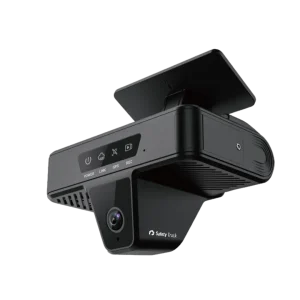
AI-powered fleet tracking solutions come equipped with several core features that significantly enhance fleet management capabilities:
- Real-Time Tracking: Provides up-to-the-minute location data for all vehicles, enabling better route planning and resource allocation.
- AI Analytics: Utilizes data-driven insights to improve decision-making processes and operational strategies.
- Predictive Maintenance: Anticipates vehicle maintenance needs based on usage patterns and historical data, reducing unexpected breakdowns.
These features collectively contribute to a more streamlined and efficient fleet management process, ensuring that businesses can respond swiftly to changing conditions and demands.
AI’s Role in Operational Efficiency and Safety
AI improves operational efficiency and safety in fleets by leveraging data-driven insights to optimize various aspects of fleet management. Through predictive analytics, AI can identify trends and potential risks, allowing fleet managers to implement preventive measures. Automated alerts can notify managers of maintenance needs or unsafe driving behaviors, fostering a culture of safety and accountability.
Moreover, AI’s ability to analyze driver behavior helps in tailoring training programs that enhance safety standards. By focusing on data, companies can significantly reduce accidents and improve compliance with safety regulations.
Benefits of Predictive Maintenance for Vehicle Fleets
Predictive maintenance offers several advantages for vehicle fleets, including:
- Increased Fleet Uptime: By addressing maintenance issues before they lead to breakdowns, fleets can maintain higher operational availability.
- Lower Maintenance Costs: Predictive maintenance reduces the frequency of costly emergency repairs by allowing for scheduled maintenance based on actual vehicle conditions.
- Enhanced Driver Safety: Regular maintenance ensures that vehicles are in optimal condition, reducing the risk of accidents caused by mechanical failures.
These benefits highlight the importance of integrating predictive maintenance strategies into fleet management practices.
Reducing Downtime with AI-Driven Predictive Maintenance
AI-driven predictive maintenance reduces downtime by employing advanced algorithms to monitor vehicle health continuously. This proactive approach allows for the early identification of potential issues, enabling timely interventions. For instance, AI can analyze data from various sensors to detect anomalies that may indicate a need for maintenance.
By scheduling maintenance during off-peak hours or when vehicles are not in use, fleets can minimize disruptions to operations. This strategic planning not only enhances efficiency but also extends the lifespan of vehicles.
Key Metrics for Effective Predictive Maintenance
To implement effective predictive maintenance, several key metrics should be monitored:
- Maintenance Costs: Tracking expenses related to repairs and maintenance helps in assessing the financial impact of predictive strategies.
- Vehicle Uptime: Measuring the amount of time vehicles are operational provides insights into the effectiveness of maintenance practices.
- Fuel Efficiency: Monitoring fuel consumption can indicate the overall health of the fleet and highlight areas for improvement.
By focusing on these metrics, fleet managers can refine their predictive maintenance strategies and achieve better outcomes.
Optimizing Logistics and Route Planning with AI
AI optimizes logistics and route planning by analyzing real-time data to determine the most efficient routes for deliveries. This includes considering factors such as traffic patterns, weather conditions, and vehicle availability. By leveraging machine learning, AI can continuously improve route suggestions based on historical data and current conditions.
The result is not only faster delivery times but also reduced fuel consumption, contributing to overall cost savings for the fleet. AI’s ability to adapt to changing circumstances ensures that logistics operations remain agile and responsive.
AI Techniques for Real-Time Route Optimization
Several AI techniques facilitate real-time route optimization, including:
- Machine Learning Algorithms: These algorithms analyze historical data to predict traffic patterns and optimize routes accordingly.
- Traffic Pattern Analysis: AI systems can assess real-time traffic data to suggest alternative routes that avoid congestion.
- Weather Condition Integration: By factoring in weather forecasts, AI can recommend routes that minimize delays caused by adverse conditions.
These techniques collectively enhance the efficiency of fleet management operations, ensuring timely deliveries and improved customer satisfaction.
Impact of AI Logistics Optimization on Fuel Efficiency and Costs
AI logistics optimization significantly impacts fuel efficiency and costs by enabling smarter route planning and resource allocation. By analyzing data on vehicle performance and driving behavior, AI can identify opportunities for reducing fuel consumption.
For example, AI can suggest driving patterns that minimize fuel usage, such as maintaining optimal speeds and reducing idling time. This not only lowers fuel costs but also contributes to a more sustainable operation by reducing the carbon footprint of the fleet.
Monitoring and Improving Driver Behavior with AI
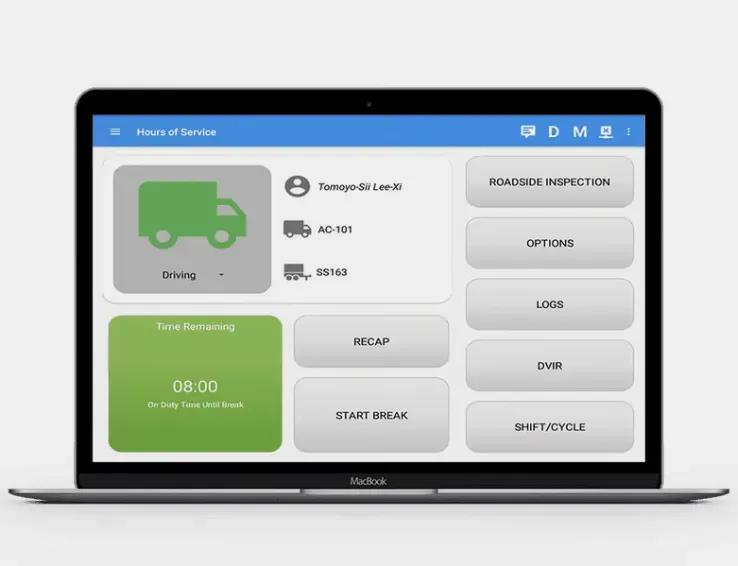
AI monitors and improves driver behavior through real-time feedback and data analysis. By utilizing telematics systems, AI can track various driving metrics, such as speed, braking patterns, and acceleration. This data is then analyzed to identify unsafe driving behaviors that may need correction.
Through personalized coaching and training programs, drivers can receive targeted feedback to enhance their skills. This focus on driver behavior not only improves safety but also contributes to better fuel efficiency and reduced wear and tear on vehicles. driver behavior monitoring.
AI Tools for Analyzing Driver Performance and Safety
Several AI tools are available to analyze driver performance and safety, including:
- AI Dash Cameras: These devices provide real-time video feedback on driving behavior, helping to identify risky actions.
- Mobile Digital Video Recorders: These recorders capture driving data and can be used for training and compliance purposes.
- Driver Scorecards: These tools evaluate driver performance based on various metrics, providing insights into areas for improvement.
By utilizing these tools, fleet managers can foster a culture of safety and accountability among drivers.
Driver Behavior Analytics and Compliance
Driver behavior analytics plays a crucial role in ensuring compliance with safety regulations. By monitoring driving patterns, fleet managers can identify potential risks and implement corrective actions. For more information, visit how AI improves driver behavior monitoring.
Automated reporting features can generate compliance reports that highlight areas of concern, making it easier to address issues proactively. This data-driven approach not only enhances safety but also helps in meeting regulatory requirements.
Vehicle Fleet Telematics in AI Solutions
Vehicle fleet telematics is integral to AI solutions, providing the data necessary for informed decision-making. Telematics systems collect data on vehicle location, speed, and performance, which AI algorithms analyze to derive actionable insights.
This integration allows for real-time monitoring of fleet operations, enabling managers to respond quickly to emerging issues. By leveraging telematics data, fleets can optimize their operations and enhance overall efficiency.
Indeed, the integration of telematics data with AI is foundational to developing intelligent fleet management systems that enhance efficiency and safety.
Telematics & AI for Intelligent Fleet Management: Efficiency & Safety
The rapid digitization of transportation systems has accelerated the adoption of intelligent fleet management solutions driven by vehicle telematics data. Telematics platforms integrate sensors, global positioning systems, onboard diagnostics, and wireless communication to generate continuous streams of data related to vehicle location, driver behavior, fuel consumption, and mechanical health. This paper presents a journal-ready, long-form evaluation of intelligent fleet management systems that leverage telematics data to improve operational efficiency, safety, and sustainability. The study examines the architecture of modern telematics-based fleet management systems, data acquisition mechanisms, analytics techniques, and decision-support applications. Emphasis is placed on performance metrics such as fuel efficiency, maintenance optimization, route planning, and driver. behavior assessment.
Evaluation of Intelligent Fleet Management Using Telematics Data, 2024
Integrating Telematics Data with AI for Fleet Insights
Telematics data is integrated with AI to provide comprehensive fleet insights through advanced analytics. By combining real-time data from telematics systems with AI algorithms, fleet managers can gain a holistic view of their operations.
This integration enables predictive analytics, allowing for proactive decision-making that enhances efficiency and safety. For instance, AI can analyze telematics data to identify patterns that indicate potential maintenance needs, ensuring that vehicles remain in optimal condition.
Key Telematics Metrics for Fleet Efficiency
Key telematics metrics for measuring fleet efficiency include:
- On-Time Delivery Rate: This metric assesses the percentage of deliveries made on schedule, reflecting operational efficiency.
- Vehicle Utilization Percentage: Monitoring how effectively vehicles are used helps in optimizing resource allocation.
- Idle Time Percentage: Reducing idle time can lead to significant fuel savings and improved overall efficiency.
By focusing on these metrics, fleet managers can identify areas for improvement and implement strategies that enhance performance.
How Safety Track Leverages AI to Unlock Fleet Efficiency
Safety Track leverages AI to unlock fleet efficiency by providing advanced analytics and real-time insights. Their software integrates predictive maintenance capabilities, allowing fleet managers to anticipate issues before they escalate.
By utilizing AI-driven data analysis, Safety Track enables businesses to optimize their operations, reduce costs, and enhance safety standards. This comprehensive approach positions Safety Track as a leader in the fleet management technology space.
Unique AI Features of Safety Track’s Software
Safety Track’s software is distinguished by several unique AI features, including:
- Comprehensive Driver Behavior Analysis: This feature provides in-depth insights into driving patterns, enabling targeted training.
- Automated Compliance Tracking: Ensures that fleets adhere to safety regulations through real-time monitoring and reporting.
- Advanced Alerts and Warnings: Notifies fleet managers of potential issues, allowing for timely interventions.
These features collectively enhance the effectiveness of fleet management, making Safety Track a valuable partner for businesses seeking to improve their operations.
Ensuring Compliance and Safety Standards with Safety Track
Safety Track ensures compliance and safety standards through a combination of real-time monitoring and automated reporting. Their software tracks various metrics related to driver behavior and vehicle performance, providing insights that help fleet managers maintain high safety standards.
By proactively addressing potential issues, Safety Track helps businesses avoid costly penalties and enhance their overall safety culture. This commitment to compliance positions Safety Track as a trusted partner in fleet management.
Latest Industry Trends and Statistics in AI Fleet Management
The latest industry trends in AI fleet management indicate a growing reliance on data-driven decision-making. Companies are increasingly adopting AI technologies to enhance operational efficiency and reduce costs. Recent statistics show that fleets utilizing AI solutions experience a reduction in operational costs and a significant improvement in safety metrics.
These trends highlight the importance of staying ahead in the competitive landscape of fleet management, where technology plays a pivotal role in driving success.
Evolution of AI Adoption in Fleet Management (2024-2026)
AI adoption in fleet management has evolved significantly from 2024 to 2026, with advancements in machine learning and data analytics driving innovation. Companies are now leveraging AI to enhance predictive maintenance, optimize logistics, and improve driver safety.
This evolution reflects a broader trend toward digital transformation in the industry, where businesses are increasingly recognizing the value of AI in achieving operational excellence.
Quantifiable Efficiency Gains from AI Solutions
AI solutions deliver quantifiable efficiency gains, including:
- Fuel Savings: Fleets utilizing AI for route optimization can achieve reductions in fuel costs.
- Accident Reduction: AI-driven safety programs have been shown to decrease accident rates.
- Maintenance Cost Reduction: Predictive maintenance strategies can lower maintenance costs through proactive interventions.
These gains underscore the transformative impact of AI on fleet management, making it an essential component of modern operations.
Implementing and Monitoring AI Fleet Management Solutions
Businesses can implement and monitor AI fleet management solutions by following a structured approach:
- Pilot Projects: Start with small-scale implementations to test the effectiveness of AI solutions before full-scale deployment.
- Training for Staff: Ensure that employees are trained on how to use AI tools effectively to maximize their benefits.
- Setting Clear KPIs: Establish key performance indicators to measure the impact of AI solutions on fleet operations.
By taking these steps, businesses can successfully integrate AI into their fleet management practices and monitor their progress over time.
Best Practices for Integrating AI Fleet Software
Best practices for integrating AI fleet software include:
- Start Small with Pilot Projects: Test AI solutions on a limited scale to assess their effectiveness before broader implementation.
- Invest in Training: Provide comprehensive training for staff to ensure they can effectively utilize AI tools.
- Monitor Financial Metrics: Regularly review financial metrics to evaluate the cost-effectiveness of AI solutions.
These practices help ensure a smooth transition to AI-driven fleet management, maximizing the potential benefits.
Key KPIs to Measure AI Impact on Fleets
To measure the impact of AI on fleets, several key performance indicators (KPIs) should be tracked: AI monitoring enhances fleet.
- Fuel Efficiency: Monitor fuel consumption to assess the effectiveness of AI-driven route optimization.
- Maintenance Costs: Track expenses related to vehicle maintenance to evaluate the impact of predictive maintenance strategies.
- Driver Behavior: Analyze driver performance metrics to determine the effectiveness of training programs and safety initiatives.
By focusing on these KPIs, fleet managers can gain valuable insights into the effectiveness of their AI solutions and make informed decisions for continuous improvement.
Jeff Stoker is the CEO and founder of Safety Track, a company he established in 2002. With over two decades of leadership in fleet management solutions, Jeff has guided Safety Track from a pioneering vision to a trusted industry leader. His innovative mindset and commitment to excellence continue to drive the company’s growth and impact.