✨ Why Driver Training Matters for Fleet Operations ✨
Safe driving is not just a matter of compliance—it can be the difference between a profitable operation and one burdened by unnecessary costs and liabilities. When you invest in fleet driver training tools, you’re setting the stage for a healthier bottom line and a safer working environment.
Reducing Accidents and Costs
Vehicle collisions and traffic violations can lead to skyrocketing insurance premiums, legal fees, and repair bills. Proper driver training solutions significantly lower the risk of accidents by reinforcing best practices and addressing risky behaviors before they escalate.
Boosting Fleet Efficiency
Drivers who’ve mastered safer road techniques often display better fuel economy, fewer maintenance issues, and improved on-time delivery rates. GPS-based driver training provides real-time data that can be used to optimize routes, minimize idle times, and reduce wear and tear on your vehicles.
Cultivating Continuous Improvement
With the right tools in place—like driver behavior monitoring and real-time analytics—your team can learn from every trip. This cyclical learning process results in ongoing refinements, helping your fleet stay competitive and adaptable in an ever-changing landscape.
Safety Track’s Tools for Driver Monitoring and Training
We’ve designed our driver training solutions to provide all the resources fleet managers and business owners need to oversee, coach, and motivate drivers.
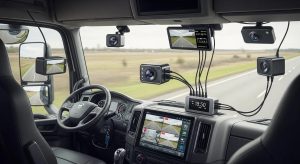
Having live viewing cameras in each vehicle gives you immediate visibility into driving conditions, route challenges, and driver behavior. This lets managers address safety violations as they happen rather than waiting for after-the-fact reports. You can Learn about driver behavior monitoring tools that go hand-in-hand with live video to create a powerful feedback loop.
Real-Time Footage: Spot drowsy driving, seatbelt non-compliance, or phone usage the moment it occurs.
Evidence Collection: In the event of an accident or complaint, high-definition footage provides indisputable evidence.
Quantifying performance is key to meaningful improvement. Our driver scorecards break down metrics like speeding, harsh braking, acceleration, and route adherence. Fleet managers can then Explore how you can improve driver training by using these insights to create targeted coaching plans.
Objective Metrics: Take the guesswork out of evaluations by relying on data-driven scores.
Performance Comparisons: Motivate your team with friendly competitions and rewards for top scorers.
Improved Accountability: When drivers know their performance is measured, they’re more likely to adopt safer driving habits.
GPS Integration
Our platform incorporates GPS-based driver training that leverages location data for more than just route planning. By analyzing real-time GPS signals, you can identify speed discrepancies, route deviations, and stop durations. This holistic approach ensures you have all the details needed to Discover GPS-based driver training solutions that drive meaningful results.
Real-Time Visibility: See vehicle locations and statuses for quick decision-making.
Geofence Compliance: Set boundaries and receive alerts when drivers leave approved areas.
Speed Monitoring: Keep speeding in check by reviewing route segments where drivers exceed safe limits.
Getting Started with Driver Training Solutions
Implementing Safety Track’s comprehensive driver training solutions is simpler than you might think. We streamline the entire process, allowing you to focus on running your business while we handle the details.
Talk to Us
Every fleet is unique. Share your specific challenges, be it frequent speeding incidents or high fuel costs. We’ll develop a tailored plan designed to address your primary concerns
Install and Integrate
Our team ensures a hassle-free setup of cameras, GPS devices, and any accessories you need. We also integrate our software with your existing fleet management platform if required, so you have a unified dashboard for easy oversight.
Start Monitoring and Training
Once everything is up and running, you’ll see immediate data coming in—from real-time video feeds to driver scorecards. Use this information to conduct targeted training sessions, reward top performers, and raise the safety bar for your entire fleet.
Key Benefits of Safety Track’s Driver Training Solutions
Our driver training solutions go beyond standard training modules to deliver both short-term gains and long-lasting cultural shifts within your fleet.
Real-Time Feedback
Live viewing cameras, combined with driver behavior monitoring, enable immediate coaching opportunities. This means you can correct unsafe actions—like sudden lane changes or distracted driving—before they become habits.
Enhanced Safety Protocols
By capturing video data of real-world events, you can hold more effective safety meetings. Show actual footage of good and bad driving examples, providing tangible lessons rather than theoretical guidelines. This is especially impactful for new hires who benefit from concrete demonstrations.
Driver Incentives and Scorecards
Introducing driver scorecards encourages a sense of competition and accountability. Recognize top performers at team meetings or through quarterly awards to reinforce the importance of safe driving. Over time, this positive reinforcement lowers turnover and raises overall morale.
Customizable Alerts and Metrics
Every fleet is different, which is why our fleet driver training tools let you set custom alerts for seatbelt usage, door status, harsh braking, SOS events, and more. You can then tailor training sessions based on each driver’s unique performance profile.
How Cameras and GPS Solutions Enhance Driver Training
The combination of live viewing cameras and GPS-based driver training provides deep insights that simple onboard diagnostics can’t match. These data points enable a proactive training strategy:
Use Footage to Teach: Real-world examples of excellent driving practices help reinforce lessons in training sessions. Equally, negative footage can illustrate exactly what went wrong and how to avoid similar mistakes in the future.
Track Key Metrics: Speeding, hard braking, and aggressive acceleration are often tell-tale signs of risky driving. By monitoring these metrics daily, managers can intervene before accidents occur.
Identify Trends: Is a particular route prone to more incidents? Are certain drivers consistently late on deliveries? GPS data, coupled with video evidence, reveals patterns that might otherwise go unnoticed. Armed with this information, you can create individualized coaching plans or company-wide training initiatives.
Recommendations for Driver Training
We offer a range of solutions for driver training designed to meet the diverse needs of fleets across various industries. From small businesses to large transport companies, our customizable solutions provide flexibility and scalability.
In-Vehicle Camera Solutions
Ideal for businesses wanting immediate insights into driver behavior monitoring. You’ll have real-time access to in-cab and road-facing footage, along with recorded incidents for detailed post-trip analysis.
If route optimization and on-the-fly driver feedback are a priority, our GPS-based driver training solutions integrate seamlessly with our camera systems. You’ll gain better fuel efficiency, on-time deliveries, and improved driver accountability.
Enhance your training toolkit with add-ons like seatbelt alerts, door-open notifications, and SOS buttons for emergency situations. These features give you an even deeper level of visibility and control over your fleet’s safety protocols.
Ready to Transform Your Fleet’s Safety and Efficiency?
Our driver training solutions give you the tools and insights to cultivate a driving culture rooted in safety and accountability. If you’re ready to see how our solutions can help your team excel:
Contact us today and explore how you can improve driver training with Safety Track. We’ll walk you through the platform, demonstrate real-world use cases, and show you how easy it is to implement our fleet management solutions. It’s time to invest in safer roads, happier drivers, and a more efficient fleet—one trip at a time.
Can driver training solutions reduce insurance costs?
Driver training solutions can effectively reduce insurance costs. By enhancing drivers' safety skills and reducing accident rates, these programs can lead to lower premiums and potential discounts from insurance providers for safer fleet operations.
How does driver coaching improve fleet safety records?
Driver coaching significantly improves fleet safety records by providing targeted training that addresses specific driving behaviors, thereby reducing the likelihood of accidents. By focusing on continuous learning and feedback, fleet managers can foster safer driving practices among their team.
What are the most effective driver safety solutions for fleet management?
The most effective driver safety solutions for fleet management include comprehensive training programs, real-time monitoring tools, and performance analytics. Implementing these solutions fosters safer driving practices, reduces accidents, and enhances overall fleet efficiency.
How do driver safety solutions impact insurance premiums?
Driver safety solutions can significantly reduce insurance premiums. By improving driver behavior and minimizing accidents, these solutions demonstrate lower risk to insurers, often leading to discounts and more favorable policy terms for fleet operators.
How does driver coaching improve driver behavior?
Driver coaching improves driver behavior by providing personalized feedback and targeted training that address specific areas of concern. This process encourages safer driving practices, promotes accountability, and ultimately enhances overall fleet safety and performance.
What are the benefits of online driver training solutions?
The benefits of online driver training solutions include enhanced flexibility, cost-effectiveness, improved safety awareness, and the ability to track progress easily. These programs empower fleet managers to provide targeted training that can lead to more efficient and safer driving practices.
Can driver coaching reduce accidents and claims?
Driver coaching can significantly reduce accidents and claims. By providing targeted training and feedback, drivers improve their skills, leading to safer driving practices and a decrease in incidents, ultimately lowering costs for fleet operations.
How do driver training solutions improve road safety?
Driver training solutions improve road safety by equipping drivers with essential skills, promoting safe driving habits, and providing ongoing assessments that identify risky behaviors, ultimately reducing the likelihood of accidents and enhancing overall fleet performance.
What is driver coaching for fleet managers and its importance?
Driver coaching for fleet managers is a method used to enhance driver performance and safety. Its importance lies in reducing accidents, improving fleet efficiency, and fostering a culture of continuous improvement, ultimately benefiting the overall bottom line of fleet operations.
What are the key performance indicators for driver coaching?
The key performance indicators (KPIs) for driver coaching include metrics such as safe driving scores, accident rates, fuel efficiency, and compliance with training modules. Monitoring these indicators helps fleet managers evaluate driver performance and coaching effectiveness.
Can AI-powered driver safety solutions reduce accidents?
AI-powered driver safety solutions can significantly reduce accidents by providing real-time monitoring, predictive analytics, and personalized training. These tools help identify risky driving behaviors, enabling timely interventions that promote safer driving practices within fleet operations.
What are the benefits of driver safety training programs?
The benefits of driver safety training programs include reduced accident rates, enhanced driver performance, increased fleet efficiency, and improved overall safety for both drivers and vehicles. These programs foster a culture of safety that can lead to significant cost savings for fleet operations.
What impact do driver training programs have on morale?
The impact of driver training programs on morale is significant. These programs empower drivers with knowledge and skills, fostering confidence and job satisfaction, while demonstrating that the company values their well-being and professional development.
How frequently should driver safety training occur?
Driver safety training should occur regularly to ensure continuous improvement and adherence to best practices. Ideally, training should be conducted at least once a year, with additional sessions for new hires or following incidents to reinforce safe driving behaviors.
What technology enhances driver coaching effectiveness?
The technology that enhances driver coaching effectiveness includes telematics systems, which provide real-time data on driver behavior, combined with analytical tools that offer insights for personalized training and performance evaluations.
How do driver training solutions support compliance requirements?
Driver training solutions support compliance requirements by ensuring that drivers are educated on safety regulations, legal standards, and operational policies. These programs help maintain adherence to industry guidelines, thereby reducing the risk of violations and enhancing overall fleet accountability.
What incentives encourage participation in driver training programs?
Incentives that encourage participation in driver training programs include improved safety records, reduced insurance costs, enhanced employee morale, and potential bonuses for achieving training milestones. These factors collectively contribute to a more efficient and responsible fleet operation.
How can fleet managers assess driver improvement?
Fleet managers can assess driver improvement by utilizing performance metrics from driver training programs, monitoring safety scores, tracking incident rates, and analyzing behavior through telematics data. Regular feedback and assessments also foster continuous growth and accountability.
What types of assessments do driver training programs use?
Driver training programs utilize various assessments, including behind-the-wheel evaluations, knowledge tests, and performance metrics. These evaluations help identify driver strengths and areas for improvement, ensuring tailored training for enhanced safety and efficiency.
How do driver coaching methods vary across fleets?
Driver coaching methods vary across fleets based on factors like company goals, the specific needs of drivers, and the type of vehicles used. Some fleets may focus on personalized coaching, while others might implement standardized training programs to enhance overall safety and efficiency.
What role do simulators play in driver training?
The role of simulators in driver training is to provide a safe, controlled environment for drivers to practice skills and scenarios without real-world risks. They enhance learning by simulating various driving conditions and challenges, allowing for immediate feedback and improvement in driver performance.
How can driver training solutions reduce liability risks?
Driver training solutions can significantly reduce liability risks by equipping drivers with essential skills and knowledge to handle various driving situations safely. This proactive approach minimizes accidents and enhances compliance with traffic regulations, ultimately protecting the fleet and its operators from costly legal claims.
What metrics evaluate the success of driver coaching?
Metrics that evaluate the success of driver coaching include reduced accident rates, improved driver performance scores, increased fuel efficiency, and enhanced compliance with safety regulations. Analyzing these indicators helps assess the effectiveness of the training program.
How do you measure driver engagement in training?
Measuring driver engagement in training involves tracking participation levels, completion rates of training modules, and assessing feedback through quizzes and assessments. Additionally, monitoring real-time performance data helps gauge the effectiveness and impact of the training on driving behavior.
What improvements can be seen from driver coaching?
The improvements seen from driver coaching include enhanced safety, reduced accident rates, increased fuel efficiency, and better overall driver performance, leading to a healthier bottom line for fleet operations.
How do peer evaluations contribute to driver training?
Peer evaluations contribute to driver training by fostering collaborative learning, allowing drivers to share feedback and experiences, which enhances individual skills and promotes a culture of safety within the fleet. This feedback loop encourages continuous improvement in driving practices.
What are common challenges in implementing driver training?
Common challenges in implementing driver training include resistance to change among drivers, varying skill levels, and difficulties in scheduling training sessions without disrupting operations. Additionally, ensuring consistent engagement and measuring training effectiveness can be demanding for fleet managers.
How can driver safety solutions be tailored for fleets?
Driver safety solutions can be tailored for fleets by assessing specific operations, customizing training programs to address unique challenges, and utilizing technology for monitoring performance, ensuring that each fleet receives a solution that enhances safety and efficiency.
What feedback mechanisms exist for driver training programs?
Feedback mechanisms for driver training programs include performance assessments, driver monitoring tools, post-training evaluations, and regular progress reviews to identify strengths and areas for improvement, ensuring continual enhancement of driving skills and safety practices.
driver safety solutions, driver coaching for fleet managers, driver training software solutions, fleet driver coaching, fleet driver training companies, fleet driver safety training, platforms for driver training and coaching, driver safety solution, Driver Training Solutions: Safer, More Efficient Fleets, Empowering Drivers with Essential Knowledge and Training Tools, Why Driver Training Matters for Fleet Operations, Reducing Accidents and Costs, Cultivating Continuous Improvement, Boosting Fleet Efficiency
Comprehensive Overview of Driver Training Solutions
Driver training solutions are essential for fleet operations aiming to enhance safety and efficiency. By implementing structured training programs, businesses can significantly reduce accidents and improve overall driver performance. These solutions not only focus on compliance with regulations but also foster a culture of safety within the organization.
For instance, companies that have adopted comprehensive driver training programs report a decrease in collision rates and improved driver behavior. This proactive approach not only protects the lives of drivers and the public but also contributes to long-term cost savings by minimizing insurance claims and vehicle repairs.
Integrating Technology into Driver Training
Technology plays a crucial role in modern driver training solutions, offering tools that enhance learning and accountability. Utilizing GPS tracking, real-time feedback, and video monitoring, fleet managers can provide targeted coaching and support to their drivers, ensuring they adhere to best practices on the road.
For example, integrating telematics systems allows for the analysis of driving patterns, enabling managers to identify areas where drivers may need additional training. This data-driven approach not only improves safety outcomes but also empowers drivers by providing them with the insights needed to enhance their skills.
Measuring the Impact of Driver Training Programs
Assessing the effectiveness of driver training programs is vital for continuous improvement. By establishing key performance indicators (KPIs), fleet managers can track metrics such as accident rates, fuel efficiency, and driver compliance with safety protocols. Regularly reviewing these metrics helps in refining training approaches and ensuring that the desired outcomes are achieved.
Additionally, feedback from drivers about the training received can provide valuable insights into the program's effectiveness. Surveys and performance reviews can highlight areas for improvement, ensuring that the training remains relevant and impactful over time.
Future Trends in Fleet Driver Training
As the transportation industry evolves, so too do the methods and technologies used in driver training. Emerging trends include the use of virtual reality (VR) for immersive training experiences and artificial intelligence (AI) for personalized coaching. These advancements promise to enhance the learning experience and better prepare drivers for real-world challenges.
Moreover, as electric and autonomous vehicles become more prevalent, driver training programs will need to adapt accordingly. Emphasizing new technologies and their implications for safety will be crucial in preparing drivers for the future of transportation.