
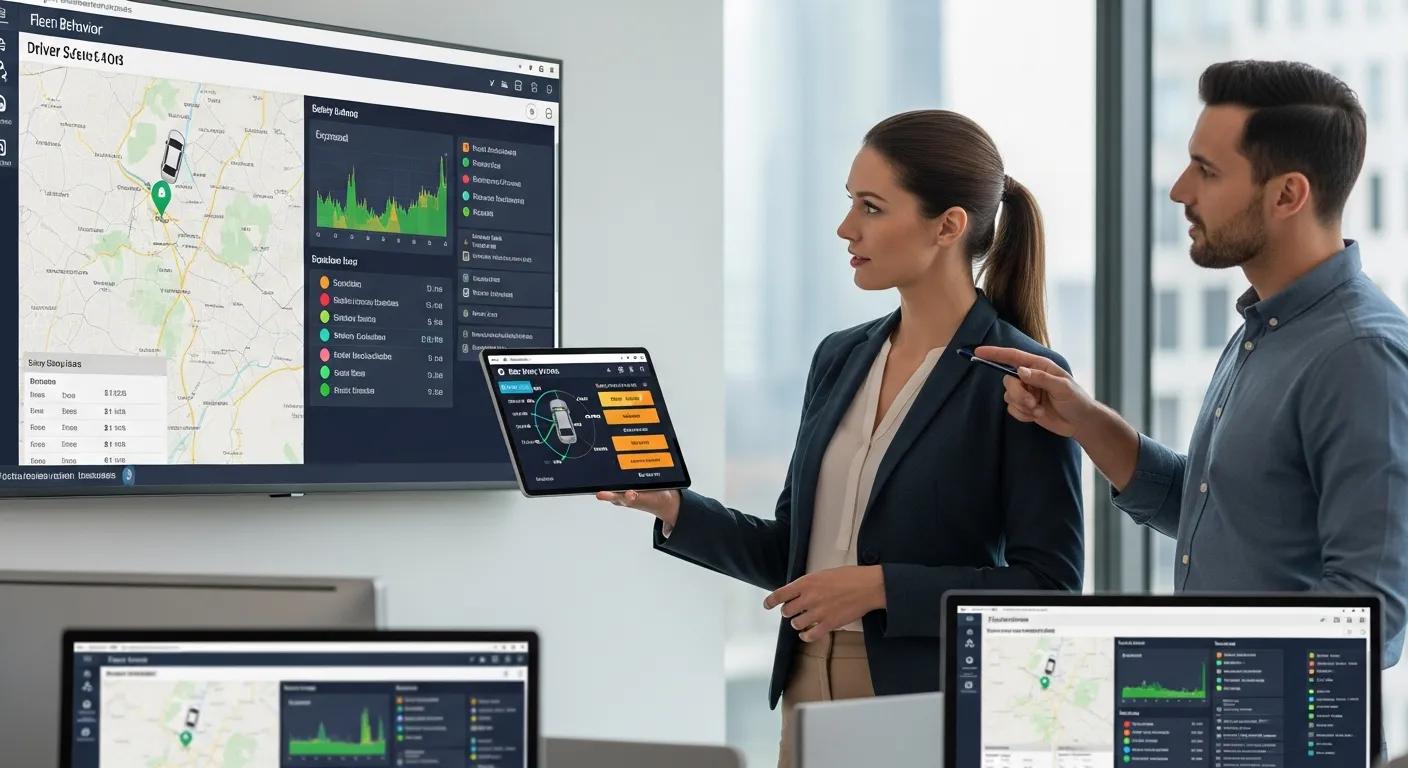
Boost Driver Safety with Proven Fleet Management Solutions
Enhance Driver Safety with Advanced Fleet Safety Technology
In the realm of fleet management, enhancing driver safety is paramount. Effective fleet management solutions leverage advanced technologies to monitor and analyze driver behavior, ultimately reducing accident risks and improving overall safety. This article delves into the various technologies and strategies that can significantly enhance driver safety, providing fleet managers with actionable insights. By understanding the mechanisms behind fleet safety technology, businesses can implement proactive measures to protect their drivers and assets. We will explore specific technologies, implementation strategies, measurable outcomes, and the role of data analytics in optimizing fleet safety.
Specific Technologies
Fleet safety technology encompasses a range of innovative solutions designed to monitor and improve driver behavior. Key technologies include: fleet safety technology.
- Telematics for Real-Time Monitoring: Telematics systems provide real-time data on vehicle location, speed, and driver behavior, enabling fleet managers to make informed decisions.
- AI-Powered Dash Cameras: These cameras utilize artificial intelligence to analyze driving patterns and provide feedback, helping to identify risky behaviors.
- Driver Behavior Analytics: This technology assesses various metrics related to driver performance, allowing for targeted training and improvement strategies.
By integrating these technologies, fleet managers can create a safer driving environment and reduce the likelihood of accidents.
Further research highlights the comprehensive capabilities of AI-driven systems in continuously assessing and improving driver behavior for enhanced fleet safety.
AI Driver Monitoring for Enhanced Fleet Safety & Efficiency
This paper presents an advanced AI-powered Driver Monitoring System designed to continuously assess driver behavior, fatigue, distractions, and emotional state across various driving conditions. By providing real-time alerts and insights to vehicle owners, fleet operators, and safety personnel, the system significantly enhances road safety.
AI-Powered Intelligent Cognitive Lens for Driver Monitoring for Safe Transportation and Increased Fleet Efficiency Abstract, 2026
Implementation Strategies
Implementing fleet safety technologies requires a strategic approach to ensure effectiveness. Key strategies include:
- Real-Time Monitoring Systems: Establishing systems that provide continuous feedback on driver performance can lead to immediate improvements in safety.
- Comprehensive Driver Training Programs: Training drivers on safe driving practices and the use of technology can enhance their awareness and skills.
- Data-Driven Decision Making: Utilizing data analytics to inform decisions about driver behavior and safety measures can lead to more effective management strategies.
Safety Track specializes in providing fleet management solutions that focus on improving driver safety through technology-driven monitoring and analytics. By adopting these strategies, fleet managers can significantly enhance their safety programs.
Measurable Outcomes
The implementation of fleet safety technologies can lead to several measurable outcomes, including:
- Reduction in Accident Rates: Effective monitoring and training can lead to a significant decrease in accidents, enhancing overall fleet safety.
- Improved Compliance: Adhering to safety regulations becomes easier with real-time monitoring and analytics, ensuring that drivers meet compliance standards.
- Cost Savings: Reducing accidents and improving compliance can lead to lower insurance premiums and maintenance costs, resulting in substantial savings for fleet operators.
These outcomes highlight the importance of investing in fleet safety technologies to achieve long-term benefits.
How Does Fleet Safety Technology Enhance Driver Behavior Monitoring?
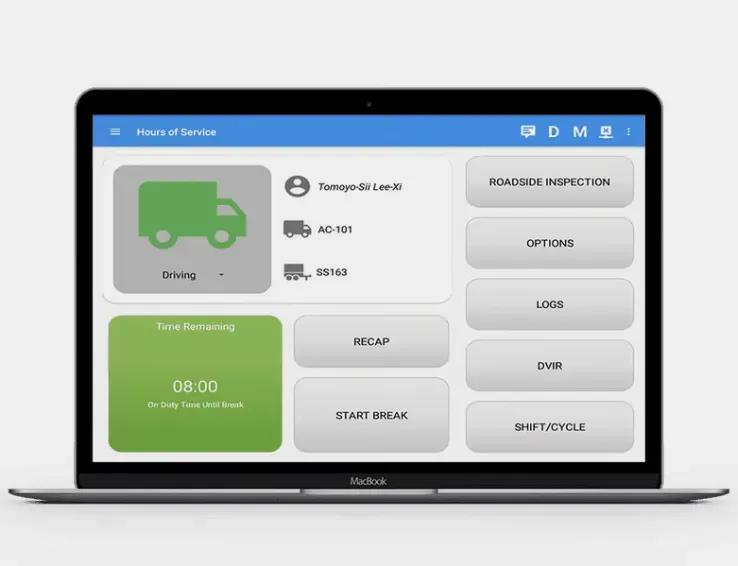
Fleet safety technology enhances driver behavior monitoring by providing real-time insights into driving patterns and performance. Technologies such as telematics and AI-powered dash cameras collect data on various metrics, including speed, braking patterns, and acceleration. This data is analyzed to identify risky behaviors, allowing fleet managers to intervene proactively. By offering immediate feedback to drivers, these technologies foster a culture of safety and accountability, ultimately leading to improved driving habits and reduced accident risks.
What Are the Key Features of Driver Behavior Monitoring Systems?
Driver behavior monitoring systems come equipped with several key features that enhance their effectiveness: driver monitoring systems regulations.
- Real-Time Monitoring: Continuous tracking of driver performance allows for immediate feedback and intervention.
- Behavior Analytics: These systems analyze driving patterns to identify areas for improvement, enabling targeted training.
- Instant Feedback: Providing drivers with real-time feedback on their performance encourages safer driving practices.
These features collectively contribute to a more comprehensive approach to driver safety.
How Does Real-Time Monitoring Reduce Accident Risks?
Real-time monitoring significantly reduces accident risks by providing immediate feedback and coaching to drivers. When drivers are aware that their behavior is being monitored, they are more likely to adhere to safe driving practices. Additionally, real-time data allows fleet managers to identify and address risky behaviors promptly. This proactive approach to risk management not only enhances driver safety but also fosters a culture of accountability within the fleet.
What Are the Benefits of Fleet Telematics Solutions for Vehicle Safety Management?
Fleet telematics solutions offer numerous benefits for vehicle safety management, including:
- Real-Time Monitoring: Continuous tracking of vehicle performance and driver behavior enhances safety oversight.
- Driver Behavior Analytics: Insights into driving patterns enable targeted training and improvement strategies.
- Cost Savings: Improved safety leads to reduced accident rates and lower insurance costs.
These benefits underscore the value of fleet safety technology in enhancing fleet safety.
How Do Telematics Improve Compliance and Risk Reduction?
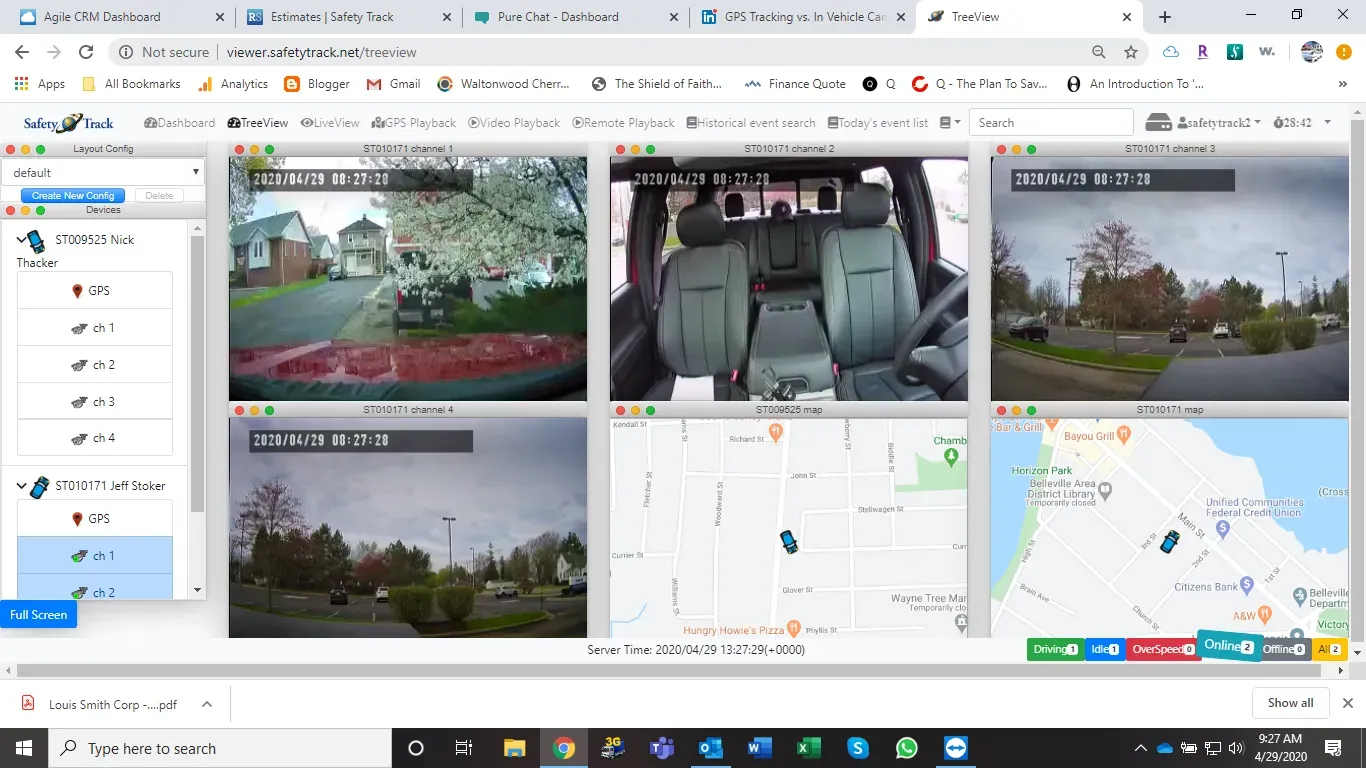
Telematics improve compliance and risk reduction by providing real-time data that helps fleet managers ensure adherence to safety regulations. By monitoring driver behavior and vehicle performance, telematics systems can identify potential compliance issues before they escalate. Additionally, the data collected can be used to inform training programs and safety initiatives, further reducing risks associated with non-compliance.
What Role Does Data Analytics Play in Fleet Safety Optimization?
Data analytics plays a crucial role in optimizing fleet safety by transforming raw data into actionable insights. By analyzing driver behavior and vehicle performance metrics, fleet managers can identify trends and patterns that inform safety strategies. This data-driven approach allows for continuous improvement in safety programs, ensuring that fleet operations remain compliant and efficient.
Which Fleet Risk Reduction Strategies Are Most Effective for Driver Safety?
Several fleet risk reduction strategies have proven effective in enhancing driver safety:
- Telematics Systems: These systems provide real-time data that helps identify and mitigate risks.
- AI Dash Cameras: Utilizing AI technology to analyze driving behavior can lead to significant improvements in safety.
- Driver Training Programs: Comprehensive training initiatives ensure that drivers are equipped with the knowledge and skills necessary for safe driving.
Implementing these strategies can lead to a safer driving environment and reduced accident rates.
How Can Fleet Managers Implement Proactive Safety Programs?
Fleet managers can implement proactive safety programs by focusing on the following key areas:
- Regular Maintenance: Ensuring that vehicles are well-maintained reduces the likelihood of mechanical failures that can lead to accidents.
- Driver Training Programs: Ongoing training helps reinforce safe driving practices and keeps drivers informed about new technologies.
- Behavior Monitoring: Utilizing technology to monitor driver behavior allows for timely interventions and improvements.
By prioritizing these areas, fleet managers can create a culture of safety within their organizations.
What Are Best Practices for Integrating Technology and Training?
Integrating technology and training effectively requires adherence to best practices, including:
- Comprehensive Training Programs: Training should cover both the use of technology and safe driving practices.
- Leverage Telematics: Utilizing telematics data to inform training initiatives ensures that programs are relevant and effective.
- Continuous Improvement Processes: Regularly updating training materials and methods based on new data and technologies keeps programs effective.
These best practices ensure that technology and training work together to enhance driver safety.
How Can Businesses Measure the Impact of Fleet Safety Solutions?
Businesses can measure the impact of fleet safety solutions through various metrics, including:
- Key Performance Indicators (KPIs): Tracking metrics such as accident rates and compliance levels provides insight into the effectiveness of safety programs.
- Regular Performance Reviews: Conducting performance reviews helps identify areas for improvement and ensures that safety initiatives remain effective.
- Customer Testimonials: Gathering feedback from drivers and stakeholders can provide qualitative insights into the impact of safety solutions.
By utilizing these measurement strategies, businesses can assess the effectiveness of their fleet safety initiatives.
What Metrics Demonstrate Improved Driver Safety and ROI?
Several metrics can demonstrate improved driver safety and return on investment (ROI), including:
- Accident Rates: A decrease in accident rates is a clear indicator of improved safety.
- Driver Performance Scores: Monitoring driver performance can highlight improvements in safe driving practices.
- Insurance Claims Frequency: A reduction in the frequency of insurance claims indicates enhanced safety and risk management.
These metrics provide valuable insights into the effectiveness of fleet safety solutions.
How Do Case Studies Support Fleet Safety Technology Adoption?
Case studies play a vital role in supporting fleet safety technology adoption by providing real-world examples of successful implementations. They highlight key safety metrics, such as reductions in accident rates and improvements in compliance, demonstrating the tangible benefits of adopting advanced technologies. Regular performance reviews and customer testimonials further reinforce the value of these technologies, encouraging other businesses to invest in fleet safety solutions.
Conclusion
Implementing effective fleet management solutions significantly enhances driver safety through advanced technologies and proactive strategies. By leveraging real-time monitoring, behavior analytics, and comprehensive training, businesses can reduce accident rates and improve compliance, ultimately leading to cost savings. The value of these technologies is evident in their measurable outcomes, which foster a culture of safety and accountability. Discover how our fleet safety solutions can transform your operations today.
Jeff Stoker is the CEO and founder of Safety Track, a company he established in 2002. With over two decades of leadership in fleet management solutions, Jeff has guided Safety Track from a pioneering vision to a trusted industry leader. His innovative mindset and commitment to excellence continue to drive the company’s growth and impact.