
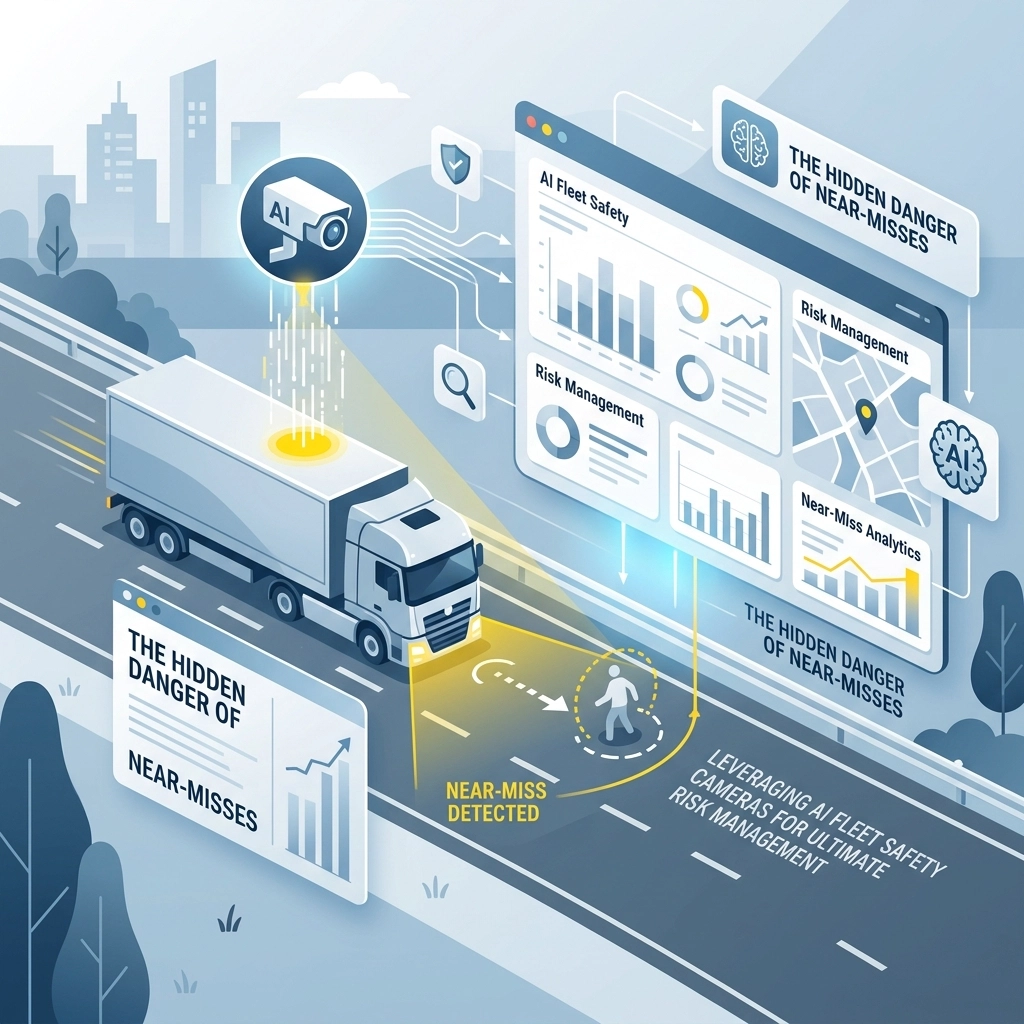
Proactive Near-Miss Risk Management with AI Fleet Safety Cameras
As we wrap up April, which is recognized globally as Risk Management Month, fleet owners and safety managers are taking a hard look at their safety protocols. While many organizations focus on reducing the number of actual collisions, there is a silent threat lurking in the data that often goes unnoticed until it is too late: the near-miss.
A near-miss is an unplanned event that did not result in injury, illness, or damage: but had the potential to do so. In the world of logistics and transportation, these are the close calls, the sudden swerves, and the “heart-in-throat” moments that drivers experience daily. Without the right technology, these incidents remain invisible to management. However, with modern fleet camera systems, these hidden dangers are brought to light, providing the ultimate tool for proactive risk management.
The Iceberg Theory of Fleet Risk
In safety science, experts often refer to Heinrich’s Pyramid or the “Iceberg Theory.” The premise is simple: for every major accident, there are dozens of minor incidents and hundreds of near-misses. If a fleet only manages the accidents it sees, it is only addressing the tip of the iceberg. The real danger lies beneath the surface in the form of risky driving behaviors that haven’t caused a wreck yet.
Traditional telematics could tell you if a driver braked hard, but it couldn’t tell you why. Was it because a child ran into the street, or because the driver was looking at a smartphone? This is where a commercial dash cam system powered by Artificial Intelligence (AI) changes the game. By identifying the root cause of near-misses, companies can intervene before a catastrophic event occurs.

Why Near-Misses are the Most Important Data Points
Near-misses are essentially “free lessons.” They provide all the data of an accident without the physical damage, legal liability, or insurance hikes. When a fleet utilizes a dual dash cam for fleets, they gain a 360-degree view of these events.
- Identifying Behavioral Trends: A single near-miss might be a fluke. A pattern of five near-misses involving following too closely is a red flag.
- Validating Driver Skill: Sometimes, a near-miss is actually a display of excellent defensive driving. AI cameras allow managers to recognize and reward drivers who successfully avoided a hazard created by another motorist.
- Predictive Maintenance: Frequent near-misses often involve harsh braking or rapid acceleration, which accelerate vehicle wear and tear.
By focusing on these metrics during Risk Management Month, fleets can transition from a reactive “damage control” mindset to a proactive “prevention” strategy. For more on how to maintain these systems, check out the ultimate spring maintenance checklist for commercial dash cam systems.
How AI Detects the “Unseen”
The best dash cam for fleet vehicles today isn’t just a recording device; it’s an intelligent co-pilot. Unlike basic cameras that simply loop video, AI-enhanced systems use computer vision to analyze the environment and the driver’s behavior in real-time.
1. Distraction and Drowsiness Detection
One of the leading causes of near-misses is driver distraction. AI cameras can detect when a driver’s eyes leave the road for an extended period, whether they are looking at a phone or nodding off due to fatigue. The system provides an in-cab alert, giving the driver the split-second they need to refocus and avoid a collision.
2. Following Distance Monitoring
Tailgating is a primary precursor to rear-end collisions. Fleet camera systems can measure the distance between the truck and the vehicle ahead. If the “time to collision” drops below a safe threshold, the AI logs a near-miss event, even if no braking occurred.
3. Lane Departure Warnings
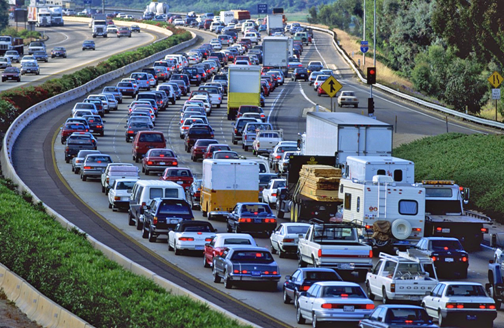
Unintentional lane drifting is often a sign of impairment or extreme fatigue. AI sensors track road markings and alert the driver if they begin to drift without a turn signal. This prevents sideswipe near-misses that are common in heavy freeway traffic.

The Financial Impact of Ignoring Near-Misses
The cost of an actual accident is staggering. Between vehicle repairs, cargo loss, medical bills, and potential “nuclear verdicts” in court, a single wreck can bankrupt a small to mid-sized fleet. However, the costs of “invisible” near-misses also add up over time.
When drivers engage in the behaviors that lead to near-misses: such as speeding or aggressive maneuvering: fuel efficiency drops and insurance companies take note. High-risk behavior, even without claims, can lead to premium increases. Conversely, implementing a commercial dash cam system and showing a commitment to risk management can lead to significant savings. In fact, many fleet camera systems deliver significant cost savings by lowering insurance premiums and reducing fuel consumption.
Furthermore, these cameras provide the evidence needed to exonerate drivers in “he-said, she-said” scenarios. If a passenger vehicle cuts off a truck and slams on the brakes (a “crash for cash” scam), the AI camera captures the near-miss or the incident, proving the professional driver was not at fault.
Moving Beyond Simple Monitoring: The Power of Video Telematics
Data is only useful if it is actionable. This is why how AI fleet optimization tools transform your operations is a critical topic for modern managers. A high-quality dual dash cam for fleets integrates with a centralized software platform that categorizes events by risk level.
Instead of watching hours of boring footage, a safety manager receives a curated list of the “Top 10” riskiest events of the day. This allows for targeted coaching. Rather than a general safety meeting, a manager can sit down with a specific driver and say, “Let’s look at this close call from Tuesday and discuss how we can keep a better buffer zone in heavy traffic.”
This data-driven approach is far more effective than traditional methods. As we discuss in our post on why fleet management safety training should choose data over tradition, using real video evidence makes coaching sessions indisputable and more impactful.
Balancing Safety and Privacy
A common hurdle in deploying the best dash cam for fleet vehicles is driver pushback regarding privacy. It is essential to frame these systems as a “safety shield” rather than a “spy in the cab.”
Risk Management Month is the perfect time to have these conversations. Explain to drivers that the AI is there to:
- Protect them from false insurance claims.
- Provide coaching that could save their life.
- Ensure the company remains profitable so their jobs are secure.
Most modern systems, like those offered by Safety Track, are designed to respect privacy by only uploading video when a specific safety trigger is met. For more tips on navigating this delicate balance, read our guide on fleet monitoring vs. employee privacy rights.
Technical Considerations: Choosing the Right Hardware
When selecting a commercial dash cam system, you must consider the harsh environment of a commercial vehicle. The hardware needs to withstand extreme temperatures, constant vibration, and long hours of operation.
- Storage and Connectivity: Does the camera rely on SD cards that can fail, or does it upload to the cloud? Real-time connectivity is vital for immediate risk intervention.
- Resolution: Lower-quality cameras may not capture license plates or facial expressions during a distraction event. Look for HD resolution and night vision capabilities.
- AI Integration: Ensure the AI is “on the edge,” meaning the processing happens inside the camera for instant alerts, rather than waiting for the video to be processed in the cloud minutes later.
For a deeper dive into the selection process, check out our resource on how to choose the best fleet camera system.
Real-World Scenario: The Near-Miss That Saved Thousands
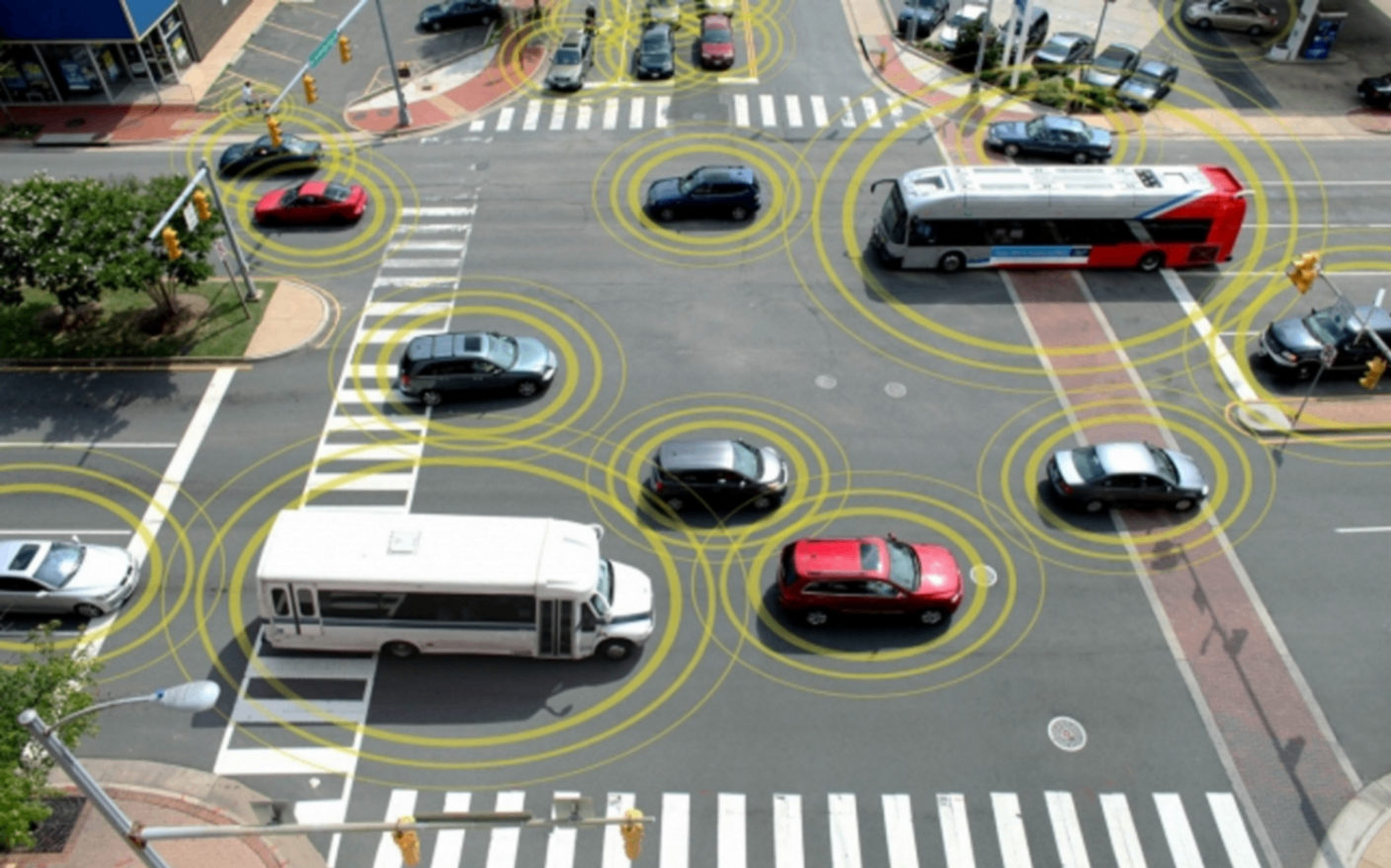
Imagine a semi-truck traveling through a busy city intersection. The light is green, but a pedestrian, distracted by their own phone, steps into the crosswalk. The AI camera detects the pedestrian and the truck’s speed, calculating a high risk of collision. It emits a loud, audible “Pedestrian Ahead!” alert.
The driver, who was momentarily checking his side mirror, slams on the brakes. The truck stops inches from the pedestrian. In a world without fleet camera systems, this event might never have been reported. Or worse, if the driver hadn’t been alerted, it would have been a tragedy.
Because the fleet was using a dual dash cam for fleets, the safety manager received a notification of the “Emergency Braking” event along with the video clip. This video was used in the next safety meeting to demonstrate the importance of intersection awareness. It didn’t just prevent one accident; it educated the entire fleet, potentially preventing dozens more.
Building a Culture of Safety
Risk management isn’t a one-time event; it’s a culture. While April is the designated month for awareness, the tools you implement now will protect your fleet all year round. From navigating unpredictable spring weather to dealing with the heat of summer, the best dash cam for fleet vehicles provides consistent, unbiased oversight.
By embracing AI and video telematics, you are telling your drivers and your clients that safety is your top priority. You are choosing to see the “hidden” dangers and address them head-on. This transparency builds trust with insurers, improves driver retention, and ultimately ensures that everyone on the road gets home safely.
Conclusion: Take Action Today
The transition from traditional fleet management to AI-driven risk management is no longer a luxury: it is a necessity in today’s litigious and fast-paced transportation industry. Near-misses are the warning signs that something is wrong. Ignoring them is an invitation for disaster.
At Safety Track, we specialize in providing the hardware and software solutions that turn “close calls” into “coaching moments.” Whether you are looking for a dash cam with live streaming or a comprehensive AI fleet monitoring suite, we have the expertise to help you protect your assets and your people.
Don’t let the end of Risk Management Month be the end of your safety efforts. Invest in a robust commercial dash cam system and start seeing what you’ve been missing. The road ahead is unpredictable, but with AI as your co-pilot, you’ll be ready for whatever comes your way.
Ready to eliminate the hidden risks in your fleet? Explore our AI Fleet Dash Cameras or contact our team today to find the perfect fit for your operations.

Tyler Schneider is the IT Director at Safety Track, overseeing the company’s technological infrastructure and innovations. With a strong background in information technology and systems management, Tyler ensures that Safety Track stays at the forefront of tech solutions in fleet management. His strategic expertise supports the seamless integration of technology across the company’s operations.