
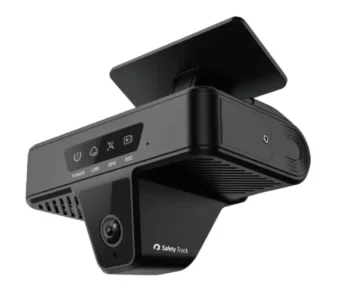
Fleet Cameras Enhance Driver Safety Effectively
Fleet Cameras Enhance Driver Safety
Fleet cameras are revolutionizing the way companies approach driver safety, providing a comprehensive solution to monitor and enhance the safety of their drivers. These advanced systems utilize real-time monitoring and video telematics technology to capture critical data that can prevent accidents and improve overall fleet management. As businesses face increasing pressure to ensure the safety of their drivers and reduce liability, fleet cameras offer a proactive approach to addressing these challenges. This article will explore how fleet dash cameras improve driver safety, the technology behind them, and the key benefits they provide for fleet management. Additionally, we will discuss how to choose the right system for your business needs and the future trends in fleet camera technology.
How Do Fleet Dash Cameras Improve Driver Safety?
Fleet dash cameras significantly enhance driver safety through various mechanisms. They provide real-time monitoring capabilities that allow fleet managers to observe driving behaviors and respond to incidents as they occur. By tracking driver behavior, these systems can identify risky actions, such as harsh braking or rapid acceleration, and provide immediate feedback to drivers. This proactive approach not only helps in incident prevention but also fosters a culture of accountability among drivers. Furthermore, in the event of an accident, dash cameras can exonerate drivers by providing clear video evidence of the incident, protecting both the driver and the company from false claims.
For businesses looking to implement these systems, Safety Track offers a range of fleet management resources designed to meet diverse operational needs. Their products integrate seamlessly with existing fleet management systems, ensuring that companies can enhance their safety protocols without significant disruptions.
Real-Time Monitoring and Video Telematics Technology

Real-time monitoring is a cornerstone of fleet camera technology, enabling fleet managers to access live video feeds and data analytics. This technology enhances safety features by allowing for immediate intervention in unsafe driving situations. For instance, if a driver engages in risky behavior, fleet managers can provide instant feedback, helping to correct the behavior before it leads to an accident. Additionally, video telematics systems collect data that can be analyzed to identify trends and patterns in driver behavior, leading to more informed decision-making regarding training and safety protocols.
Driver Behavior Tracking and Risk Management Benefits
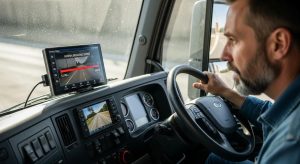
Tracking driver behavior is essential for effective risk management. Fleet cameras continuously monitor driving patterns, providing insights into how drivers operate their vehicles. This data can be used to generate driver scorecards, which highlight areas for improvement and help in coaching drivers to adopt safer practices. Real-time alerts for unsafe behaviors, such as speeding or distracted driving, can also be set up, allowing for immediate corrective actions. Improved accountability among drivers is another significant benefit, as they become more aware of their driving habits and the potential consequences of unsafe actions.
Further research emphasizes the development of sophisticated AI frameworks for identifying and assessing driving risks through multi-dimensional data analysis.
AI Framework for Driving Risk Identification & Safety Assessment
This research develops a comprehensive artificial intelligence framework for driving behavior risk identification and safety assessment through multi-dimensional data analysis and machine learning algorithms. The proposed methodology integrates heterogeneous data sources including vehicle kinematics, environmental conditions, and driver physiological signals to construct a probabilistic risk assessment model.
Research on Driving Behavior Risk Identification and Safety Assessment Methods Based on Artificial Intelligence, 2025
What Are the Key Benefits of Video Telematics for Fleet Management?
Video telematics offers several key benefits for fleet management, including:
- Improved Safety and Accountability: By providing real-time feedback and monitoring, fleet cameras enhance driver accountability and safety.
- Operational Efficiency: The data collected can help optimize routes and reduce fuel consumption, leading to cost savings.
- Cost Reduction Through Optimized Routes: Analyzing driving patterns allows for better route planning, which can decrease operational costs.
These benefits collectively contribute to a safer and more efficient fleet operation.
Enhancing Safety Compliance and Reducing Accident Rates
Fleet cameras play a crucial role in enhancing safety compliance by integrating with existing safety protocols. They provide real-time GPS tracking, which can be used to ensure that drivers adhere to designated routes and safety regulations. Additionally, the data analysis capabilities of these systems allow fleet managers to make informed decisions based on historical data, further reducing accident rates. By documenting compliance with safety standards, companies can also prepare for audits and demonstrate their commitment to safety.
Lowering Insurance Costs Through Verified Incident Evidence
One of the significant advantages of fleet cameras is their ability to provide verified incident evidence, which can lead to lower insurance costs. Clear documentation of incidents helps improve risk profiles for insurers, as they can assess the safety measures in place. This evidence can expedite claim resolutions, reducing the time and resources spent on disputes. As a result, companies can negotiate better insurance premiums based on their demonstrated commitment to safety.
How Do Vehicle Camera Systems Integrate with Commercial Fleet Operations?
Vehicle camera systems integrate seamlessly with commercial fleet operations by connecting with GPS systems and other telematics tools. This connectivity allows for real-time data sharing, enhancing operational efficiency. Fleet managers can access live feeds and historical data from a centralized platform, making it easier to monitor driver behavior and vehicle performance. The integration of these systems supports a holistic approach to fleet management, where safety and efficiency go hand in hand.
Installation and Technical Specifications of Fleet Camera Systems
Installing fleet camera systems involves several technical specifications that must be considered. Key factors include camera dimensions, data usage, and the installation process. Companies should evaluate different models based on their specific needs, ensuring that the chosen system aligns with their operational requirements. Understanding these specifications is crucial for effective implementation and maximizing the benefits of fleet cameras.
Data Management and Cloud Storage Solutions for Fleet Monitoring
Data management is a critical aspect of fleet monitoring, as it involves storing and analyzing the vast amounts of data generated by fleet cameras. Cloud storage solutions offer scalable options for managing video footage and telemetry data, allowing fleet managers to access information from anywhere. Real-time video playback capabilities enable quick reviews of incidents, facilitating timely decision-making and response.
Seamless Integration of Vehicle Cameras into Commercial Fleets
Numerous case studies highlight the effectiveness of fleet cameras in improving driver safety. For instance, companies that have implemented these systems report significant reductions in accident rates and improved driver behavior. Customer testimonials often emphasize the positive impact on operational efficiency and safety culture within their organizations. These real-world examples provide compelling evidence of the benefits of fleet cameras.
Customer Testimonials and Real-World Fleet Safety Improvements
Customer testimonials reveal the transformative impact of fleet cameras on safety and operational efficiency. Many clients report enhanced safety compliance and a noticeable decrease in accidents after implementing these systems. Statistics on safety improvements often highlight the effectiveness of real-time monitoring and driver behavior analytics in fostering a culture of safety within fleets.
How to Choose the Right Fleet Camera System for Your Business Needs?
Choosing the right fleet camera system involves several considerations. Factors to evaluate include the specific needs of your fleet, the importance of scalability, and cost evaluation. Companies should assess their operational requirements and select a system that aligns with their safety goals and budget constraints.
Evaluating Features: Video Quality, Analytics, and Alert Systems
When selecting a fleet camera system, evaluating features such as video quality, analytics capabilities, and alert systems is essential. High-resolution video ensures clear footage for incident review, while advanced analytics can provide insights into driver behavior. Alert systems for risky behaviors can enhance safety by prompting immediate corrective actions.
Compatibility with Telematics and Driver Coaching Technologies
Fleet camera systems should be compatible with existing telematics and driver coaching technologies. This compatibility allows for real-time feedback and supports training programs aimed at improving driver performance. By integrating these systems, companies can create a comprehensive approach to driver safety and performance management.
What Compliance and Insurance Advantages Do Fleet Cameras Provide?
Fleet cameras offer significant compliance advantages by ensuring adherence to safety regulations. They provide objective documentation for audits, reducing liability risks and supporting regulatory compliance. Additionally, the integration of video evidence into insurance programs can lead to claims reduction strategies, further enhancing the financial benefits of implementing fleet cameras.
Supporting Regulatory Compliance with Video Evidence
Video evidence plays a crucial role in supporting regulatory compliance. It provides objective documentation that can be used during audits and investigations, helping companies demonstrate their commitment to safety. By reducing liability risks, fleet cameras contribute to a safer operational environment.
Insurance Program Integration and Claims Reduction Strategies
Integrating fleet cameras with insurance programs can lead to significant claims reduction strategies. The ability to validate claims with video evidence reduces the likelihood of fraudulent activities and improves risk management. This integration not only enhances safety but also contributes to lower insurance premiums.
How Can Fleet Managers Leverage Driver Safety Technology for Continuous Improvement?
Fleet managers can leverage driver safety technology for continuous improvement by utilizing data-driven insights. Implementing real-time alerts and feedback mechanisms allows for immediate corrective actions, fostering a culture of safety. Regular reviews of driver performance can also help identify areas for improvement and support ongoing training initiatives.
Using Data-Driven Insights for Driver Coaching and Risk Mitigation
Data-driven insights are invaluable for driver coaching and risk mitigation. By integrating driver scorecards and conducting regular reviews, fleet managers can foster a supportive environment that encourages safe driving practices. This proactive approach not only enhances safety but also contributes to overall fleet efficiency.
Research further explores the effectiveness and strategic value of various driver coaching approaches in commercial fleet operations.
Driver Coaching Strategies in Commercial Fleet Safety
This report presents findings from a comprehensive survey of commercial fleet professionals involved in fleet safety (specifically managers, coaches and decision-makers) regarding the perceived effectiveness, practical implementation, and strategic value of different driver coaching approaches. Grounded in the broader objective of improving safety outcomes through evidence-based coaching strategies, the survey sought to explore both individual preferences and organizational practices.
Comparative Effectiveness of Coaching Modalities in Commercial Fleet Operations, N Weibel, 2025
Implementing Real-Time Alerts and Feedback Mechanisms
Implementing real-time alerts and feedback mechanisms is essential for enhancing driver safety. Choosing the right hardware and setting appropriate alert rules can significantly improve driver behavior. Training the team to respond effectively to alerts ensures that safety remains a top priority within the organization.
What Are the Future Trends in Fleet Camera Technology and Driver Safety?
The future of fleet camera technology is promising, with advancements in AI analytics and video telematics on the horizon. Emerging industry standards and regulatory updates will continue to shape the landscape of fleet safety technology. As these trends evolve, companies will have access to more sophisticated tools for enhancing driver safety and operational efficiency.
Advancements in AI Analytics and Video Telematics
AI analytics are set to revolutionize fleet camera technology by providing deeper insights into driver behavior and vehicle performance. These advancements will enable more accurate risk assessments and predictive analytics, allowing fleet managers to make informed decisions that enhance safety and efficiency.
Further studies delve into comprehensive comparative analyses of AI-based driving behavior risk assessment approaches, leveraging multimodal sensor data.
AI Driving Risk Assessment with Telematics Data
This research presents a comprehensive comparative analysis of predominant AI-based driving behavior risk assessment approaches, examining deep learning architectures, ensemble learning frameworks, and hybrid methodologies. The experimental framework incorporates multimodal sensor data including vehicle telematics, GPS trajectories, and driver physiological signals across 50,000 driving episodes.
Comparative Analysis of AI-Based Driving Behavior Risk Assessment Methods Accuracy, Efficiency, and Real-World Applicability, 2025
Emerging Industry Standards and Regulatory Updates
As the fleet management industry evolves, emerging standards and regulatory updates will play a crucial role in shaping safety protocols. Companies must stay informed about these changes to ensure compliance and leverage new technologies effectively. Adapting to these standards will be essential for maintaining a competitive edge in the market.
Conclusion
Implementing fleet cameras significantly enhances driver safety by providing real-time monitoring and actionable insights into driver behavior. These systems not only foster accountability but also contribute to reduced accident rates and lower insurance costs. By choosing the right fleet camera solution, businesses can ensure compliance and optimize their operational efficiency. Discover how our advanced fleet camera systems can transform your fleet management today.
Jeff Stoker is the CEO and founder of Safety Track, a company he established in 2002. With over two decades of leadership in fleet management solutions, Jeff has guided Safety Track from a pioneering vision to a trusted industry leader. His innovative mindset and commitment to excellence continue to drive the company’s growth and impact.