

Fleet Management Safety Training: Choose Data Over Tradition
Fleet Safety Technology: Data-Driven vs Traditional Training
In the realm of fleet management, ensuring driver safety is paramount. Fleet management safety programs leverage advanced technology to enhance training and improve driver behavior, contrasting sharply with traditional training methods that often rely on static, classroom-based instruction. This article delves into the differences between these two approaches, highlighting the effectiveness of modern safety programs in reducing accidents and improving compliance. Readers will learn about the mechanisms behind fleet management safety programs, the limitations of conventional training, and the role of technology in enhancing driver safety. By understanding these dynamics, fleet managers can make informed decisions that prioritize safety and efficiency.
Fleet Management Safety Programs:
Fleet management safety programs are designed to integrate technology into driver training, providing a comprehensive approach to safety. These programs utilize telematics, real-time monitoring, and data analytics to create a dynamic training environment that adapts to the needs of individual drivers. By focusing on continuous improvement and real-time feedback, these programs aim to enhance driver behavior and reduce the likelihood of accidents. The integration of technology allows for a more personalized training experience, ensuring that drivers receive the support they need to succeed.
Traditional Training Methods:
Traditional training methods typically involve in-person sessions that are often static and one-dimensional. These methods may include lectures, videos, and printed materials, which can limit engagement and retention. Additionally, the feedback mechanisms in traditional training are often minimal, making it difficult for trainers to assess the effectiveness of the instruction. As a result, drivers may not receive the ongoing support necessary to improve their skills and adapt to changing road conditions.
Research has explored the characteristics and effectiveness of these conventional training approaches for commercial vehicle drivers.
Conventional Training for Commercial Vehicle Drivers
This study examined the effects of different training types on commercial motor vehicle (CMV) drivers’ skill levels. The training types included a conventional 8-week certified course, a conventional 8-week certified course with.
On the training and testing of entry-level commercial motor vehicle drivers, 2011
Effectiveness and Impact on Safety Outcomes:
The effectiveness of fleet management safety programs compared to traditional training methods is significant. Research indicates that modern programs can lead to a reduction in collision rates, long-term cost savings, and improved driver behavior. For instance, fleets utilizing telematics have reported a decrease in accidents by up to 25%, showcasing the tangible benefits of technology-driven training. In contrast, traditional methods often fail to provide measurable outcomes, leaving fleet managers without the data needed to assess their training effectiveness.
What Are the Key Differences Between Fleet Management Safety Programs and Traditional Training Methods?
The key differences between fleet management safety programs and traditional training methods can be summarized as follows:
- Methodologies: Fleet management programs utilize technology for real-time feedback, while traditional methods rely on static instruction.
- Effectiveness: Modern programs demonstrate measurable improvements in safety outcomes, whereas traditional training often lacks data-driven results.
- Engagement: Technology-driven training fosters greater engagement through interactive elements, unlike conventional methods that may lead to disengagement.
How Do Technology-Driven Solutions Enhance Driver Safety Training?
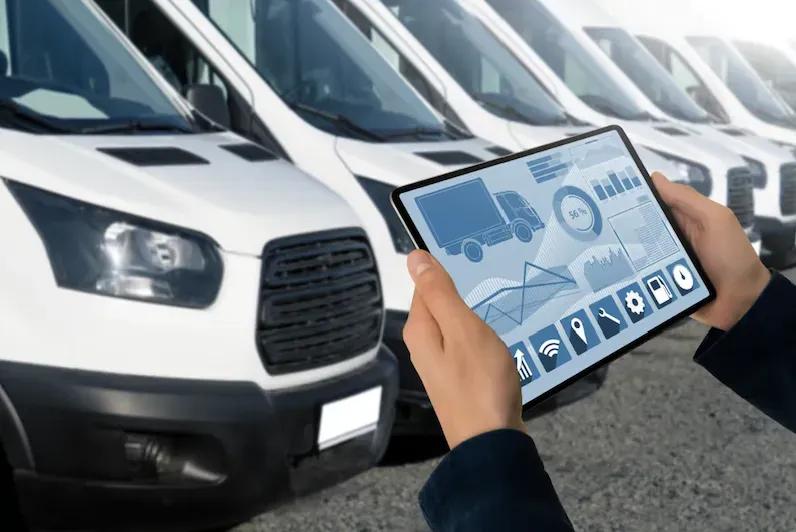
Technology-driven solutions enhance driver safety training by providing real-time feedback and data-driven insights. These solutions allow fleet managers to monitor driver performance continuously, identifying areas for improvement and offering targeted coaching. For example, telematics systems can track driving behaviors such as speeding, harsh braking, and acceleration, enabling managers to address issues promptly. This proactive approach not only improves driver safety but also fosters a culture of accountability within the fleet.
Studies have specifically quantified the positive impacts of real-time feedback and specialized training on driver behavior.
Real-Time Feedback & Eco-Driving Training Impact on Driver Behavior
This paper aims at quantifying the impacts of real-time feedback and eco driving training on bus drivers’ behaviour. The study collected real-time operation data and identified undesirable driving patterns.
Quantification of the impacts of eco-driving training and real-time feedback on urban buses driver’s behaviour, C Rolim, 2014
What Limitations Exist in Conventional Classroom-Based Training?
Conventional classroom-based training presents several limitations that can hinder its effectiveness. Key issues include:
- Engagement and Retention: Static training methods often fail to engage drivers, leading to poor retention of information.
- Flexibility and Accessibility: Traditional training schedules may not accommodate all drivers, resulting in missed opportunities for learning.
- Real-World Application: Classroom settings may not effectively simulate real-world driving conditions, limiting the practical application of learned skills.
These limitations highlight the need for more dynamic and adaptable training solutions in the fleet management sector.
How Does Telematics Improve Fleet Driver Performance Monitoring and Risk Management?
Telematics plays a crucial role in improving fleet driver performance monitoring and risk management. By collecting real-time data on driving behaviors, telematics systems provide fleet managers with objective performance metrics. This data enables proactive risk management strategies, allowing managers to identify high-risk drivers and implement targeted interventions. Furthermore, telematics can facilitate compliance with regulatory requirements by ensuring that drivers adhere to safety standards and best practices. You can find more about it in this fleet risk management article.
A systematic review further investigates how in-vehicle telematics is utilized for monitoring driving behaviors.
In-Vehicle Telematics for Driving Behavior Monitoring
In this systematic review, we examine how in-vehicle telematics has been used to monitor driving behaviours. We find that the dominant method for analysis of in-vehicle telematics data is statistical analysis. The effects of telematics feedback on driving behaviour are unknown.
A systematic review of the use of in-vehicle telematics in monitoring driving behaviours, D Meyer, 2024
What Role Does Driver Behavior Analytics Play in Modern Safety Programs?
Driver behavior analytics is integral to modern safety programs, offering insights that drive targeted training initiatives. By analyzing data on driving patterns, fleet managers can identify specific behaviors that contribute to accidents. This information allows for the development of personalized coaching plans that address individual driver needs, ultimately leading to reduced accident rates and improved safety outcomes. The use of analytics also supports continuous improvement efforts, ensuring that training programs evolve alongside changing road conditions and regulations.
How Do Real-Time Alerts Support Accident Reduction Strategies?
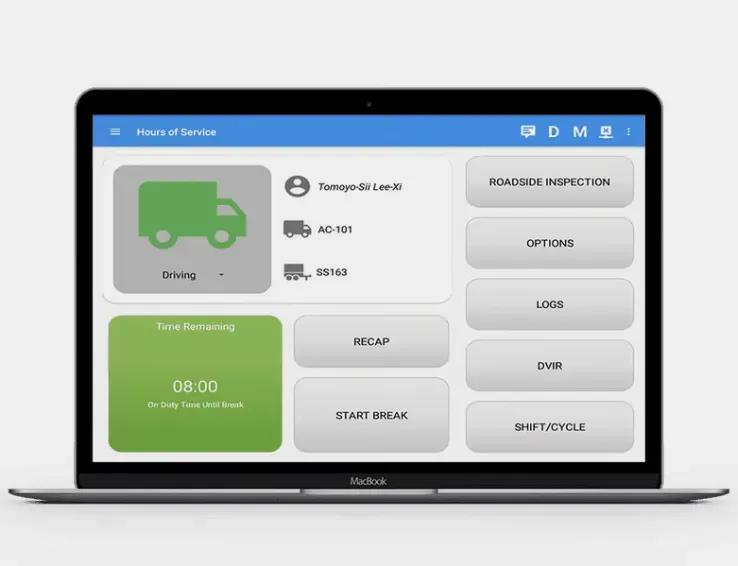
Real-time alerts are a vital component of accident reduction strategies in fleet management. These alerts provide immediate feedback to drivers regarding unsafe behaviors, such as speeding or harsh braking. By receiving instant notifications, drivers can adjust their behavior in real-time, reducing the likelihood of accidents. Additionally, fleet managers can use these alerts to implement proactive coaching strategies, reinforcing safe driving practices and fostering a culture of safety within the organization.
Studies have specifically investigated how real-time feedback and telematics can influence driver behavior, particularly in reducing unsafe actions like speeding.
Telematics & Real-Time Feedback for Driver Behavior Improvement
Much like wearable sensors for tracking physical activity, telematics devices monitor driving behavior. This study used a generalized linear mixed model (GLMM) to examine how interventions impacted driving behavior.
The effect of Real-Time feedback and incentives on speeding behaviors using Telematics: A randomized controlled trial, MR Malekpour, 2023
What Are the Compliance and Commercial Vehicle Safety Benefits of Modern Fleet Safety Programs?
Modern fleet safety programs offer numerous compliance and commercial vehicle safety benefits, including:
- Enhanced Driver Safety: By focusing on continuous improvement and real-time feedback, these programs significantly reduce accident rates.
- Improved Compliance: Technology-driven solutions help ensure that drivers adhere to regulatory requirements, minimizing the risk of penalties.
- Cost Savings: Reduced accident rates lead to lower insurance premiums and maintenance costs, providing a strong return on investment for fleet managers.
These benefits underscore the importance of adopting modern safety programs in the fleet management industry.
How Do Safety Programs Align with Regulatory Requirements?
Safety programs must align with regulatory requirements to ensure compliance and promote safe driving practices. Modern fleet safety programs incorporate features that facilitate adherence to regulations, such as driver training records, performance monitoring, and incident reporting. By integrating these elements, fleet managers can demonstrate compliance with industry standards and reduce the risk of legal liabilities.
What Metrics Measure the Effectiveness of Fleet Risk Management Solutions?
Measuring the effectiveness of fleet risk management solutions involves several key metrics, including:
These metrics provide valuable insights into the effectiveness of safety programs and help fleet managers make informed decisions regarding training and risk management strategies.
Why Should Fleet Managers Choose Data-Driven Safety Programs Over Traditional Methods?
Fleet managers should choose data-driven safety programs over traditional methods for several compelling reasons:
- Enhanced Decision Making: Data-driven insights allow for informed decision-making regarding driver training and risk management.
- Accountability and Transparency: Technology provides clear metrics that hold drivers accountable for their performance.
- Cost Savings: By reducing accidents and improving compliance, data-driven programs can lead to significant cost savings for fleet operations.
These advantages make a strong case for the adoption of modern safety programs in the fleet management sector.
What ROI and Safety Improvements Are Demonstrated by Recent Case Studies?
Recent case studies have demonstrated significant ROI and safety improvements associated with the implementation of fleet management safety programs. For example, fleets that adopted telematics reported a 15% to 25% reduction in accident rates and a decrease in insurance costs within the first year of implementation. These findings highlight the tangible benefits of investing in technology-driven safety solutions.
How Does Continuous Driver Coaching Support Long-Term Safety Outcomes?
Continuous driver coaching is essential for supporting long-term safety outcomes in fleet management. By providing ongoing feedback and personalized training, fleet managers can help drivers develop safe driving habits that last. This approach not only reduces the likelihood of accidents but also fosters a culture of safety within the organization. As drivers receive regular coaching, they become more aware of their driving behaviors and are better equipped to handle challenging road conditions.
Frequently Asked Questions
What types of technology are commonly used in fleet management safety programs?
Fleet management safety programs often utilize a variety of technologies to enhance driver training and safety. Common tools include telematics systems, which track vehicle location and driving behavior, and mobile applications that provide real-time feedback to drivers. Additionally, data analytics platforms analyze performance metrics to identify trends and areas for improvement. Other technologies may include driver monitoring systems that assess fatigue levels and in-cab alerts that notify drivers of unsafe behaviors. Together, these technologies create a comprehensive safety ecosystem that promotes better driving practices.
How can fleet managers ensure the successful implementation of safety programs?
To ensure the successful implementation of safety programs, fleet managers should start by conducting a thorough needs assessment to identify specific safety challenges within their fleet. Engaging drivers in the process is crucial; their feedback can help tailor the program to meet their needs. Additionally, providing comprehensive training on new technologies and ongoing support will facilitate smoother adoption. Setting clear goals and metrics for success will also help track progress and make necessary adjustments. Regularly reviewing program effectiveness and incorporating driver feedback will further enhance the program’s impact.
What are the long-term benefits of adopting modern fleet safety programs?
Adopting modern fleet safety programs offers numerous long-term benefits, including significant reductions in accident rates and associated costs. Over time, fleets can experience lower insurance premiums and maintenance expenses due to fewer incidents. Additionally, these programs foster a culture of safety and accountability among drivers, leading to improved morale and retention. Enhanced compliance with regulatory standards also minimizes legal risks. Ultimately, the investment in technology-driven safety solutions can yield substantial returns, making fleets more efficient and safer in the long run.
How do fleet safety programs impact driver training retention?
Fleet safety programs that incorporate technology significantly improve driver training retention compared to traditional methods. Interactive elements, such as real-time feedback and gamified learning experiences, engage drivers more effectively, making it easier for them to absorb and retain information. Additionally, personalized coaching based on individual performance data helps reinforce learning by addressing specific areas of improvement. This ongoing engagement and tailored approach ensure that drivers are not only learning but also applying their knowledge in real-world situations, leading to better long-term retention of safe driving practices.
What role does data analytics play in improving fleet safety?
Data analytics plays a crucial role in enhancing fleet safety by providing actionable insights into driver behavior and performance. By analyzing data collected from telematics systems, fleet managers can identify patterns and trends that may indicate risky driving behaviors, such as speeding or harsh braking. This information allows for targeted interventions, such as personalized coaching or training sessions, to address specific issues. Furthermore, data analytics helps in measuring the effectiveness of safety programs, enabling continuous improvement and adaptation to changing conditions, ultimately leading to safer driving practices.
How can real-time feedback influence driver behavior?
Real-time feedback is a powerful tool for influencing driver behavior positively. When drivers receive immediate notifications about unsafe actions, such as speeding or aggressive braking, they can adjust their behavior on the spot, reducing the likelihood of accidents. This instant feedback creates a sense of accountability, encouraging drivers to adopt safer driving habits. Additionally, regular feedback sessions can help reinforce positive behaviors and highlight areas for improvement, fostering a culture of continuous learning and safety within the fleet. Over time, this proactive approach leads to lasting changes in driving behavior.
Conclusion
Embracing modern fleet management safety programs significantly enhances driver safety through real-time feedback and data-driven insights. These programs not only reduce accident rates but also foster a culture of accountability and continuous improvement. By prioritizing technology over traditional training methods, fleet managers can achieve measurable results and long-term cost savings. Discover how our innovative solutions can transform your fleet’s safety training today.
Jeff Stoker is the CEO and founder of Safety Track, a company he established in 2002. With over two decades of leadership in fleet management solutions, Jeff has guided Safety Track from a pioneering vision to a trusted industry leader. His innovative mindset and commitment to excellence continue to drive the company’s growth and impact.