

Fleet Surveillance Cameras and Privacy Issues Explained
Balancing Driver Privacy and Compliance in Fleet Surveillance Cameras
Fleet surveillance cameras have become essential tools for enhancing safety and efficiency in commercial vehicle operations. These systems not only provide real-time monitoring but also serve as a critical component in ensuring compliance with various privacy regulations. As fleet managers navigate the complexities of surveillance technology, understanding the balance between effective monitoring and the protection of driver privacy is paramount. This article will explore the compliance regulations surrounding fleet surveillance cameras, their implications for driver protection, and best practices for maintaining privacy rights while leveraging technology. Key sections will include an overview of privacy regulations, the responsibilities of fleet managers, and how technology can enhance driver privacy.
Compliance Regulations:
Compliance with privacy regulations is crucial for fleet managers utilizing surveillance cameras. Various laws, including the General Data Protection Regulation (GDPR) and the California Consumer Privacy Act (CCPA), set stringent guidelines on how personal data should be handled. These regulations require that fleet operators inform drivers about the use of surveillance cameras and obtain their consent. Additionally, state-specific regulations may impose further requirements, emphasizing the importance of understanding local laws. Compliance not only protects the rights of drivers but also shields companies from potential legal repercussions.
Further emphasizing the complexity of global data protection, a recent framework highlights the challenges and solutions for organizations operating across diverse legislative environments.
GDPR & CCPA Compliance for Fleet Data Privacy
As global regulations evolve, specifically in jurisdictions that uphold stringent compliance standards such as the General Data Protection Regulation and the California Consumer Privacy Act, the complexity of ensuring end-to-end data protection has escalated. This paper introduces a framework designed to address challenges that arise when organizations operate across multiple legislative environments, emphasizing core elements of governance and technological enforcement to safeguard personal data.
Ensuring Regulatory Compliance in Cloud-based Big Data Systems: A Framework for Global Operations Adhering to GDPR and CCPA, 2024
Implications for Driver Protection:
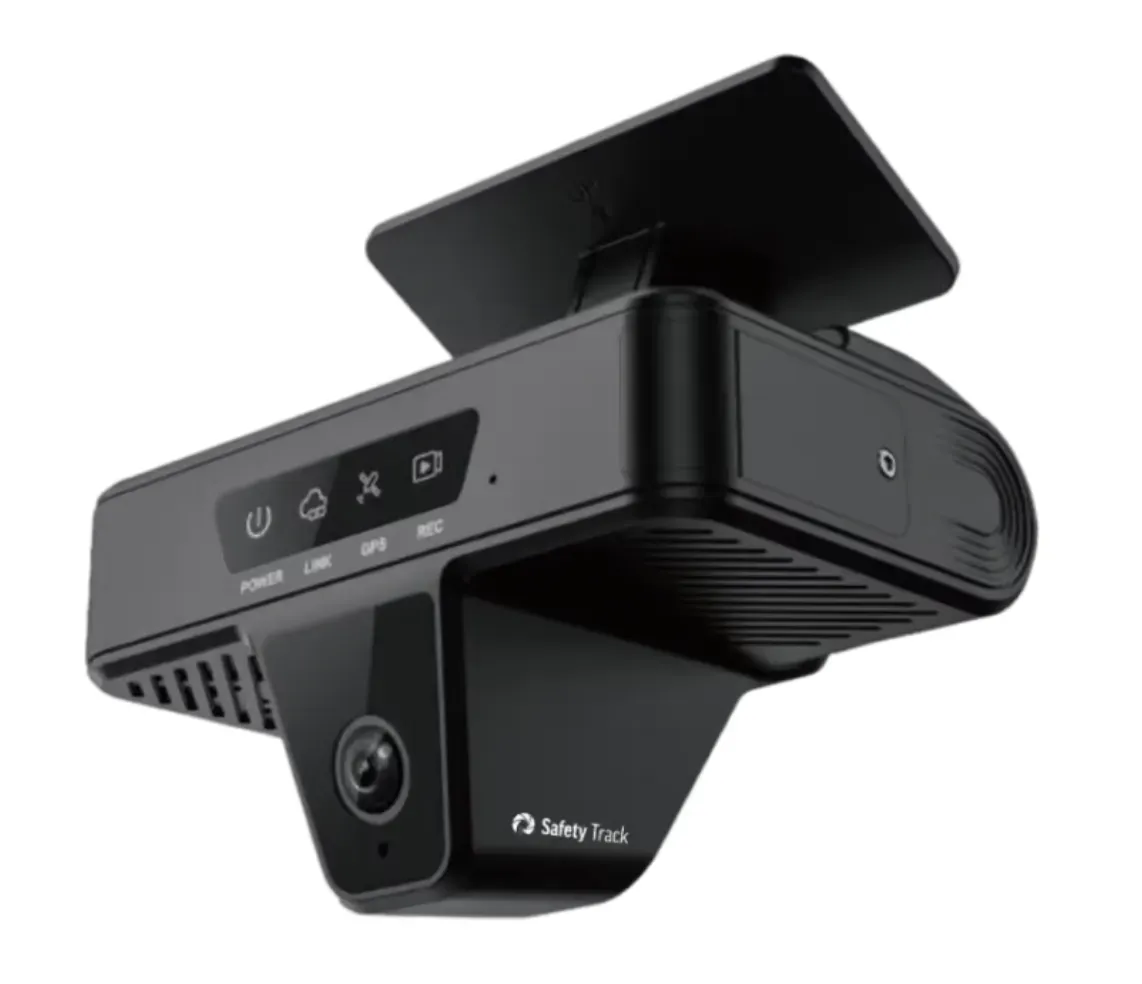
Surveillance cameras in fleet vehicles can significantly enhance driver protection while respecting their privacy. These systems provide objective evidence in disputes, which can be invaluable in resolving accidents or incidents. Furthermore, the presence of cameras encourages safe driving behaviors, as drivers are aware that their actions are being monitored. However, it is essential to respect off-duty privacy, ensuring that cameras are not recording when drivers are not on the clock. This balance is critical in fostering a trusting relationship between fleet management and drivers.
Best Practices for Balancing Surveillance with Privacy Rights:
To effectively balance surveillance with privacy rights, fleet managers should implement several best practices: dash cams and privacy
- Obtain Consent from Drivers: Ensure that all drivers are informed about the surveillance systems in place and provide their consent.
- Limit Data Collection: Collect only the data necessary for operational purposes, avoiding excessive monitoring.
- Ensure Data Security: Implement robust data security measures to protect recorded footage from unauthorized access.
Following these practices not only helps in compliance with privacy laws but also builds trust with drivers.
What Are the Key Privacy Regulations Affecting Fleet Surveillance Cameras?
Several key privacy regulations impact the use of fleet surveillance cameras. The GDPR mandates that organizations must have a lawful basis for processing personal data, which includes video footage. Similarly, the CCPA provides California residents with rights regarding their personal information, including the right to know what data is collected and the right to request deletion. Fleet managers must ensure that their surveillance practices align with these regulations to avoid penalties and maintain operational integrity.
How Do GDPR and CCPA Impact Fleet Video Monitoring?
The GDPR and CCPA significantly influence fleet video monitoring practices. Under GDPR, fleet operators must ensure transparency by informing drivers about data collection and processing activities. Consent must be obtained before any monitoring occurs. The CCPA enhances these requirements by granting individuals the right to access their data and request its deletion. Fleet managers must develop clear policies that comply with these regulations, ensuring that drivers are aware of their rights and the measures in place to protect their privacy.
What Are Fleet Managers’ Responsibilities Under Privacy Laws?
Fleet managers have several responsibilities under privacy laws, including:
- Compliance with Regulations: Adhering to all applicable privacy laws and regulations.
- Transparency and Notification: Informing drivers about the use of surveillance cameras and the data collected.
- Data Protection Measures: Implementing security protocols to safeguard recorded footage and personal information.
By fulfilling these responsibilities, fleet managers can mitigate risks associated with non-compliance and foster a culture of respect for driver privacy.
How Does Technology Enhance Driver Privacy in Fleet Camera Systems?
Advancements in technology have led to the development of features that enhance driver privacy in fleet camera systems. For instance, AI-powered cameras can automatically redact sensitive information from video footage, ensuring that only relevant data is accessible. Additionally, privacy modes can be activated to limit recording during off-duty hours, further protecting driver privacy. These technological innovations not only comply with privacy regulations but also demonstrate a commitment to respecting driver rights.
What Features Ensure Data Security and Controlled Access?
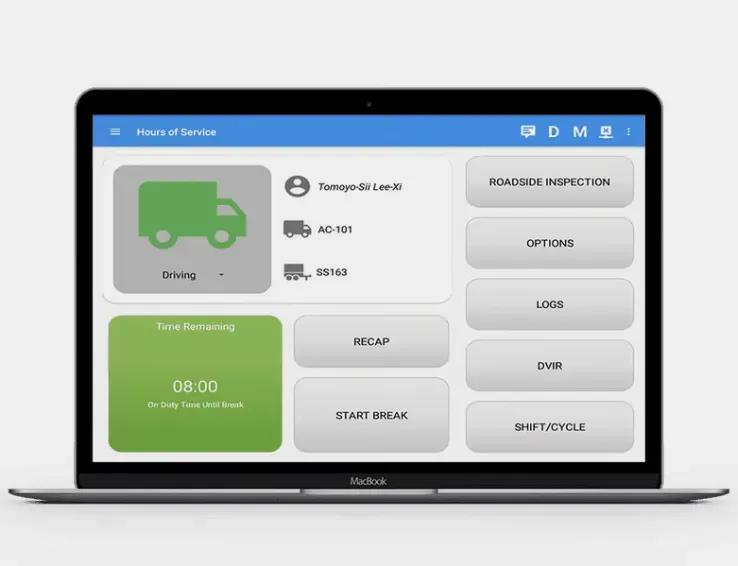
Data security is paramount in fleet surveillance systems. Key features that enhance data security include:
- Encryption and Authentication: Ensuring that all recorded footage is encrypted and accessible only to authorized personnel.
- Role-Based Access Control: Limiting access to sensitive data based on user roles within the organization.
- Automated Redaction: Utilizing technology to automatically redact personal information from video footage before it is stored or shared.
Implementing these features helps protect sensitive data and ensures compliance with privacy regulations.
How Does AI Support Privacy Compliance in Video Surveillance?
AI plays a crucial role in supporting privacy compliance in video surveillance. By automating processes such as data redaction and access control enforcement, AI reduces the risk of human error and enhances overall data security. Furthermore, AI can analyze video footage to identify patterns and behaviors without compromising individual privacy, allowing fleet managers to make informed decisions while adhering to privacy laws.
Beyond compliance, AI-powered systems are also advancing driver monitoring to enhance safety and efficiency through continuous behavioral assessment.
AI Driver Monitoring for Fleet Safety & Efficiency
This paper presents an advanced AI-powered Driver Monitoring System designed to continuously assess driver behavior, fatigue, distractions, and emotional state across various driving conditions. By providing real-time alerts and insights to vehicle owners, fleet operators, and safety personnel, the system significantly enhances road safety.
AI-Powered Intelligent Cognitive Lens for Driver Monitoring for Safe Transportation and Increased Fleet Efficiency Abstract, 2026
What Are the Operational Benefits of Privacy-Compliant Fleet Surveillance?
Implementing privacy-compliant fleet management systems offers several operational benefits, including:
- Enhancements in Safety: Improved monitoring leads to safer driving practices and reduced accident rates.
- Compliance with Regulations: Adhering to privacy laws protects the organization from legal repercussions.
- Improvements in Driver Accountability: Clear policies and monitoring foster a culture of accountability among drivers.
These benefits highlight the importance of integrating privacy compliance into fleet surveillance strategies.
How Does Real-Time Monitoring Improve Safety and Efficiency?
Real-time monitoring through fleet surveillance cameras significantly enhances safety and efficiency. By providing immediate feedback on driver behavior, fleet managers can intervene proactively to address unsafe practices. This comprehensive visibility into fleet operations allows for better resource allocation and improved response times in emergencies, ultimately leading to a safer working environment for drivers. For more information, check out transforming safety and efficiency.
How Does Privacy Compliance Build Trust with Drivers?
Privacy compliance is essential for building trust with drivers. When fleet managers prioritize transparency and respect for privacy, drivers are more likely to feel valued and secure in their roles. This trust can lead to improved morale and job satisfaction, which are critical for maintaining a productive workforce. By fostering a culture of respect and compliance, fleet managers can enhance their relationships with drivers.
How Can Fleet Managers Implement Best Practices for Privacy and Data Management?
Fleet managers can implement best practices for privacy and data management by: dash camera installation.
- Protecting Sensitive Information: Establishing protocols to safeguard personal data collected through surveillance systems.
- Providing Ongoing Training: Ensuring that all employees are trained on privacy regulations and data management practices.
- Regularly Auditing Data Practices: Conducting audits to ensure compliance with privacy laws and internal policies.
These practices not only enhance compliance but also promote a culture of accountability within the organization.
What Are Effective Installation and Data Retention Strategies?
Effective installation and data retention strategies are crucial for maintaining compliance with privacy regulations. Key strategies include:
- Planning Camera Installation: Strategically placing cameras to maximize coverage while minimizing privacy intrusions.
- Implementing Security Measures: Ensuring that all surveillance equipment is secure and protected from tampering.
- Establishing Clear Data Retention Policies: Defining how long recorded footage will be stored and under what circumstances it will be deleted.
By following these strategies, fleet managers can ensure that their surveillance practices align with privacy regulations.
Where Can Managers Find Compliance Checklists and Case Studies?
Fleet managers can find valuable resources for compliance checklists and case studies through various channels, including:
- Legal Templates and Consent Forms: Utilizing templates to ensure compliance with privacy regulations.
- Partnership with Compliance Experts: Collaborating with legal professionals to navigate complex regulations.
- Training Resources: Accessing training materials to educate staff on privacy best practices.
Frequently Asked Questions
What are the potential legal consequences for non-compliance with privacy regulations in fleet surveillance?
Non-compliance with privacy regulations such as GDPR and CCPA can lead to significant legal consequences for fleet operators. These may include hefty fines, which can reach millions of dollars, depending on the severity of the violation. Additionally, companies may face lawsuits from affected individuals, reputational damage, and loss of customer trust. It is crucial for fleet managers to stay informed about applicable laws and ensure that their surveillance practices are compliant to mitigate these risks.
How can fleet managers ensure that drivers are aware of their privacy rights?
Fleet managers can ensure that drivers are aware of their privacy rights by implementing clear communication strategies. This includes providing comprehensive training sessions that outline the use of surveillance cameras and the data collected. Additionally, distributing written policies and consent forms that detail drivers’ rights under privacy laws can enhance understanding. Regular updates and open channels for questions can further reinforce awareness and foster a culture of transparency within the organization.
What role does employee training play in maintaining privacy compliance?
Employee training is vital in maintaining privacy compliance within fleet operations. It ensures that all staff members understand the legal requirements surrounding data protection and the importance of respecting driver privacy. Training programs should cover topics such as data handling, consent procedures, and the implications of non-compliance. By equipping employees with the necessary knowledge and skills, fleet managers can create a culture of accountability and vigilance, reducing the risk of privacy breaches.
What are the best practices for data retention in fleet surveillance systems?
Best practices for data retention in fleet surveillance systems include establishing clear policies that define how long recorded footage will be stored and under what circumstances it will be deleted. Fleet managers should regularly review these policies to ensure compliance with privacy regulations. Additionally, implementing automated systems for data deletion can help manage storage efficiently while minimizing the risk of retaining unnecessary personal data. Regular audits of data retention practices can further enhance compliance and security.
How can technology help in achieving compliance with privacy regulations?
Technology plays a crucial role in achieving compliance with privacy regulations by automating processes that ensure data protection. For instance, advanced surveillance systems can incorporate features like automated redaction of sensitive information and secure data encryption. Additionally, AI can assist in monitoring access to recorded footage, ensuring that only authorized personnel can view sensitive data. By leveraging these technological advancements, fleet managers can enhance their compliance efforts while safeguarding driver privacy.
What should fleet managers consider when selecting surveillance camera systems?
When selecting surveillance camera systems, fleet managers should consider several factors to ensure compliance and effectiveness. Key considerations include the system’s ability to provide high-quality footage while incorporating privacy features, such as off-duty recording modes. Additionally, evaluating the system’s data security measures, such as encryption and access controls, is essential. Fleet managers should also assess the vendor’s compliance with relevant privacy regulations and their support for ongoing training and updates to maintain compliance.
Conclusion
Implementing fleet surveillance cameras not only enhances safety and compliance but also fosters a culture of trust between fleet managers and drivers. By understanding and adhering to privacy regulations, organizations can protect driver rights while leveraging technology for operational efficiency. Embracing best practices in data management and transparency is essential for maintaining a respectful workplace. Discover how our solutions can help you navigate these challenges effectively today.
Jeff Stoker is the CEO and founder of Safety Track, a company he established in 2002. With over two decades of leadership in fleet management solutions, Jeff has guided Safety Track from a pioneering vision to a trusted industry leader. His innovative mindset and commitment to excellence continue to drive the company’s growth and impact.